
Kinondoni
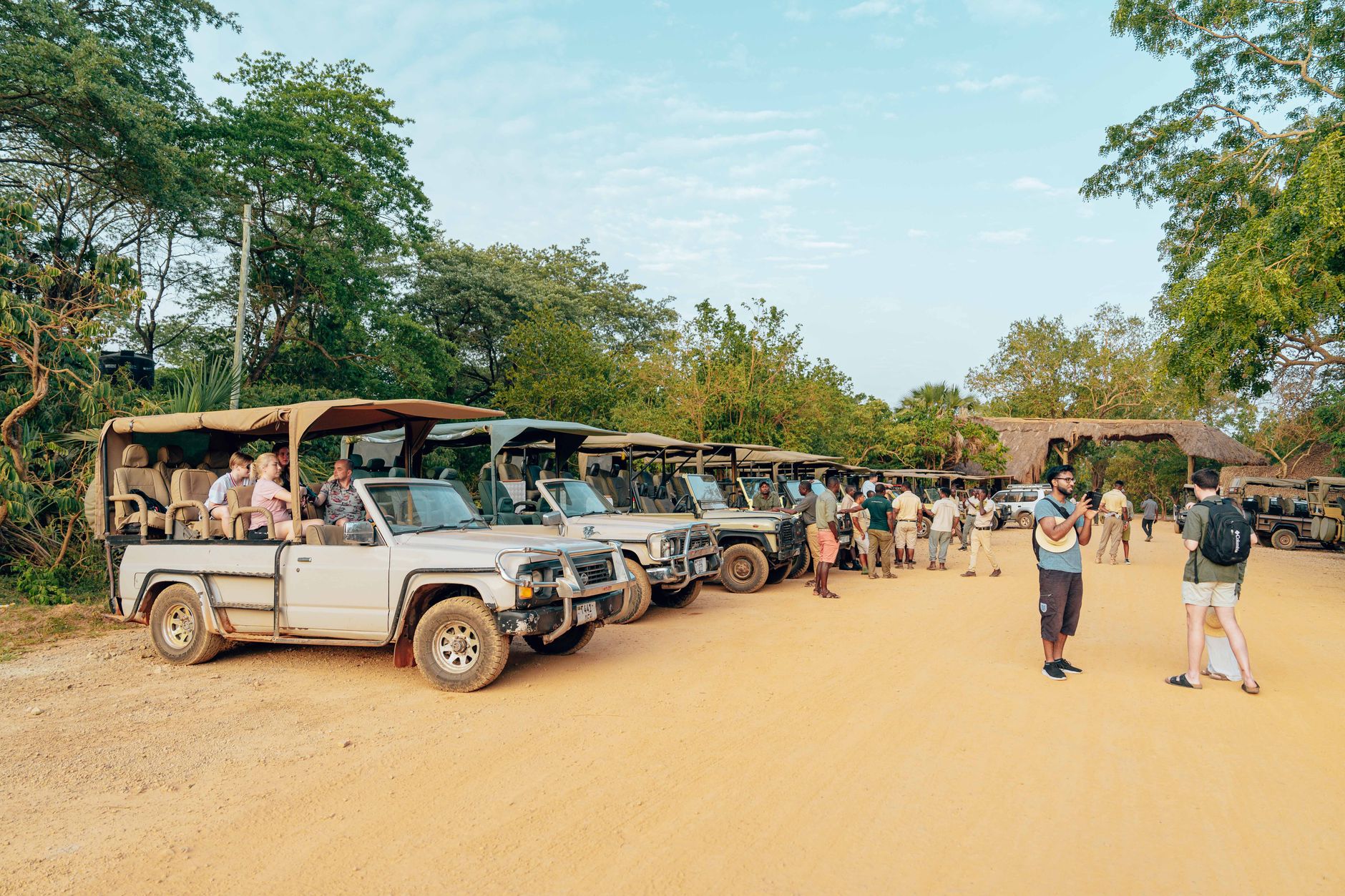
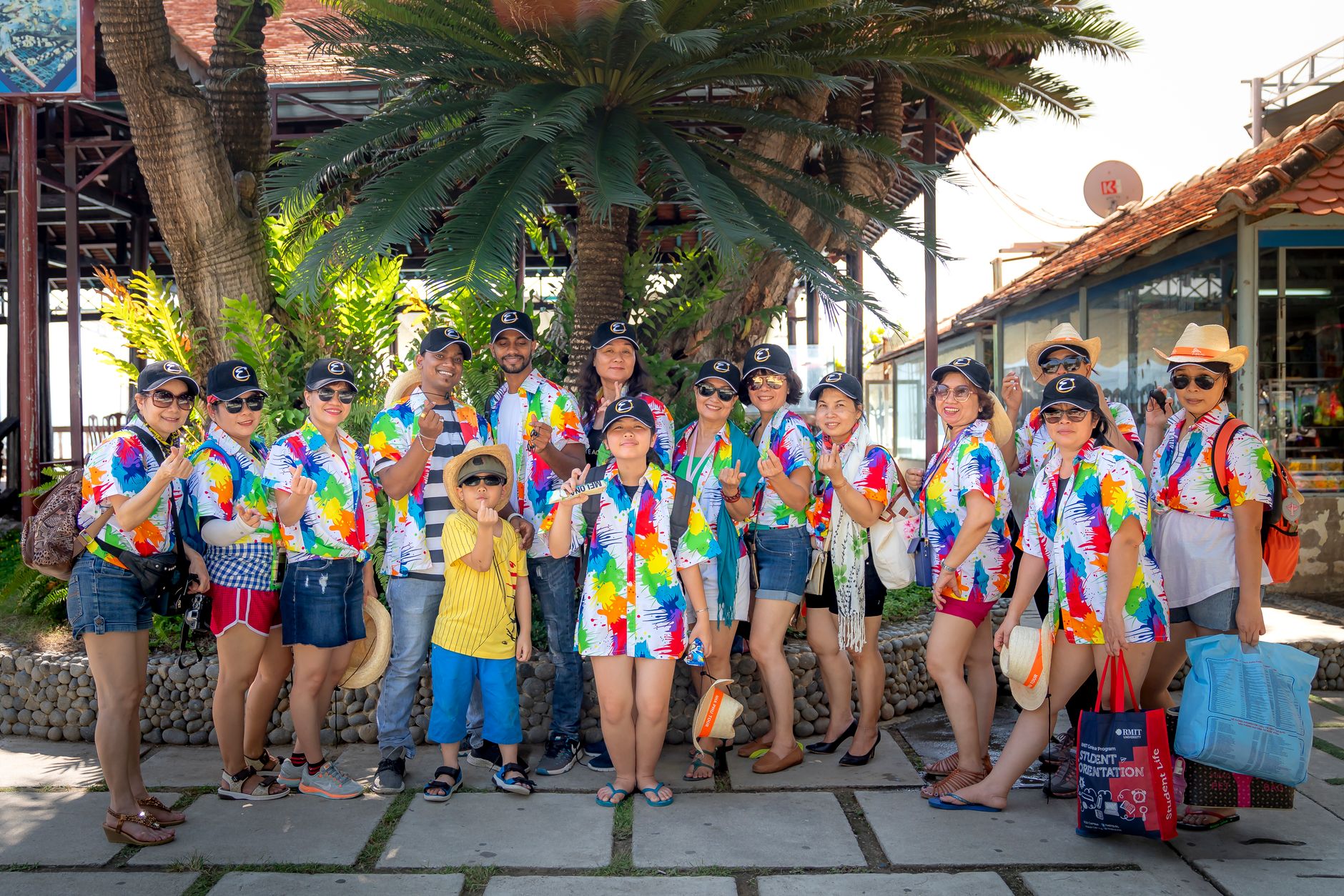
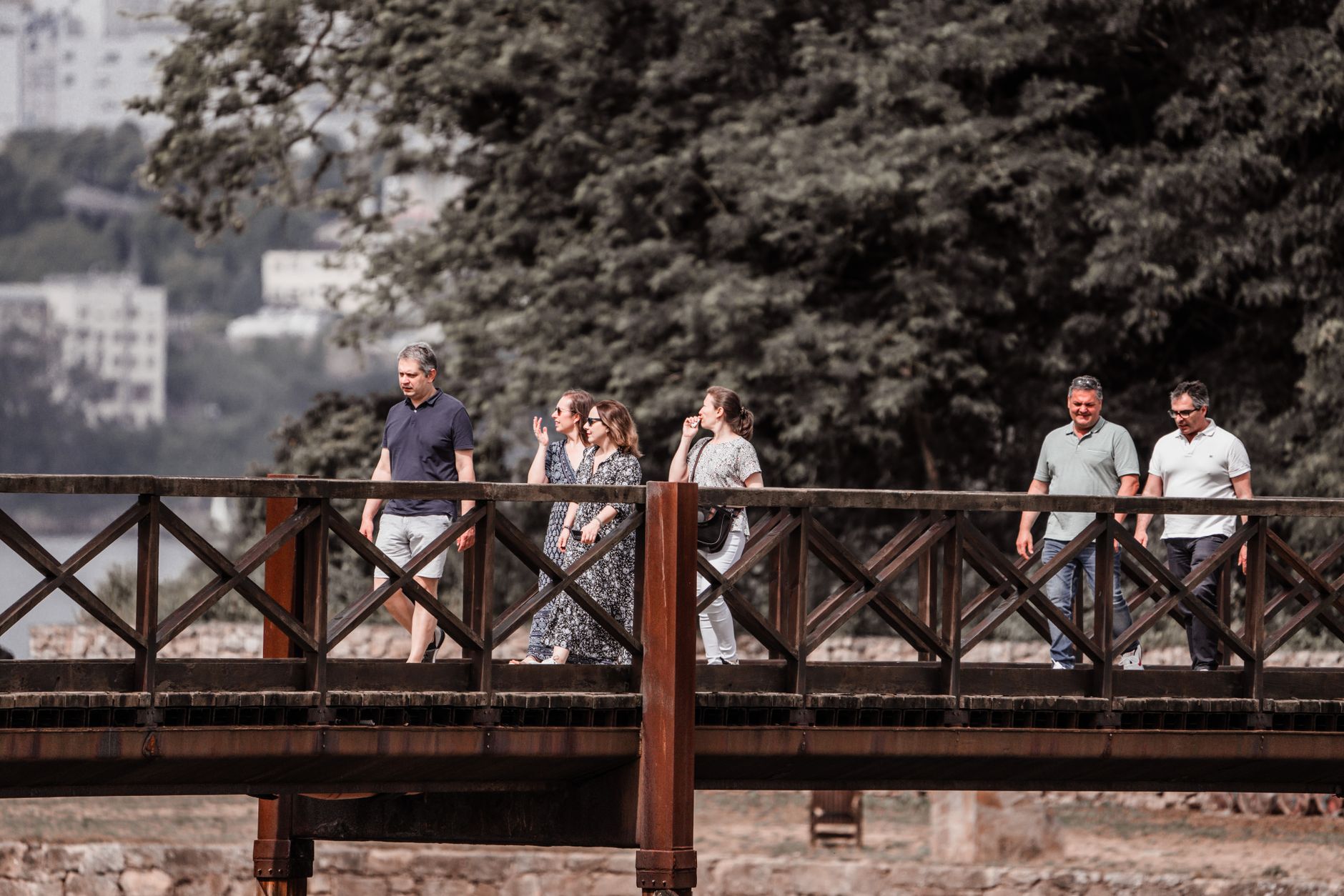
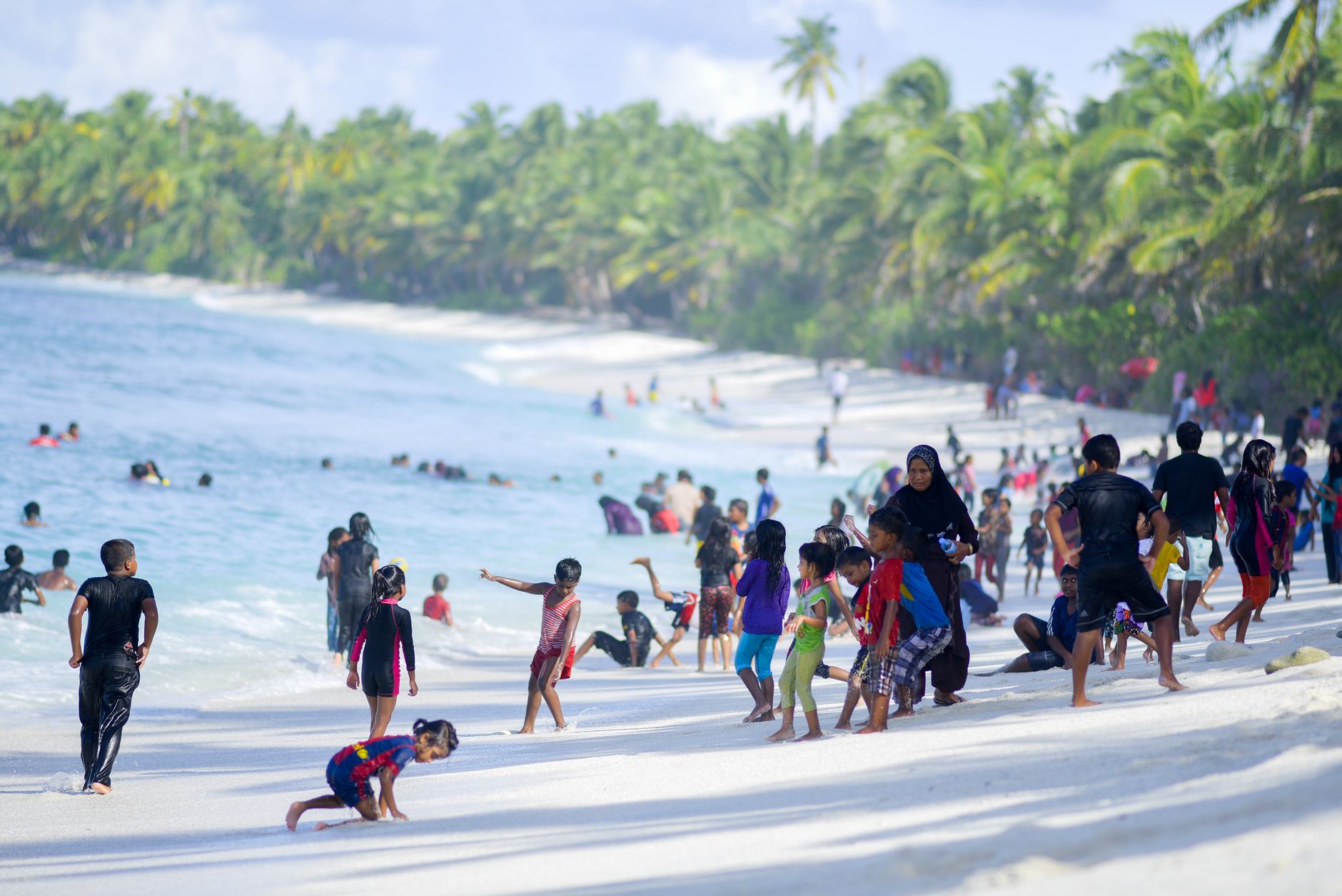
Kinondoni is where Dar es Salaam keeps its contradictions close together. Half the city's population lives here, spread across high-income suburbs, fishing villages on a 143-kilometre Indian Ocean coastline, and the dense wards where Singeli music — that frenetic, percussive genre unique to this city — was born and still plays loud. The National Muslim Council of Tanzania has its headquarters here. So does the main opposition party. The Kunduchi Ruins, a medieval Swahili settlement, sit in the same district as the World Food Programme's Tanzania offices.
Kinondoni became its own autonomous municipal council in 2000, and it has been shedding territory ever since — Ubungo was carved out in 2015, Kigamboni in 2016 — yet it remains the part of Dar es Salaam that most visitors move through without quite noticing they're in it.
💛 What travellers fall for
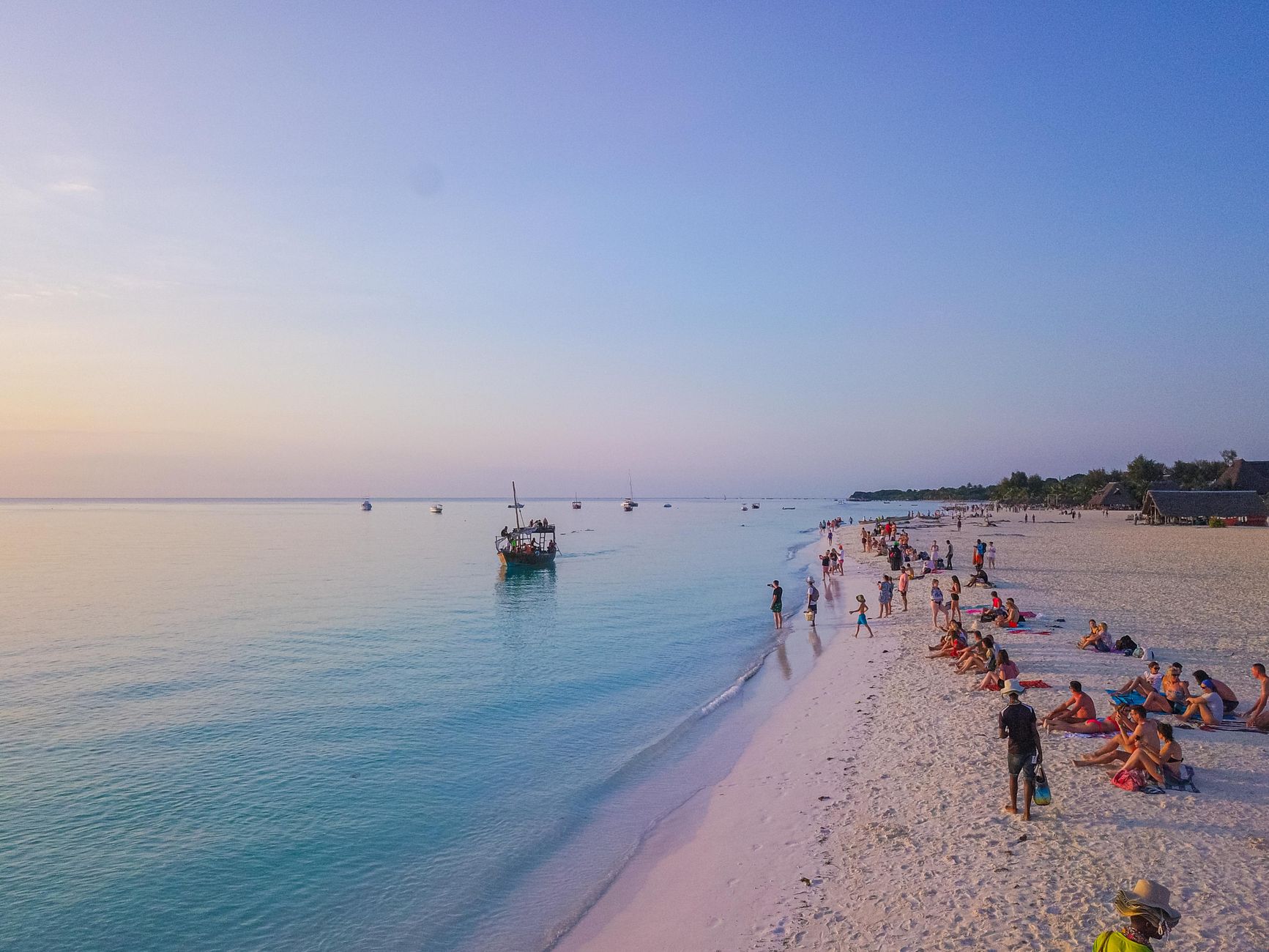
People who come back tend to anchor their mornings at Coco Beach — the white sand strip east of the district proper — before the weekend crowd arrives. The Makumbusho Village Museum on Bagamoyo Road rewards a slow hour. And if you need to move fast across the district, a bodaboda will thread through traffic far more efficiently than waiting for a dala dala.
Deals in Kinondoni
Book directly at the provider


How Kinondoni came to be
Dar es Salaam itself was founded in 1862 on the site of the Zaramo village of Mzizima, and the Zaramo — along with the Ndengereko — were Kinondoni's original inhabitants. Urbanisation has since made the district one of the most ethnically mixed in Tanzania, drawing people from across the country into its wards.
For most of the twentieth century, Kinondoni was simply a district of the larger city. It became a formally autonomous municipal council on 1 January 2000, established by Government Notice No. 4 issued by the President's Office. The following decade and a half brought further reorganisation: Ubungo District was separated out in 2015, and Kigamboni followed in 2016, each taking a piece of what had been Kinondoni's territory.
Who and what shaped it
Landmark buildings
See Kinondoni in motion
Plan your visit
On the map
When to go
Kinondoni sits in a tropical equatorial band — warm and humid most of the year, averaging around 29°C. The drier stretch from October through March is the warmest; if you visit between May and August you'll find temperatures closer to 25°C and two distinct rainy seasons bookending that window, the shorter one in October–December and the longer one from March through May.
Right now
Background & history adapted from Wikipedia (CC BY-SA) · specs from Wikidata (CC0) · weather from Open-Meteo · map data © OpenStreetMap contributors · photos from Wikimedia Commons / Unsplash with per-image credit. No third-party reviews or social posts reproduced.