
Khartoum
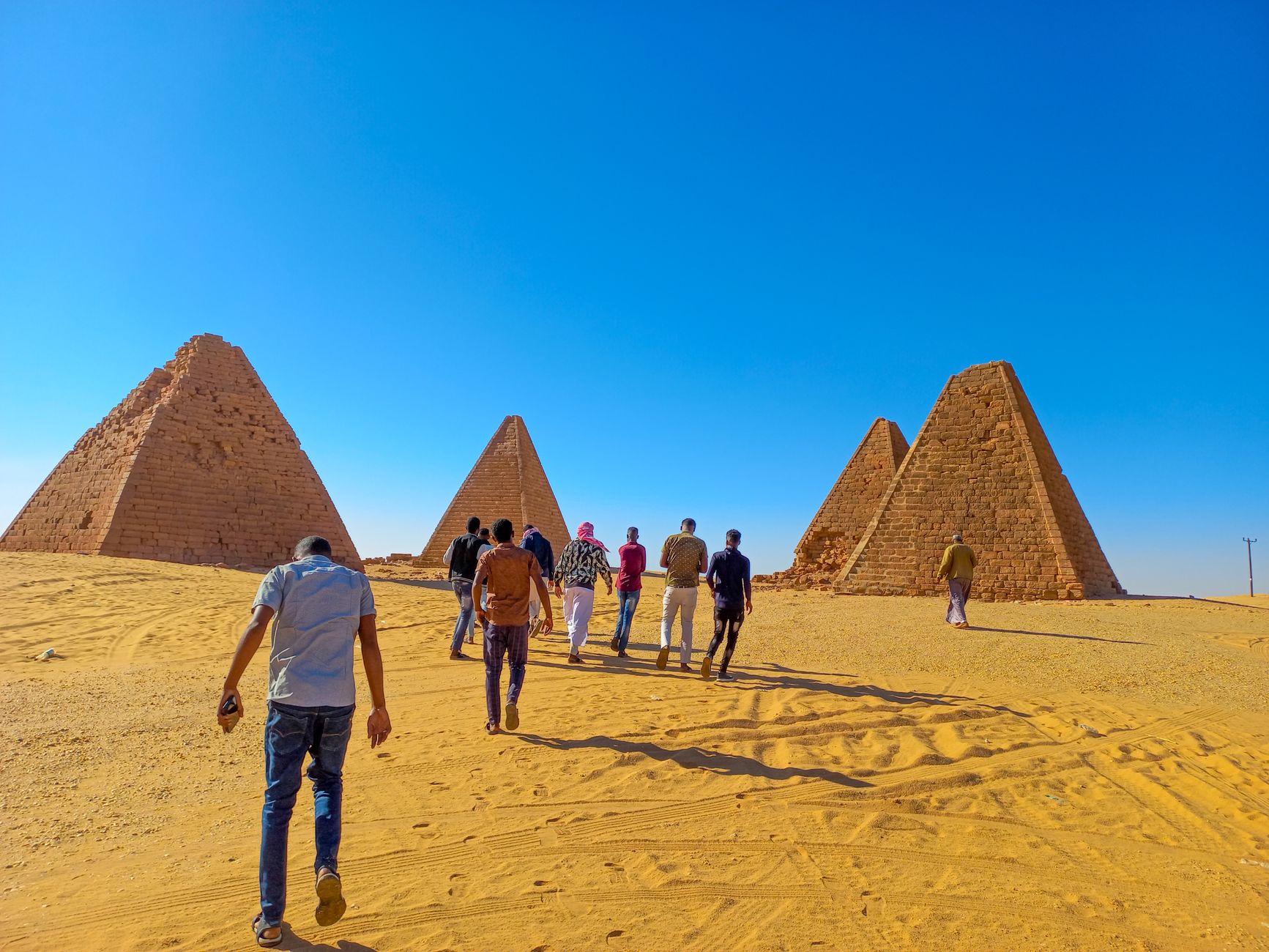

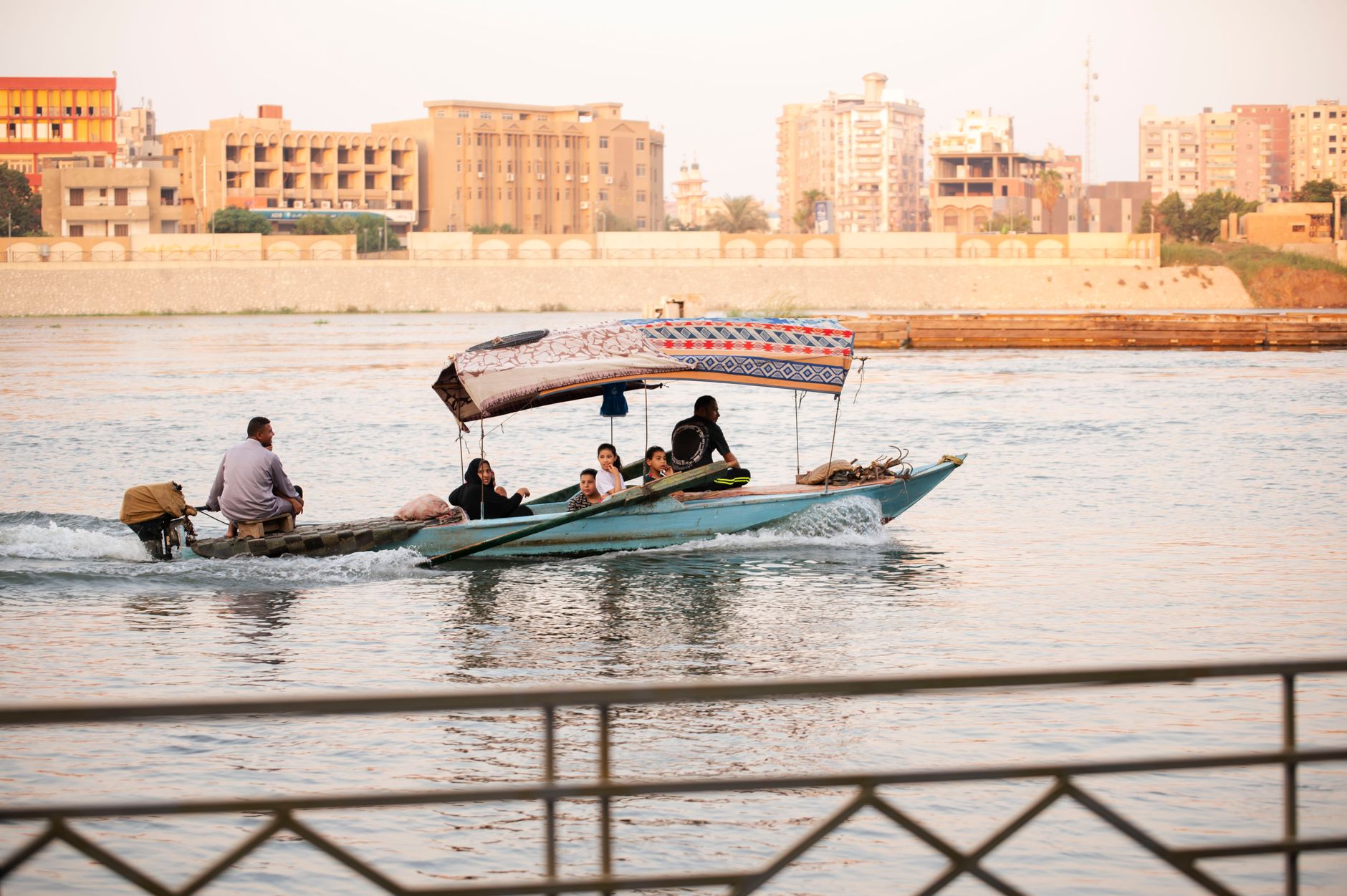
Khartoum sits at one of the most legible geographical facts on the continent: the point where the Blue Nile and the White Nile converge into a single river and turn north. Stand at Al-Mogran and you can see the two bodies of water running side by side, their colours distinct before they finally merge. The city grew up around that junction, and everything here — its founding logic, its colonial redesign, its modern sprawl — has been shaped by proximity to those two streams of water.
Before you read any further, note that Sudan has been in active armed conflict since April 2023, and most governments have issued do-not-travel advisories for Khartoum. The city described here is real; the conditions for visiting it safely are not currently in place.
💛 What travellers fall for
People who knew Khartoum before 2023 tend to mention the same ritual: arriving at the National Museum early — it opened at seven — before the heat settled in, spending an hour with the relocated temples of Buhen and Semna, then crossing to a tea seller on the street outside. The morning light on the Nile waterfront government buildings was best before nine.
Deals in Khartoum
Book directly at the provider

How Khartoum came to be
Khartoum was established in 1821 by Isma'il Kamil Pasha, third son of Muhammad Ali Pasha, as an Egyptian Army outpost north of the ancient city of Soba. Within two years Egypt had moved its colonial administration here from Wad Madani, and by 1840 the settlement held around 30,000 people. The city's first mosque went up in 1829 under governor-general Ali Khurshid Agha.
The defining trauma came in 1884–85, when Mahdist forces besieged the city for months. The Anglo-Egyptian garrison fell on 26 January 1885; British officer Charles Gordon died on the steps of the Turkish governor-general's palace. British forces reoccupied Khartoum in 1898 and rebuilt it deliberately — stone government buildings along the Nile waterfront, streets laid out to echo the pattern of a Union Jack, separate quarters for Europeans and Sudanese. The Grand Mosque on that new streetplan was inaugurated in December 1901; Gordon Memorial College followed in 1903. Sudan became independent in 1956, and Khartoum remained its capital.
Who and what shaped it
People who shaped it
Landmark buildings
See Khartoum in motion
Plan your visit
On the map
When to go
Most of the year Khartoum is hot and dry, with a subtropical desert climate that makes midday brutal from April through June. The African monsoon brings a brief rainy season from July to September, which softens the heat slightly but raises humidity; the cooler months from November to February are the most manageable time to be outdoors.
Right now
Background & history adapted from Wikipedia (CC BY-SA) · specs from Wikidata (CC0) · weather from Open-Meteo · map data © OpenStreetMap contributors · photos from Wikimedia Commons / Unsplash with per-image credit. No third-party reviews or social posts reproduced.