
Kariakoo
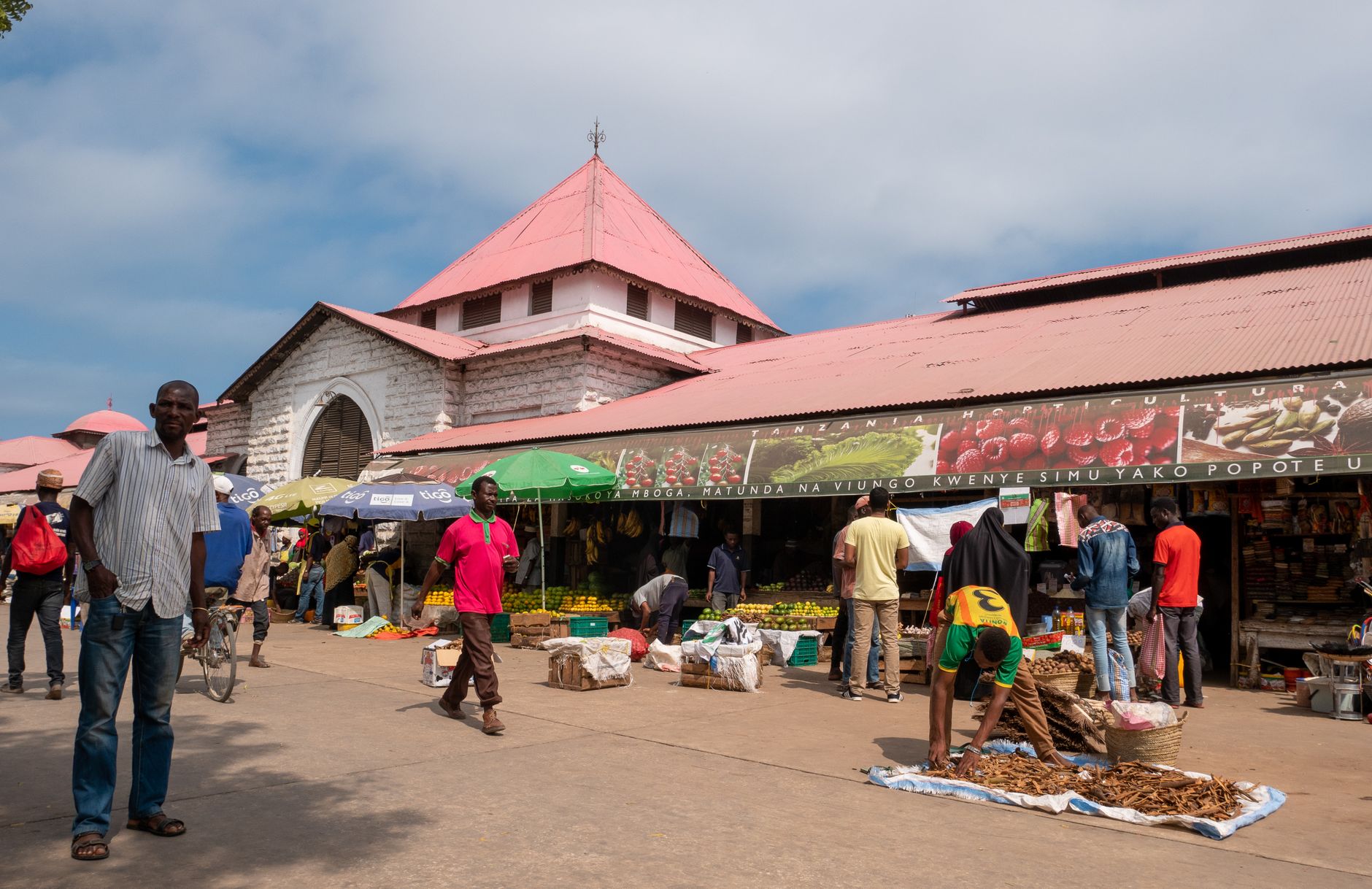
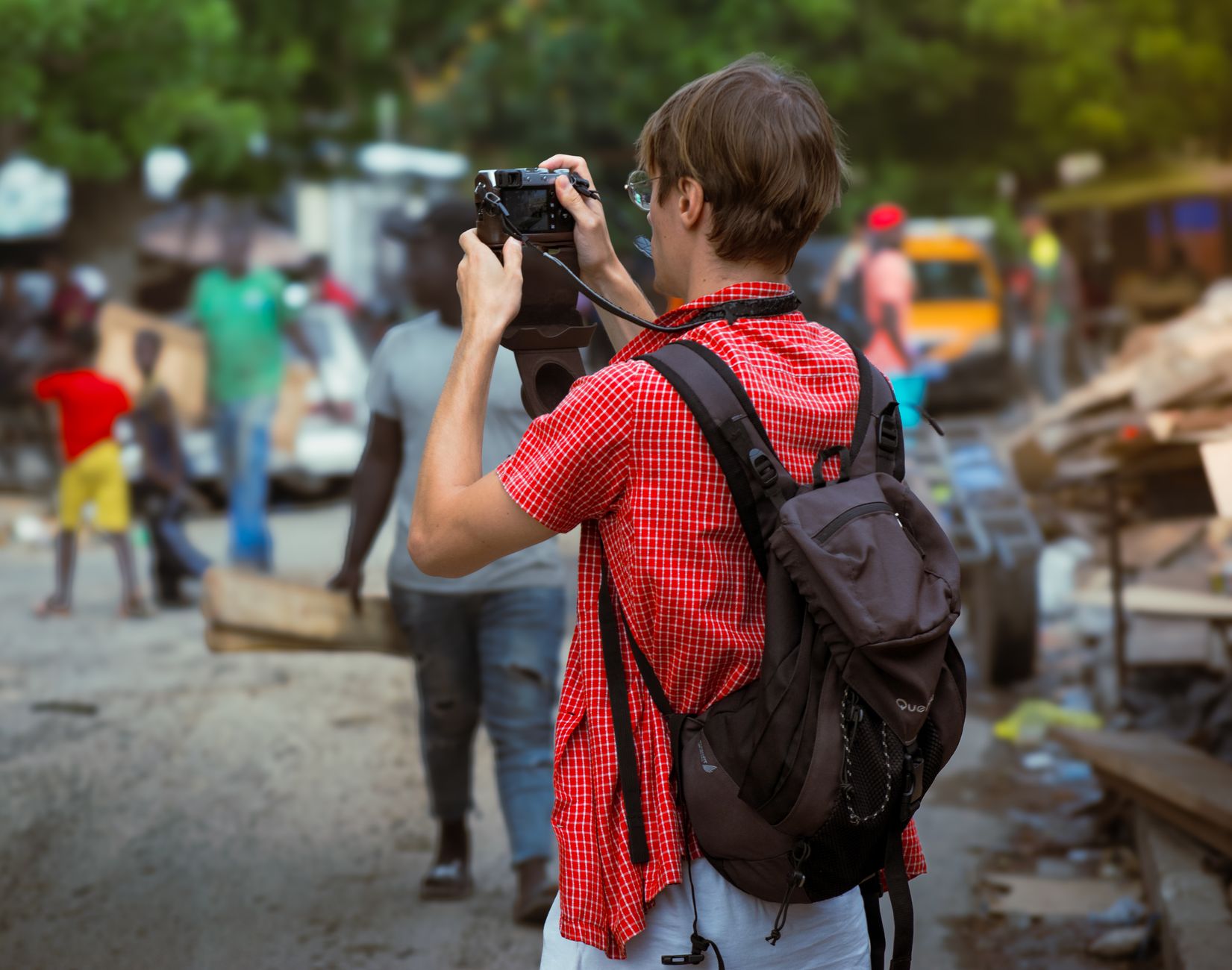
The market building at 67 Swahili Street announces itself before you reach it: concrete columns shaped like trees, their canopies fanning out to shade three layers of stalls below, while rainwater from the roof funnels down into tanks underground. Architect Beda Amuli — Tanzania's first registered indigenous architect — designed it in 1970, and Julius Nyerere opened it on December 8, 1975. It cost Sh23.3 million and it still runs from dawn to dusk, seven days a week, with daladalas queuing down Msimbazi Street for the crowds that come with it.
Kariakoo is the commercial and historic core of Dar es Salaam's African quarters — the place where the city's independence movement was organised, its football clubs were founded, and its tallest building once stood. The name itself is a piece of compressed history: a Swahilisation of the British colonial 'Carrier Corps', whose base occupied this ground in 1916.
💛 What travellers fall for
People who know Kariakoo well arrive at the market early, before the afternoon crowds thicken and the heat builds. Bring as little as you can carry. The streets around Msimbazi and Swahili Street reward slow walking — the architecture shifts register every half-block, from the twelve-story Ushirika Building (modernist, 1963) to single-storey shopfronts unchanged for decades.
Deals in Kariakoo
Book directly at the provider

How Kariakoo came to be
Before the Germans arrived, this ground was a shamba belonging to the Sultan of Zanzibar, in an area already scarred by slave-trading raids. A German businessman named Schoeller bought 200 hectares and rented plots to African residents; by 1913, some 15,000 of Dar es Salaam's 24,000 African inhabitants lived here. In 1914 the German administration bought Kariakoo from Schoeller to formalise it as an African township, and two years later the British Carrier Corps moved in.
The neighbourhood that followed became the seedbed of Tanzanian political life. John Lupia's house at the junction of Likoma and Magila streets was central to the founding of the African Association. Abdulwahid Sykes organised from Kipata Street in the Gerezani sub-district. In 1954, TANU — the party that carried Tanzania to independence — was established here. Simba Sports Club and Young Africans (Yanga) were both founded in Kariakoo in the 1930s. The market building that anchors it today opened in 1975; a fire damaged it on July 10, 2021, though the structure and its tree-columns remain.
Who and what shaped it
People who shaped it
Landmark buildings
See Kariakoo in motion
Plan your visit
On the map
When to go
Kariakoo is hot year-round, with the most intense heat between November and March. The long rains run from March to May; a shorter rainy season comes in October to December. If you have a choice, July to September is the driest and marginally cooler window — still warm, but without the midday weight of the wet-season humidity.
Right now
Background & history adapted from Wikipedia (CC BY-SA) · specs from Wikidata (CC0) · weather from Open-Meteo · map data © OpenStreetMap contributors · photos from Wikimedia Commons / Unsplash with per-image credit. No third-party reviews or social posts reproduced.