
Juist
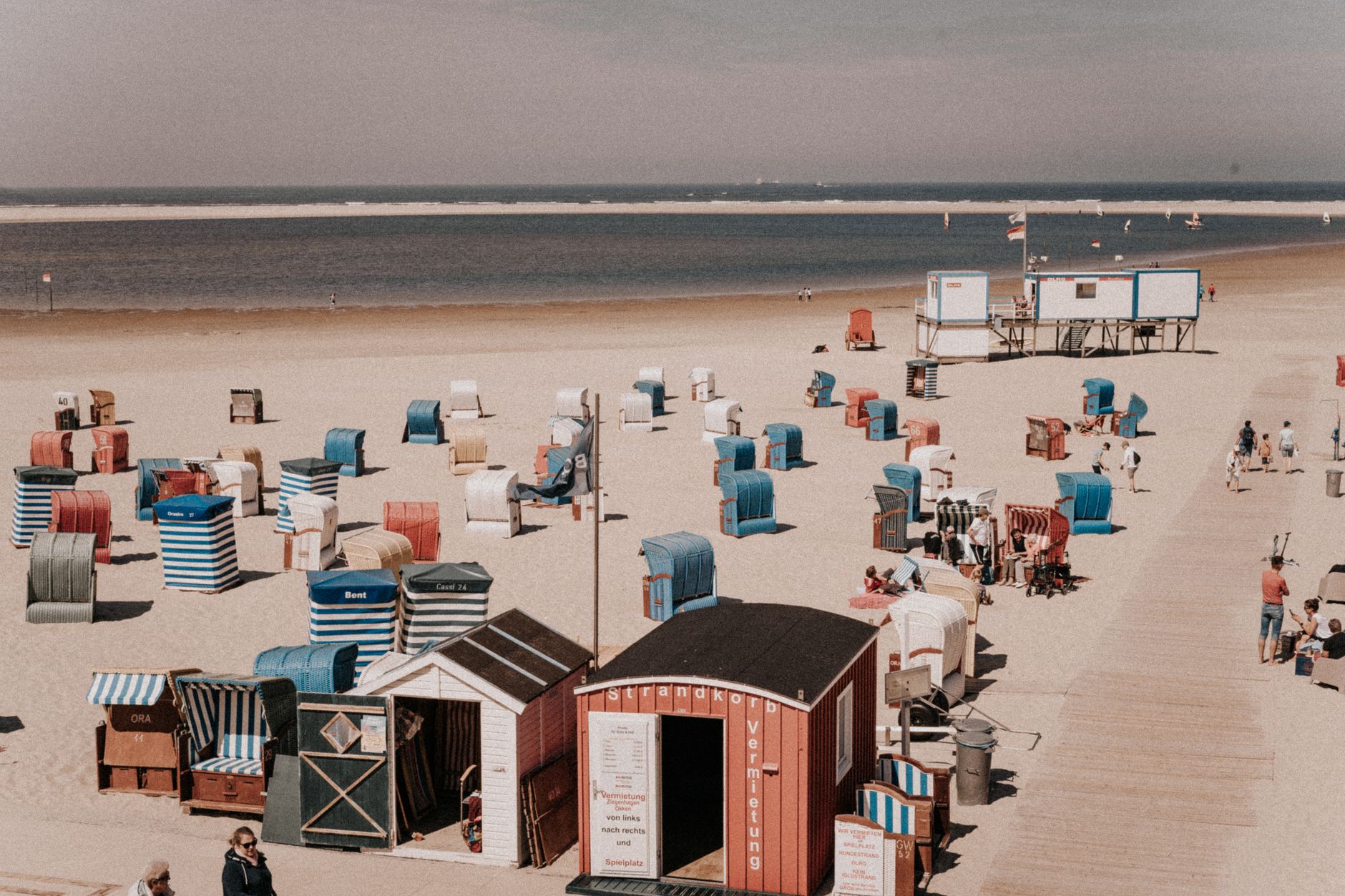
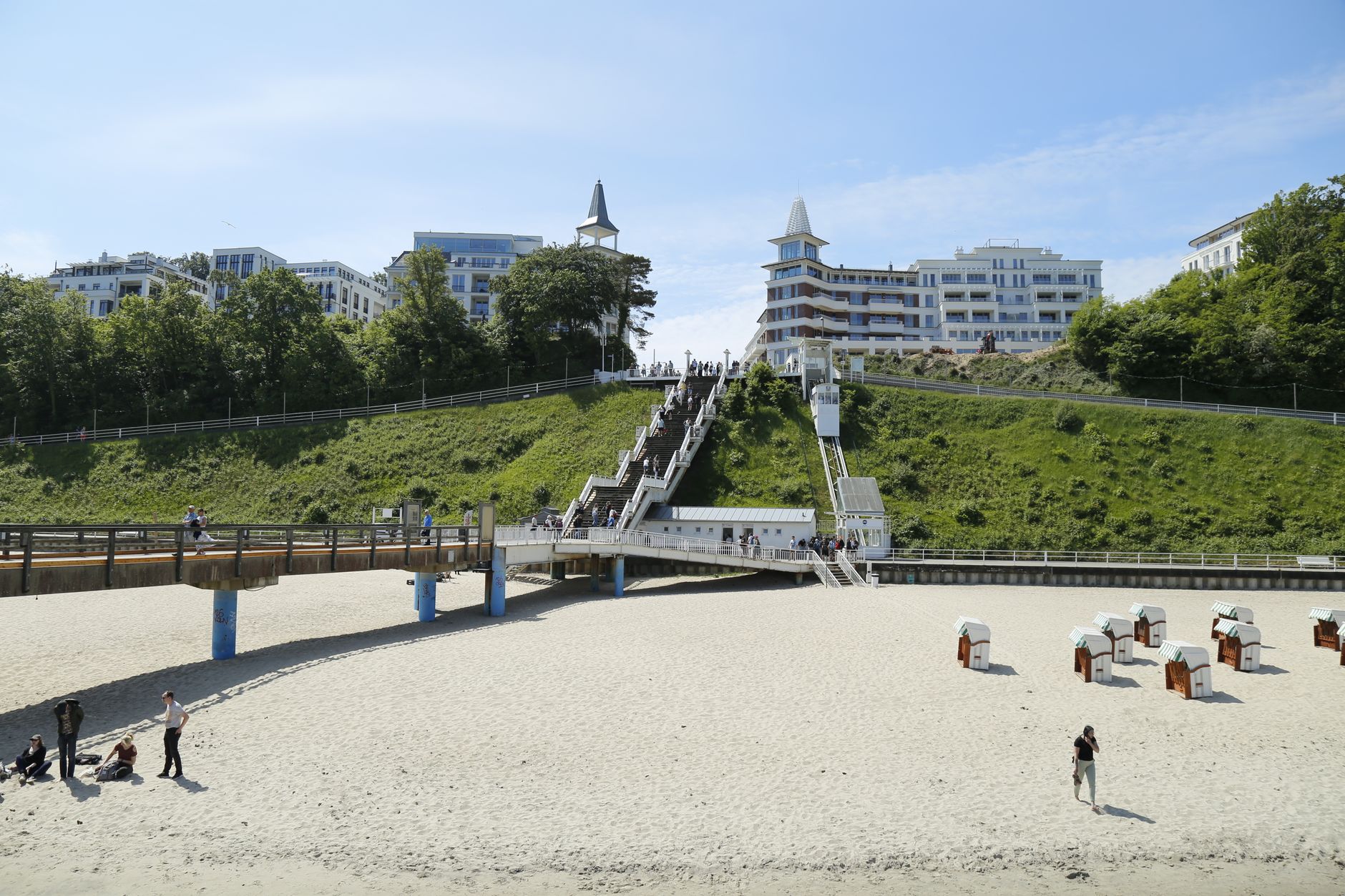
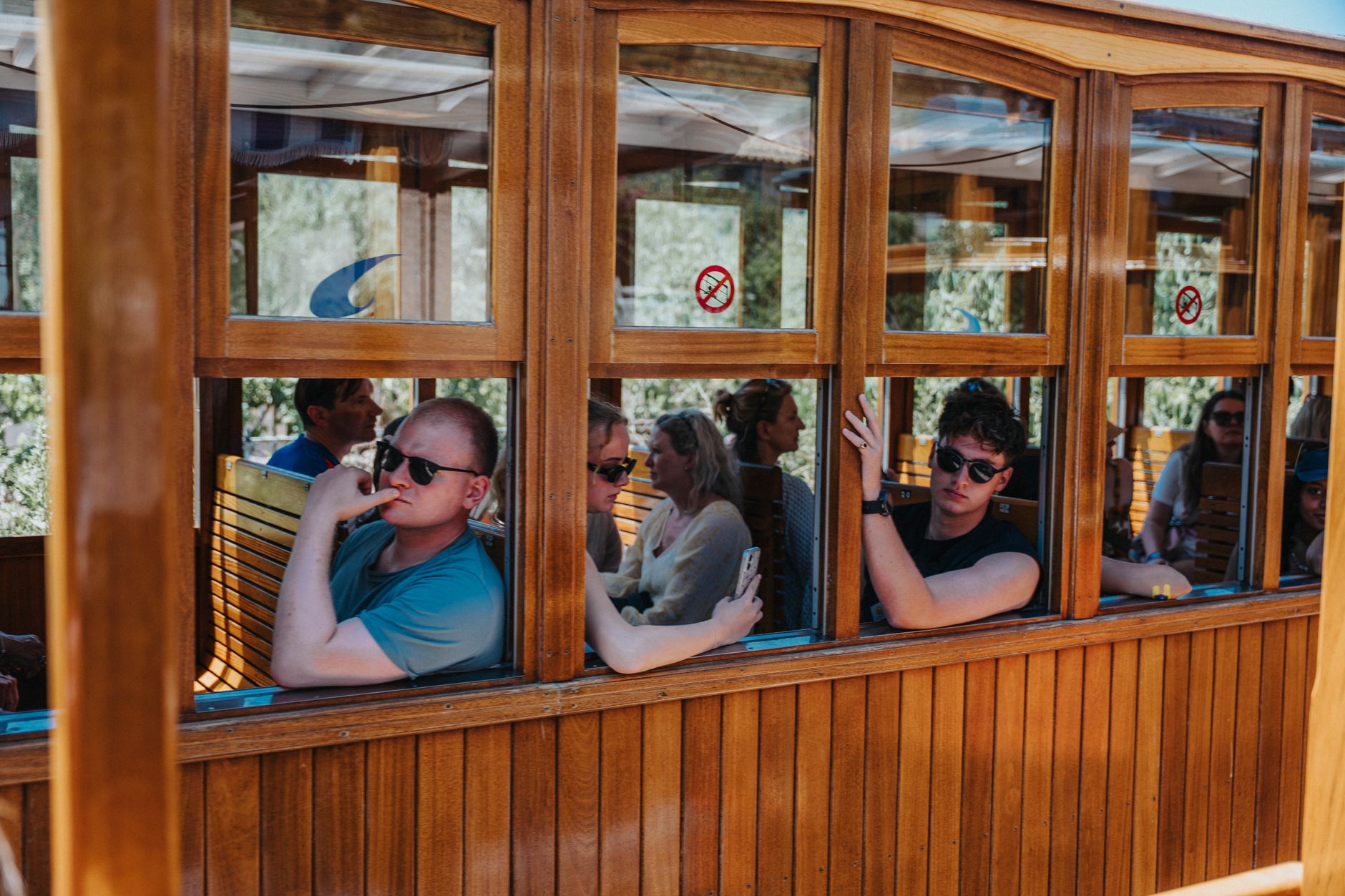
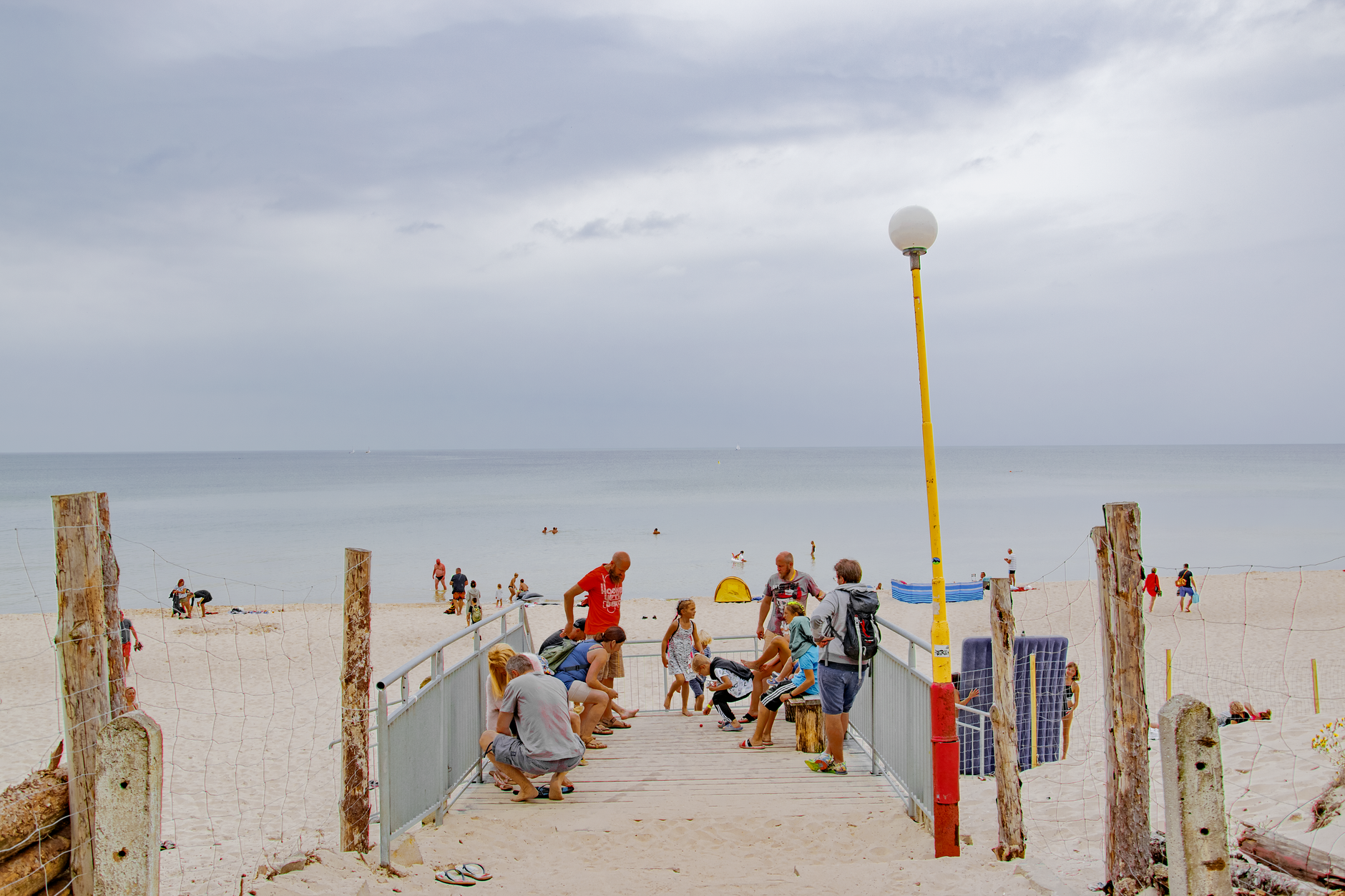

Juist is seventeen kilometres long and barely 500 metres wide — a sliver of dune and beach in the North Sea where the only engines you'll hear belong to the doctor's car or the fire truck. Everyone else moves by horse-drawn carriage, bicycle or foot. The ferry from Norddeich runs to the tide, not the clock, so your arrival time is partly the Wadden Sea's decision.
That enforced slowness is the point. Goods come in by boat or small plane. The police ride bicycles. Waste collection is handled by horse. The island's name likely derives from an old word for sparse or infertile, and there's a honesty to that — Juist doesn't dress itself up.
💛 What travellers fall for
People who come back tend to time the ferry carefully — a missed tide means a longer wait than you'd expect. They also learn quickly that the Hammersee, the large freshwater lake formed by a 17th-century storm flood, is a reliable wind-shelter when the beach turns raw, and that the western Billreef at dusk draws wading birds in numbers that reward patience.
Deals in Juist
Book directly at the provider
How Juist came to be
The island appears in records from 1398, its name probably rooted in a Low German word meaning sparse or infertile. Storm tides in the 17th and 18th centuries were severe enough to cut Juist in two; the southern breach, two kilometres wide, was closed by a dune dike begun around 1770, and the northern damage wasn't fully repaired until 1928. The Hammersee, now the largest freshwater body on the East Frisian Islands, was itself born from the Petriflut storm of 1651.
Juist launched its first seaside resort in 1840, closed it for lack of visitors by 1858, and reopened in 1866 with more lasting success. The Kurhaus — the white four-storey hotel that still anchors the seafront — went up in 1898, the same year a horse-drawn tramway began carrying luggage and guests across the island. That railway ran until 10 March 1982.
Who and what shaped it
People who shaped it
Landmark buildings
See Juist in motion
Plan your visit
On the map
When to go
Summers are mild rather than warm — August averages around 19°C during the day, with cool nights — and the North Sea wind is a constant presence in every season. Outside July to September, expect grey skies and rain at any time; winter temperatures hover around 5–6°C, and the island takes on a stripped-back character that some visitors prefer.
Right now
Background & history adapted from Wikipedia (CC BY-SA) · specs from Wikidata (CC0) · weather from Open-Meteo · map data © OpenStreetMap contributors · photos from Wikimedia Commons / Unsplash with per-image credit. No third-party reviews or social posts reproduced.