
Jocheon
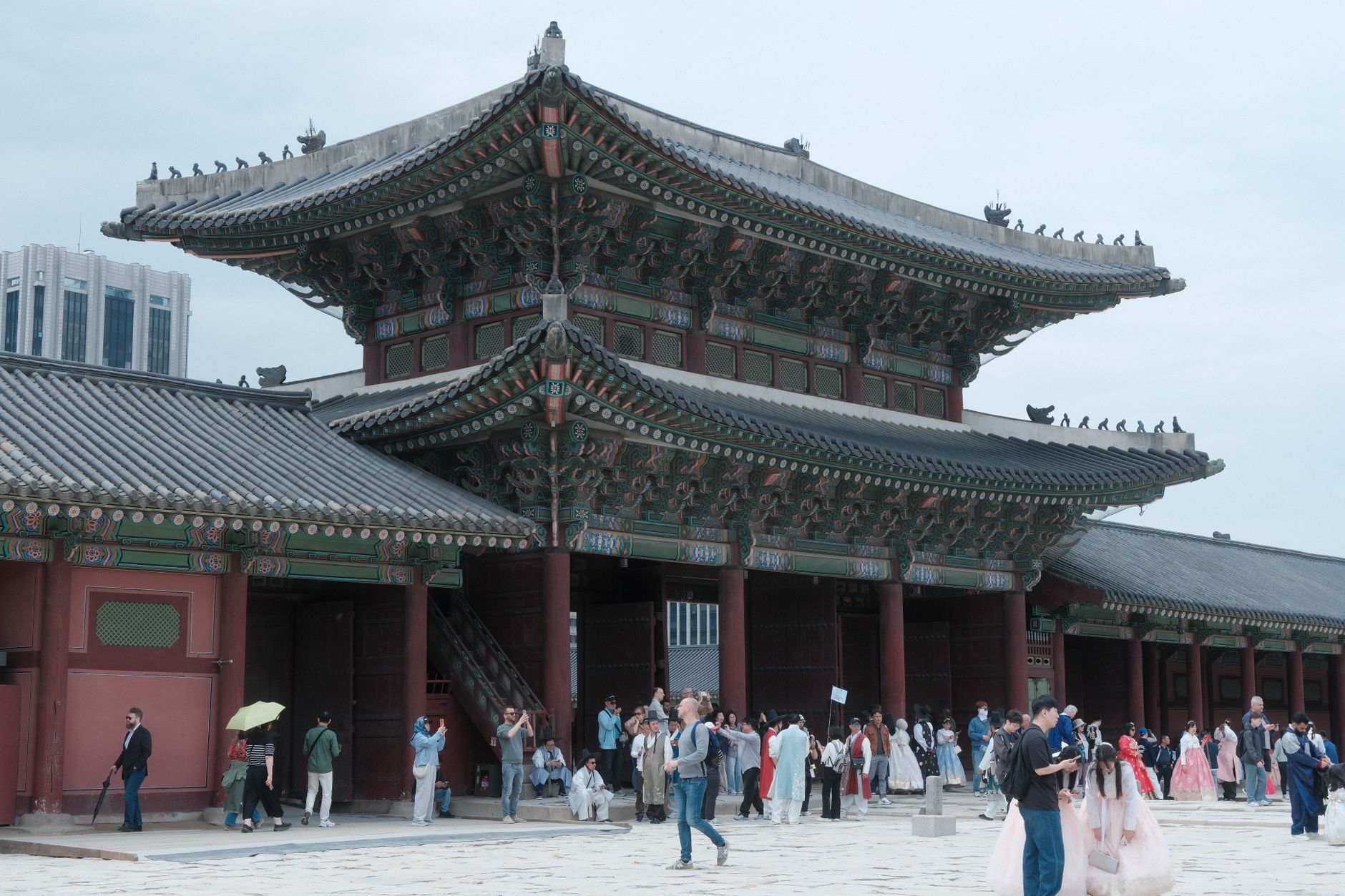

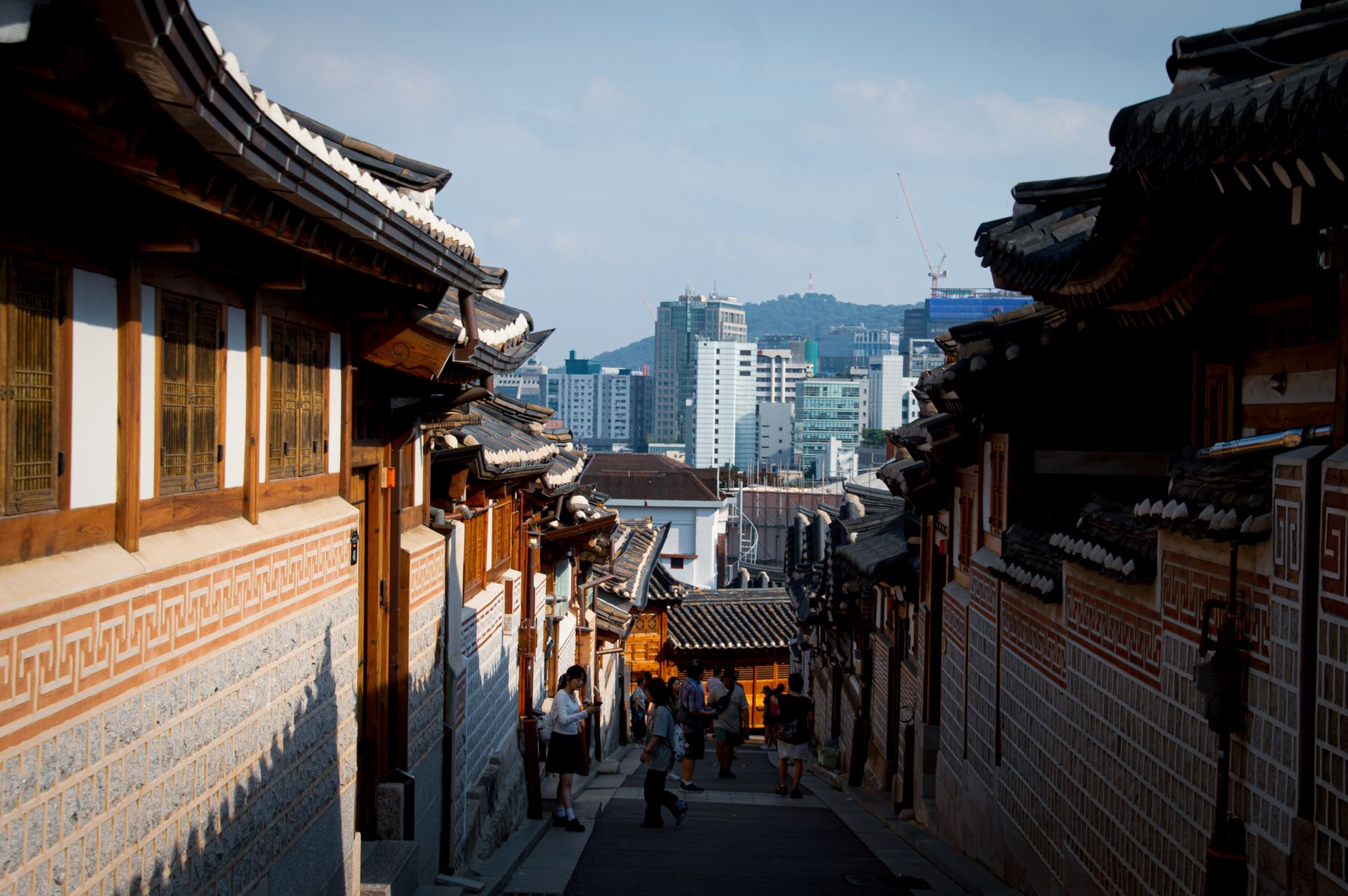
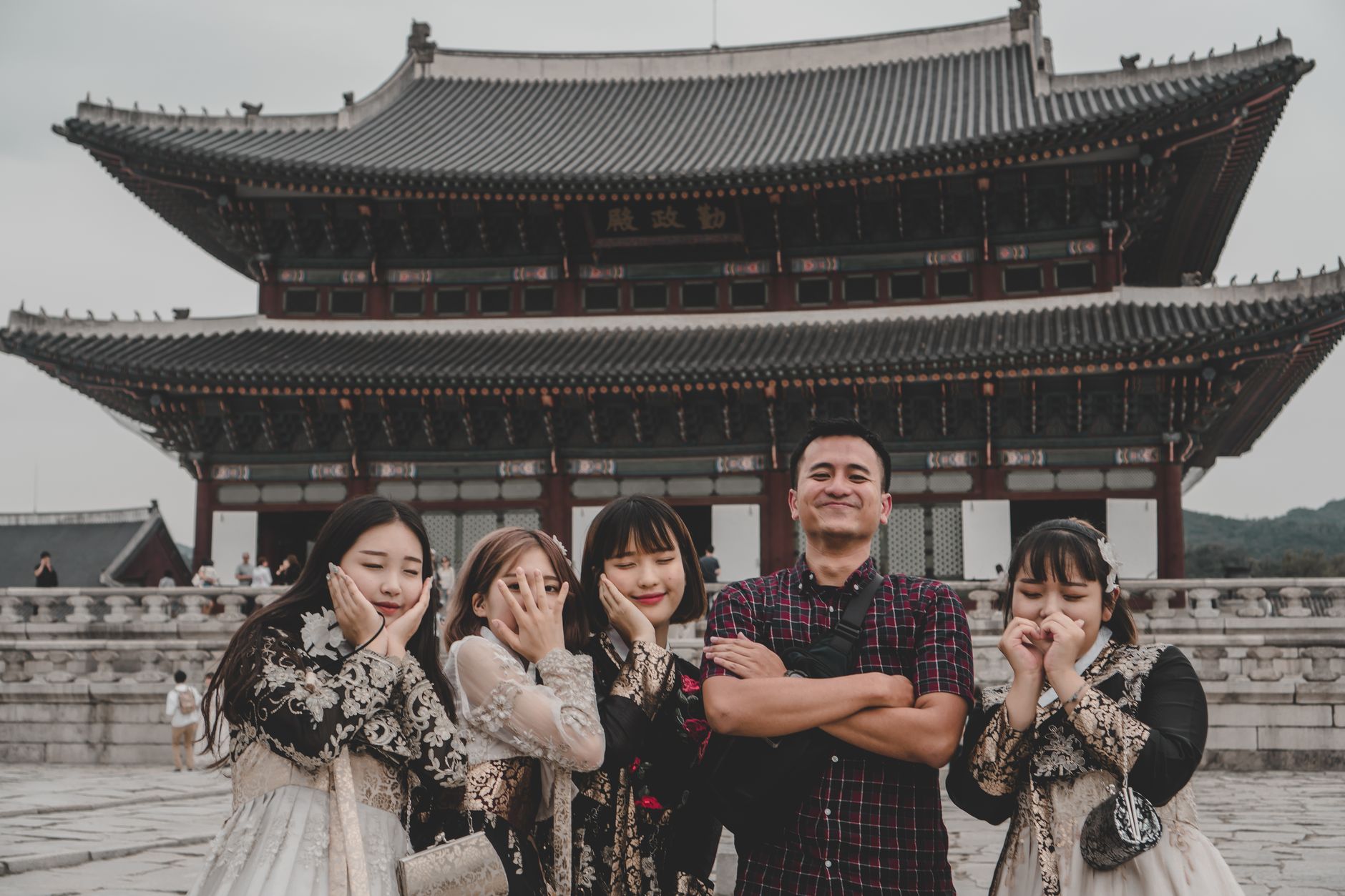

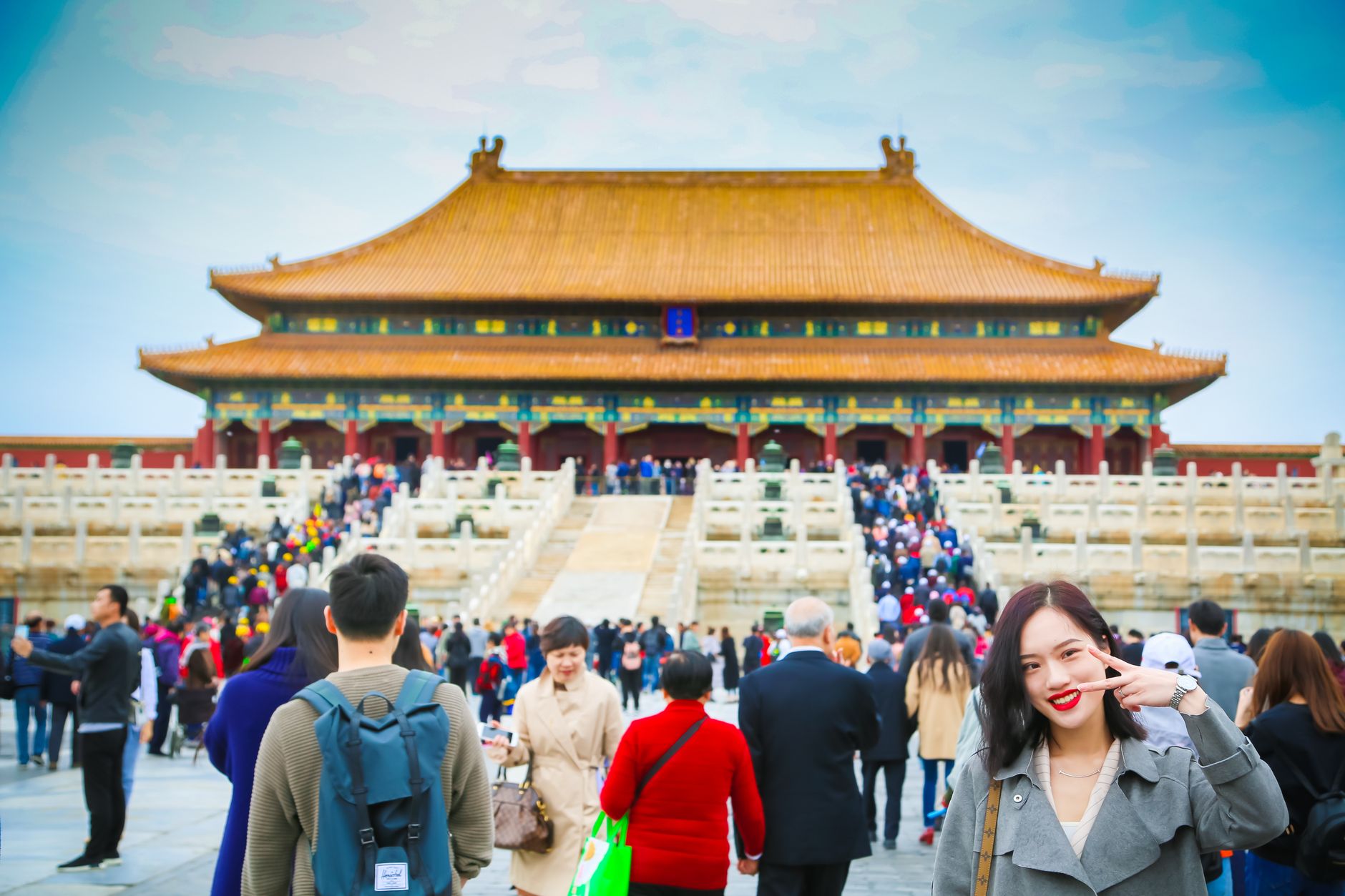
A few kilometres east of Jeju City, Jocheon sits quietly behind Hamdeok Beach — a stretch of pale sand bordered by rocky islets and low hills that locals treat as their own backyard. The town itself is compact and unhurried, the kind of place where a black-pork restaurant and a centuries-old guardian deity tree occupy the same few streets without anyone making a fuss about it.
Jocheon's pull is partly what it isn't: it doesn't perform for visitors. The wind that Jeju islanders call one of their three great abundances — along with stones and women — comes straight off the water here, and the low-slung stone houses with their rope-tied roofs are a reminder that people have been reading that wind for a long time.
💛 What travellers fall for
People who come back tend to time it for October, when the air is dry and the hills behind Hamdeok are the colour of rust. They skip the theme parks and go straight to Jeju Stone Park on a weekday morning, when the stone formations and shamanic mythology displays get the quiet they deserve. And they always eat the black pork.
Deals in Jocheon
Book directly at the provider


How Jocheon came to be
Jocheon has the bones of a place that has long punched above its size. Its most significant modern chapter came during the Japanese colonial period, when it became the site of one of Jeju's representative independence movements — a local act of resistance that placed this small coastal town in the broader story of Korean self-determination.
Administratively, Jocheon myeon was elevated to township status on April 1, 1986, a formal recognition of growth that had been building for decades. The Dangsannamu — the village guardian deity tree at the centre of Jocheon-eup — is a quieter kind of history, marking the spiritual geography that Jeju's communities have organised themselves around for generations.
Who and what shaped it
Landmark buildings
See Jocheon in motion
Plan your visit
On the map
When to go
October is the easiest month to be here: mild temperatures around 15–21°C, low humidity, and the wind more bracing than punishing. Summer (July–August) brings serious rainfall — sometimes over 400 mm in a single month — and the real possibility of typhoons; spring arrives gently, with temperatures climbing from around 13°C in March toward a comfortable 22°C by May.
Right now
Background & history adapted from Wikipedia (CC BY-SA) · specs from Wikidata (CC0) · weather from Open-Meteo · map data © OpenStreetMap contributors · photos from Wikimedia Commons / Unsplash with per-image credit. No third-party reviews or social posts reproduced.