
Iquitos
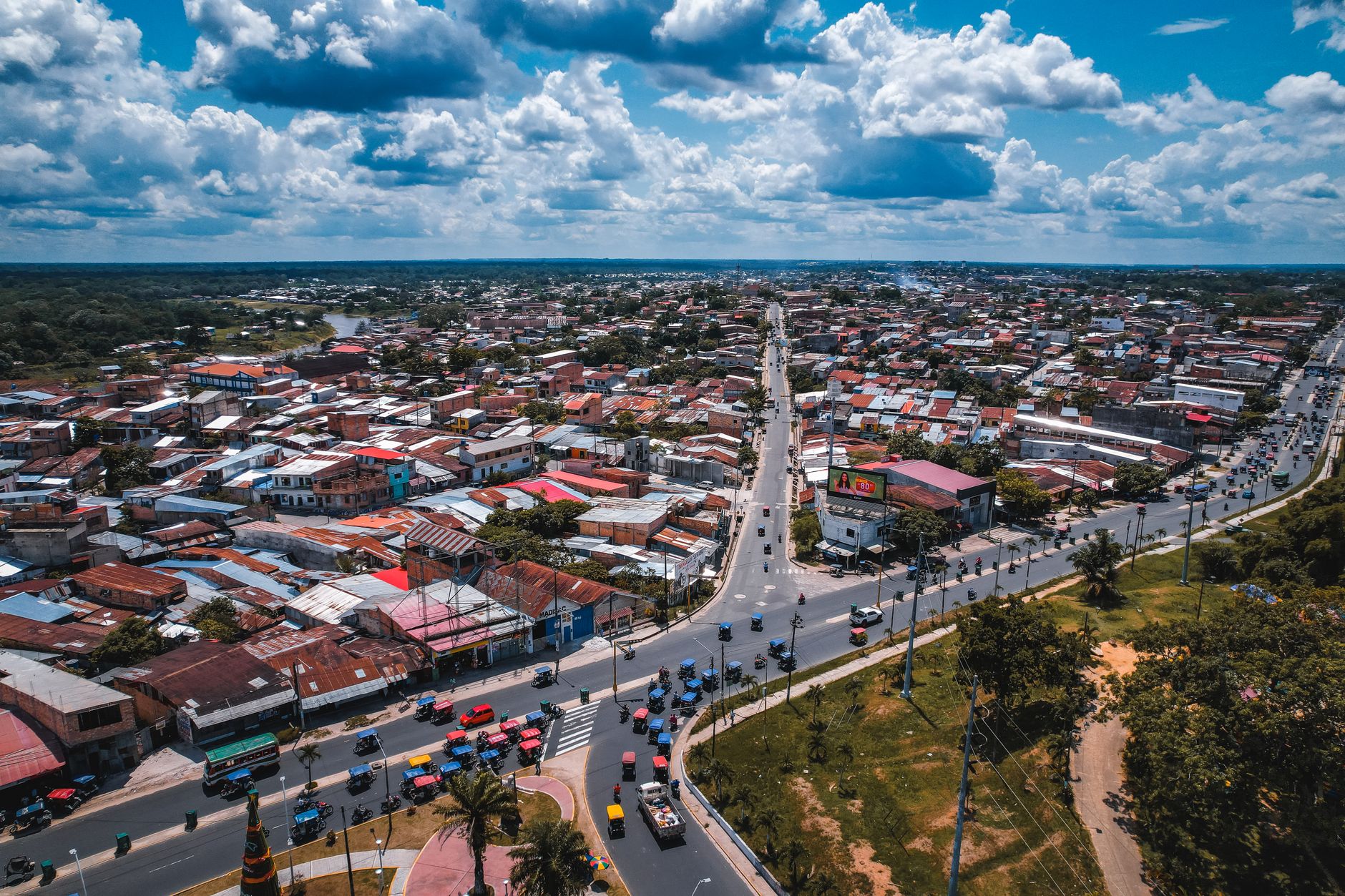
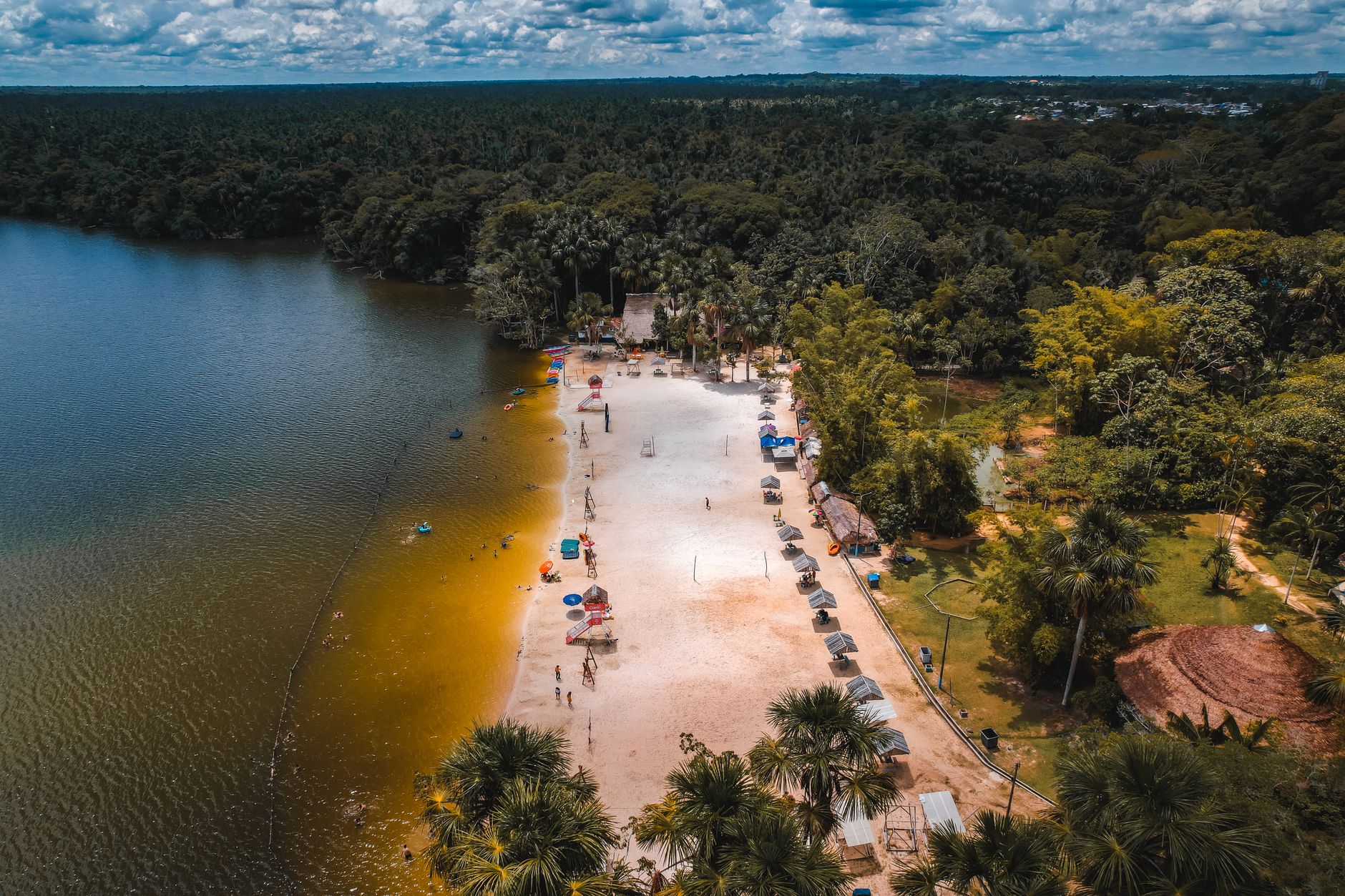
Iquitos is the largest city on earth with no road connecting it to the outside world. You arrive by river or by air, and that fact alone shapes everything — the pace, the economy, the particular self-sufficiency of the place. The Amazon runs the show here, and the city knows it.
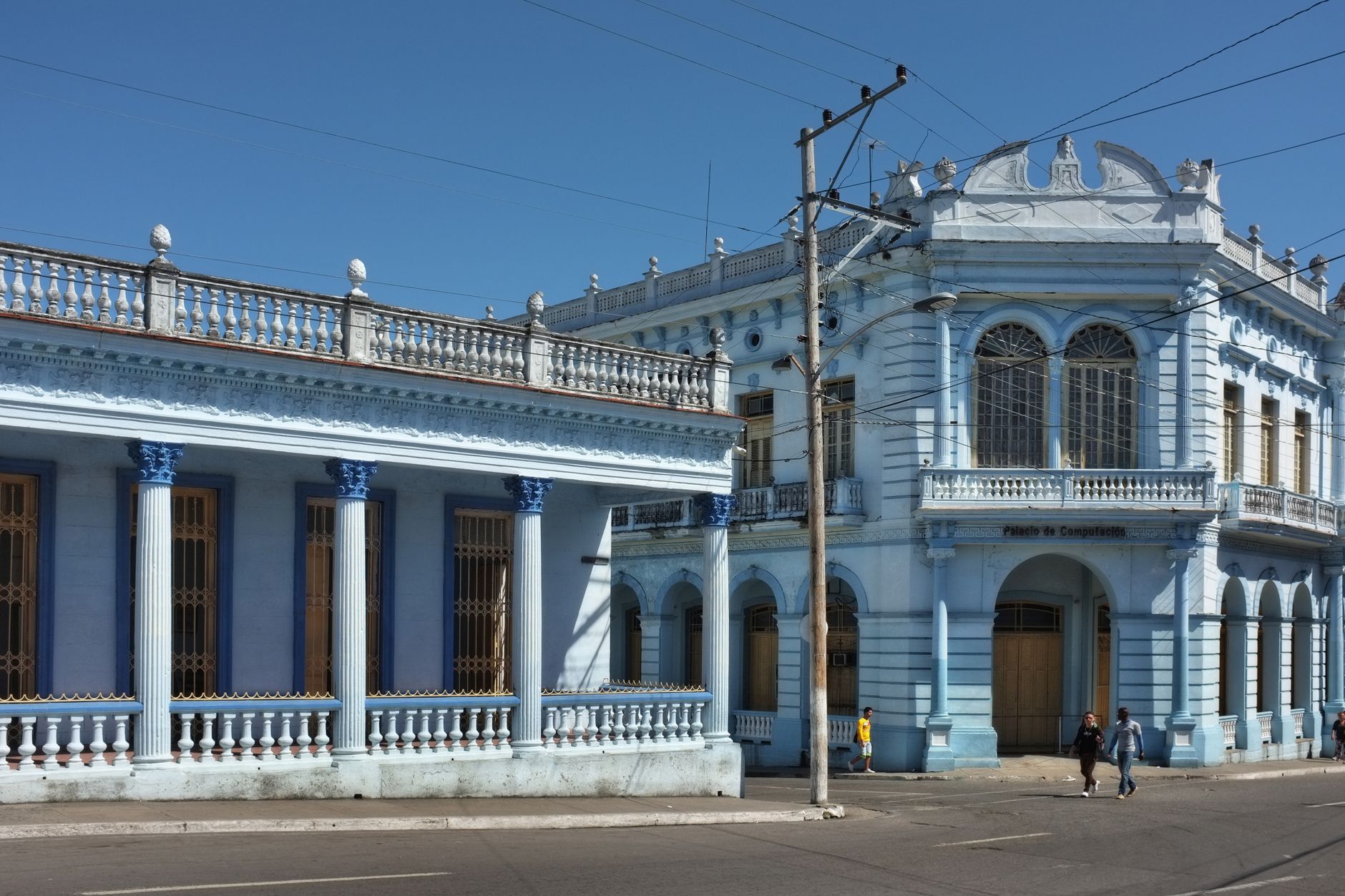
Along the Malecón, eight restored blocks of promenade overlook the river where rubber-boom mansions still stand, their facades tiled in ceramics shipped from Italy and Portugal a century ago. Motocarros buzz through the streets in lieu of taxis, fares settled by conversation before you climb in.
💛 What travellers fall for
People who return to Iquitos tend to mention the same few things: negotiate your motocarro fare before you sit down, not after. Spend time on the banks of the Itaya River where the Ayapua sits — the restored 1906 Hamburg-built riverboat repays a slow look. And find the Casa de Fierro at dusk, when the iron panels catch the last light.
Deals in Iquitos
Book directly at the provider

How Iquitos came to be
The city began in the 1750s as a Jesuit mission among the Iquitos people. It remained a modest settlement until 5 January 1864, when three Peruvian Navy steamships arrived and the government established its first fluvial port here. By 1897 it was designated capital of the Department of Loreto.
Then rubber changed everything. From around 1,500 residents in the 1870s, the population surged to roughly 20,000 by the 1880s as fortune-seekers arrived from across the world. Rubber barons like Carlos Fitzcarrald and Julio César Arana — the latter serving as mayor from 1902 to 1903 — built the fortunes and the buildings that still define the city's centre. The boom collapsed in 1912 when British entrepreneurs established competing plantations abroad using seeds taken from the Amazon.
Who and what shaped it
People who shaped it
Landmark buildings
See Iquitos in motion
Plan your visit
On the map
When to go
Iquitos sits in the equatorial Amazon and is warm and humid year-round, with temperatures typically between 23–33°C. Rain can fall in any month, but the wettest period runs roughly November through April; June through September tends to be drier and slightly more comfortable for walking the streets.
Right now
Background & history adapted from Wikipedia (CC BY-SA) · specs from Wikidata (CC0) · weather from Open-Meteo · map data © OpenStreetMap contributors · photos from Wikimedia Commons / Unsplash with per-image credit. No third-party reviews or social posts reproduced.