
Iquique
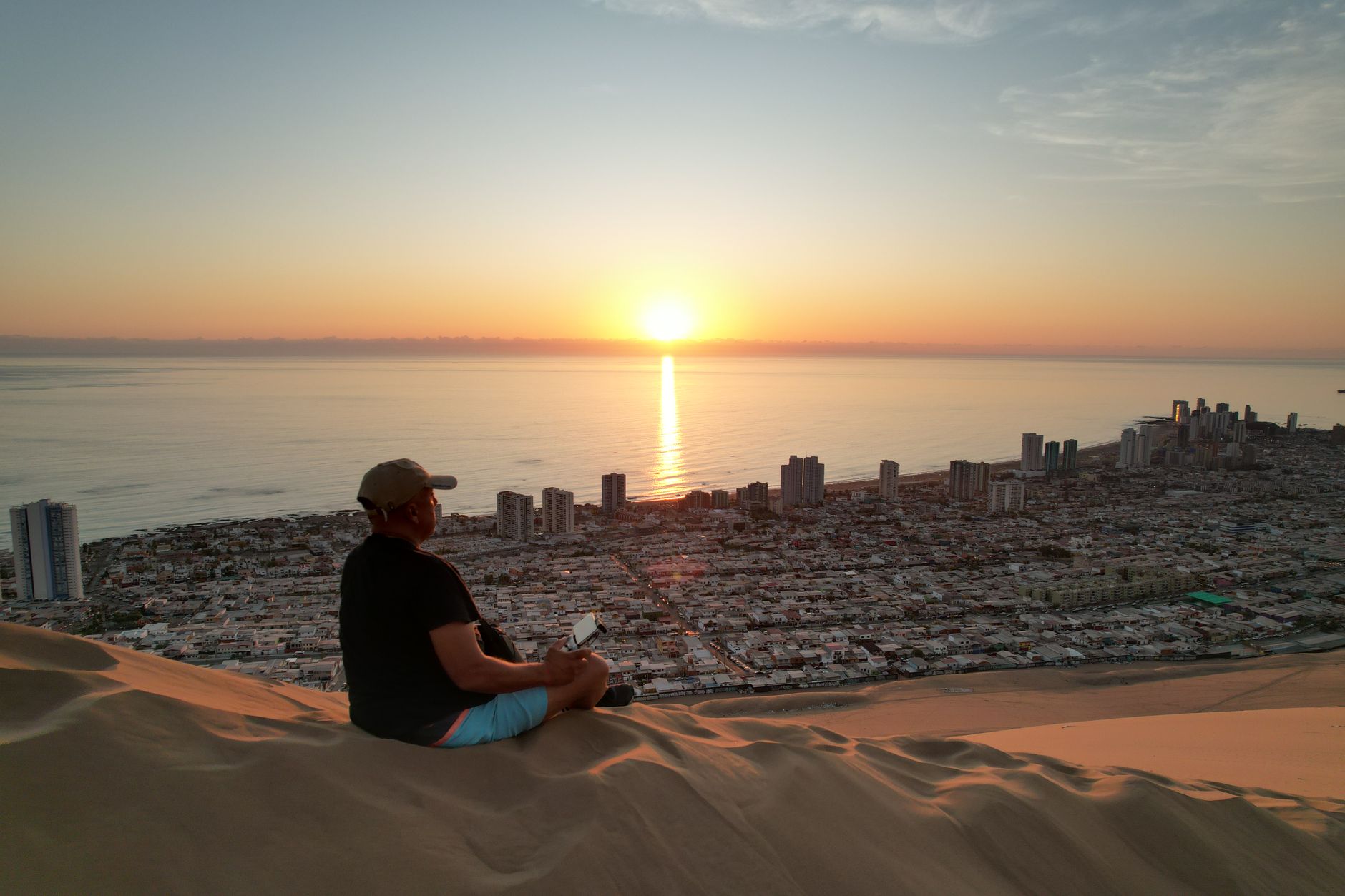
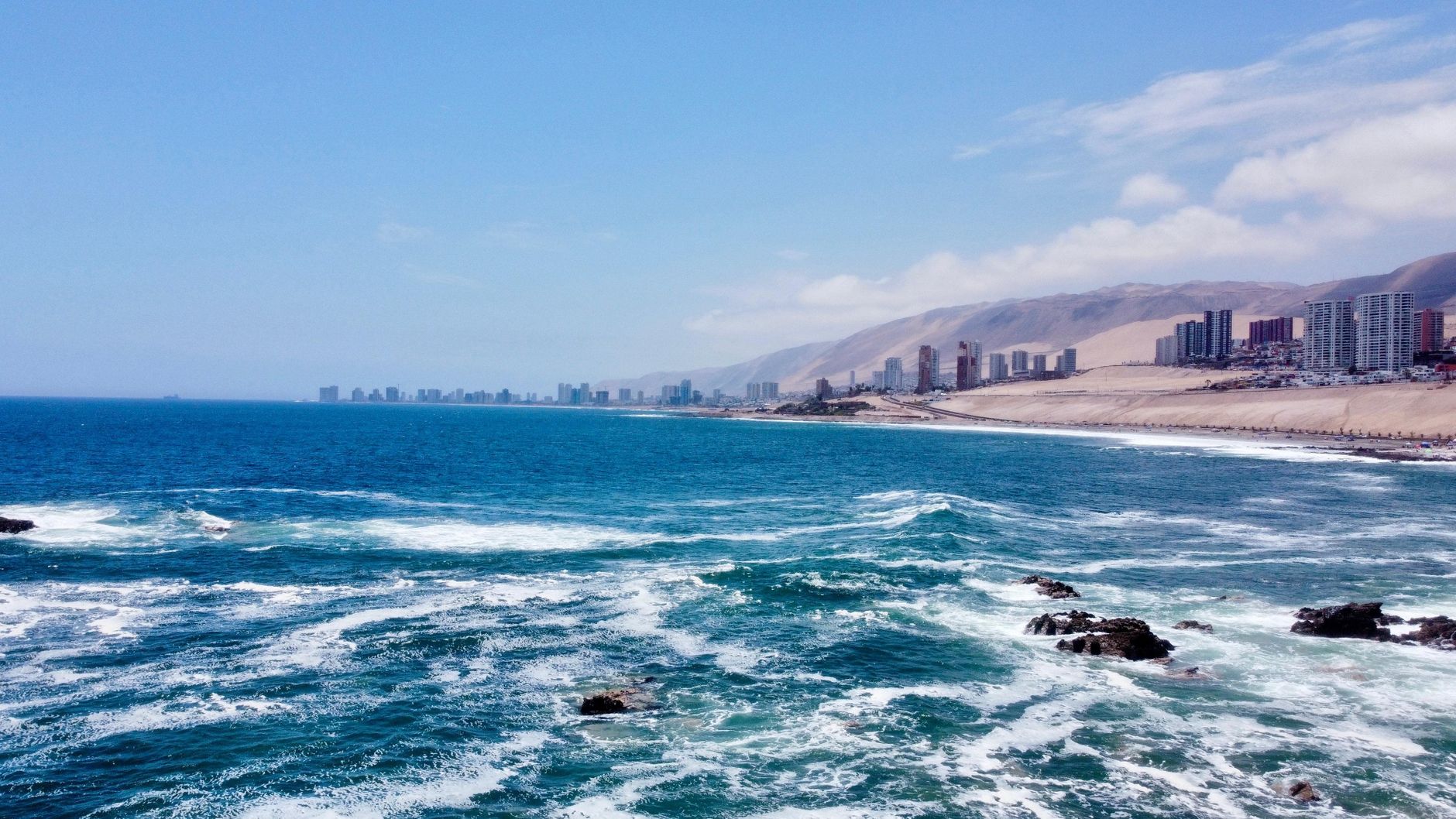
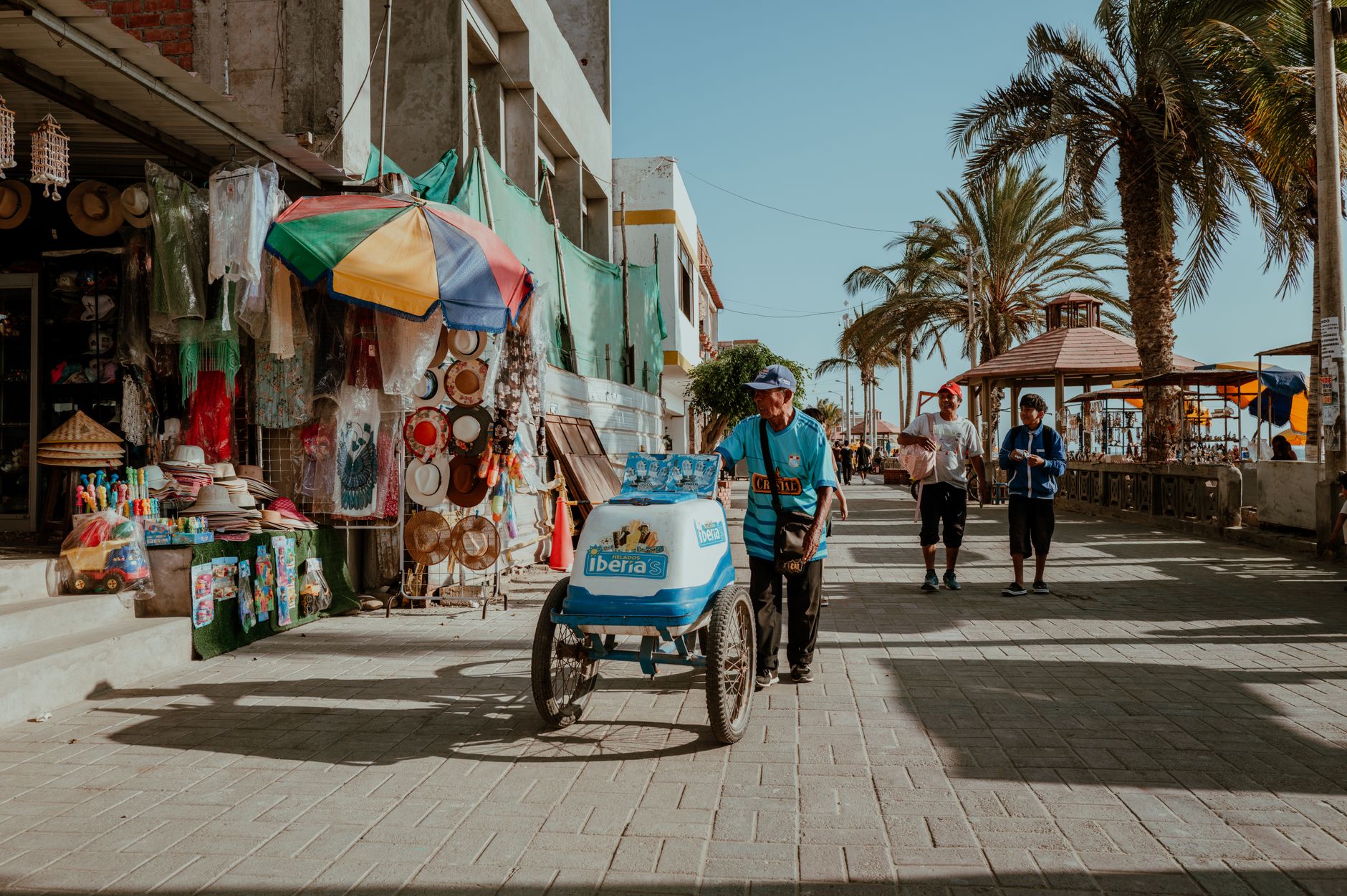
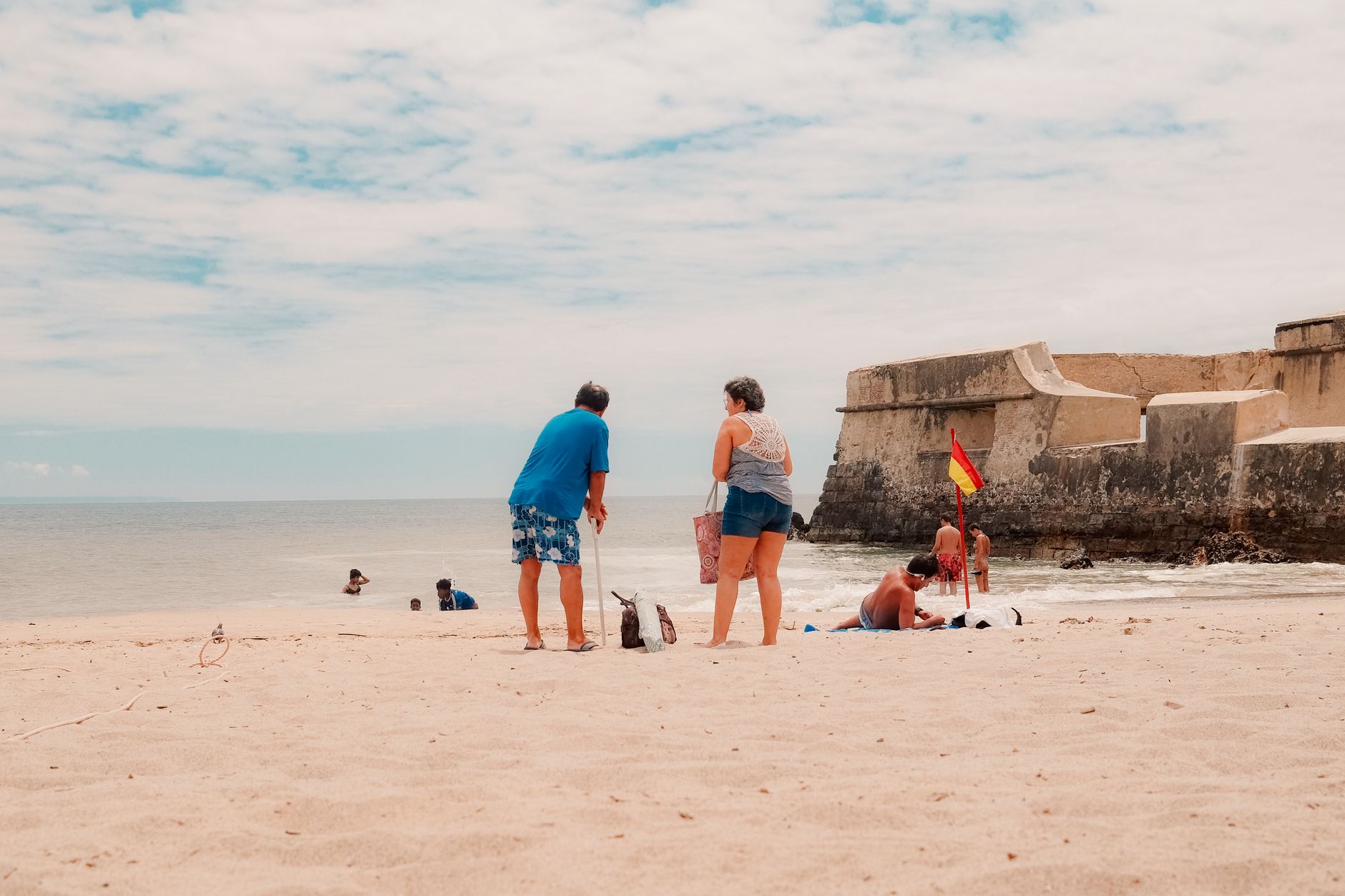
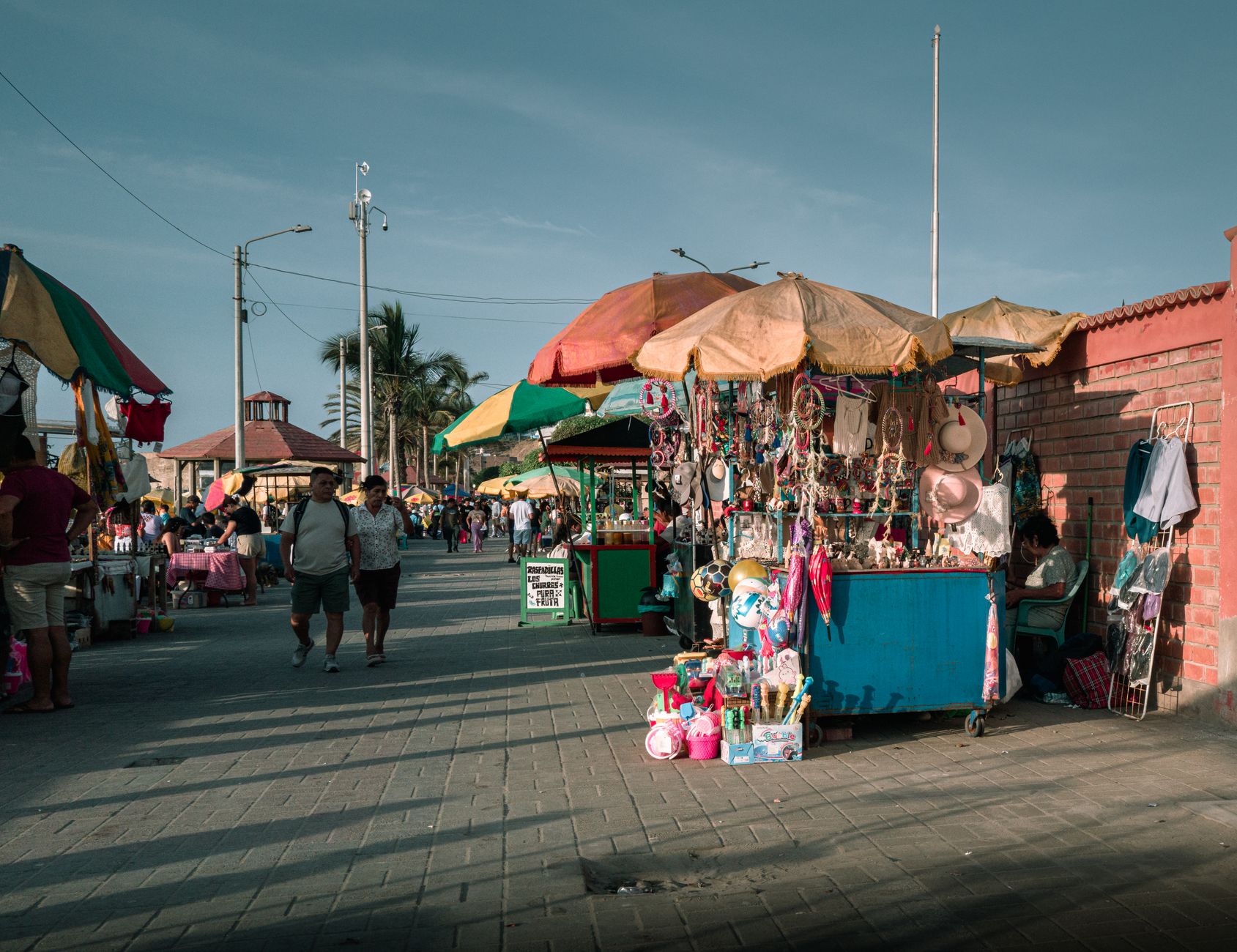
Iquique sits on a narrow shelf of Pacific coast with the Atacama at its back and the ocean at its feet — a city that once smelled of saltpetre money and still carries the architecture to prove it. The wooden mansions along Paseo Baquedano, built by English and American families between 1880 and 1920, stand in a dry air so reliably rainless that Oregon pine has survived here for over a century without rotting.
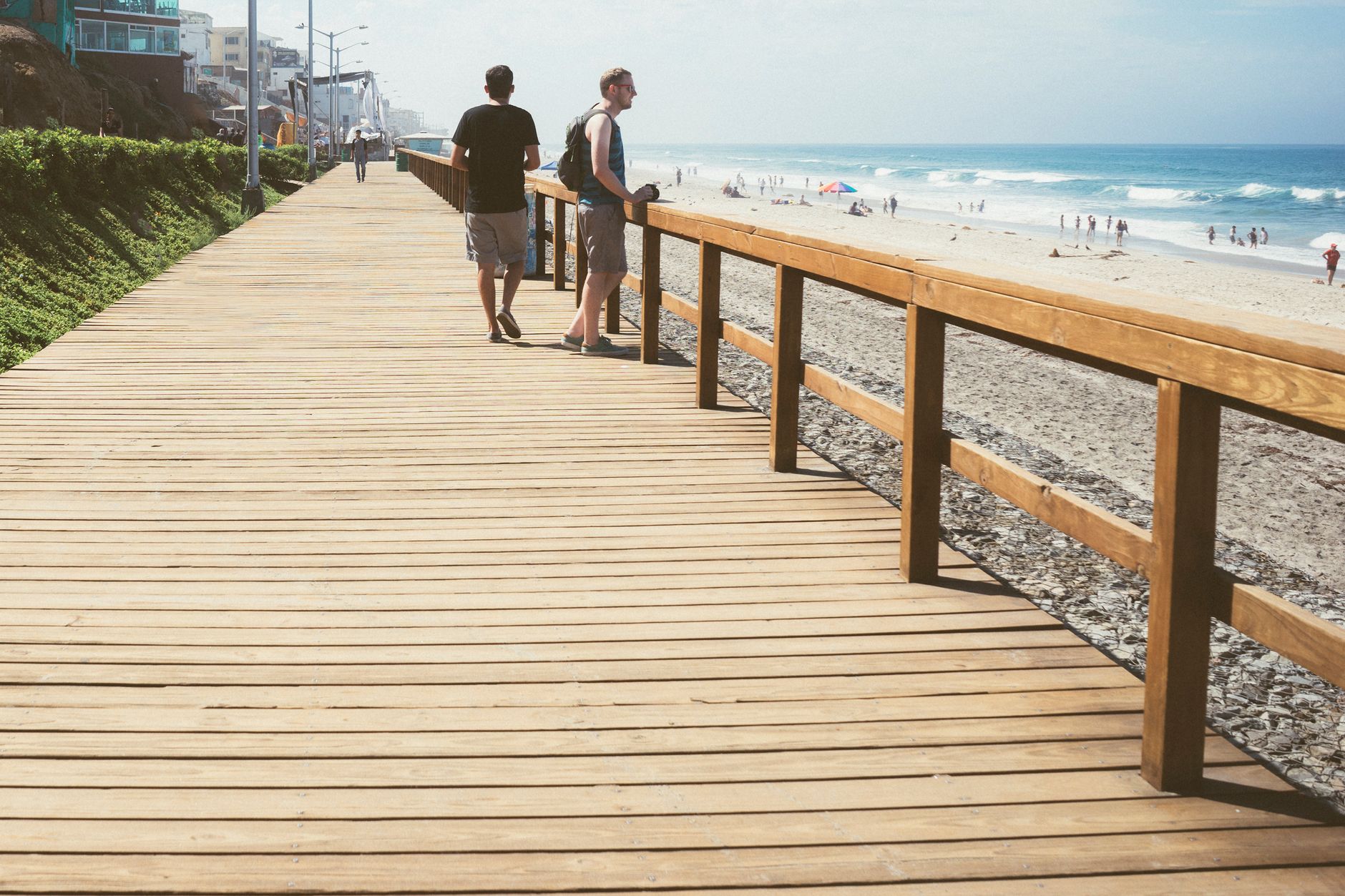
Today Iquique is one of Chile's two free ports, which explains the steady traffic and the commerce, but the historic core moves at its own pace. A wooden tram rolls down Baquedano, the beach at Cavancha is minutes from the clock tower, and the Museo Regional on that same street opens a window onto 10,000 years of human life in this corner of the world — for free.
💛 What travellers fall for
People who come back tend to time a morning at the Museo Regional before the tour groups arrive, then walk the length of Baquedano slowly enough to read the buildings. Playa Cavancha, they'll tell you, is best in the afternoon when the coastal fog has burned off and the water turns a particular shade of cold blue.
Deals in Iquique
Book directly at the provider


How Iquique came to be
The Chango people were living along this coast as far back as 7,000 BC, and the name Iquique itself comes from the Aymara — 'Iki Iki,' land of dreams. The city the Spanish founded in the 16th century remained a modest place until the 19th century, when saltpetre extracted from the Atacama turned it into one of the wealthiest ports on the continent. It was still Peruvian territory when the War of the Pacific broke out; the Battle of Iquique was fought in its harbor on May 21, 1879, a date now marked every year as Chilean Navy Day.
Chile took the city in 1883, and the nitrate boom built the mansions and the clock tower that still define the centro. But the era ended in blood: in December 1907, the Chilean Army opened fire on striking saltpetre miners and their families gathered at the Santa María School. Estimates of the dead range from 500 to 2,000. The school, the date, and the names of the workers are not forgotten here.
Who and what shaped it
People who shaped it
Landmark buildings
See Iquique in motion
Plan your visit
On the map
When to go
Iquique is among the driest cities on Earth — rain is a rare event year-round. Summers (December through March) are warm and clear; winters (June through September) bring cool temperatures, morning fogs and overcast skies that can linger into the afternoon.
Right now
Background & history adapted from Wikipedia (CC BY-SA) · specs from Wikidata (CC0) · weather from Open-Meteo · map data © OpenStreetMap contributors · photos from Wikimedia Commons / Unsplash with per-image credit. No third-party reviews or social posts reproduced.