
Immenstadt im Allgäu
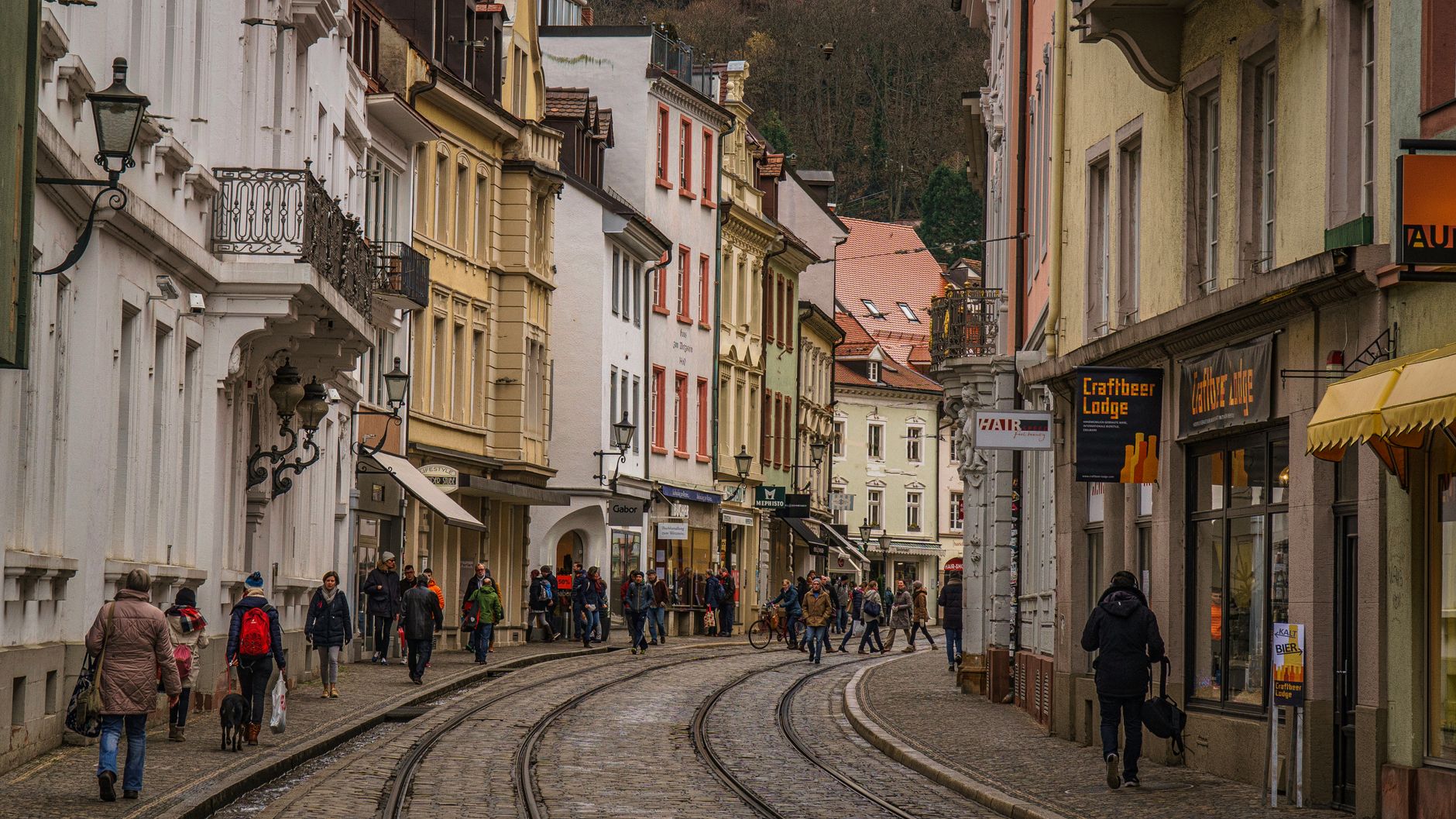
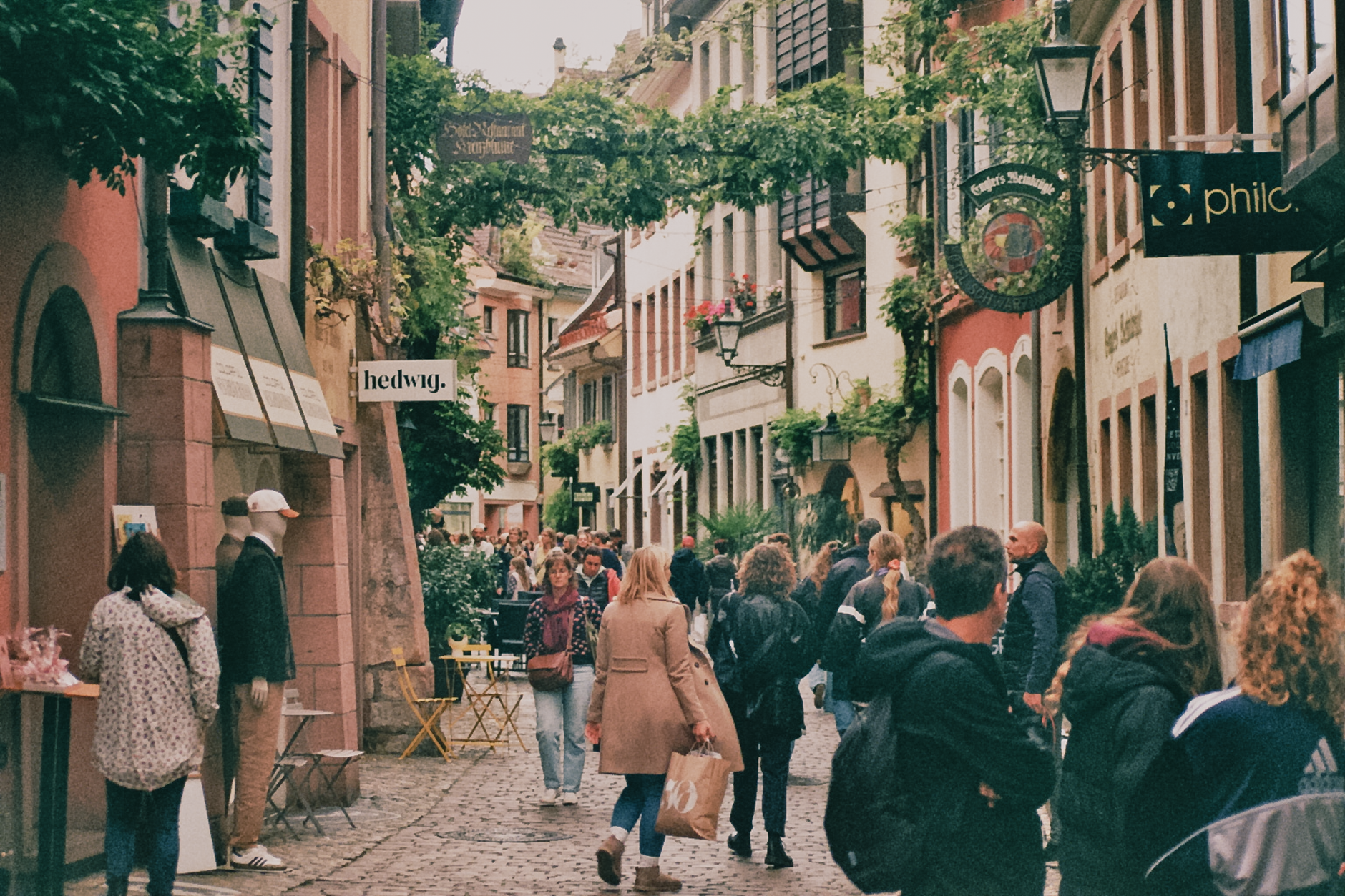


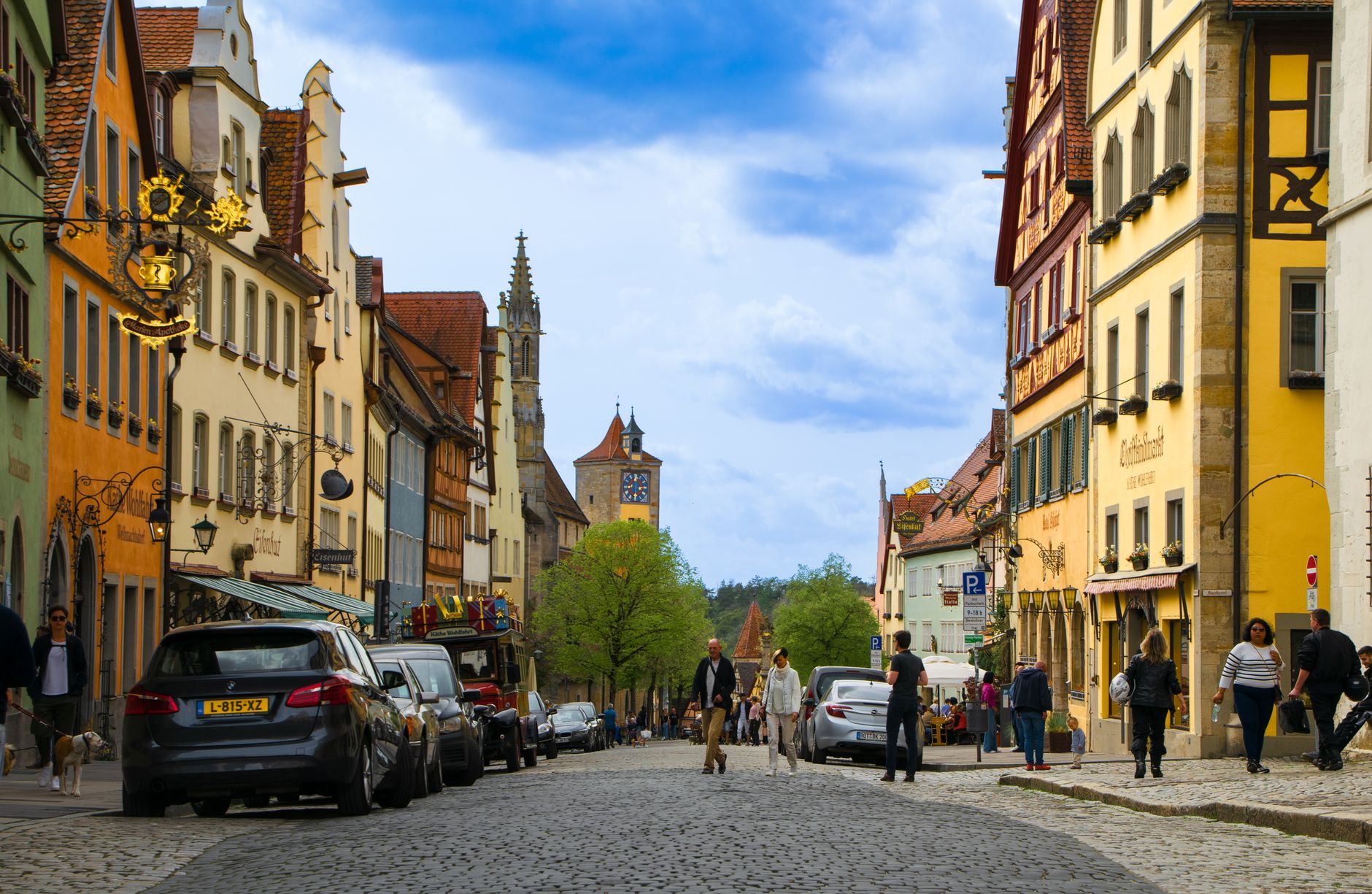
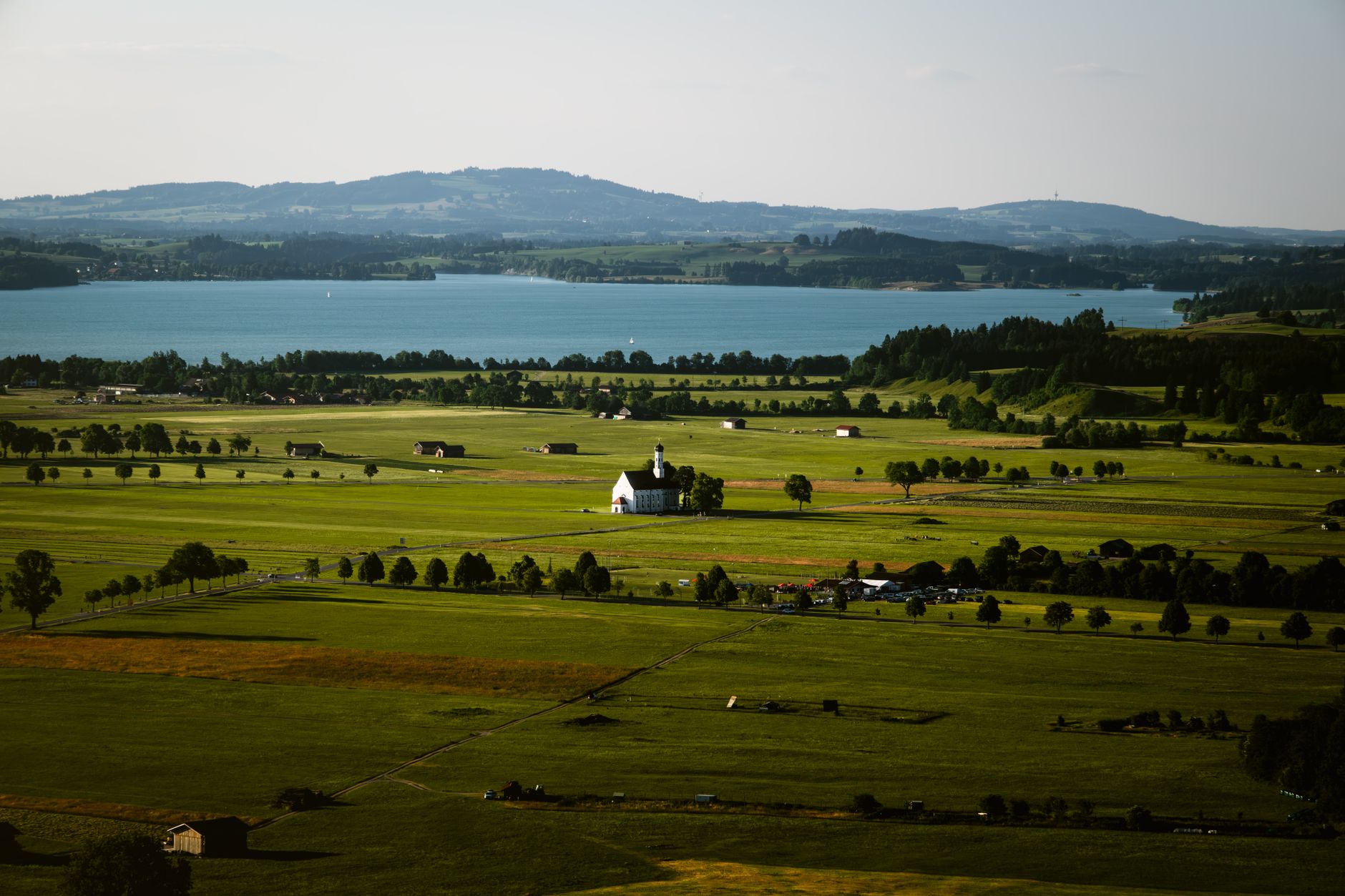
Immenstadt sits at the eastern end of the Großer Alpsee, a clear, cold lake that reflects the Allgäu Alps with unsettling precision on still mornings. The town is compact — the train station is barely a hundred metres from the old centre — and the baroque townscape around Marienplatz, built when the Counts of Königsegg-Rothenfels ran things from their castle here, gives it a quiet architectural coherence that larger Allgäu towns sometimes lack.
Scattered through the centre, small sculptures mark the trades that shaped the place: brewing, alpine farming, the rhythms of a mountain market town. The Alpsee Bergwelt park above town draws families to a 2.8-kilometre toboggan run, but the older pull is simpler — the lake, the 11-kilometre loop up through forest to Gschwender Alm, and the particular light of a summer evening at 729 metres.
💛 What travellers fall for
People who come back tend to mention the same morning: coffee somewhere near Marienplatz, then the walk west to the Alpsee before the day-trippers arrive. The water is oligotrophic — genuinely clear, the kind you can see through to the bottom — and the swim before 9am, with the Allgäu ridgeline still in shadow, is worth building a whole itinerary around.
Deals in Immenstadt im Allgäu
Book directly at the provider
How Immenstadt im Allgäu came to be
The settlement appears in the documentary record in 1275, in a diocesan survey compiled by Konstanz. It was still called Immendorf when Emperor Charles IV granted it town privileges in 1360, renaming it Immenstadt — a town of around 135 people at that point. The Thirty Years' War was catastrophic: plague killed nearly 70 per cent of the population between 1618 and 1648, and the German Peasants' War of 1525 had already left its mark a century earlier.
From 1663 the Counts of Königsegg-Rothenfels developed the town as a small residence seat, commissioning the baroque townhall, church of St. Josef, and castle that still anchor the centre. Major fires in 1805 and 1844 reshaped parts of it, and the railway arrived in the 1850s, bringing the first factory shortly after. The counts' formal role ended with the administrative changes of 1804; six surrounding villages were folded into the municipality in the 1972 reform.
Who and what shaped it
Landmark buildings
See Immenstadt im Allgäu in motion
Plan your visit
On the map
When to go
Summers are mild rather than warm — highs around 20°C in July, with the best sunshine of the year but also the heaviest rain, particularly in June. Winters are proper Alpine: temperatures regularly dip to −5°C, snow accumulates from November through March, and December offers little more than an hour and a half of sunlight a day.
Right now
Background & history adapted from Wikipedia (CC BY-SA) · specs from Wikidata (CC0) · weather from Open-Meteo · map data © OpenStreetMap contributors · photos from Wikimedia Commons / Unsplash with per-image credit. No third-party reviews or social posts reproduced.