
Howick

Howick keeps its age quietly. All Saints' Church has stood on its corner since 1847 — Auckland's oldest church, the second-oldest wooden church in New Zealand — and on a weekday morning it barely announces itself. The suburb running east from the Manukau Harbour is compact (just over three square kilometres), but it carries more than its share of colonial-era timber and stone, most of it still in use.
The story here is the Fencibles: retired British soldiers who arrived on ships like the Minerva in November 1847, offered a cottage and an acre of land in exchange for seven years of frontier service. That founding bargain shaped the streetscape you walk through today.
💛 What travellers fall for
People who come back tend to make the Half Moon Bay ferry part of the plan — 30-odd minutes across the water to the city, and you skip the motorway entirely. They also know to check Uxbridge's programme before they visit; the arts centre pulls in a surprising range of exhibitions for a suburb this size, and timing your trip around an opening makes the evening.
Deals in Howick
Book directly at the provider

How Howick came to be
On 15 November 1847, the sailing ship Minerva put in at Owairoa — what is now Howick Beach — carrying the first contingent of Fencible soldiers. These were retired British Army men, recruited under a scheme approved by Lord Howick, 3rd Earl Grey, Secretary of State for the Colonies, after whom the settlement was named. Between 1847 and 1852 more ships followed, and a village took shape around the deal: a cottage, an acre, and seven years of readiness against any threat moving overland or by canoe from the Firth of Thames.
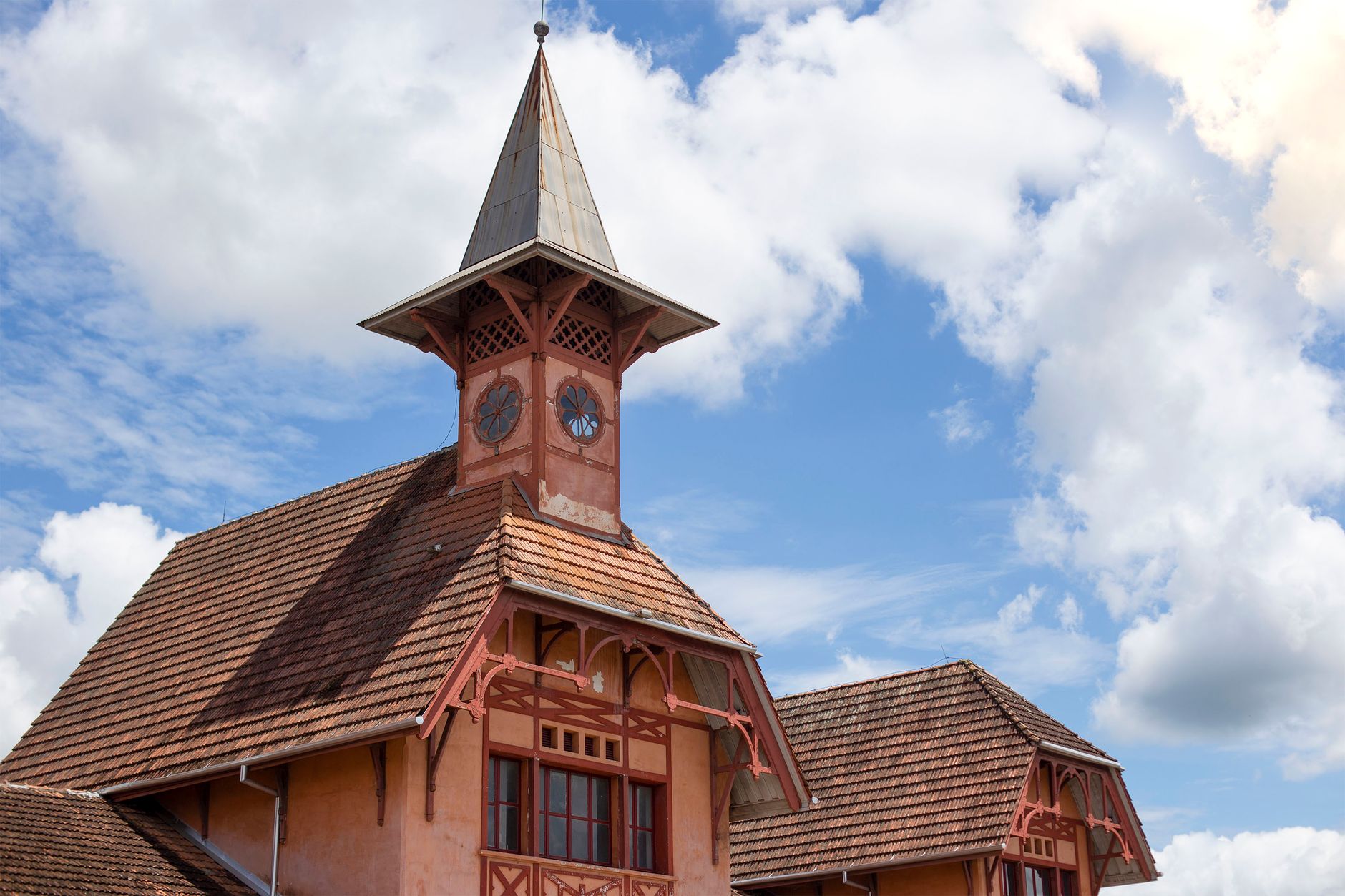
The Fencible era left buildings that still stand — All Saints' Church and Shamrock Cottage both date to 1847. The village grew into a town district by 1921, a borough by 1952, and was absorbed first into Manukau City in 1989, then into the unified Auckland Council in 2010. The Howick Historical Village, opened in 1980 on Bells Road in Lloyd Elsmore Park, now gathers over 33 historic structures across seven acres — the most tangible record of what those first arrivals actually built.
Who and what shaped it
People who shaped it
Landmark buildings
See Howick in motion
Plan your visit
On the map
When to go
Howick's temperate maritime climate means mild conditions most of the year, with no dramatic seasonal extremes. Summer (December–February) is warm and settled — the better season for the Historical Village grounds — while winter stays cool rather than cold, with enough rain to keep the grass green.
Right now
Background & history adapted from Wikipedia (CC BY-SA) · specs from Wikidata (CC0) · weather from Open-Meteo · map data © OpenStreetMap contributors · photos from Wikimedia Commons / Unsplash with per-image credit. No third-party reviews or social posts reproduced.