
Hoorn
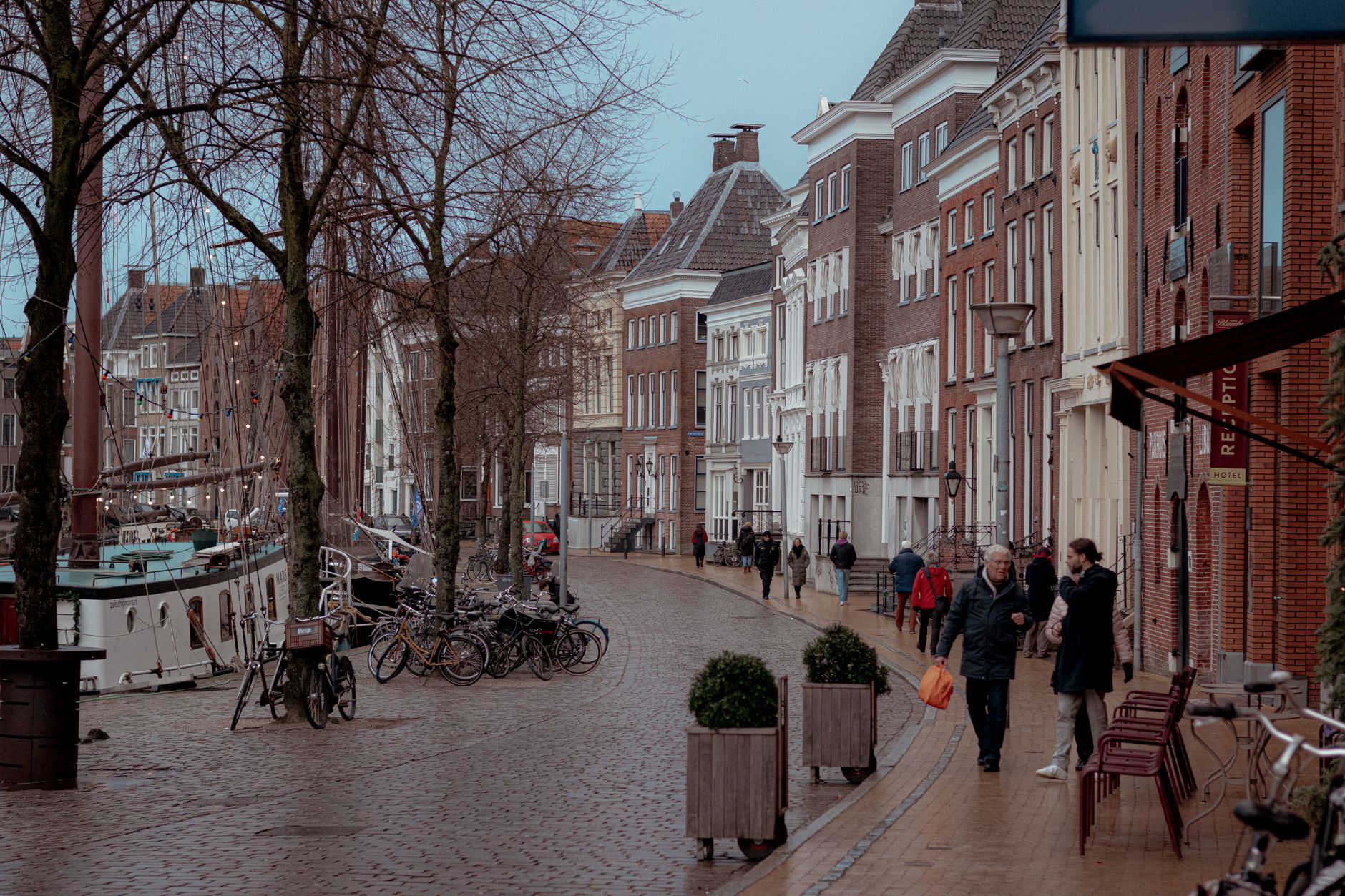

Stand on the Roode Steen and the square tells you everything at once: a 1609 weighhouse by Hendrick de Keyser, a town hall that predates Columbus, and a bronze statue of Jan Pieterszoon Coen staring out with the untroubled confidence of a man who never doubted himself. Hoorn built its fortune on the VOC's spice trade and sent ships to the far edge of the known world — one of them rounded a cape in 1616 that still carries the town's name.
Thirty-five minutes by train from Amsterdam Central, Hoorn has the unhurried pace of a place that stopped competing with its neighbour centuries ago and made peace with it. The harbour is quiet now, the Zuiderzee long since closed off, but the 17th-century waterfront reads like a stage set that nobody ever bothered to take down.
💛 What travellers fall for
People who come back tend to linger at the Bossuhuizen on Slapershaven — three 17th-century houses whose façades run like a comic strip in stone. They also learn to check the Westfries Museum's hours before making the trip: it opens at 13:00 on weekends, which makes a late-morning train the right call.
Deals in Hoorn
Book directly at the provider

How Hoorn came to be
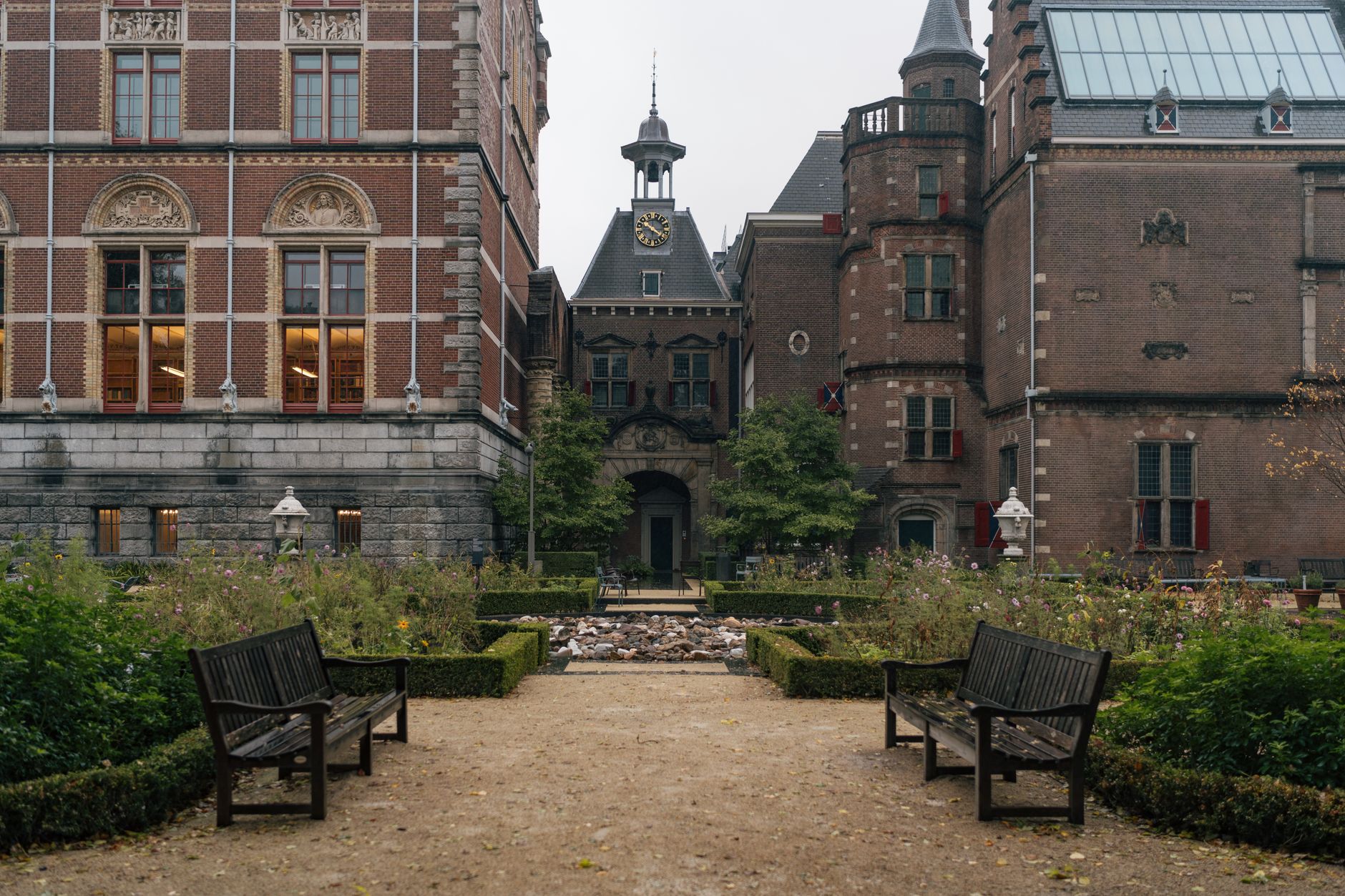
Hoorn began around 1300 as a small settlement outside the dykes at the mouth of the Gouw river. City rights came in 1357, and by the Dutch Golden Age it had grown into one of the six VOC chamber cities — a place where fortunes arrived by ship and were weighed, taxed and argued over on the Roode Steen. The Hoofdtoren, built in 1532, watched over the harbour entrance; the Waag went up in 1609; the Statencollege followed in 1632. It was a compact, self-assured city.
The decline was gradual. Amsterdam pulled trade, influence and people southward. The Afsluitdijk closed the Zuiderzee in 1932, ending Hoorn's life as a seaport entirely. The railway connection, which arrived in 1884, had already begun the conversion from port to market town — a role Hoorn has worn comfortably ever since.
Who and what shaped it
People who shaped it
Landmark buildings
See Hoorn in motion
Plan your visit
On the map
When to go
Summers are mild and the harbour light in July and August makes the old waterfront particularly photogenic, though crowds from Amsterdam day-trippers peak then too. Spring and early autumn offer quieter streets and the same soft northern light; winters are grey and damp, with short days that can make the walk between monuments feel longer than it is.
Right now
Background & history adapted from Wikipedia (CC BY-SA) · specs from Wikidata (CC0) · weather from Open-Meteo · map data © OpenStreetMap contributors · photos from Wikimedia Commons / Unsplash with per-image credit. No third-party reviews or social posts reproduced.