
Hohnstein
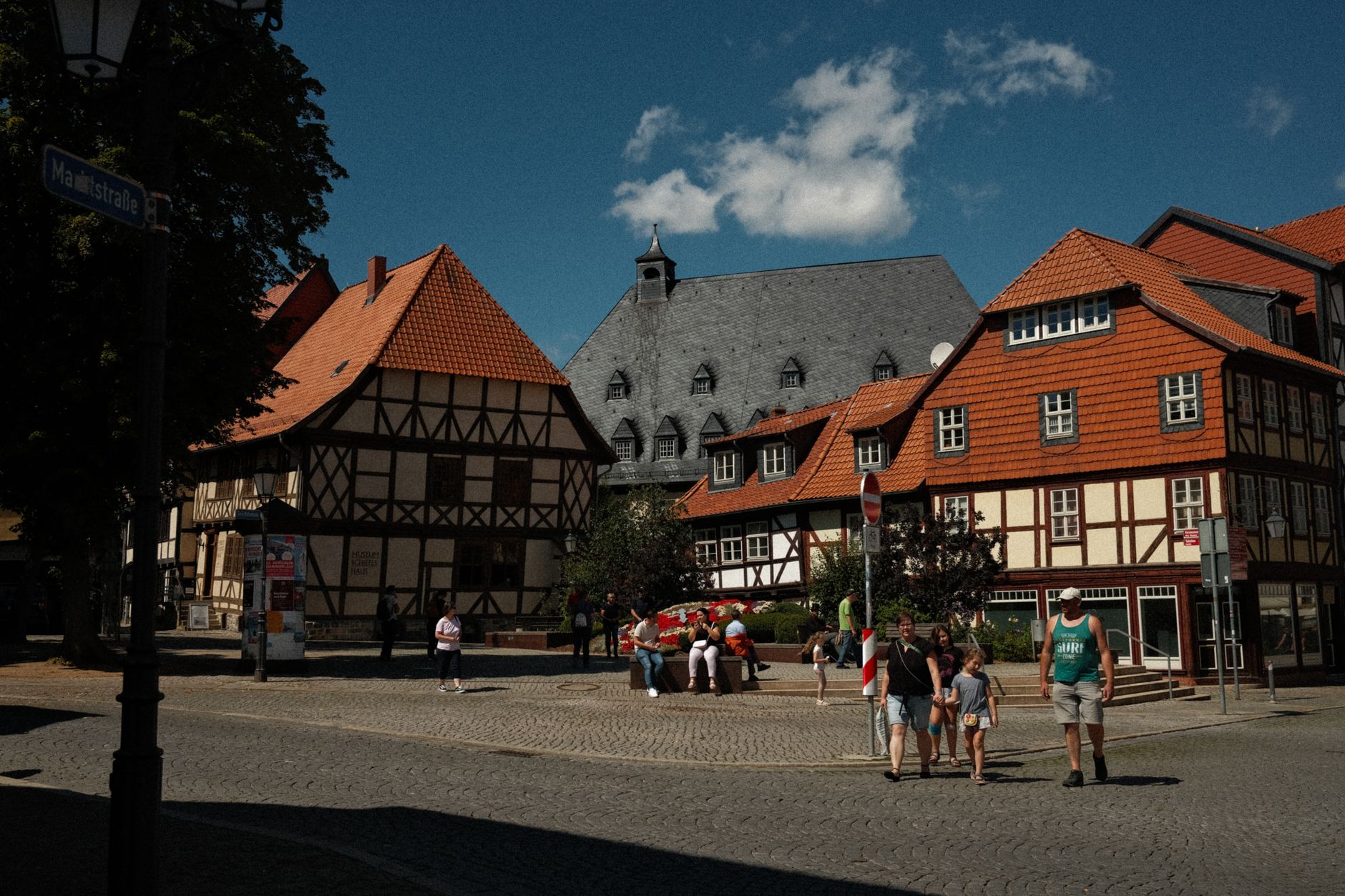
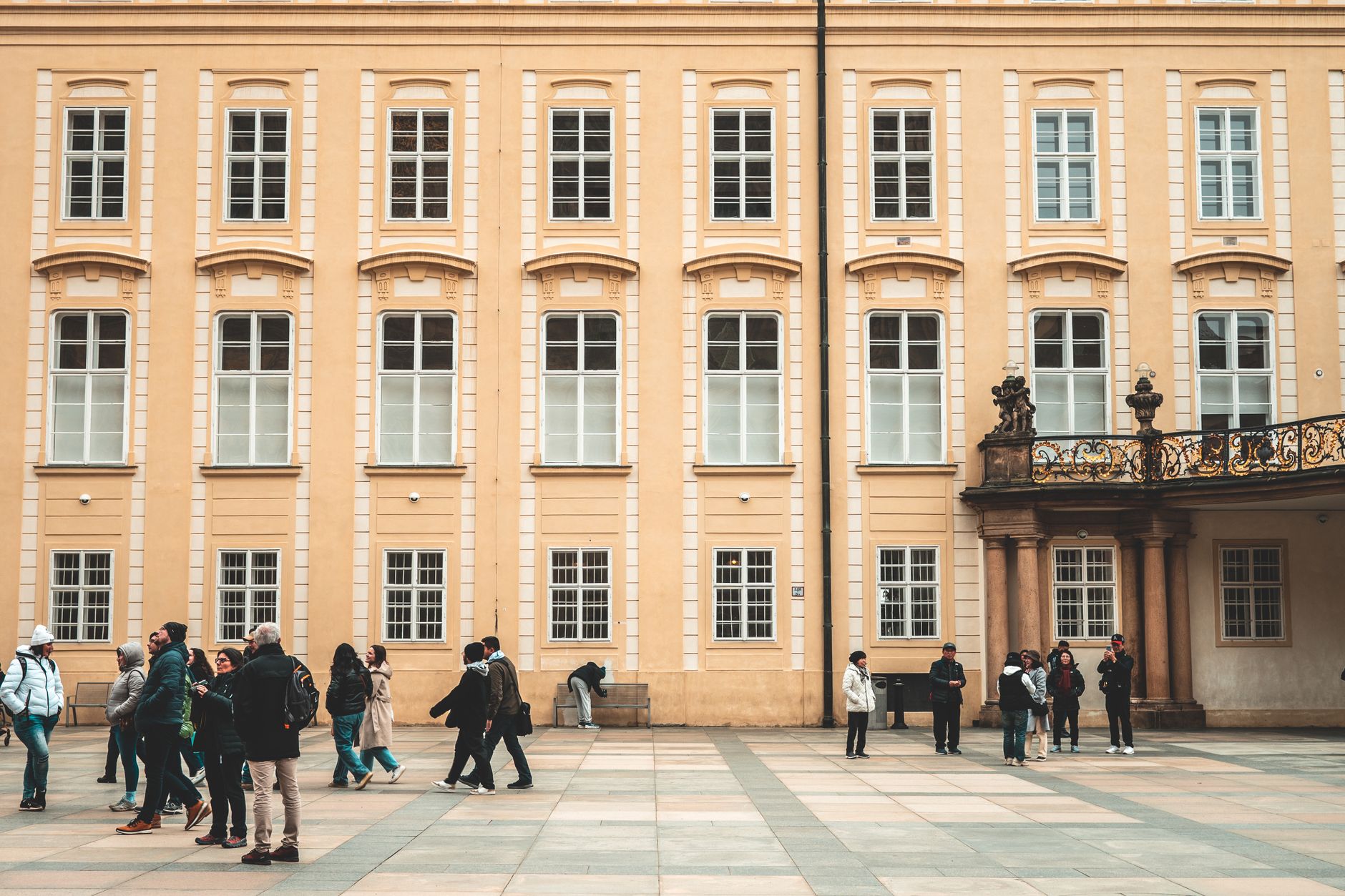
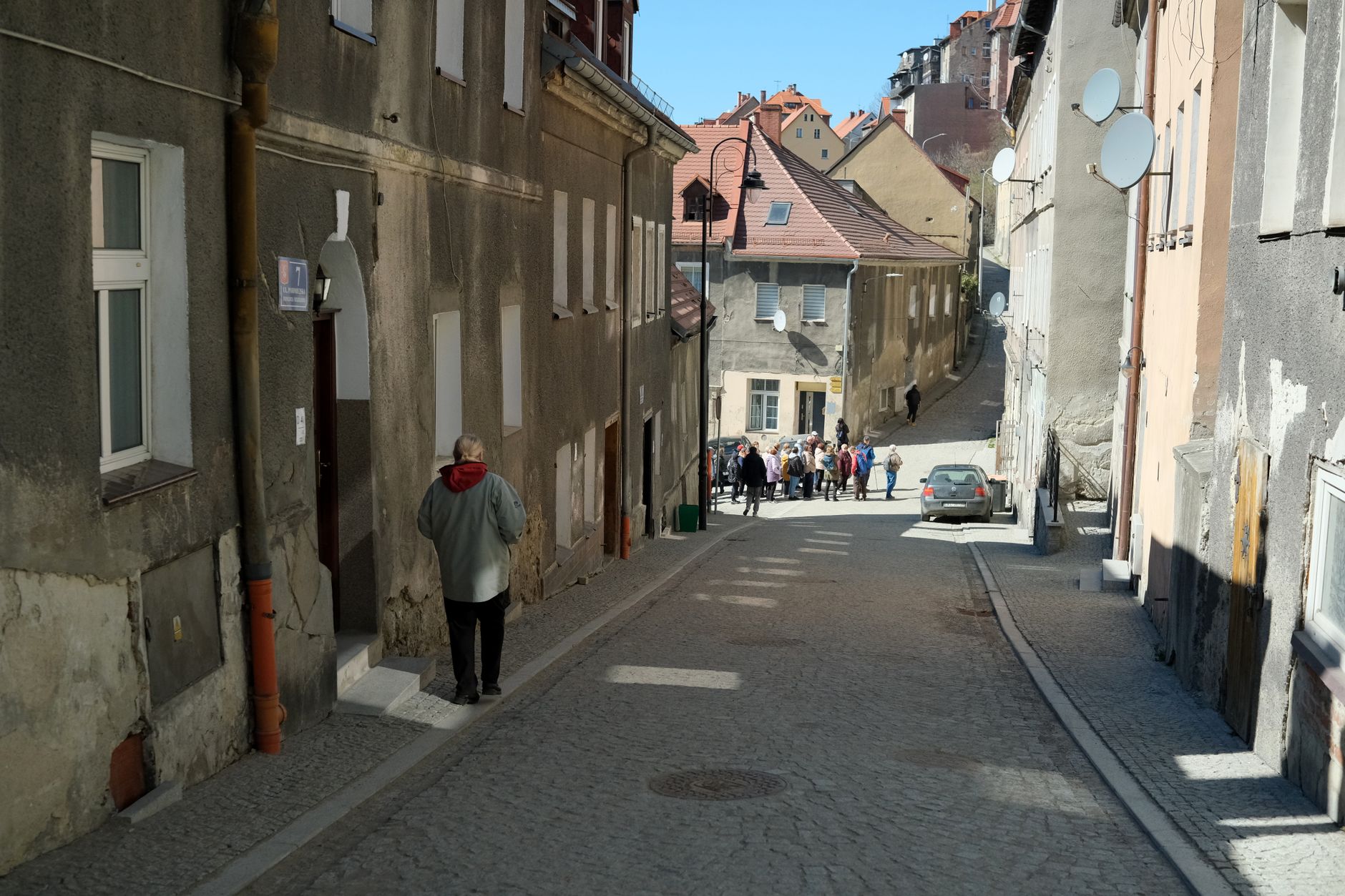
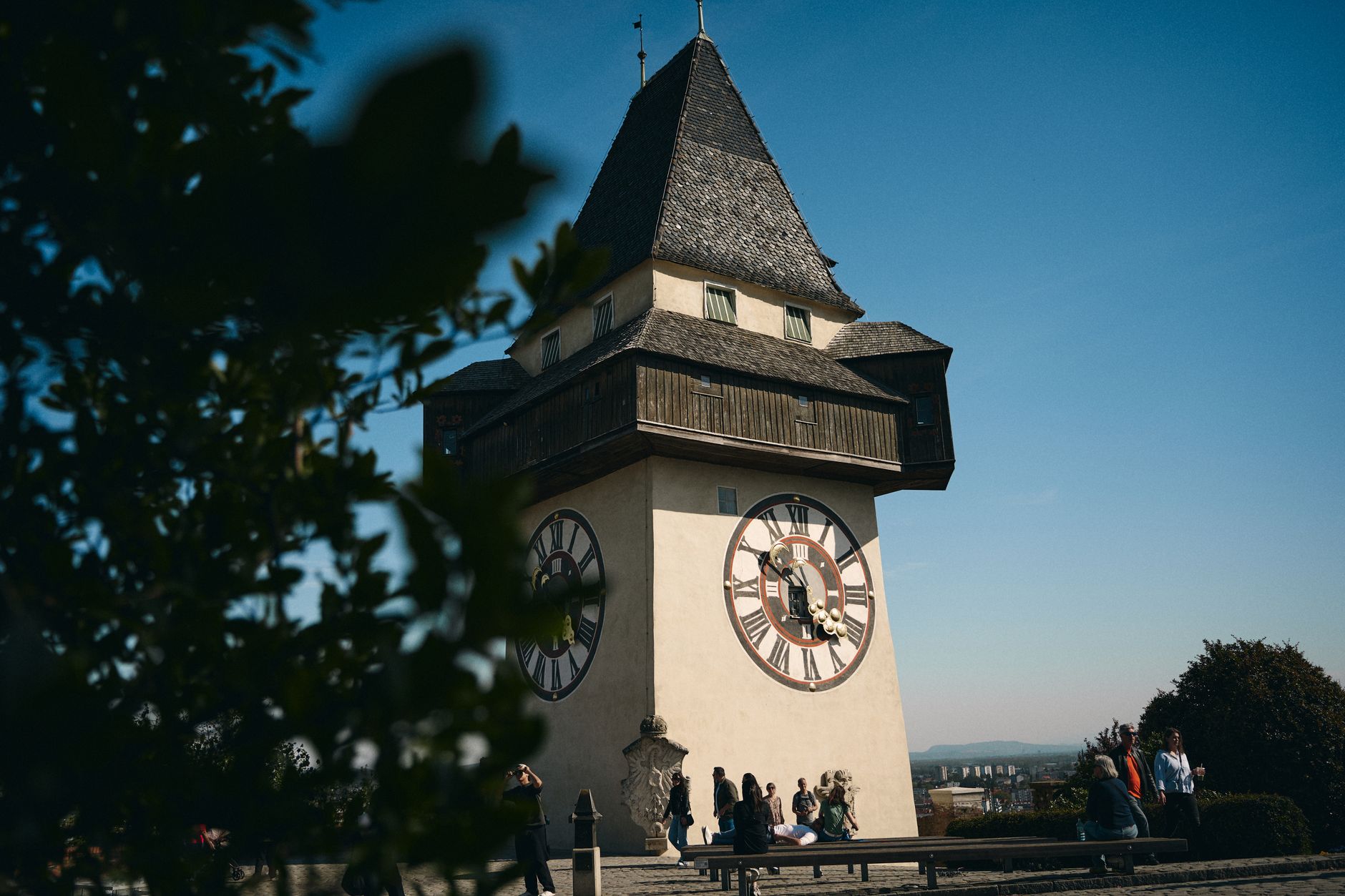
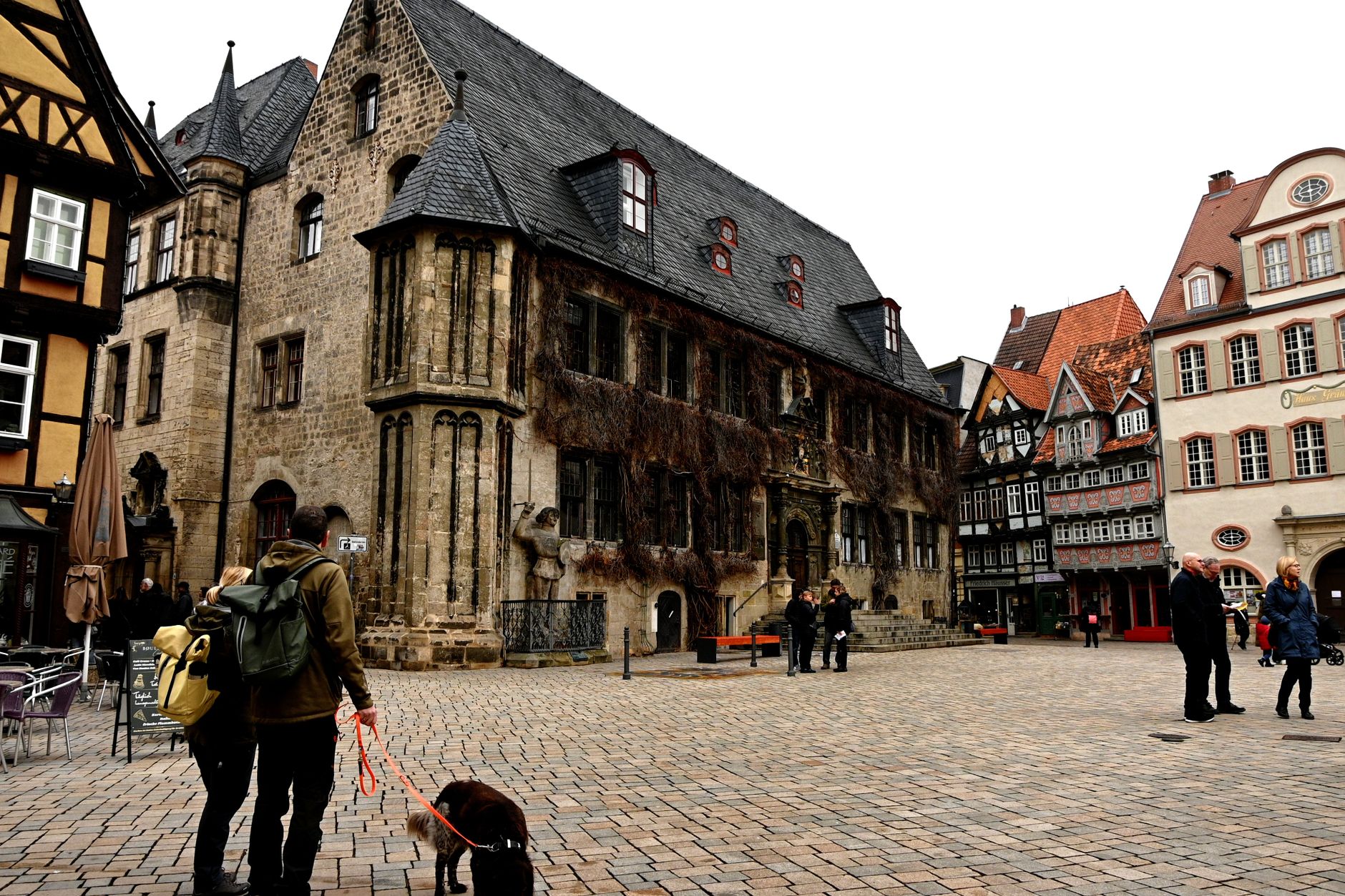
Hohnstein sits on a sandstone ridge 140 metres above the Polenz valley, and the castle that crowns it has been, in rough sequence, a Bohemian border fortress, a hunting lodge, a state prison, a reformatory, one of Germany's largest youth hostels, a Nazi concentration camp, and a POW camp holding officers from a dozen nations. That compressed, sometimes brutal biography gives the town a weight that the half-timbered market square and the café in the castle courtyard do not quite dissolve.
The town is small — you reach the castle only through the Marktplatz, a five-minute walk from the bus stop — and over 70 kilometres of marked trails radiate outward into the Elbe Sandstone Mountains from here. Hohnstein is a place to slow down and look closely.
💛 What travellers fall for
People who come back tend to stay in the castle itself — either in one of the 16 hotel rooms or the hostel — and walk out early before the day-trippers arrive. The Polenztal trail below the walls is quieter than most routes in the area. The Zum Hirsch inn on the market square is where you eat in the evening.
Deals in Hohnstein
Book directly at the provider


How Hohnstein came to be
The castle was probably raised around 1200 as a Bohemian border fortress marking the edge of the Margravate of Meissen. In 1353 it passed to the Bohemian nobleman Hynek Berka of Dubá; his family held it until 1443, when the Electorate of Saxony under Frederick the Humble acquired the estate, though it remained technically a Bohemian fief until 1806. Through the 16th and 17th centuries it served as a hunting lodge — the lower castle was added in 1550, a bear garden in 1609.
For most of the 19th century the castle functioned as an official seat, prison, and reformatory. In 1925 it was converted into a Jugendburg, one of the largest youth hostels in Germany, with around 1,000 bedspaces. That chapter ended abruptly in 1933 when the Nazis turned it into a concentration camp; roughly 5,600 political prisoners passed through in 1933 and 1934. From September 1939 through April 1945 it operated as a POW camp — first for Polish officers, later for French, Belgian, British, Serbian, Dutch, Soviet, Italian, American, Slovak, Czech, and Bulgarian prisoners — before Soviet forces liberated it in April 1945.
Who and what shaped it
People who shaped it
Landmark buildings
See Hohnstein in motion
Plan your visit
On the map
When to go
Spring and early summer bring the best hiking conditions, with temperatures between 15 and 30°C and long daylight hours. Autumn is genuinely lovely — warm afternoons, cool nights, and the sandstone valley walls turning amber — while winter can drop well below freezing and delivers regular snow.
Right now
Background & history adapted from Wikipedia (CC BY-SA) · specs from Wikidata (CC0) · weather from Open-Meteo · map data © OpenStreetMap contributors · photos from Wikimedia Commons / Unsplash with per-image credit. No third-party reviews or social posts reproduced.