
Hilversum
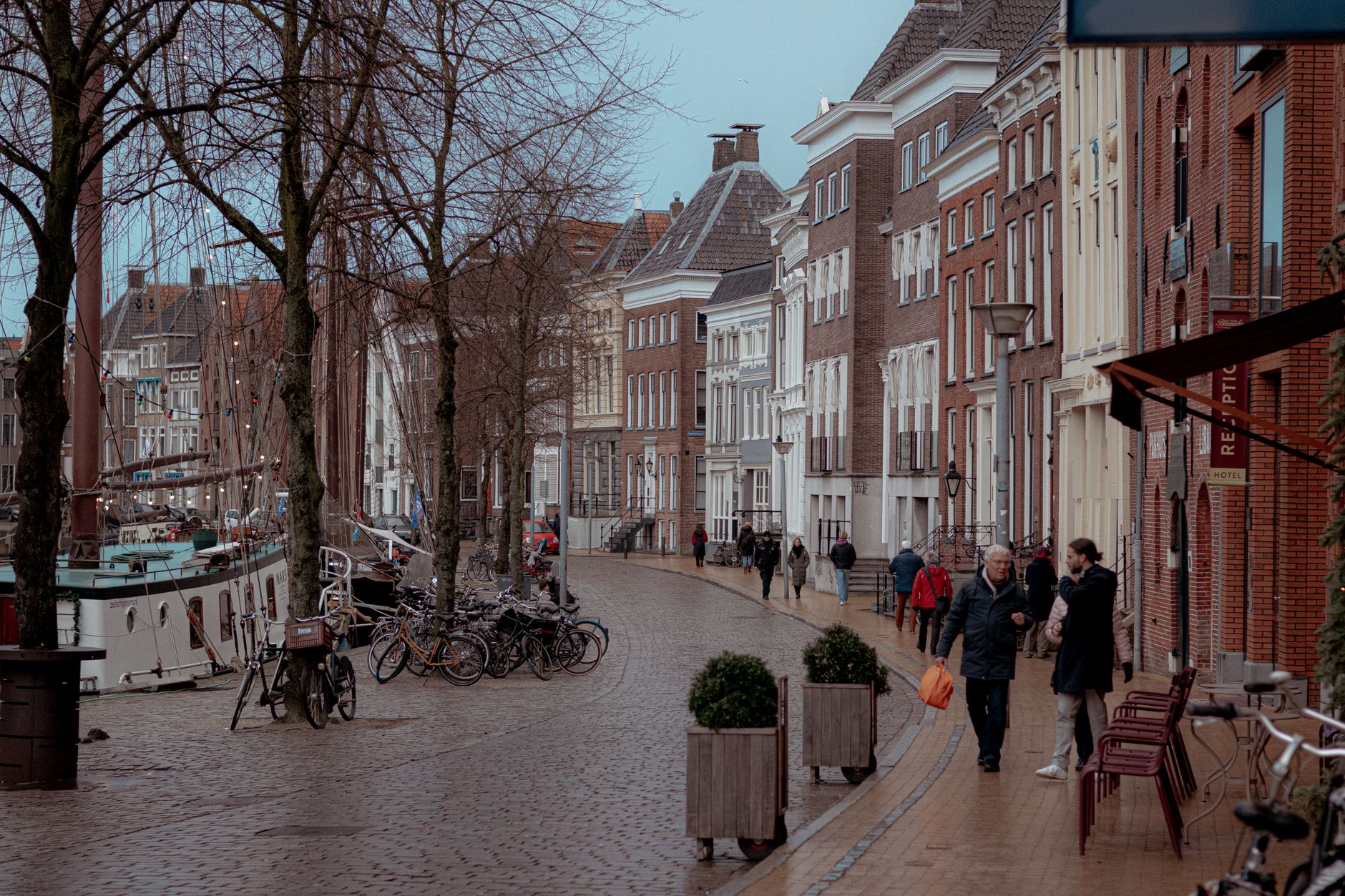
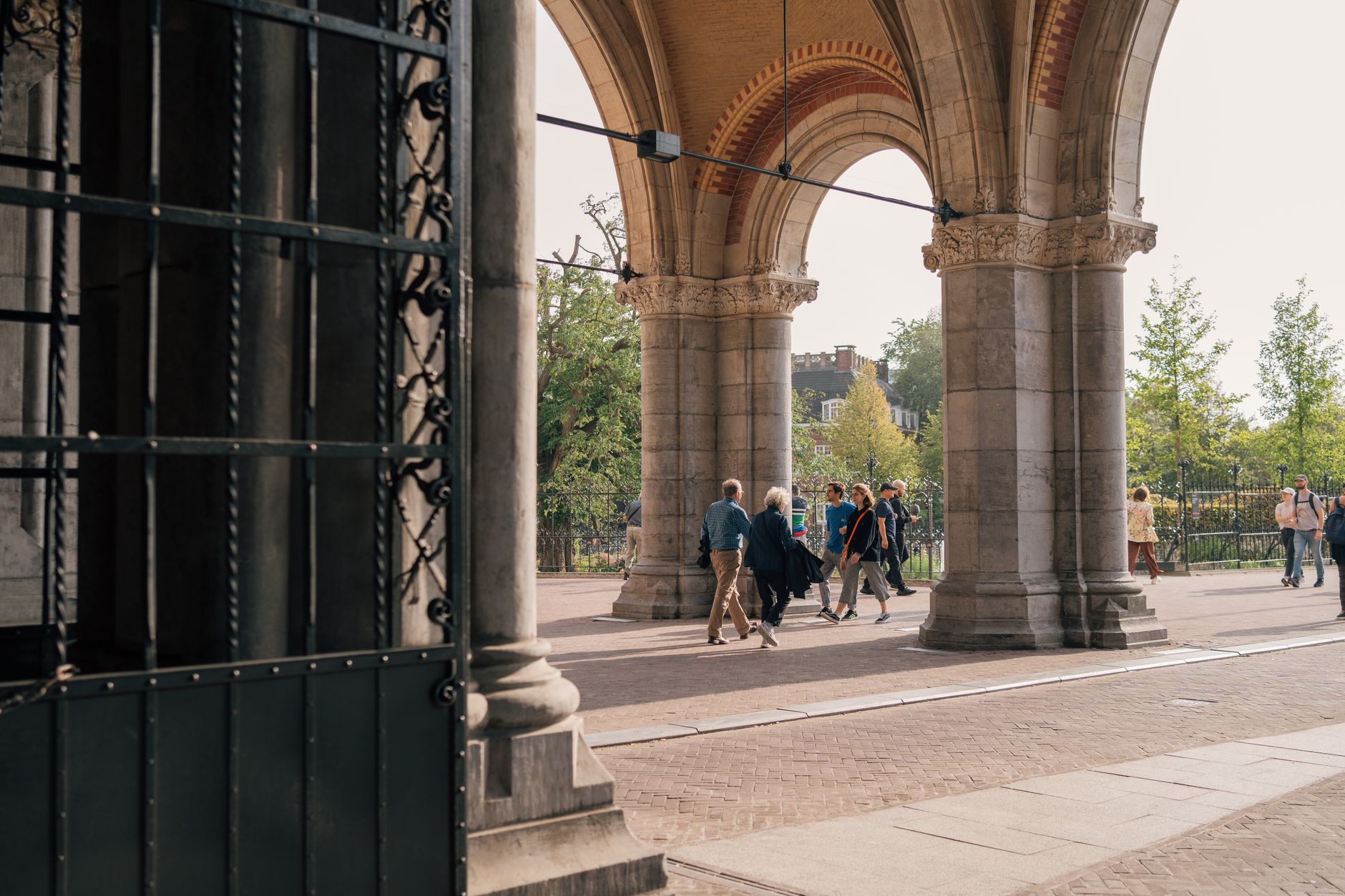
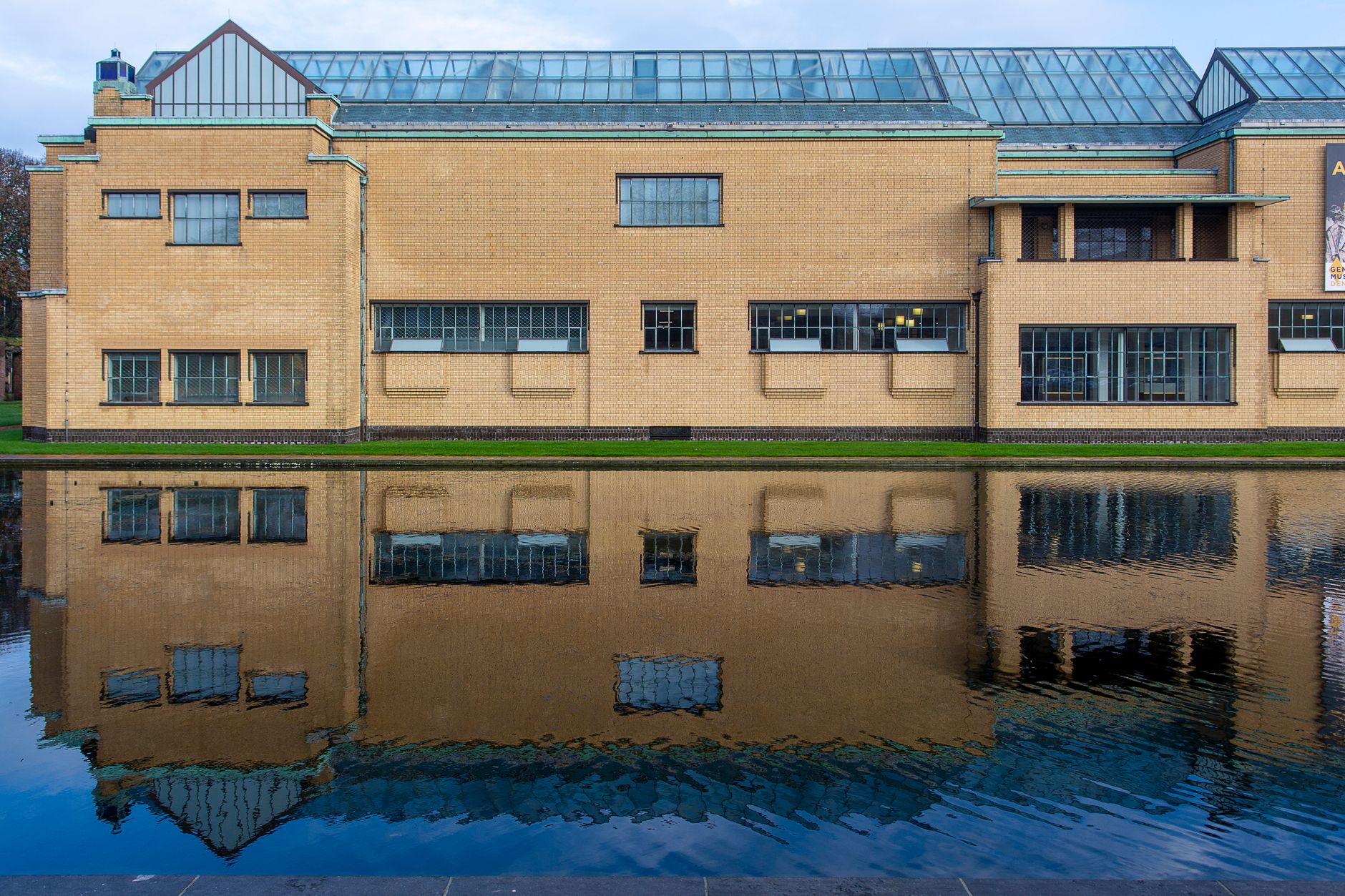
Forty minutes from Amsterdam by train, Hilversum is where the Netherlands keeps its broadcasting industry and, less obviously, some of its most quietly radical twentieth-century architecture. The town hall, finished in 1931, is reason enough to come: a composition of brick volumes and a single asymmetric tower that has been influencing architects for nearly a century. Around it, roughly seventy-five other buildings carry the same fingerprint.
The city is also the place where Bronze Age pottery was first dug up and named — the Hilversum culture, dated to around 1800–1200 BC. That layering, old earth beneath a modernist grid beneath television studios, gives the place an odd, specific texture you don't find in the towns around it.
💛 What travellers fall for
People who come back tend to arrive on a Friday or Sunday at 13:30 for the town hall tour — €8.50, no booking needed, ninety minutes, and worth asking for English when you arrive. Afterwards, the Institut voor Beeld en Geluid on the Media Park rewards an unhurried afternoon: the archive vault alone holds a century of Dutch broadcast history.
Deals in Hilversum
Book directly at the provider

How Hilversum came to be
The name appears in records as early as 1305 — 'Hilfersheem', meaning houses between the hills — though the land had been occupied since the Bronze Age. For most of its early life Hilversum was a modest agricultural and weaving village attached to the older town of Naarden, gaining independent status only in 1424. The railway arrived in 1874 and changed the scale of things.
The twentieth century brought two defining forces: Willem Marinus Dudok, appointed chief city architect in 1915, who spent nearly four decades shaping the built environment with a brick-and-geometry language borrowed partly from Frank Lloyd Wright; and the centralisation of Dutch radio, then television, in the town from the 1930s onward. During the occupation of 1940–45 the town hall served as Wehrmacht headquarters, its tower camouflaged. On 25–26 February 1941, most of Hilversum's factory workers walked out in protest against the persecution of Jewish people — one of the earliest acts of organised resistance in the occupied Netherlands.
Who and what shaped it
People who shaped it
Landmark buildings
See Hilversum in motion
Plan your visit
On the map
When to go
Hilversum follows the Dutch pattern: mild, overcast, and reliably damp through autumn and winter, with the best light arriving between April and September. Summer temperatures sit in the low twenties Celsius, rarely oppressive, though an umbrella is sensible in any month.
Right now
Background & history adapted from Wikipedia (CC BY-SA) · specs from Wikidata (CC0) · weather from Open-Meteo · map data © OpenStreetMap contributors · photos from Wikimedia Commons / Unsplash with per-image credit. No third-party reviews or social posts reproduced.