
Haslach im Kinzigtal
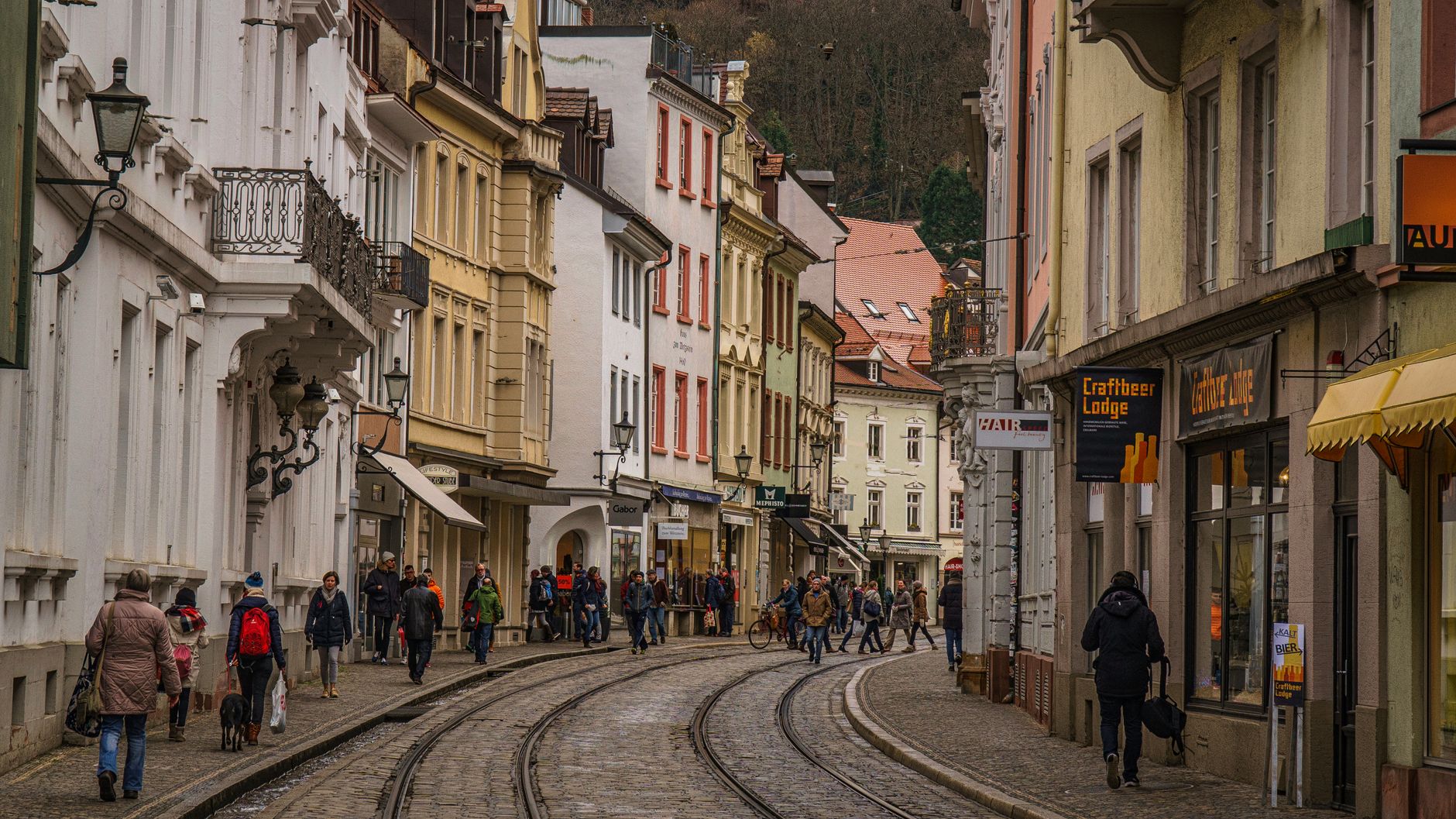
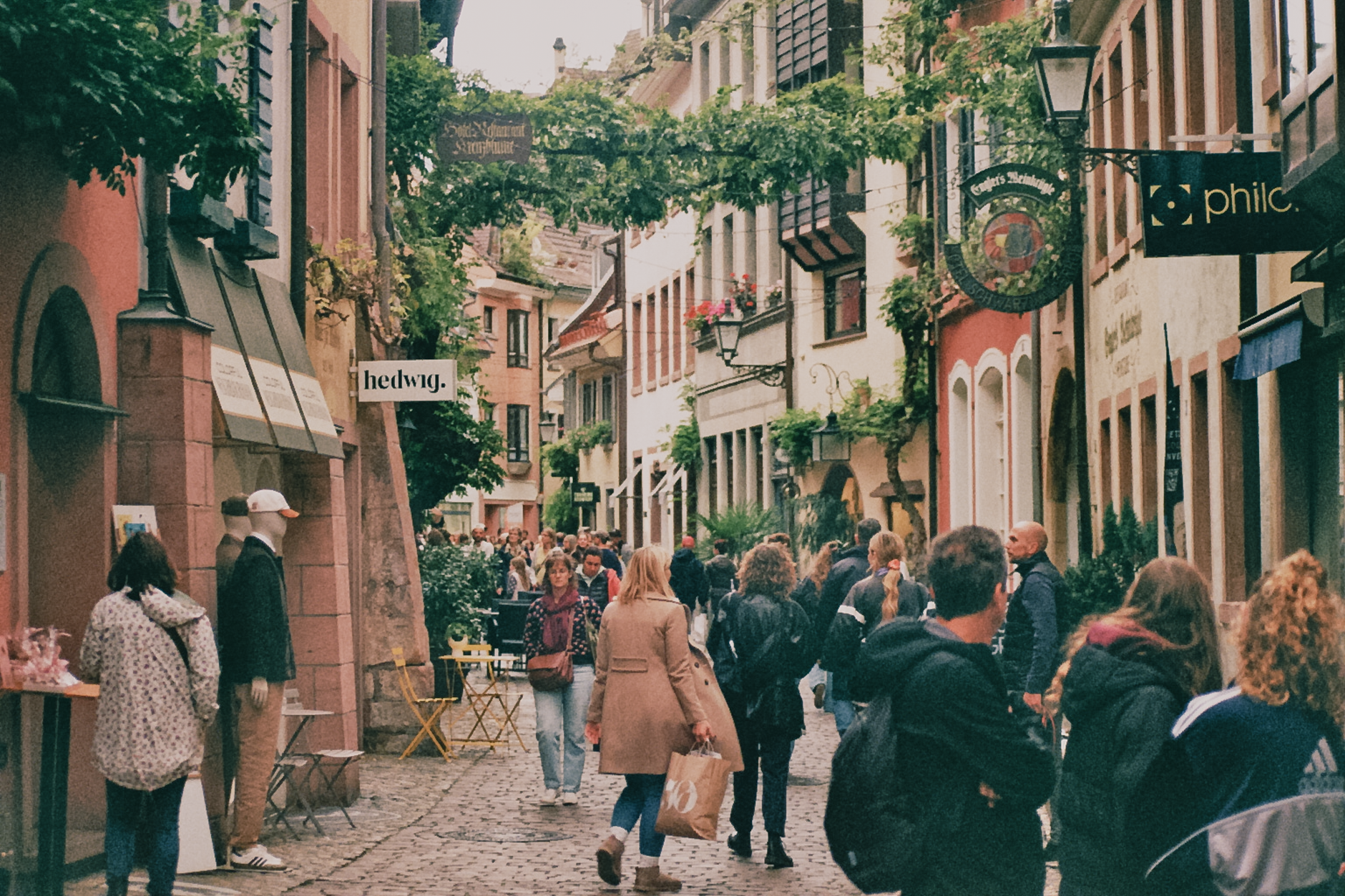
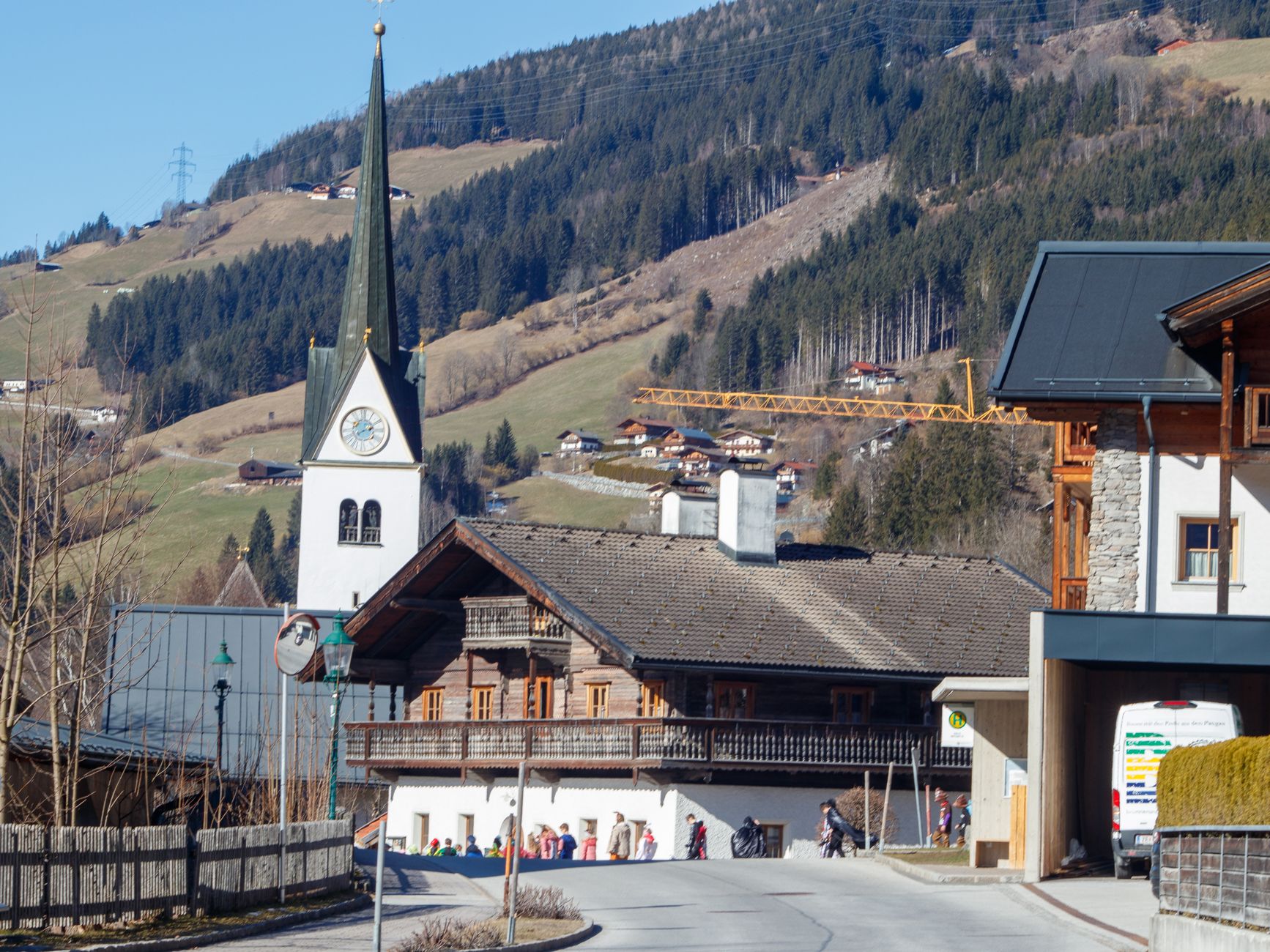
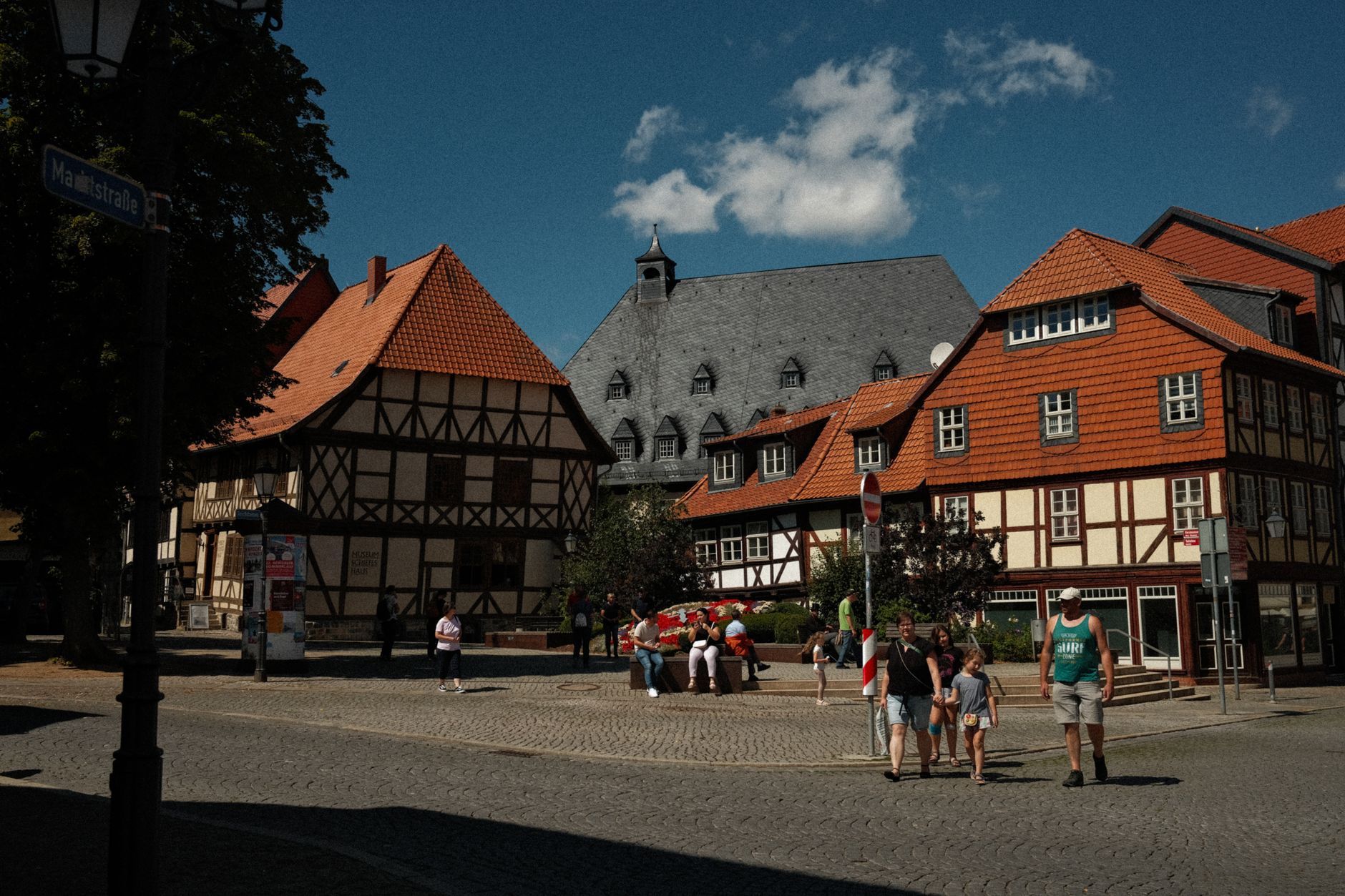
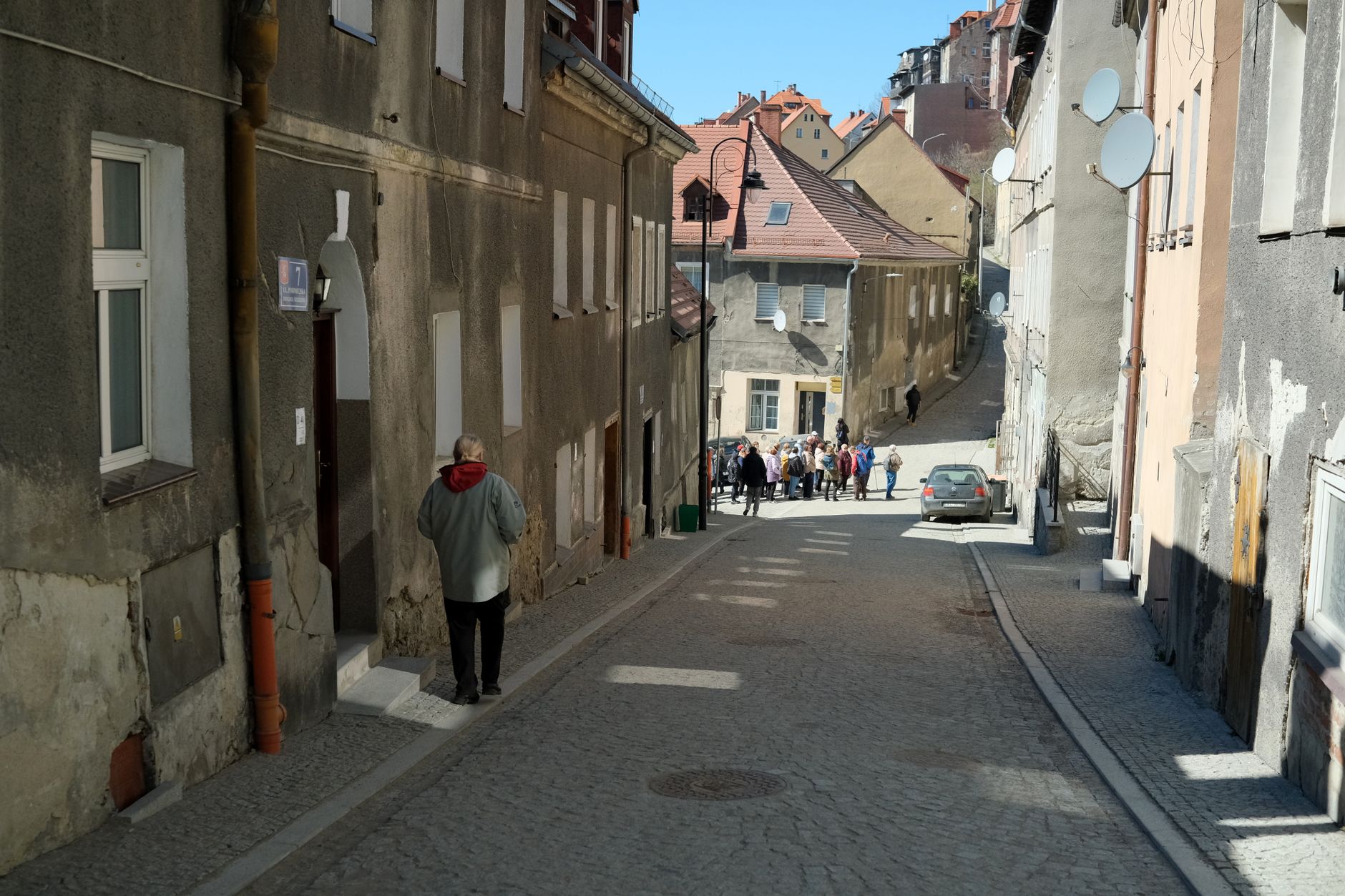
Haslach im Kinzigtal wears its medieval street plan like a well-kept secret: the wide market streets that silver merchants once used are still there, flanked by baroque half-timbered houses that went up after a 1704 fire burned the town flat. The old town has been under a preservation order since 1978, which means the narrow craft alleys and the open squares have stayed largely as they were rebuilt — not as a museum piece, but as a place where a Saturday farmers' market still fills the centre.
The Kinzig valley runs through the middle of the Black Forest, and Haslach sits at a crossroads that has mattered since Roman road-builders came through around 74 A.D. Mining wealth, administrative weight, carnival tradition and a Michelin-starred chef have all left their marks here.
💛 What travellers fall for
Regulars tend to time a visit around the costume museum — the Trachtenmuseum covers traditional dress from across the entire Black Forest region, and your hotel key card gets you in cheaper. The show mine at Segen Gottes in Haslach-Schnellingen is worth the short drive, especially with children, and the Urenkopf tower costs nothing and earns its 554 metres.
Deals in Haslach im Kinzigtal
Book directly at the provider


How Haslach im Kinzigtal came to be
The Romans built a military road through the Kinzig valley around 74 A.D., and pottery shards and a stone altar confirm their presence. The town's first documentary mention comes in 1240, when it appears as 'Haselahe'. Its 13th-century prosperity came from silver: Haslach was the seat of the mountain judge and the administrative centre of a productive mining region. When the silver ran out in the 16th century, the town reinvented itself as a market and administrative hub — until the War of Spanish Succession reduced it to ash in 1704.
What rose from that fire was a coherent townscape of southern German baroque timber-framing, still intact today. A darker chapter came in the last months of World War II, when three sub-camps of the Natzweiler-Struthof concentration camp operated near the city. The Vulkan Memorial records the 1,700 prisoners from 21 countries held there; more than 223 known by name did not survive.
Who and what shaped it
People who shaped it
Landmark buildings
See Haslach im Kinzigtal in motion
Plan your visit
On the map
When to go
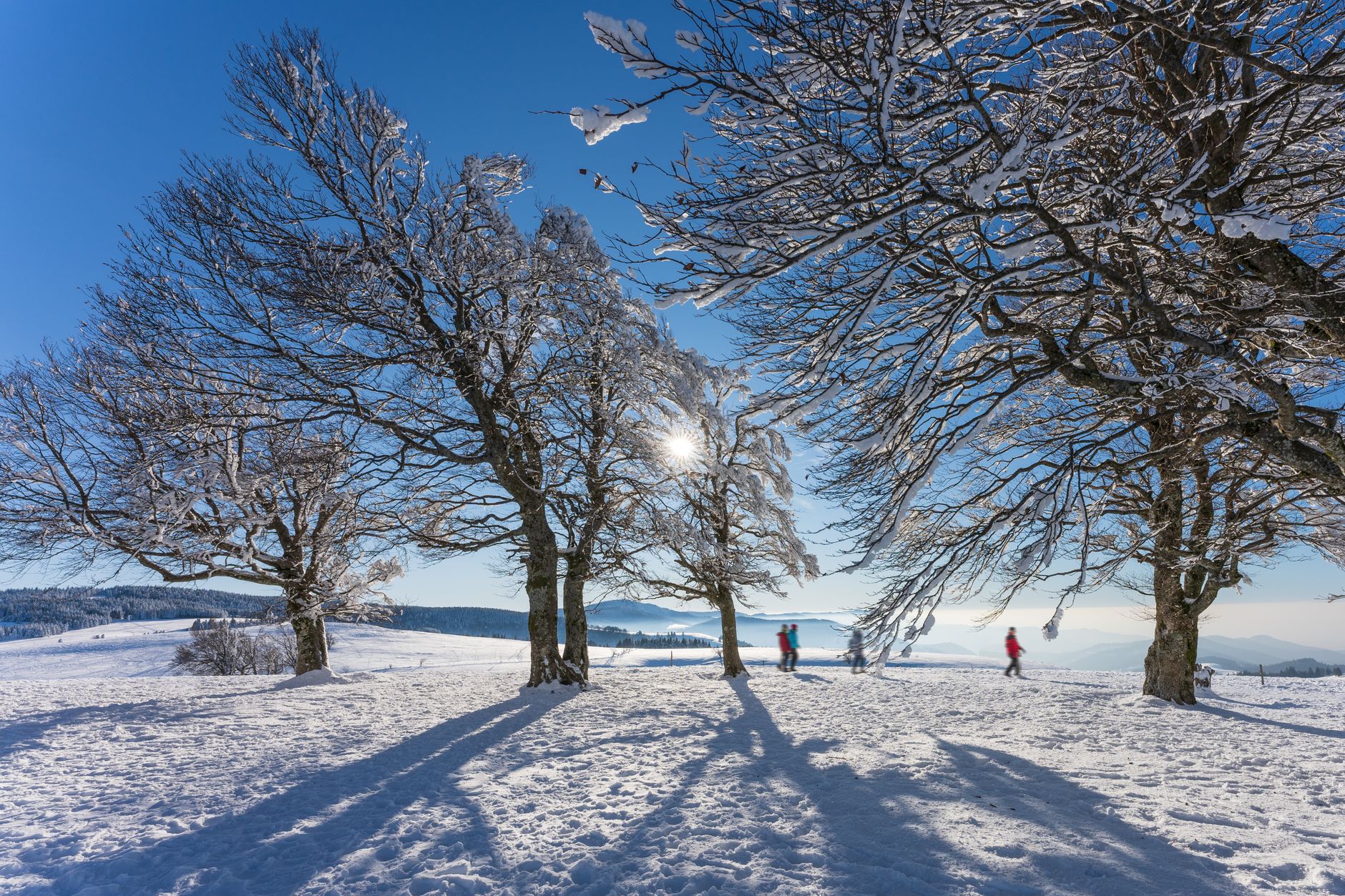
The Kinzig valley channels weather in from the west, so winters are cold and often grey, with snow possible from December through February — which suits the carnival season well. Summer brings warm, forested air and enough sun to make the old town's half-timbered facades look their best; spring and early autumn are quieter and reliably mild.
Right now
Background & history adapted from Wikipedia (CC BY-SA) · specs from Wikidata (CC0) · weather from Open-Meteo · map data © OpenStreetMap contributors · photos from Wikimedia Commons / Unsplash with per-image credit. No third-party reviews or social posts reproduced.