
Harlech
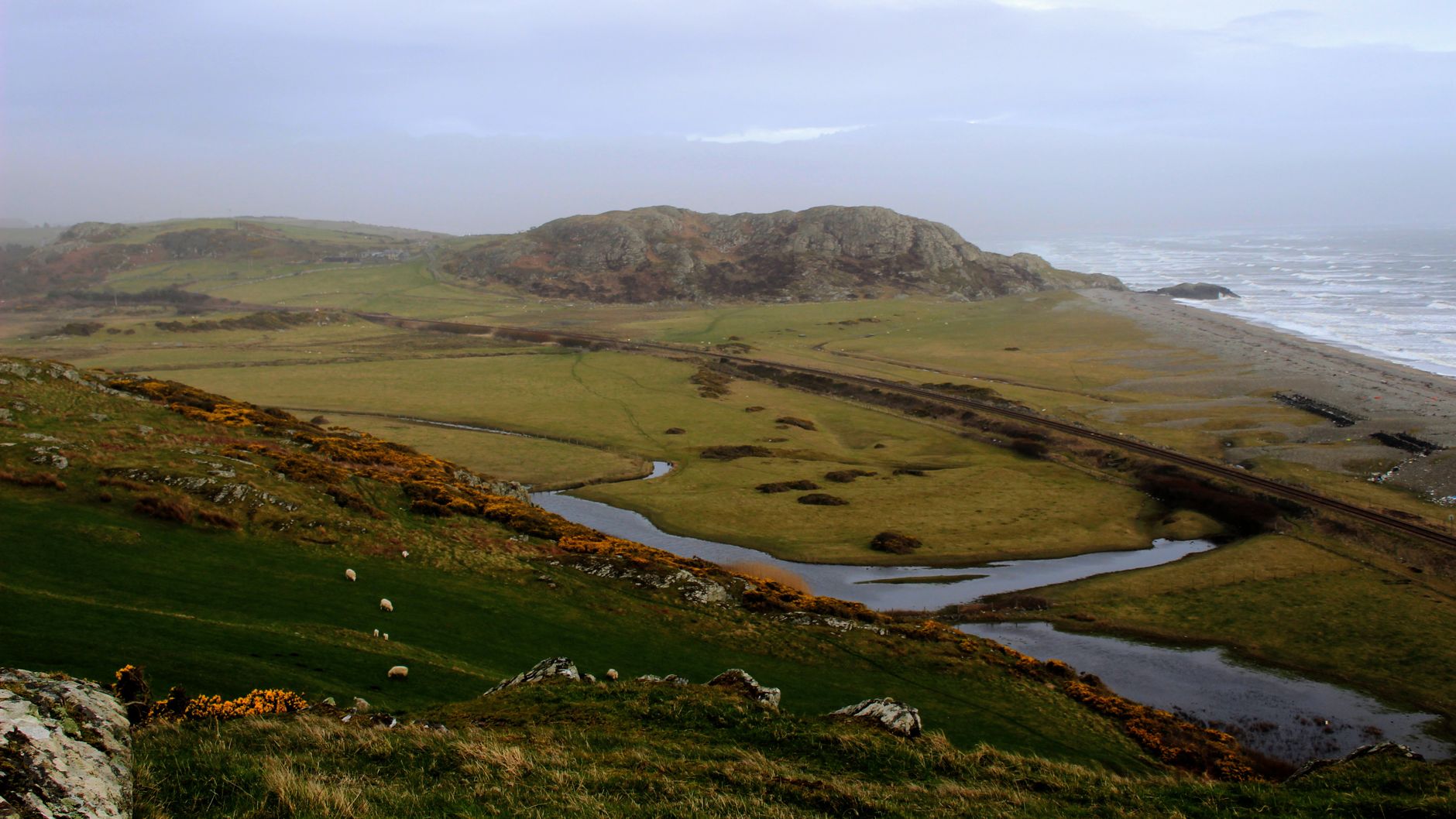
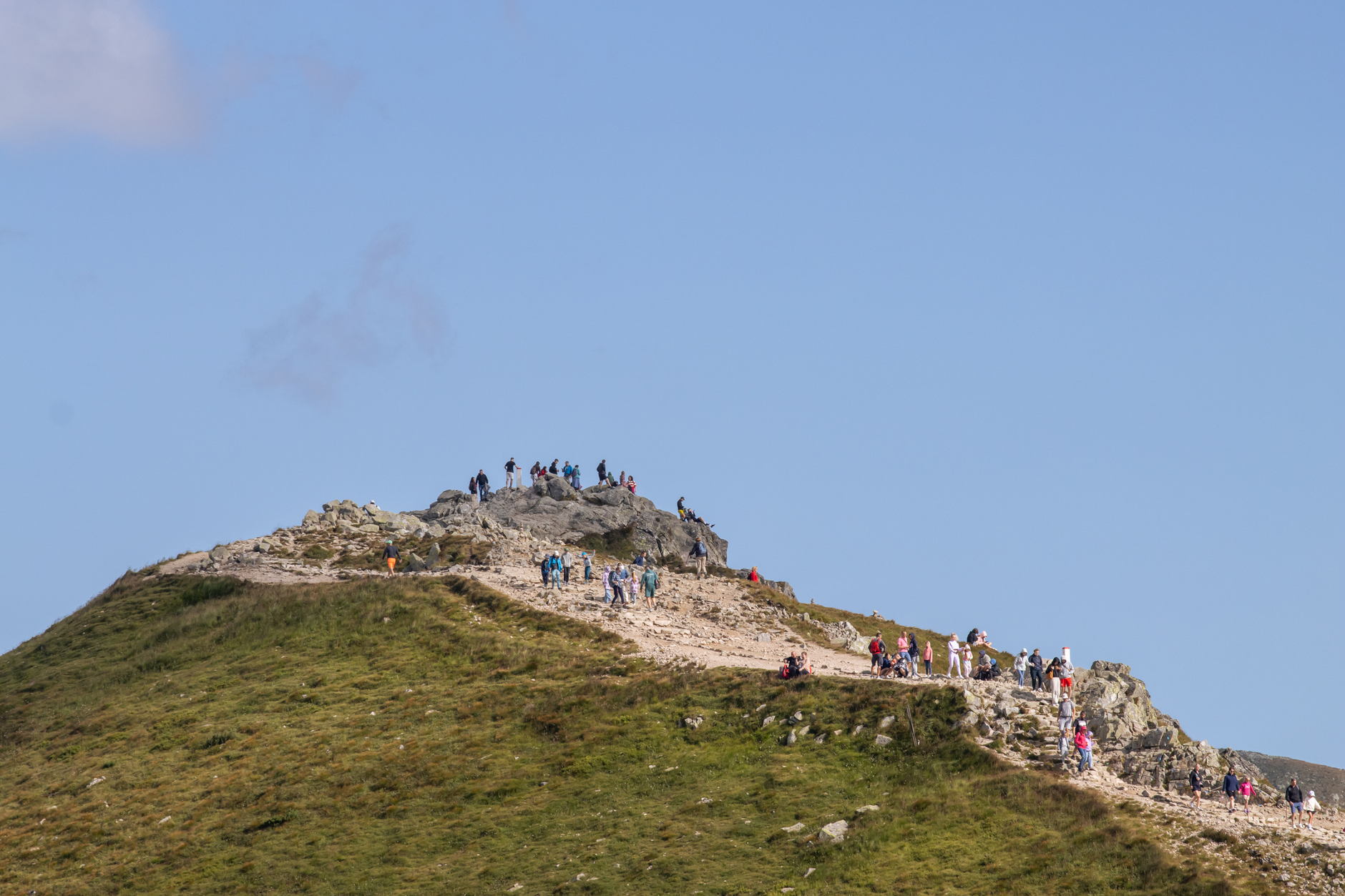
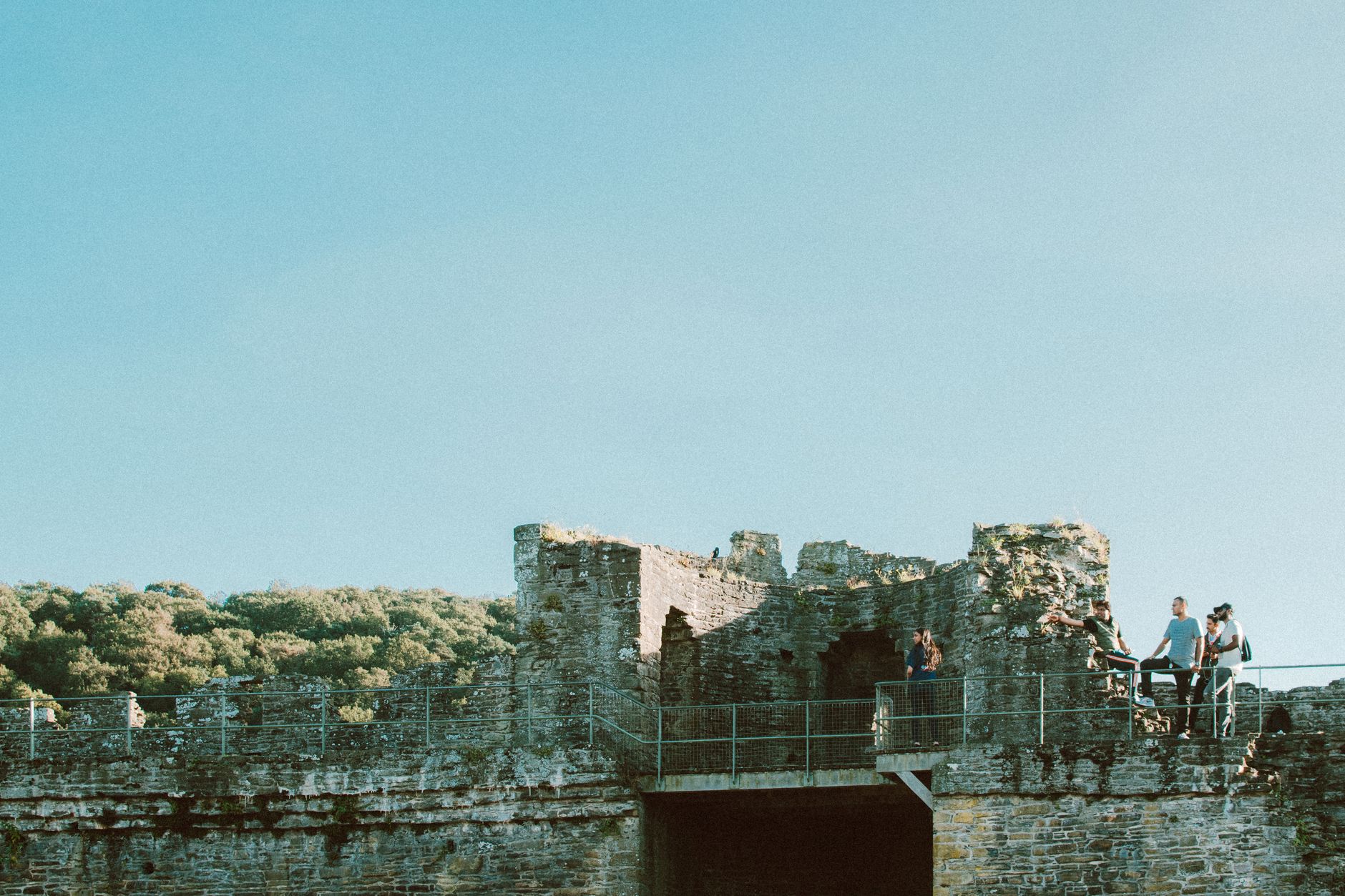
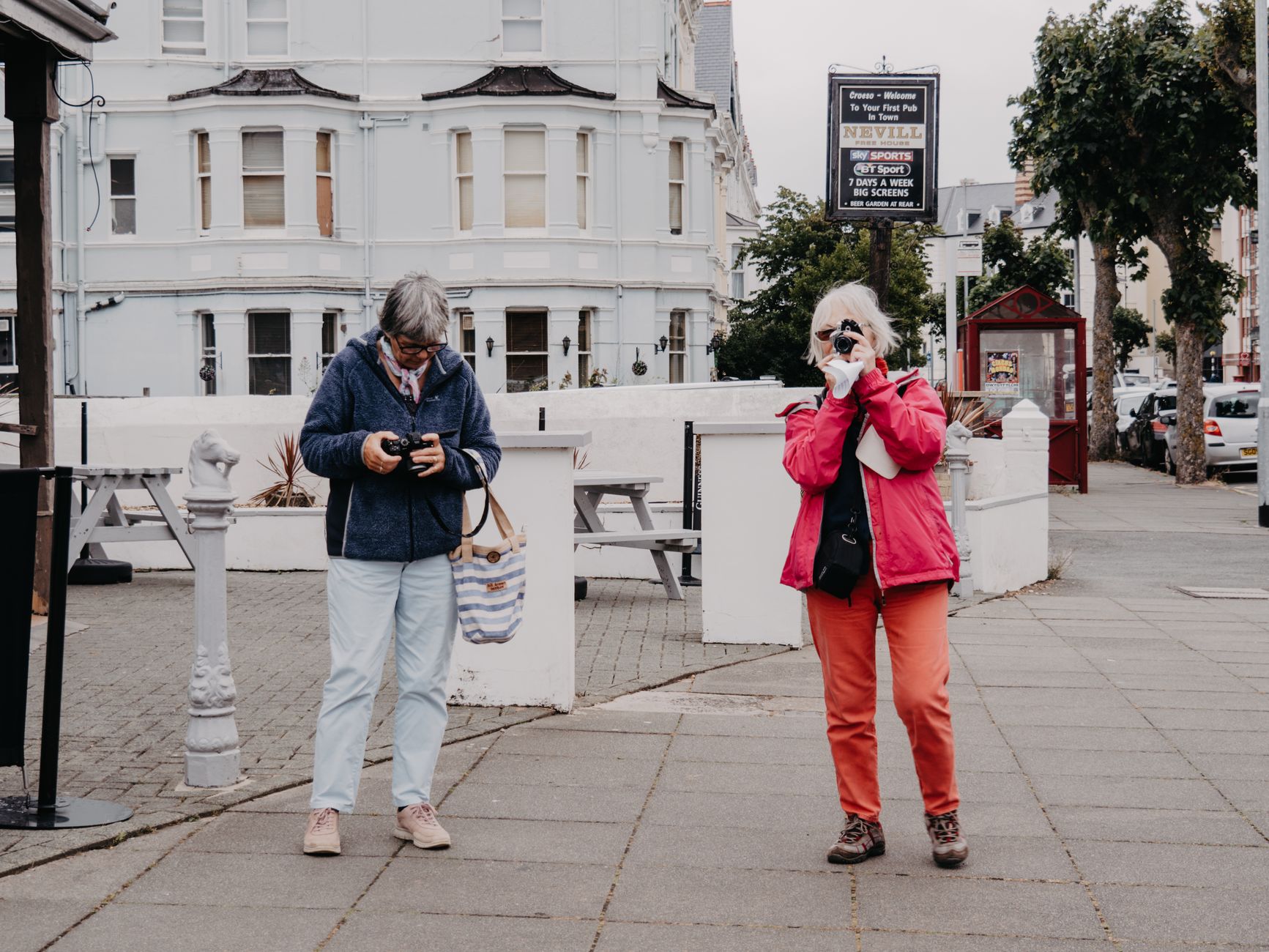
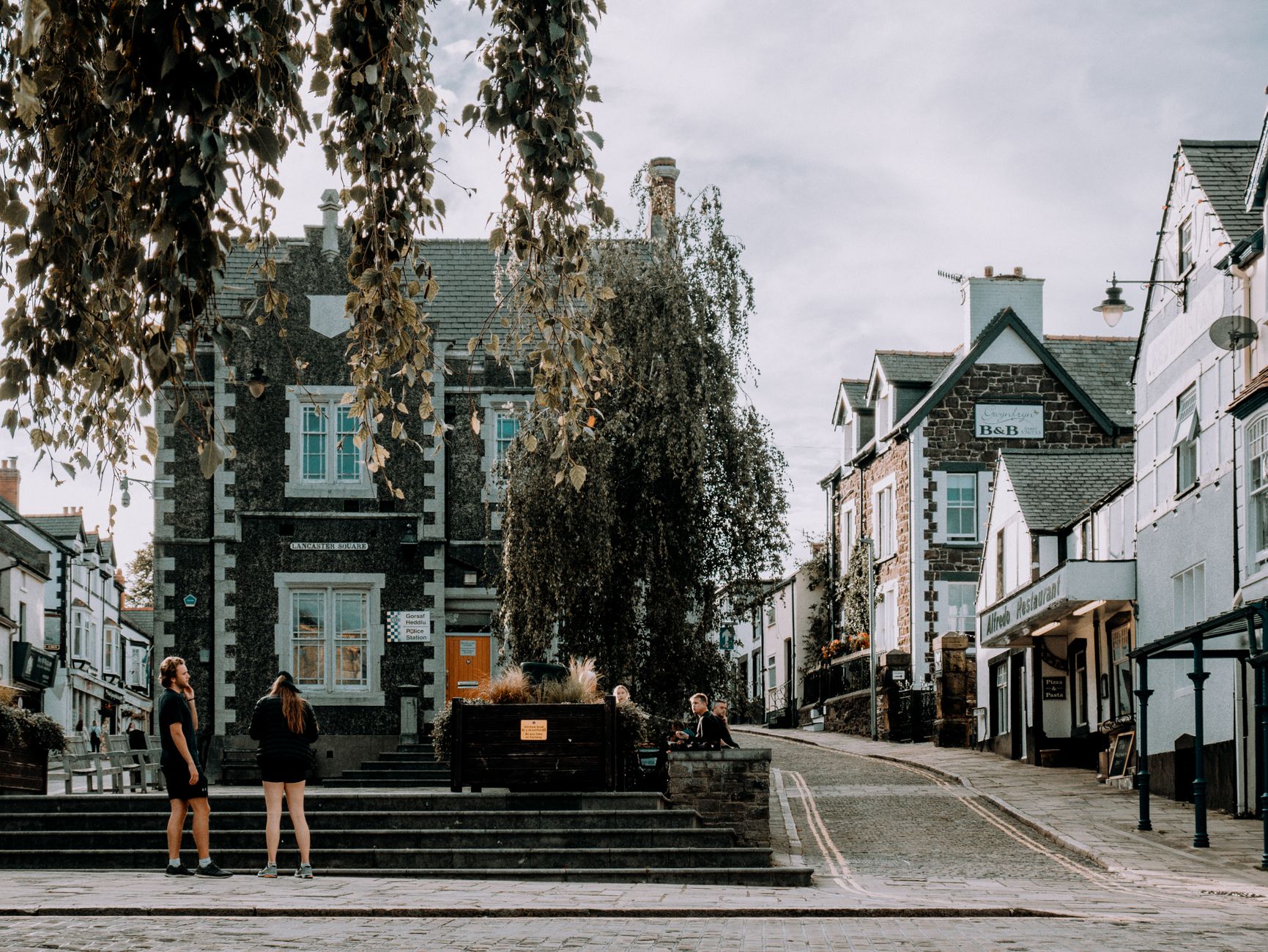
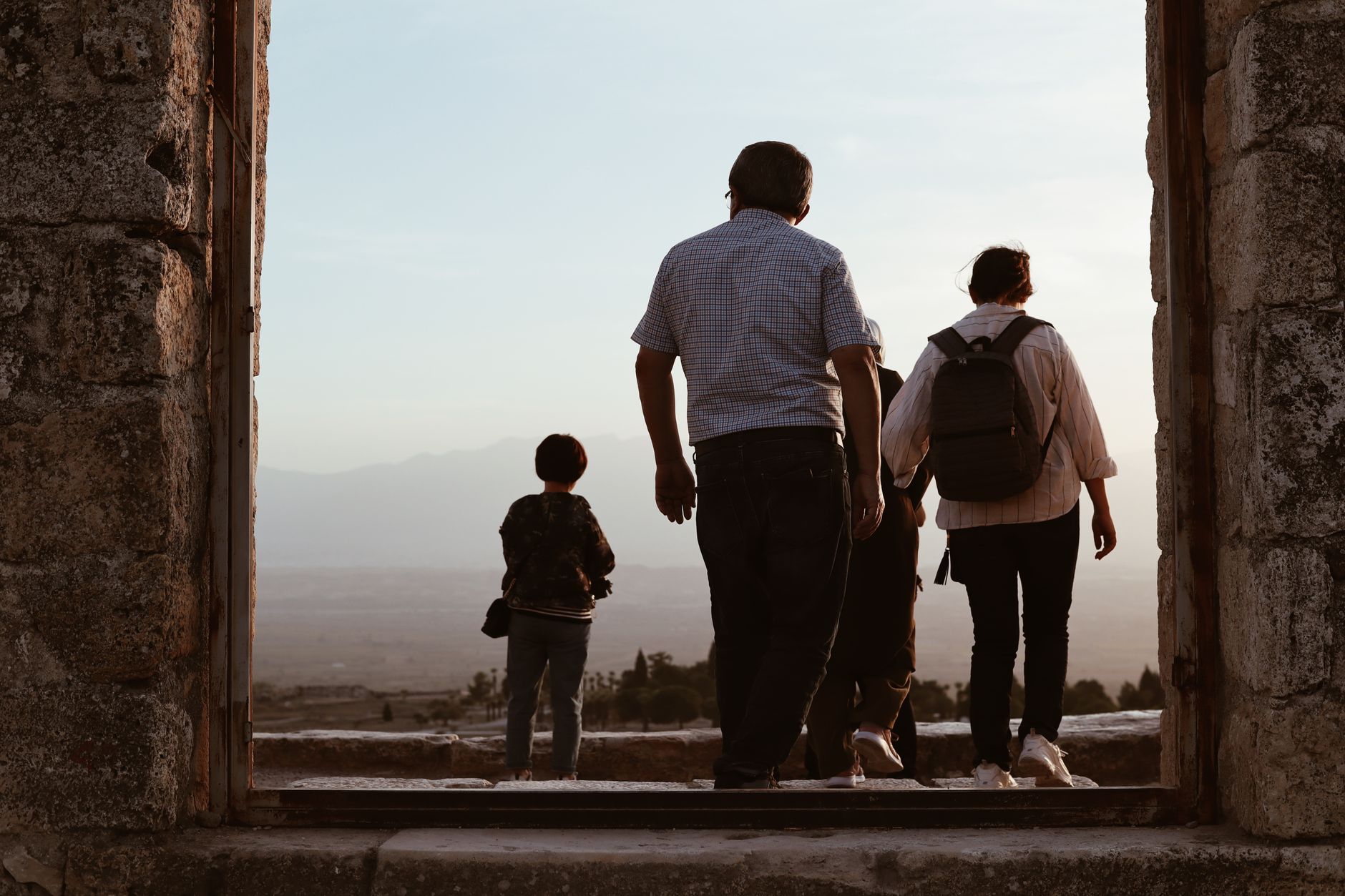
Harlech sits on a plug of rock above the Cardigan Bay shoreline, its castle visible from miles along the coast — grey towers against the Snowdonian hills, the sea flattening out to the west. The town is small enough to walk end to end in ten minutes, with a high street of independent shops running along the ridge and one street, Ffordd Pen Llech, dropping off the north side at a gradient so severe — 37.45%, verified by Guinness — that it holds the record as the steepest signed public road in the United Kingdom.
The castle is the reason to come, and it earns the attention. From its walls you can read the whole geography at once: the links course below, the tidal flats, the mountains behind. The 108-step path the medieval garrison used to receive supplies by sea still leads down the rock face to what was once the shoreline.
💛 What travellers fall for
People who come back tend to time a visit around the castle at opening, before the tour groups arrive. The Old Cheese Market deli on the high street gets mentioned often for a slow morning. And almost everyone walks Ffordd Pen Llech at least once — up, not down, if you have any feeling for your knees.
Deals in Harlech
Book directly at the provider

How Harlech came to be
Edward I ordered Harlech Castle built in 1283, months after defeating Llywelyn ap Gruffudd. By midsummer, carpenters and stonemasons were on site; by winter the first 15 feet of inner wall were standing. The architect was James of Saint George, a military engineer from Savoy, and at peak construction in 1286 he was directing over a thousand workers. The whole concentric design, with its massive gatehouse and sea-gate steps, cost around £8,190 — roughly ten percent of everything Edward spent on Welsh castles across nearly three decades.
The castle changed hands repeatedly and violently. Owain Glyndŵr took it in 1404 and held parliament within its walls. It fell back to English forces in 1409, under Harry of Monmouth. During the Wars of the Roses it held out for the Lancastrians for seven years — the siege that lodged itself in the song 'Men of Harlech'. It was the last castle in Britain to surrender to Parliamentary forces, in 1647.
Who and what shaped it
People who shaped it
Landmark buildings
See Harlech in motion
Plan your visit
On the map
When to go
Summers are mild and often clear, with long evening light over the bay — the best time to catch the full view from the castle walls. Winter is wet and windy off the Irish Sea, but the castle is open year-round and the low season brings a quiet that suits the place.
Right now
Background & history adapted from Wikipedia (CC BY-SA) · specs from Wikidata (CC0) · weather from Open-Meteo · map data © OpenStreetMap contributors · photos from Wikimedia Commons / Unsplash with per-image credit. No third-party reviews or social posts reproduced.