
Grindelwald
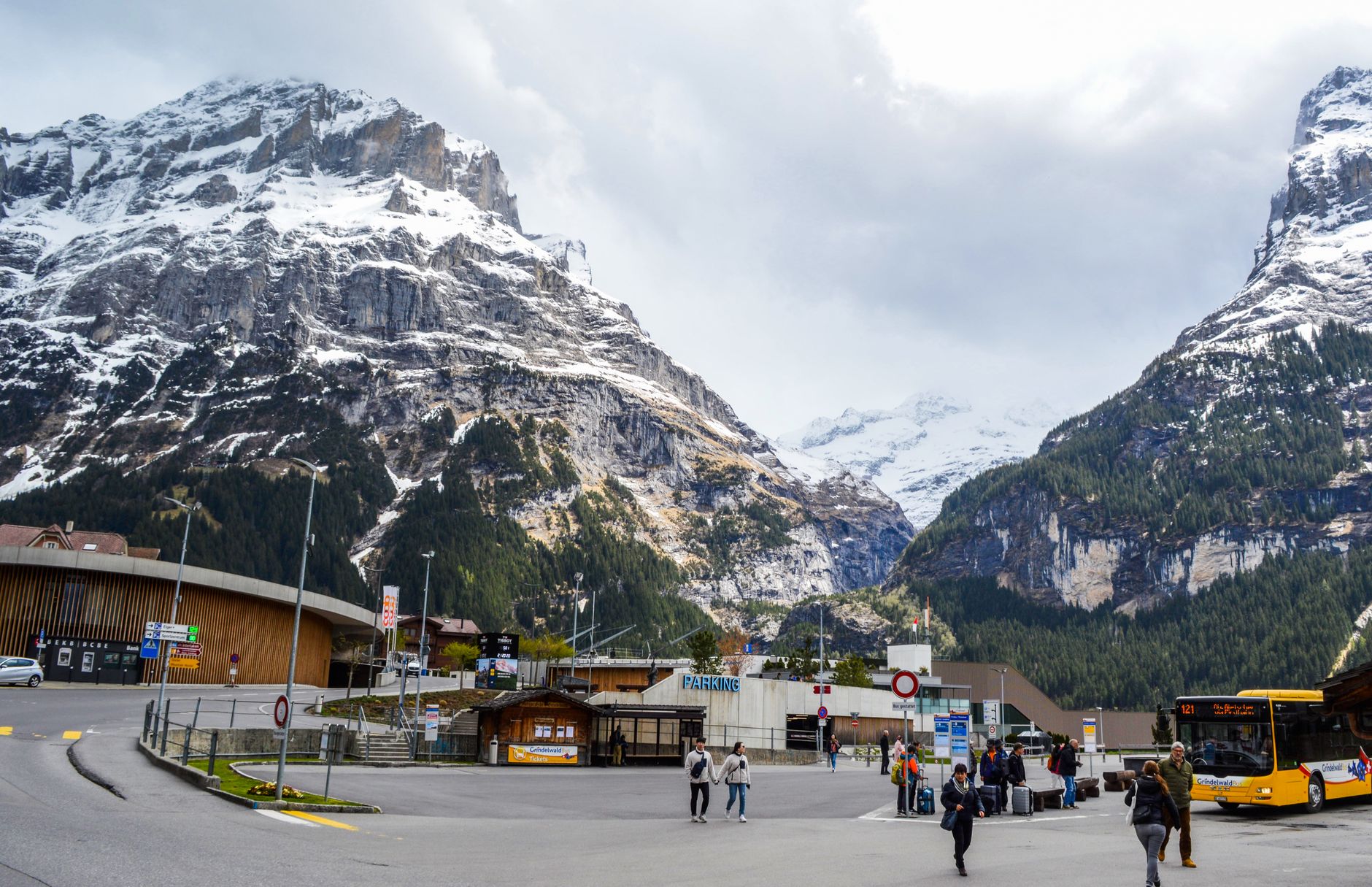
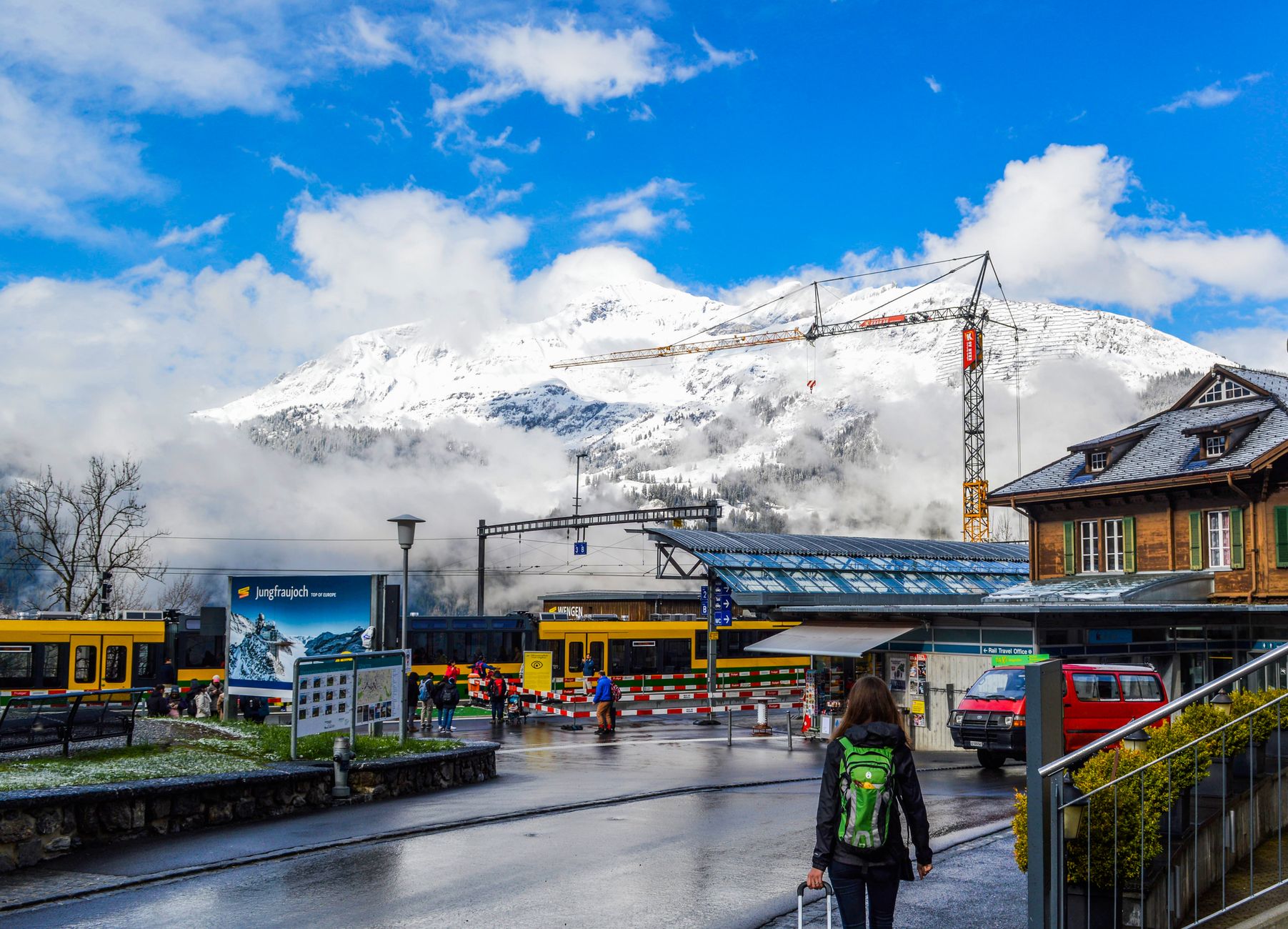
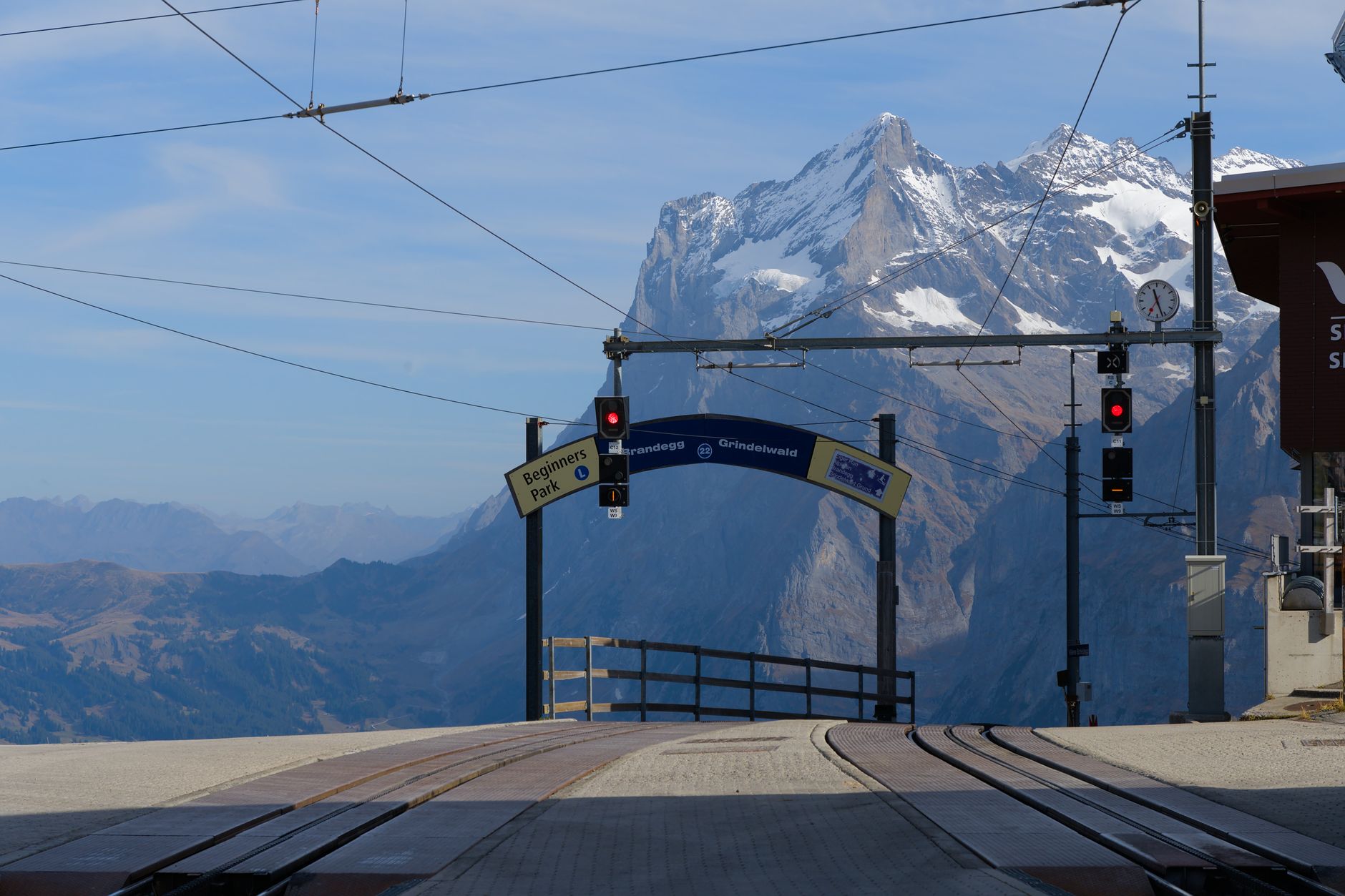
The first thing you notice in Grindelwald is the scale. The Eiger's north face — nearly 1,800 metres of limestone and ice — simply sits there above the rooftops, close enough that you keep glancing up at it as you walk. This is a valley that has been pulling people in since a monastery record first named it in 1146, and the mountains haven't changed, even if everything around them has.
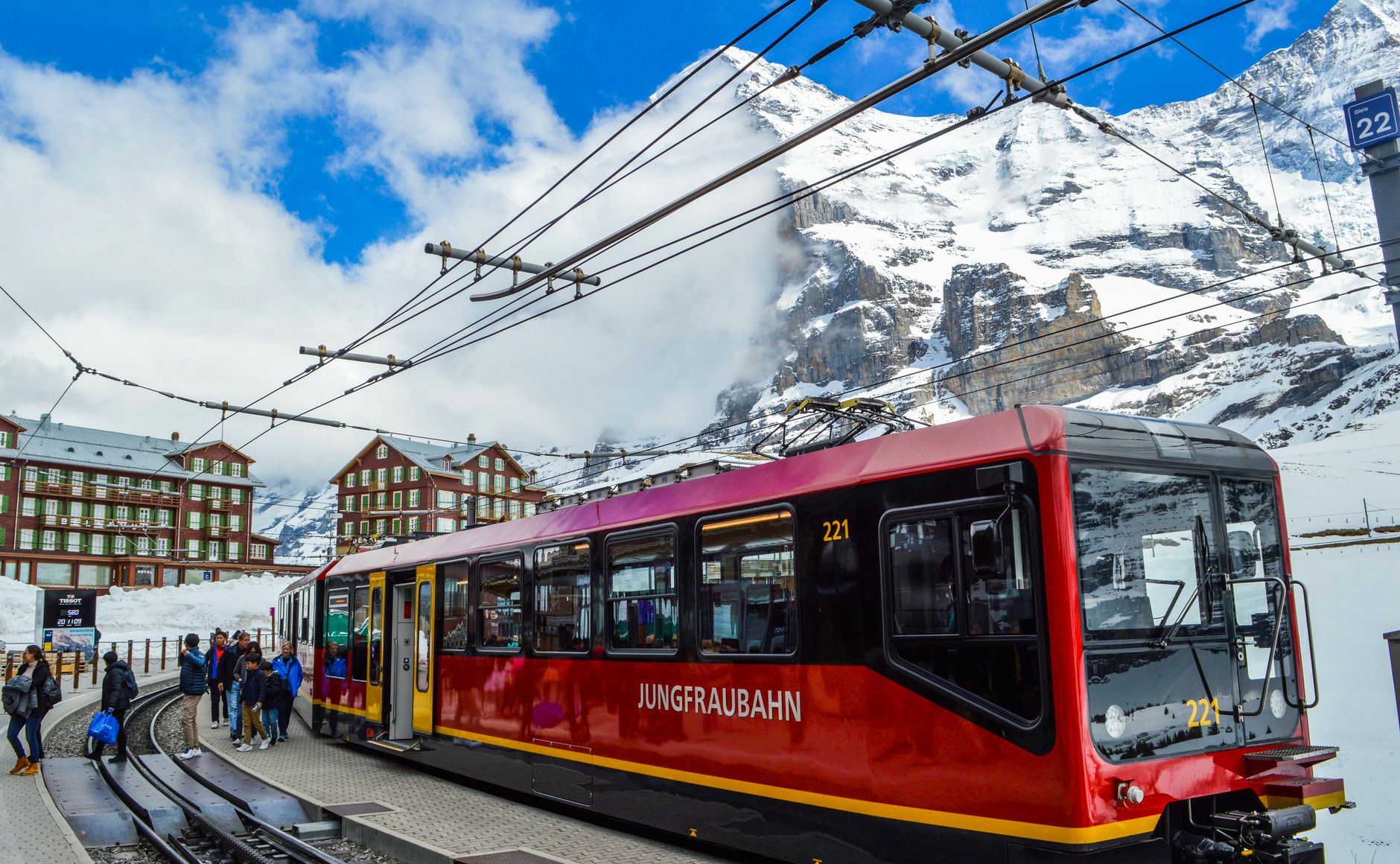
Today Grindelwald is one of the Bernese Oberland's main staging posts for high-altitude travel: the Eiger Express gondola, completed in 2020, cuts the journey to Eiger Glacier to fifteen minutes, and the Jungfraubahn — bored through the Eiger's own rock between 1896 and 1912 — still climbs to 3,454 metres at Jungfraujoch. The village beneath all this is modest in size but serious in purpose.
💛 What travellers fall for
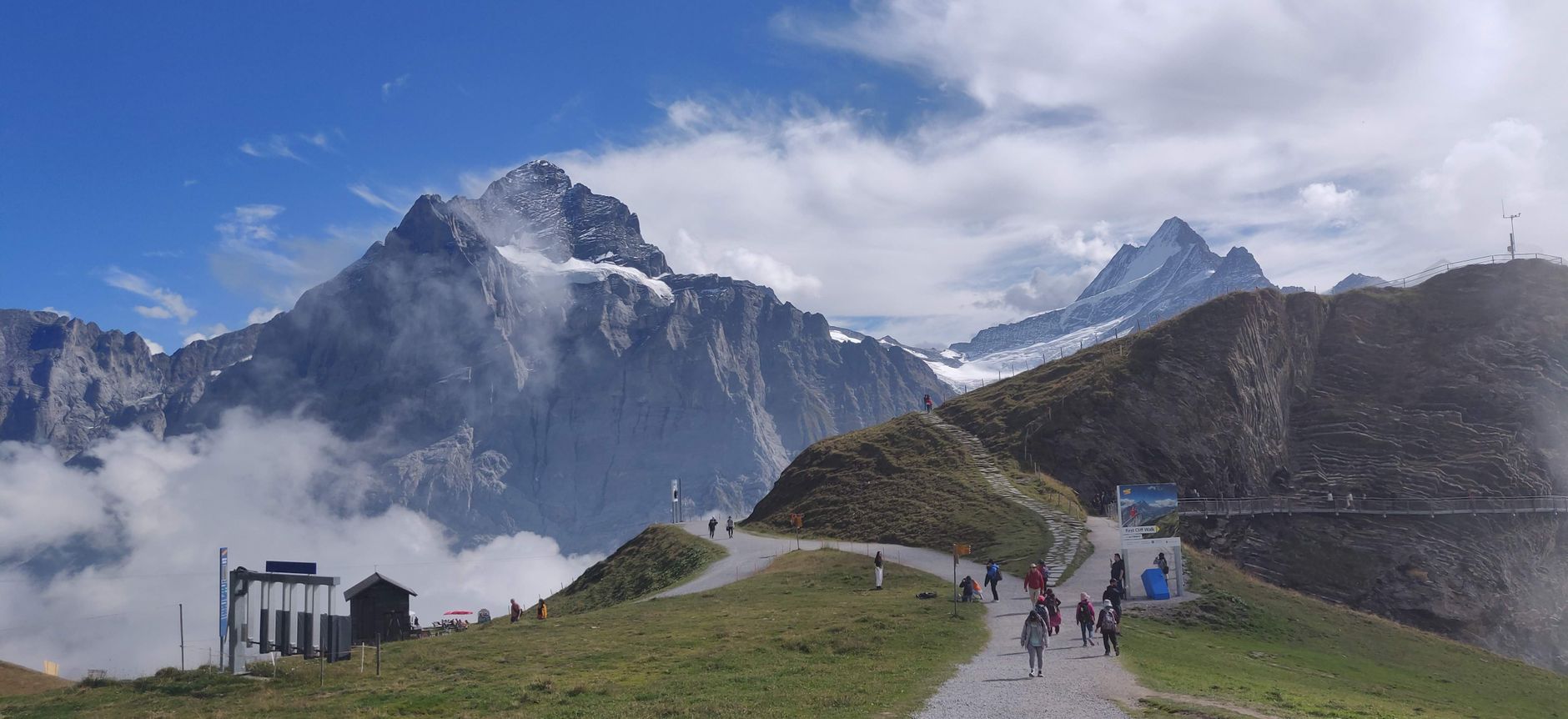
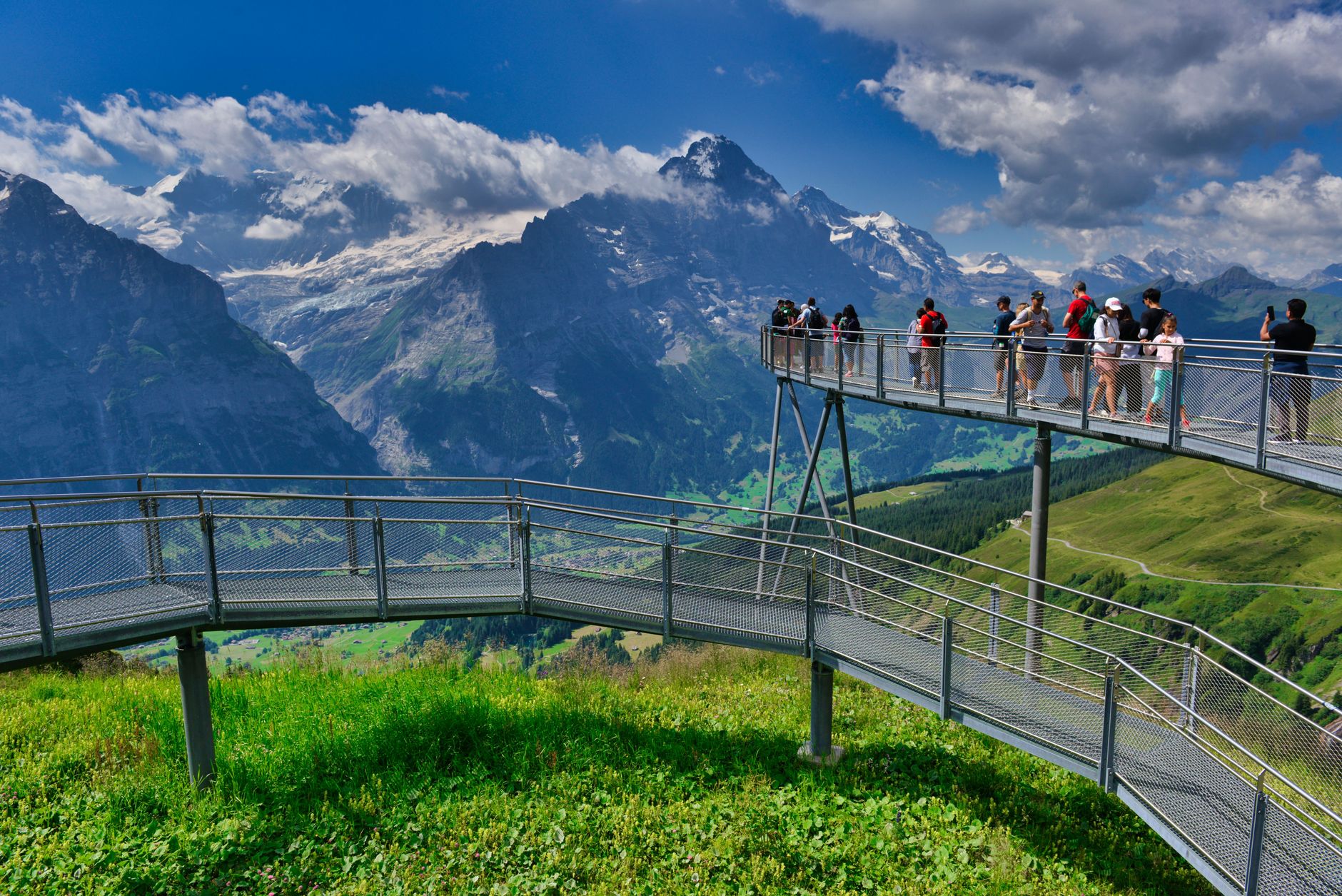
People who come back tend to start at Grindelwald First rather than heading straight for the big-ticket summit. The Cliff Walk is free once you're up, and the 2023 First View platform gives you nine different angles on the Wetterhorn and Schreckhorn. The Glacier Canyon, two kilometres from the centre, is quieter than you'd expect for CHF 21.
Deals in Grindelwald
Book directly at the provider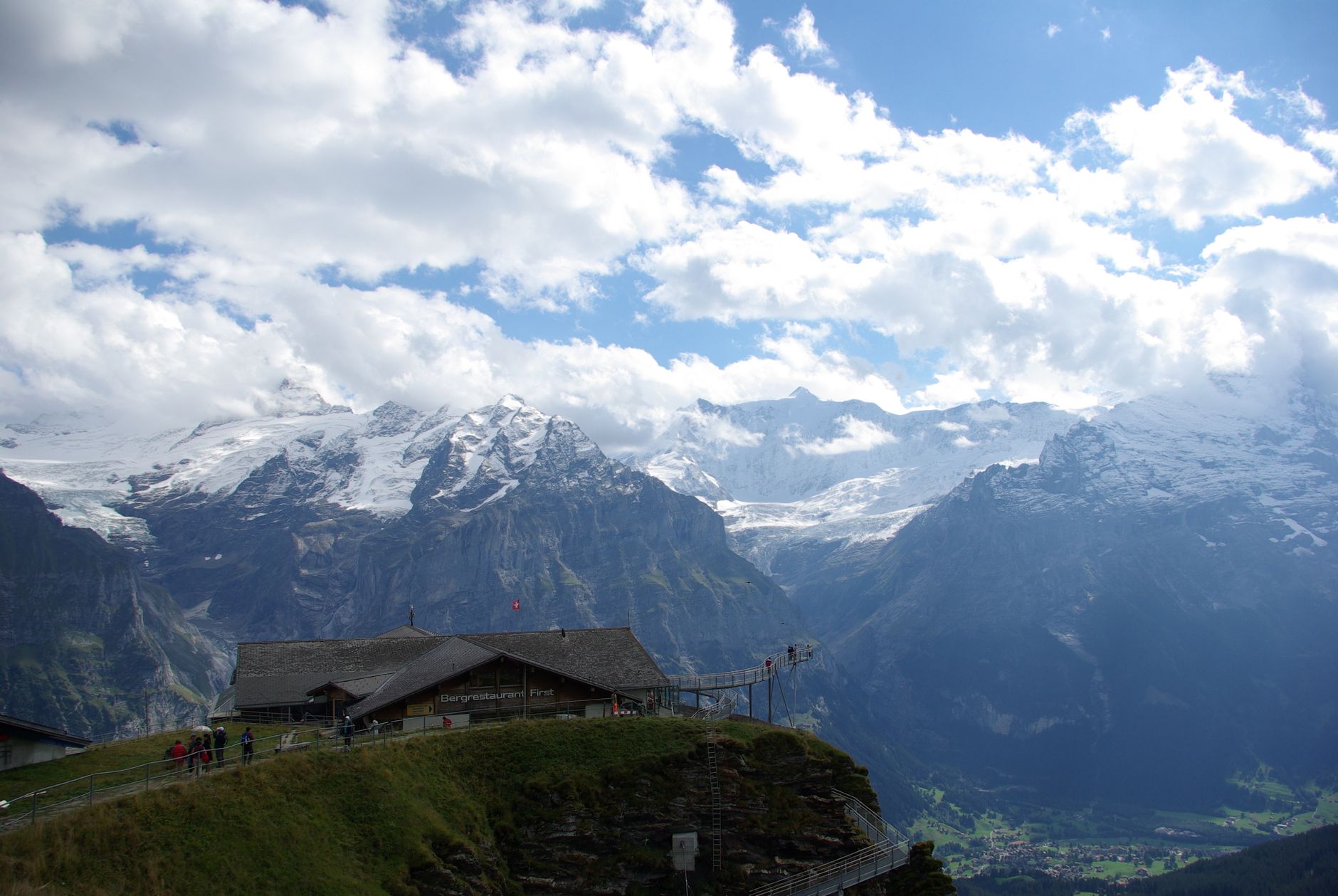

How Grindelwald came to be
A monastery record from 1146 is the first written proof of settlement here, though neolithic tools and Roman-era coins suggest people found the valley long before any scribe did. Interlaken Monastery spent the 13th century quietly acquiring land and rights until the local nobility was effectively pushed out. A castle on Burgbühl hill is all that remains of that earlier order of power.
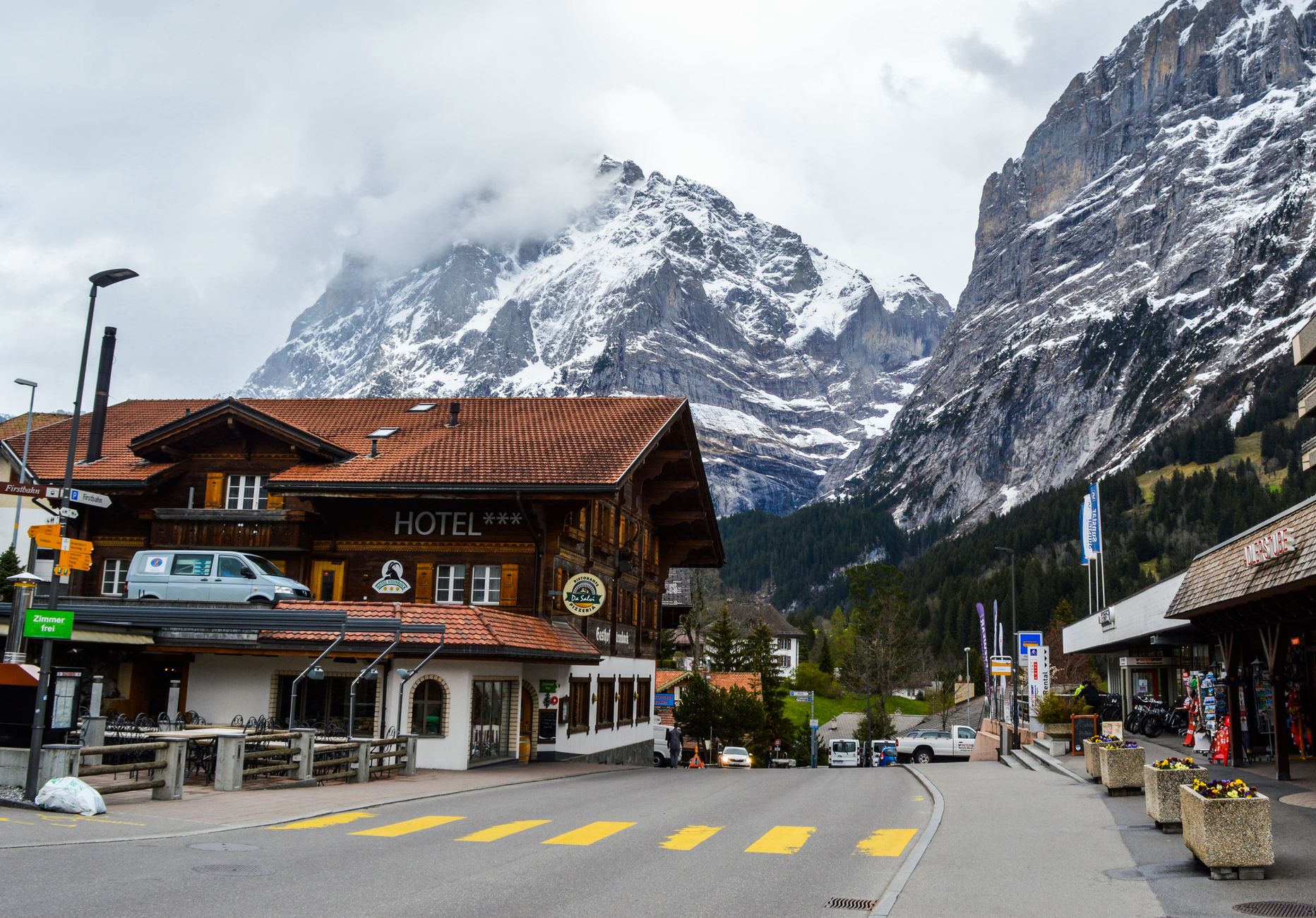
The modern village is largely a product of the 1890s: the Berner Oberland-Bahn arrived in 1890, the Wengernalp rack railway in 1893, and a Great Fire in 1892 destroyed 116 buildings — which is why so little of the pre-tourist village survives. The Reformed Church of 1793, with its whitewashed walls and plain tower, is one of the few structures that predates that era. In 1908, a lift near the village became Switzerland's first public aerial passenger cableway. The Eiger's north face was finally climbed in 1938 by Heinrich Harrer, Fritz Kasparek, Andreas Heckmair, and Ludwig Vörg — a route that had already taken many lives.
Who and what shaped it
People who shaped it
Landmark buildings
See Grindelwald in motion
Plan your visit
On the map
When to go
Grindelwald receives close to 2,000 mm of precipitation a year, so rain and snow are genuine possibilities in any season. Summer days (June to August) can be warm in the valley while the upper stations stay cool; winter brings reliable snow but also cloud that can close in and obscure the peaks for days at a time — patience, or an early start, is worth more than any forecast.
Right now
Background & history adapted from Wikipedia (CC BY-SA) · specs from Wikidata (CC0) · weather from Open-Meteo · map data © OpenStreetMap contributors · photos from Wikimedia Commons / Unsplash with per-image credit. No third-party reviews or social posts reproduced.