
Grenoble
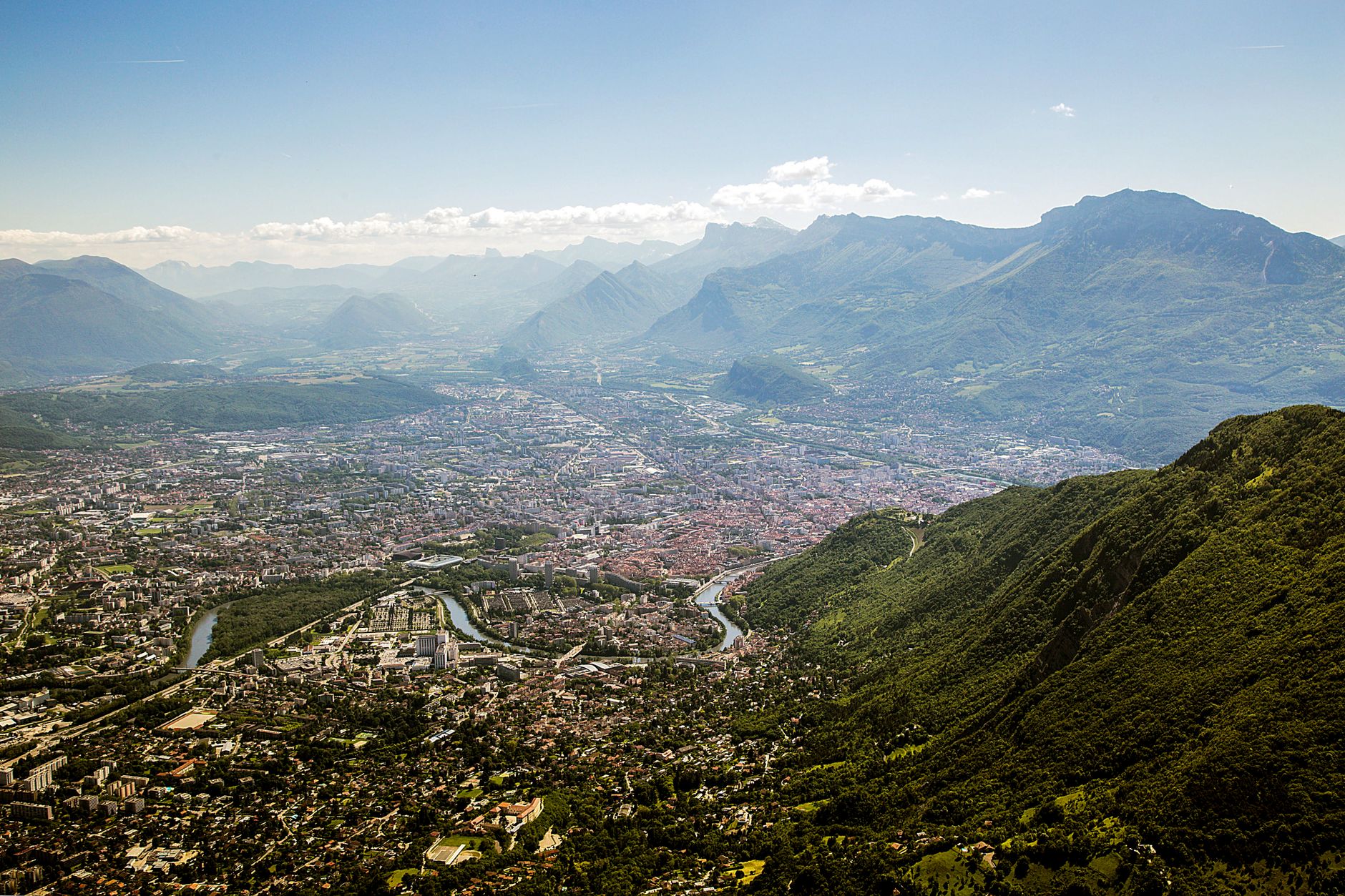
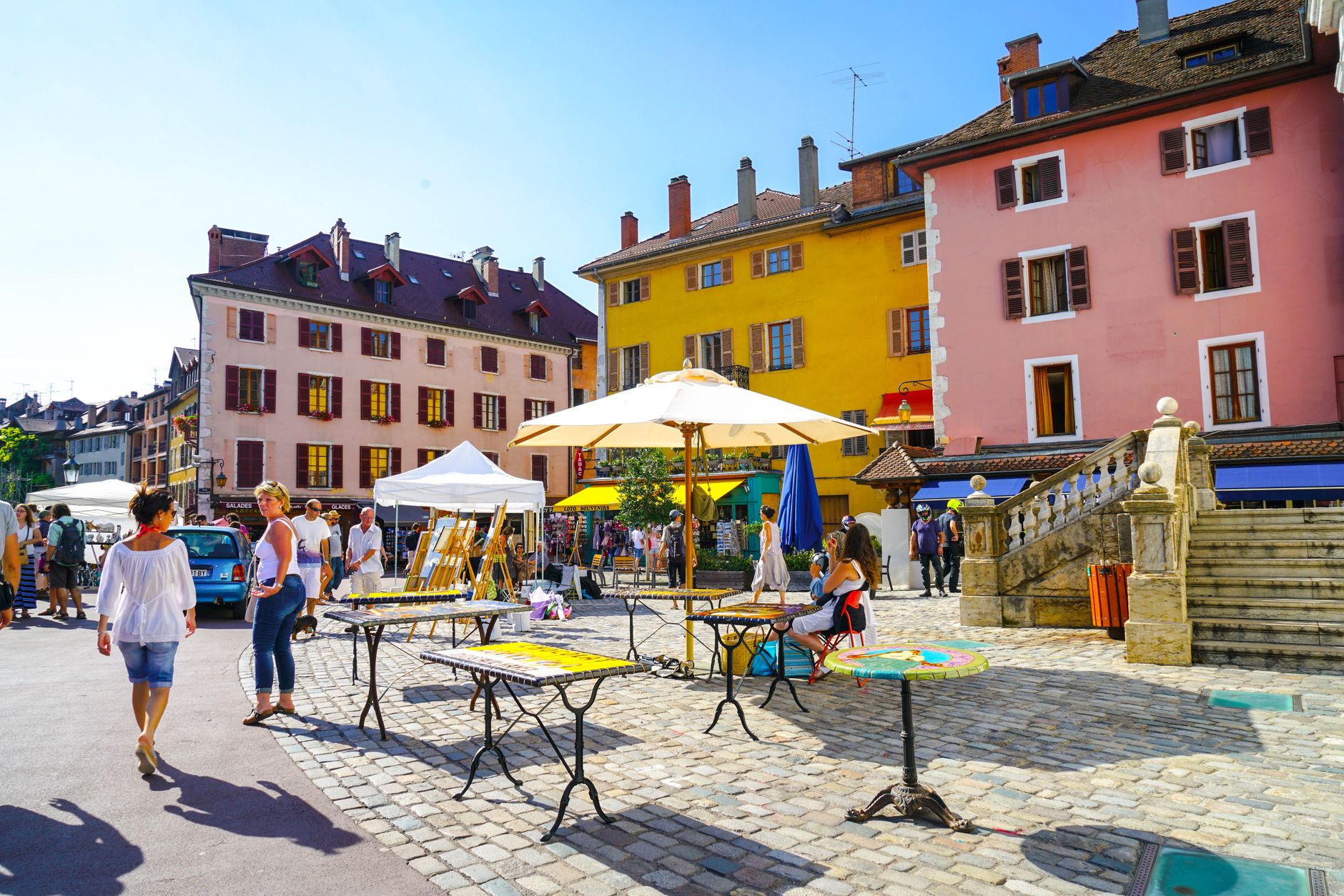
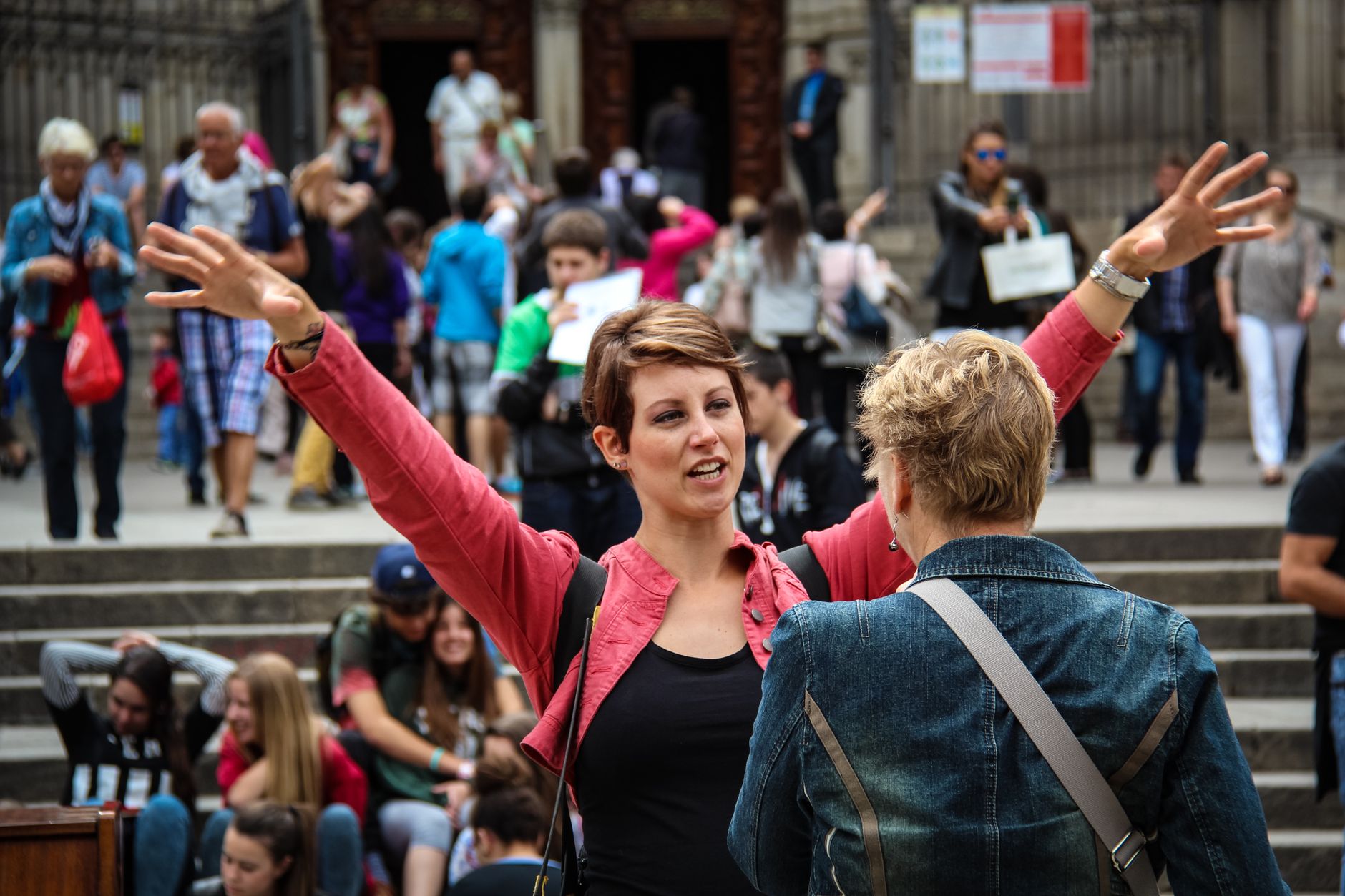
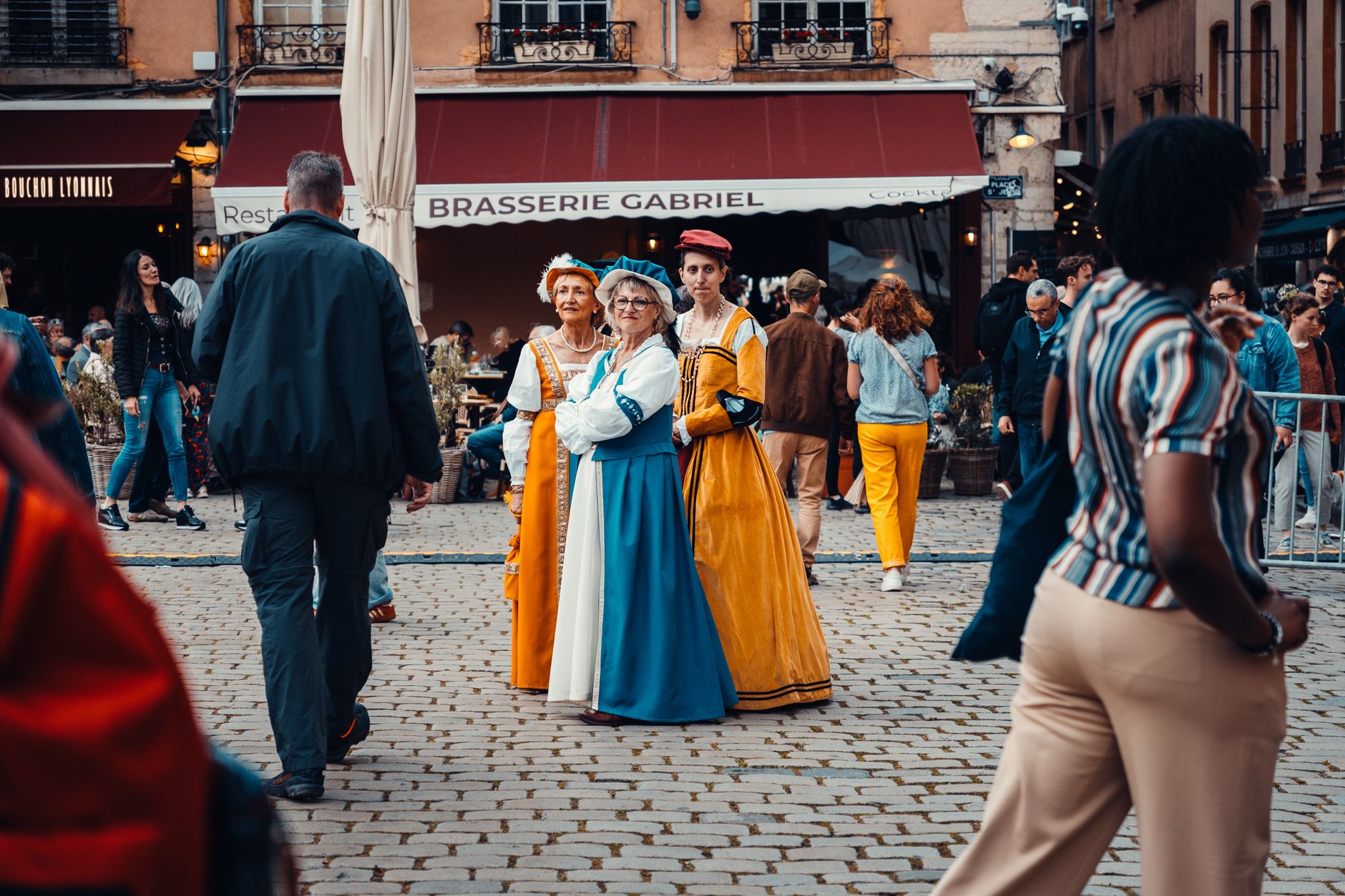
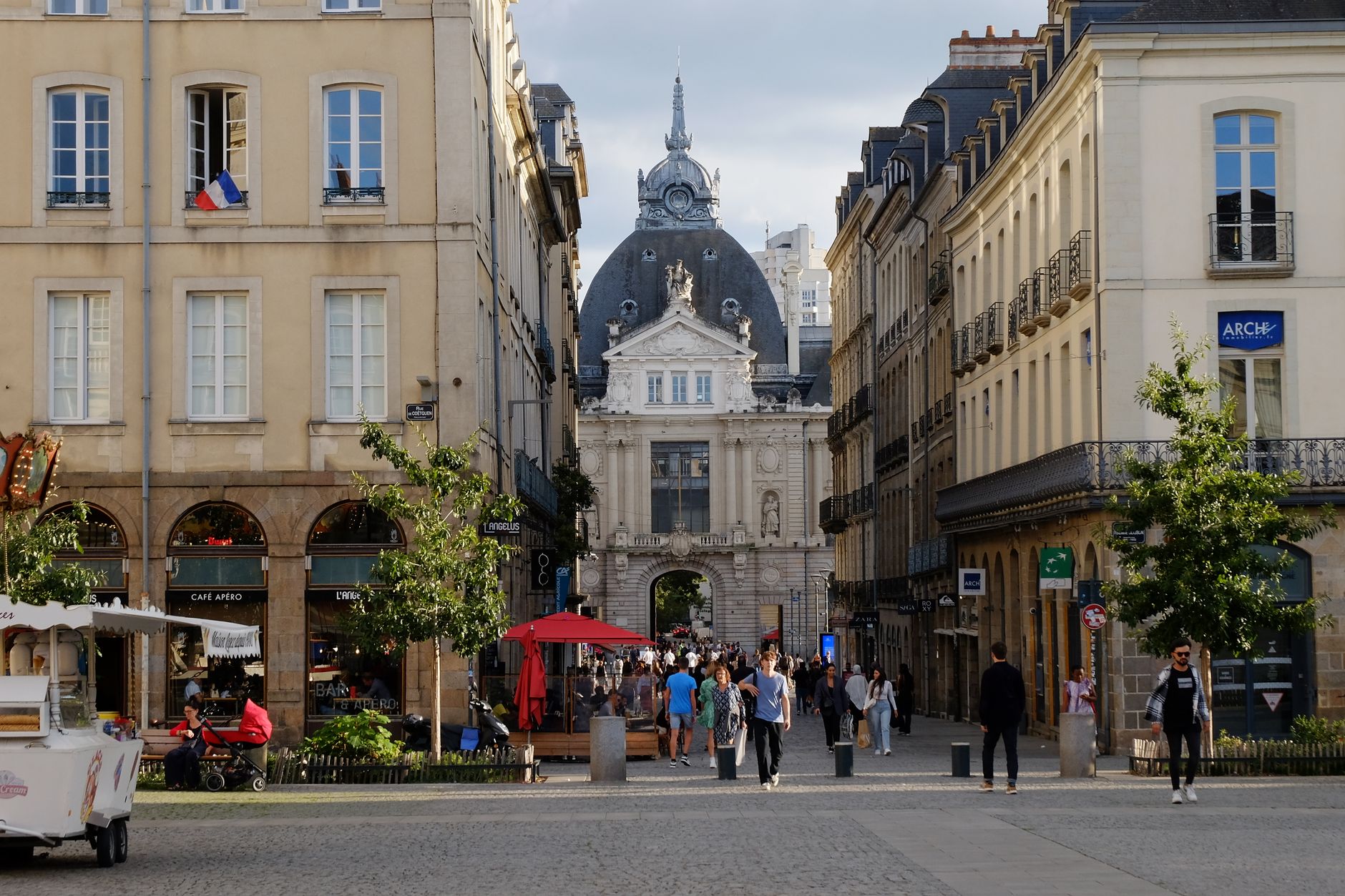
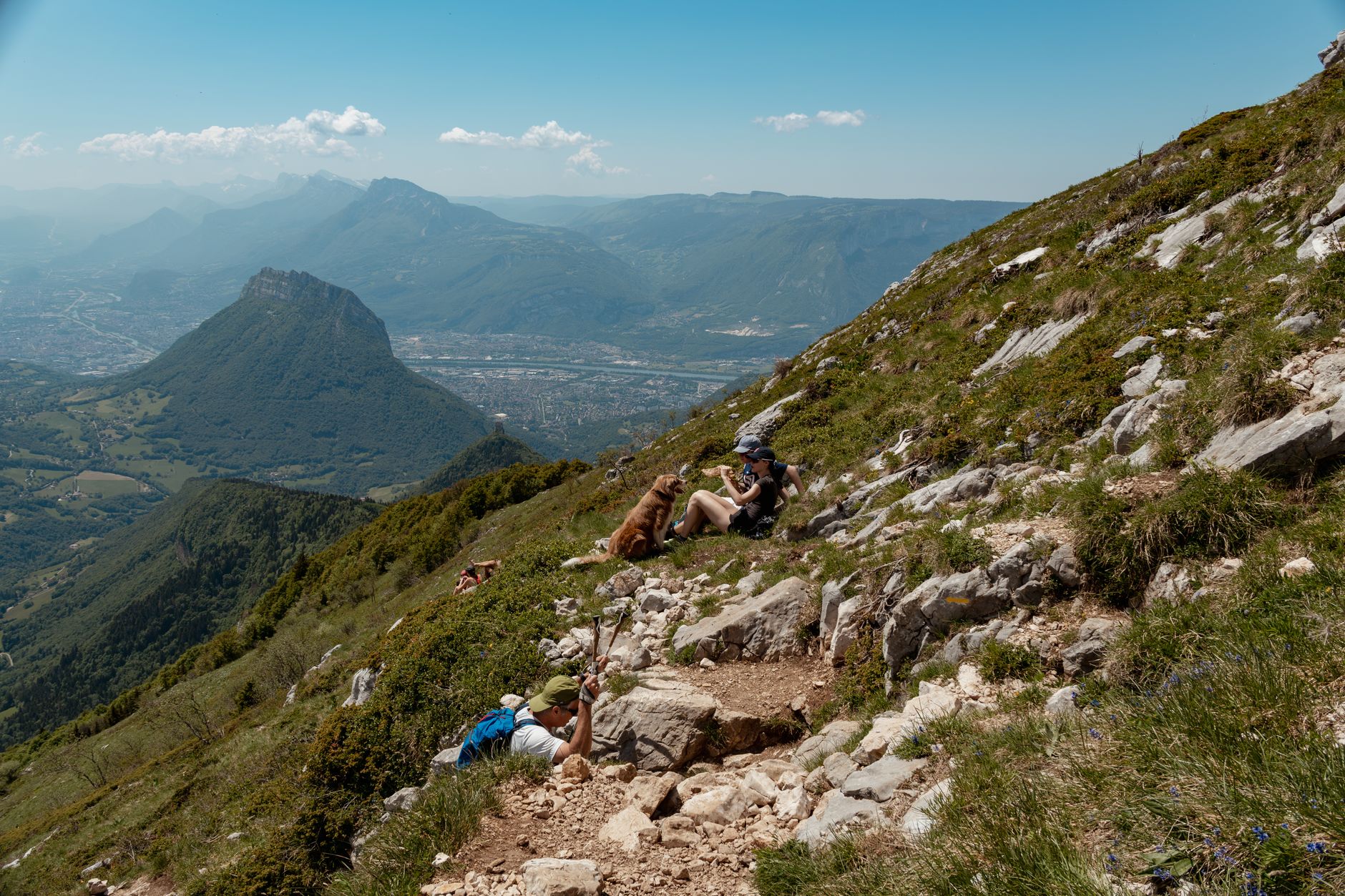
Three rivers meet at Grenoble — the Isère, the Drac, and the Romanche — and the city sits in the bowl they've carved between the Chartreuse, Vercors and Belledonne massifs. The mountains aren't a backdrop here; they're the walls of the room. On clear mornings you can read the snowline from a café table.
Grenoble earned its living through gloves, then hydropower, then the 1968 Winter Olympics, and now a dense concentration of research institutes and tech firms. That mix of industrial grit and intellectual energy shapes everything from its museums to its street art, which coats entire building facades across the city.
💛 What travellers fall for
People who keep coming back tend to make straight for Les Bulles — the bubble-shaped cable cars that have been lifting passengers to Fort de la Bastille since 1934. The ride is short, the view of the confluence below is not. After that, the Musée de Grenoble on a weekday afternoon, when the rooms are quiet enough to sit with the collection properly.
Experiences you don't want to miss


Deals in Grenoble
Book directly at the provider

How Grenoble came to be
The site has been occupied for over two thousand years, first as Cularo, a settlement of the Allobroges tribe, then as a Roman fortification. In 381 AD it was renamed Gratianopolis — city of Gratian — and within a few years the diocese was founded, anchoring the Church of Saint-Laurent, which predates the cathedral by centuries.
Grenoble became capital of the Dauphiné in the 11th century, and in 1349 the last Dauphin, Humbert II — who had already founded the university in 1339 and established a court of justice in 1336 — sold the entire province to France, on the single condition that the French crown prince would always carry the title of Dauphin. The city's revolutionary instincts surfaced early: in June 1788, a year before the storming of the Bastille, Grenoble's population drove royal troops off the streets in what became known as the Journée des Tuiles — the Day of Tiles, named for the rooftop ammunition the crowd rained down on soldiers below.
Who and what shaped it
People who shaped it
Landmark buildings
See Grenoble in motion
Plan your visit
On the map
When to go
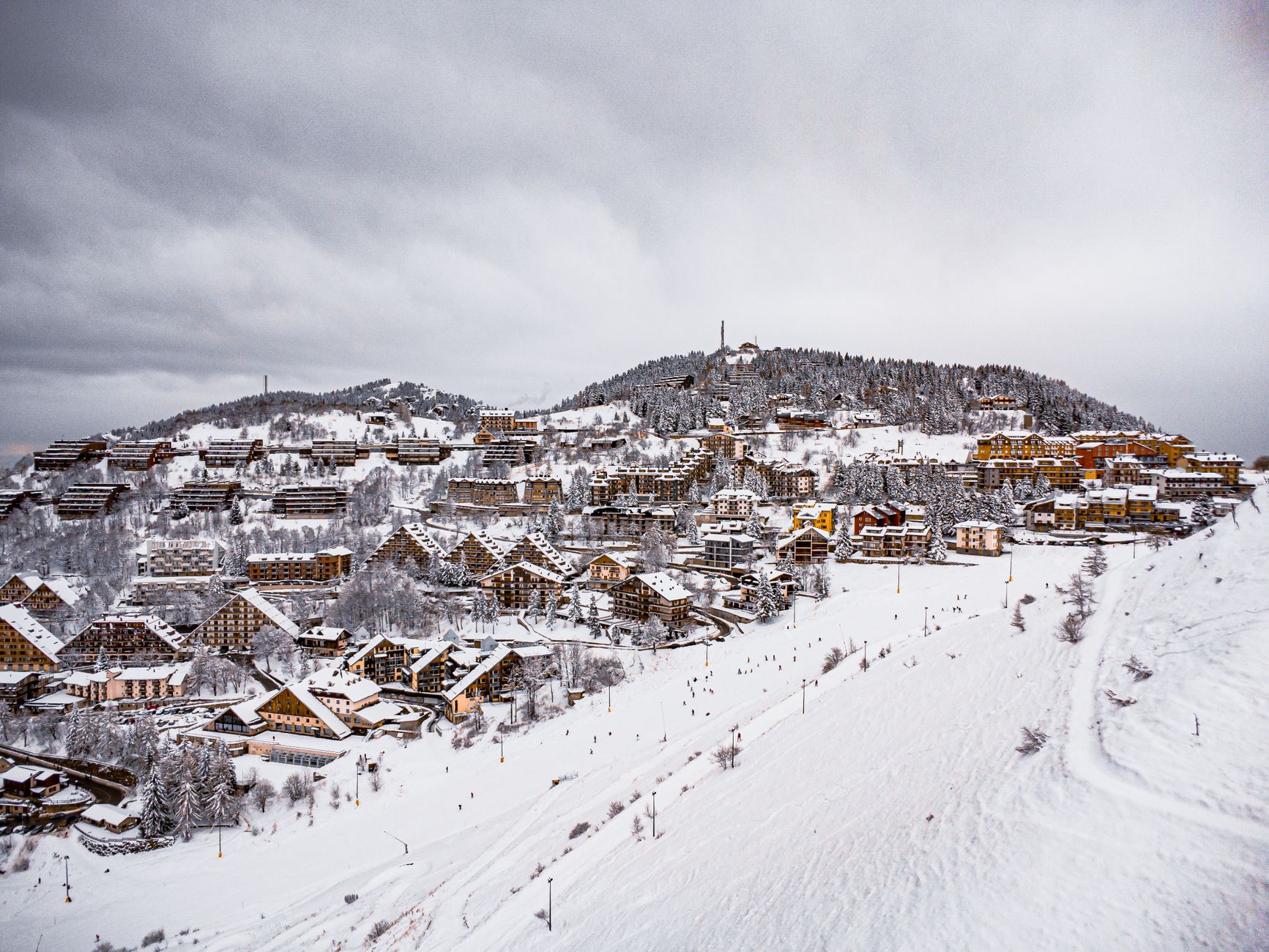
Summers are warm and often sunny, though afternoon thunderstorms roll in from the mountains without much warning. Winters are cold and the city can sit under a persistent temperature inversion that traps mist in the valley while the peaks above stay bright — worth knowing if you're deciding between a city day and a day at altitude.
Right now
Background & history adapted from Wikipedia (CC BY-SA) · specs from Wikidata (CC0) · weather from Open-Meteo · map data © OpenStreetMap contributors · photos from Wikimedia Commons / Unsplash with per-image credit. No third-party reviews or social posts reproduced.