
Greenwich Village
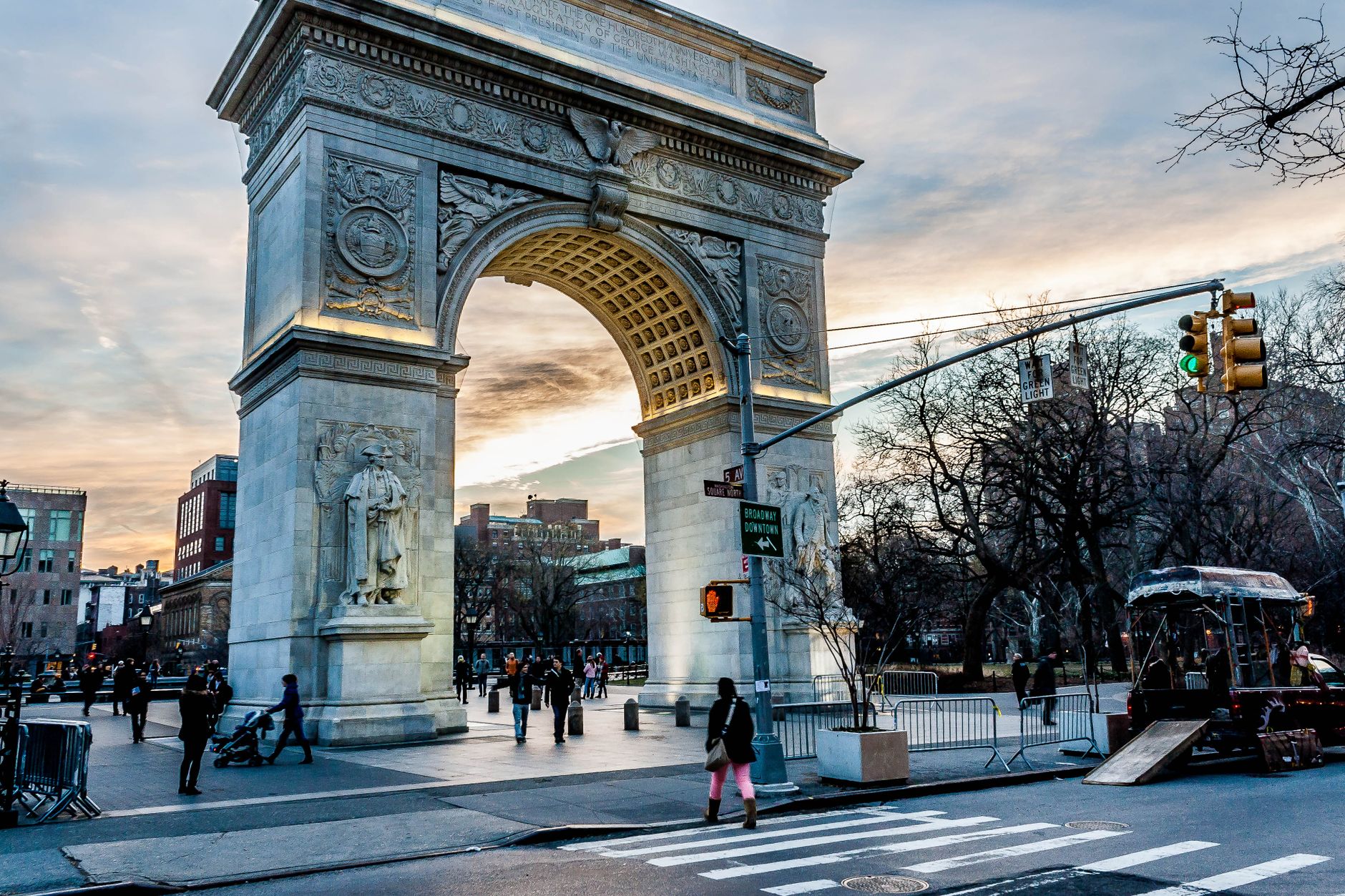
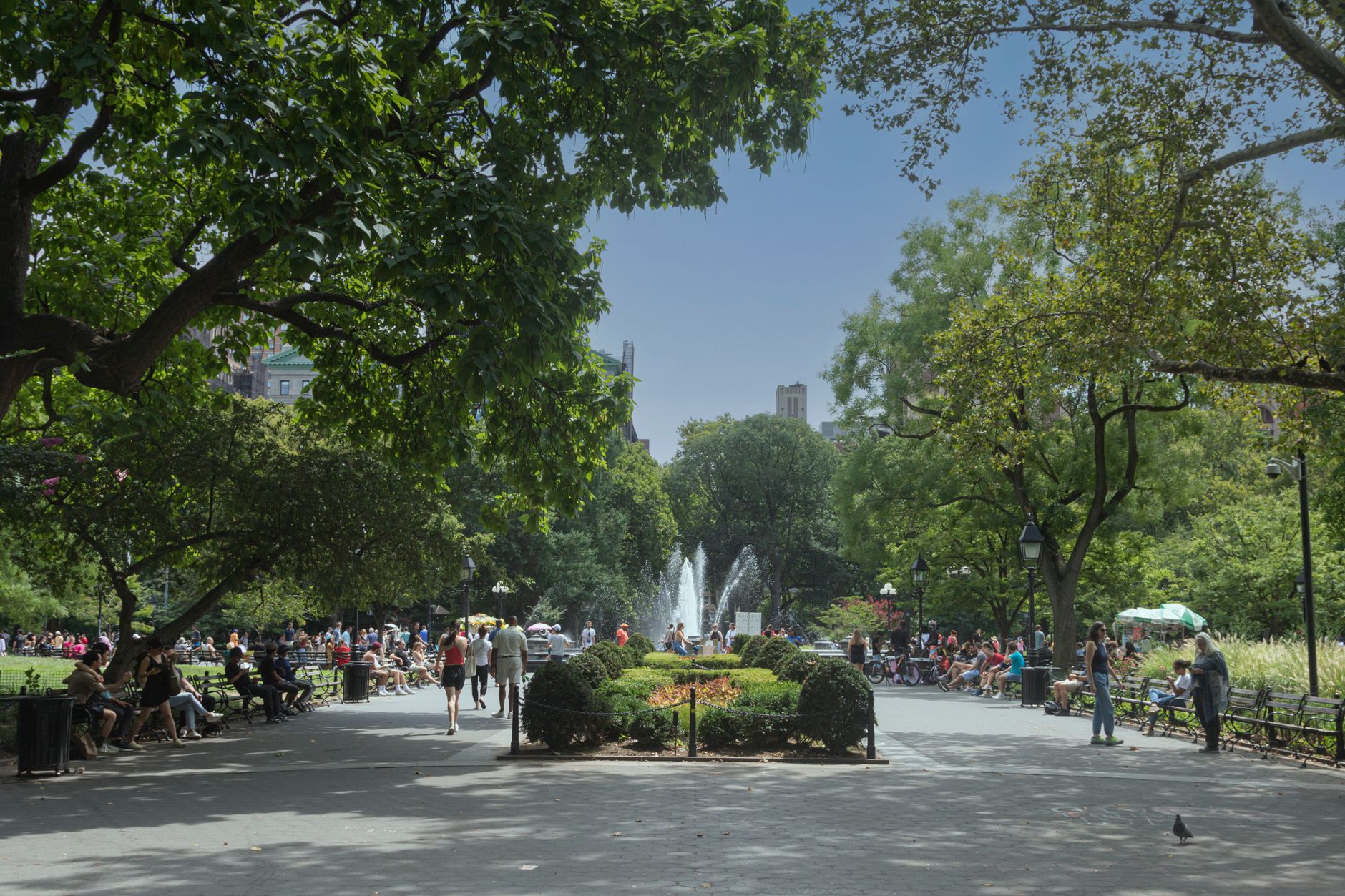
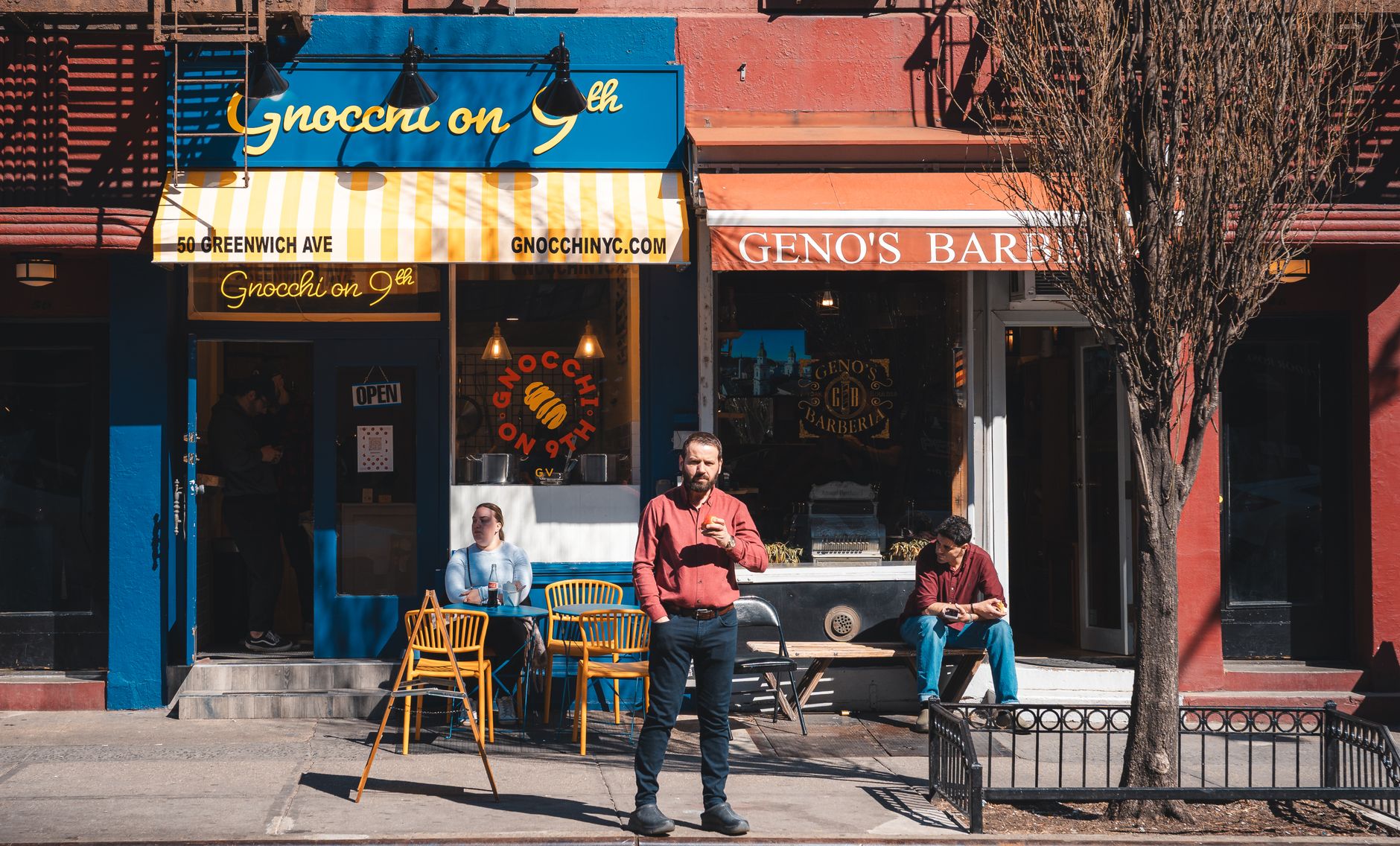
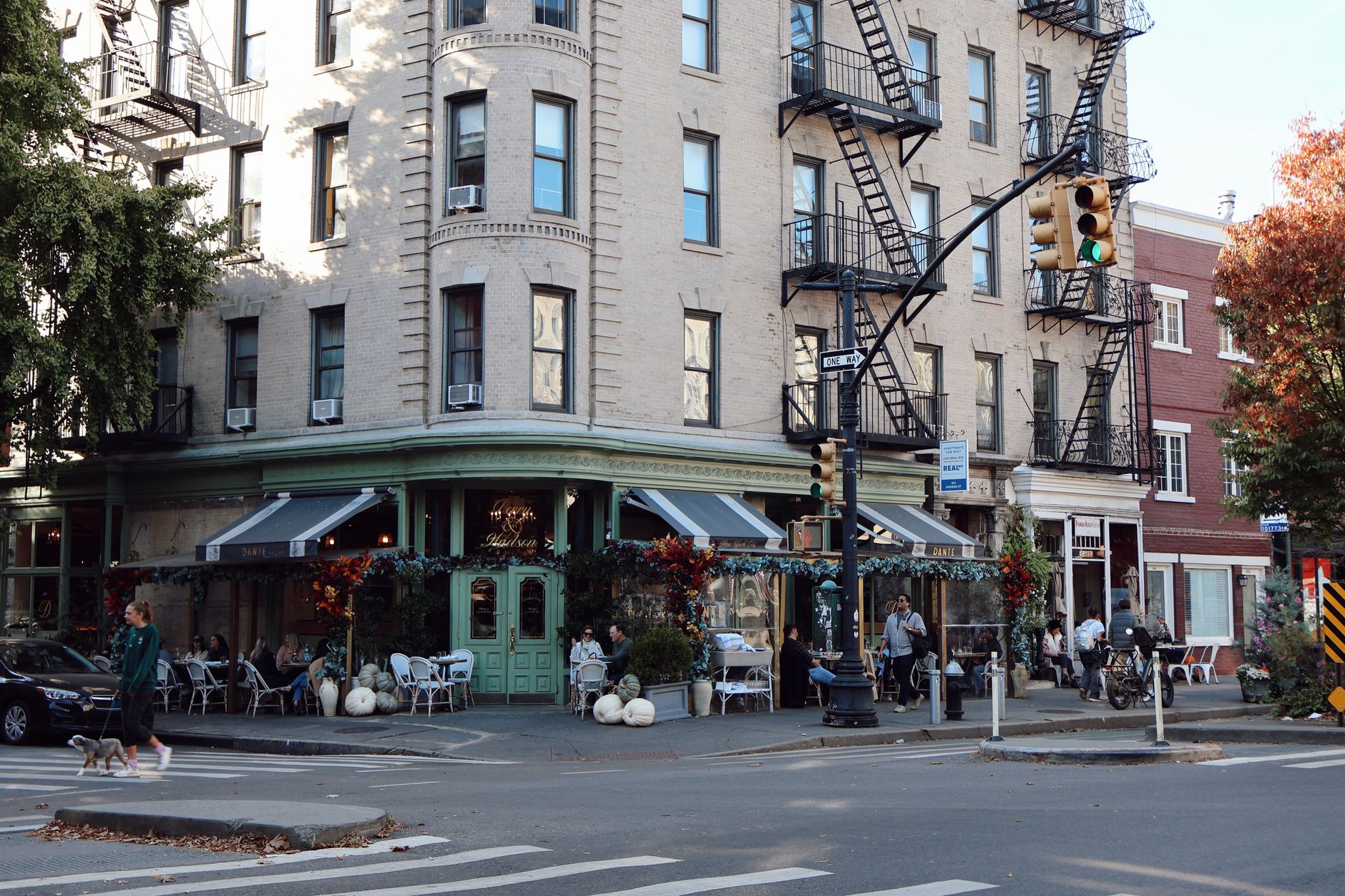
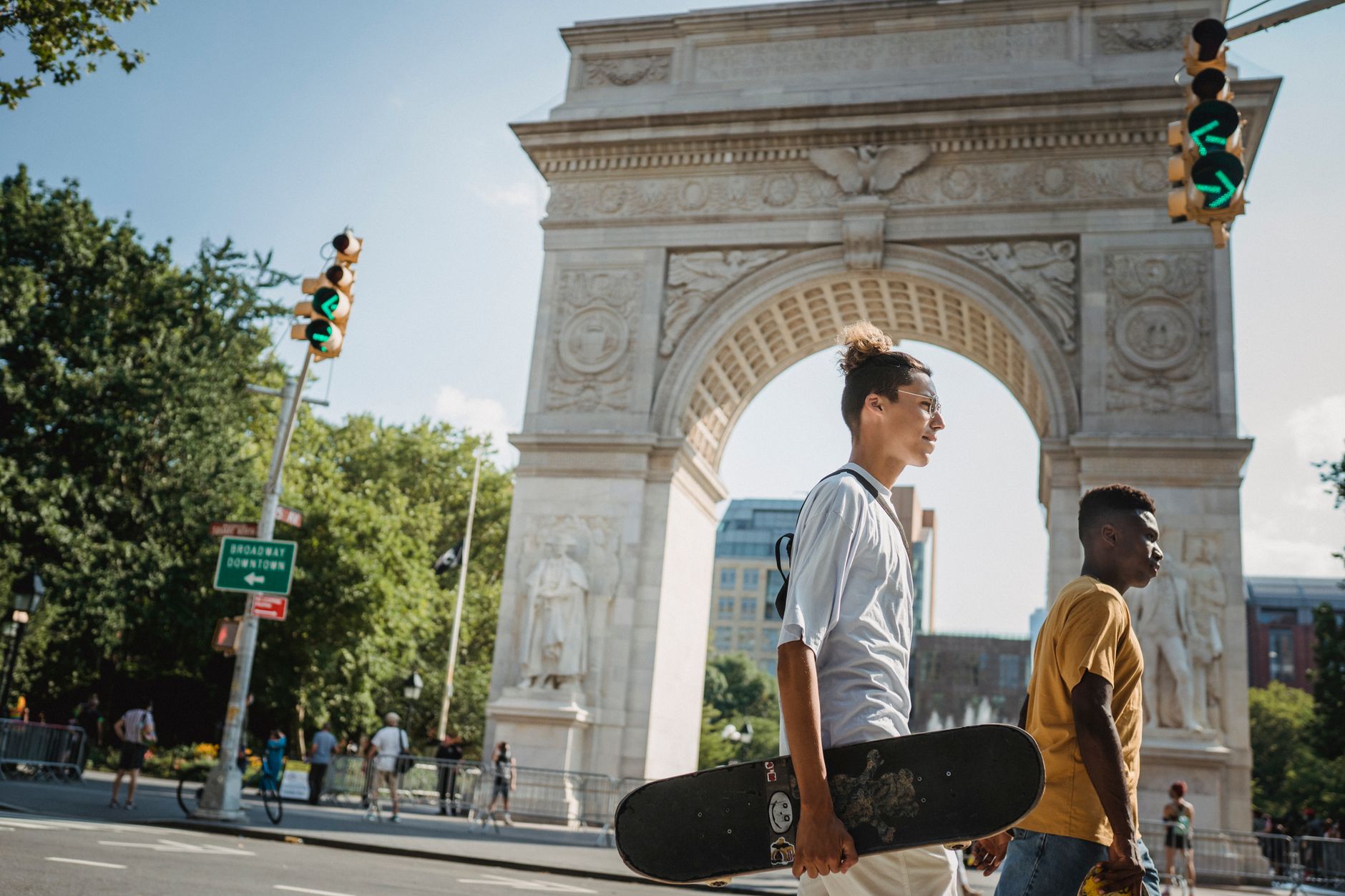
Washington Square Park is the clock Greenwich Village sets its days by. On any given morning, you'll find chess players at the stone tables before the coffee shops have unlocked their doors, and by evening the arch Stanford White designed to mark a century since George Washington's inauguration frames the last of the light. The streets around it — Commerce, Christopher, Bleecker, West 10th — hold more than two thousand structures that have barely changed their faces since the 1800s, which is why walking here feels less like tourism and more like overhearing a long, ongoing conversation.
This is a neighborhood that has been reinventing itself in the same few blocks for over a century: Beat poets in the 1950s, folk singers in the '60s, a civil rights uprising on Christopher Street in 1969. The bones are old; the argument never really stopped.
💛 What travellers fall for
People who come back tend to pick a corner and stay with it. The Village Vanguard on 7th Avenue South — open since February 1935 — runs sets most nights, and the room is small enough that the music lands in your chest. Cherry Lane Theatre on Commerce Street, the city's oldest continuously running off-Broadway house, is worth checking for whatever's on.
Deals in Greenwich Village
Book directly at the provider

How Greenwich Village came to be
The land was marshland the Lenape called Sapokanican before Dutch settlers cleared it in the 1630s, calling it Noortwyck. The English renamed it — 'Grin'wich' appears in city records as early as 1713 — and by the 1820s, yellow fever epidemics were pushing New Yorkers uptown to its relative safety. The area was converted into a military parade ground and park in 1826, and the Washington Square we know today took shape around that open space.
By the late 19th century, the Village had become a loose republic of artists and radicals. The Tenth Street Studio Building, designed by Richard Morris Hunt in 1857, was among the first purpose-built artist studios in the country. The 1969 Greenwich Village Historic District designation — protecting over 2,000 structures — locked in that streetscape. The same year, the Stonewall Inn on Christopher Street became the site of the riots that reshaped LGBTQ civil rights in America; in 2015 it became the first New York City landmark recognized specifically for that history.
Who and what shaped it
People who shaped it
Landmark buildings
See Greenwich Village in motion
Plan your visit
On the map
When to go
Spring and autumn are the easiest seasons here — mild enough to walk for hours without a second thought. Summers are humid and can be genuinely hot; winters are cold and occasionally brutal, though the park and the streets stay lively year-round.
Background & history adapted from Wikipedia (CC BY-SA) · specs from Wikidata (CC0) · weather from Open-Meteo · map data © OpenStreetMap contributors · photos from Wikimedia Commons / Unsplash with per-image credit. No third-party reviews or social posts reproduced.