
Gordonvale
Stand in Norman Park on a weekday morning and the layout of Gordonvale makes immediate sense: the Mulgrave Central Sugar Mill on one side, the pub on the other, and a flat green in between where a bronze cane farmer stands watch. The mill has been running since 1896, and for six months of the year the smell of crushed cane drifts through town. Behind everything rises Walsh's Pyramid — Djarragun Mountain — a 922-metre volcanic core so geometrically convincing you keep looking back at it.
Gordonvale sits about 24 kilometres south of Cairns, close enough for a day trip but with enough of its own character to reward a slower look. The Mulgrave Settlers Museum, the cane toad mural opposite the post office, and the unhurried pace of a working sugar town are the real draws here.
💛 What travellers fall for
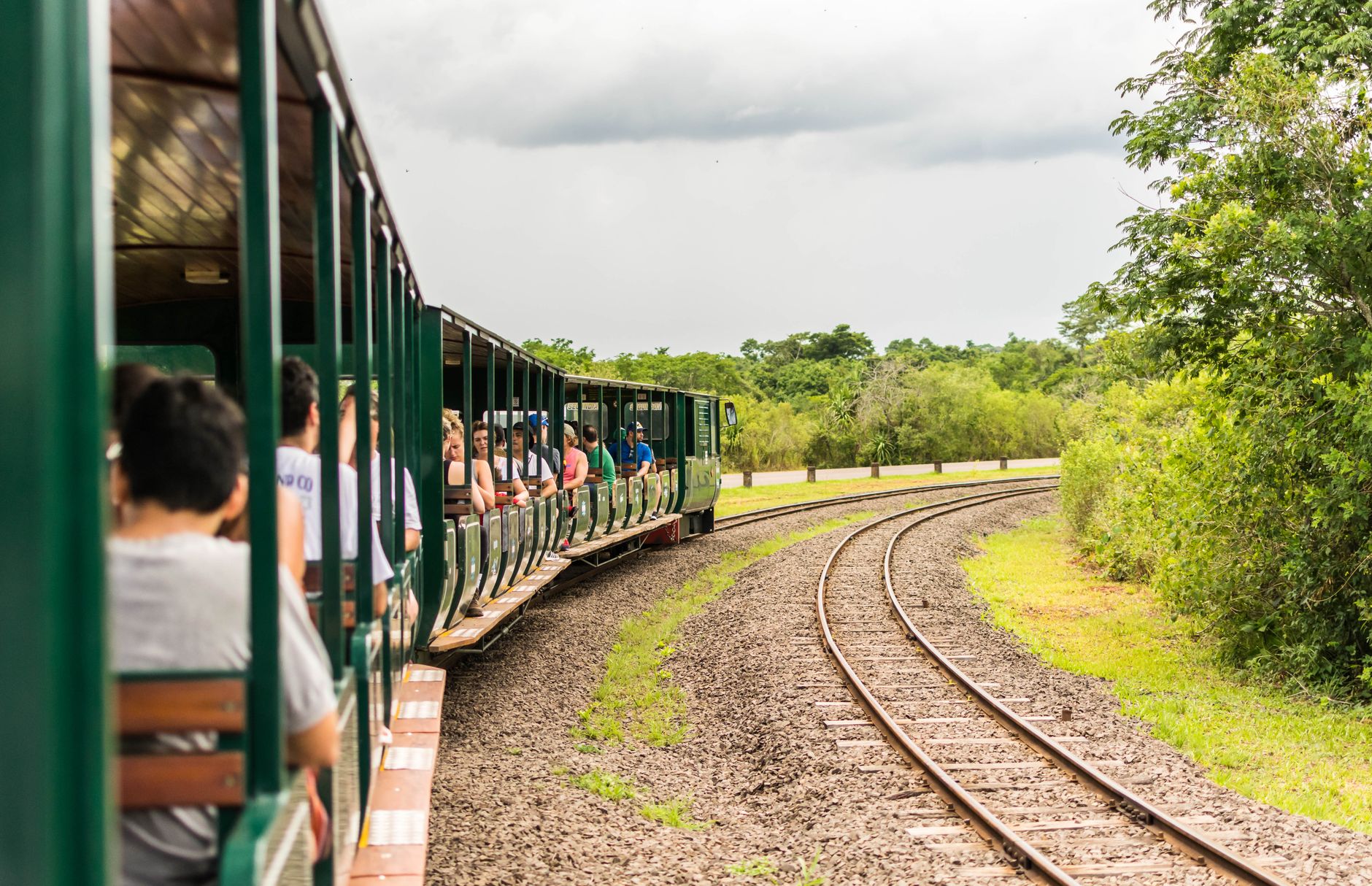
People who come back tend to time it for crushing season — roughly June to November — when the mill is running and the cane trains cross the roads. The Mulgrave Settlers Museum on Gordon Street is worth more time than it first suggests; the displays on Chinese workers and mule-train packers to the Atherton Tableland fill in a history that rarely gets told.
Deals in Gordonvale
Book directly at the provider

How Gordonvale came to be
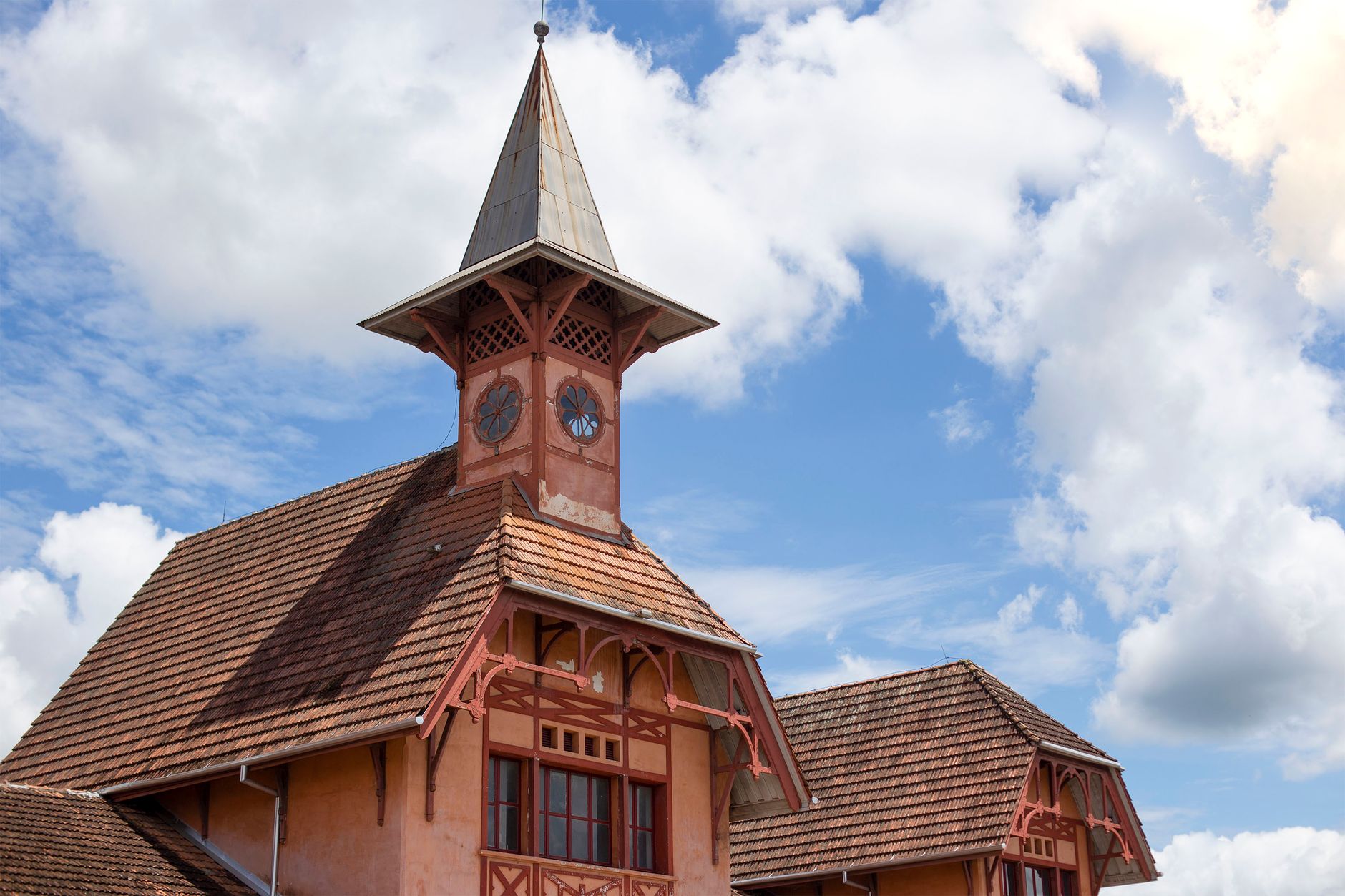
Cedar cutters William Saunders Alley and a Mr Blackwell brought their families here in 1877, cutting a road through to Trinity Inlet to haul timber out. Alley called the clearing Plain Camp. By 1882, Chinese businessman Andrew Leon had built the Pioneer Mill and planted the Hap Wah Plantation across 612 acres — the first sugar operation in the Cairns region. The settlement cycled through names: Plain Camp, then Mulgrave, then Nelson (after Queensland Premier Sir Hugh Muir Nelson), before finally settling on Gordonvale in 1913 — honouring John Gordon, a butcher who had arrived in the early 1880s.
The town's most consequential moment may have been in June 1935, when the Queensland Bureau of Sugar Experiment Stations released 101 cane toads imported from Hawaii, hoping they would control the beetles damaging the cane. They did not. The mosaic mural opposite the post office tells that story without flinching.
Who and what shaped it
People who shaped it
Landmark buildings
See Gordonvale in motion
Plan your visit
On the map
When to go
Gordonvale has a tropical climate: hot and wet from December through March, with heavy rainfall and the occasional cyclone warning. The dry season, April to November, is when the town is most comfortable to explore on foot — mornings especially, before the heat builds.
Right now
Background & history adapted from Wikipedia (CC BY-SA) · specs from Wikidata (CC0) · weather from Open-Meteo · map data © OpenStreetMap contributors · photos from Wikimedia Commons / Unsplash with per-image credit. No third-party reviews or social posts reproduced.