
Gengenbach
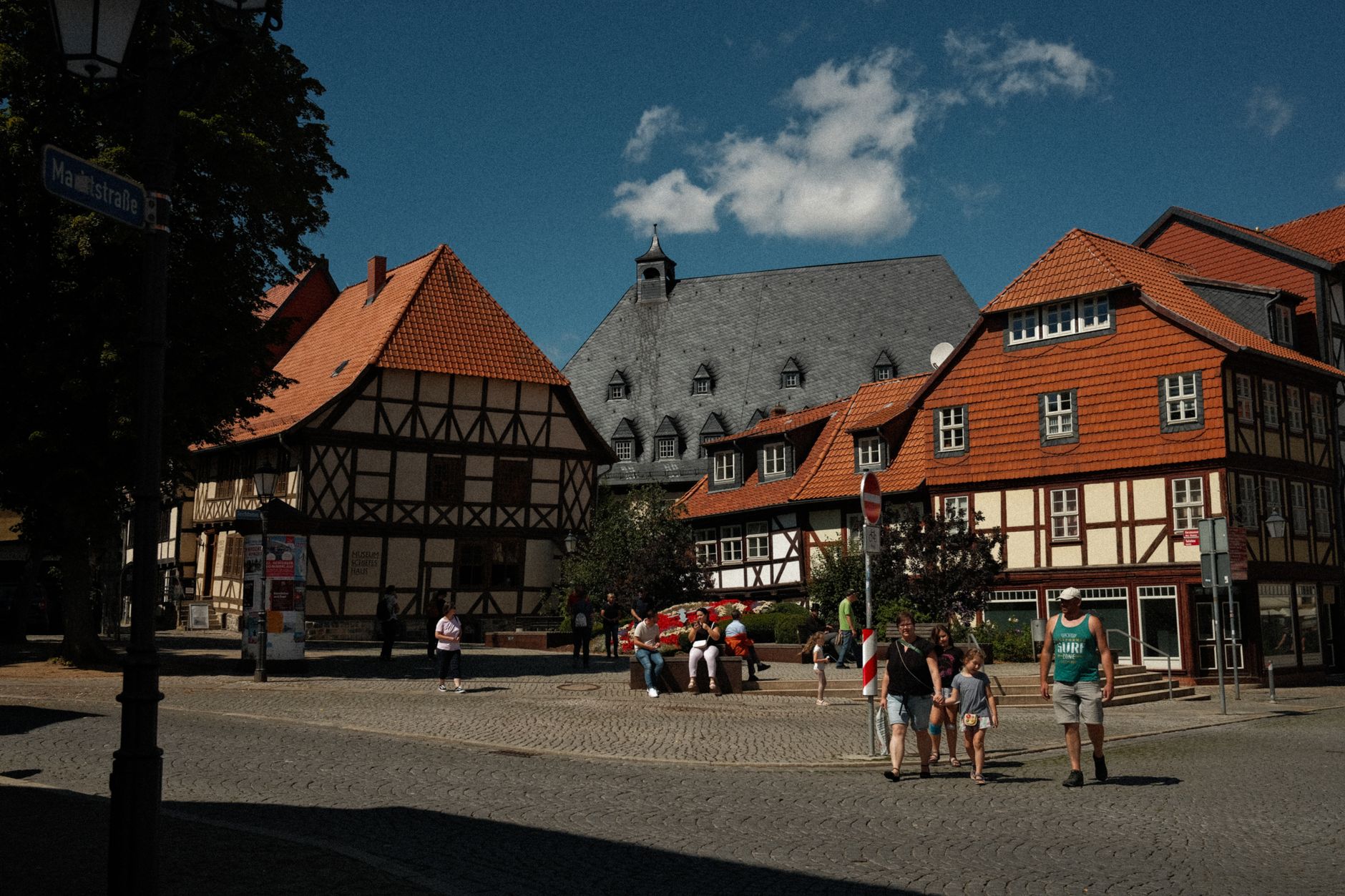
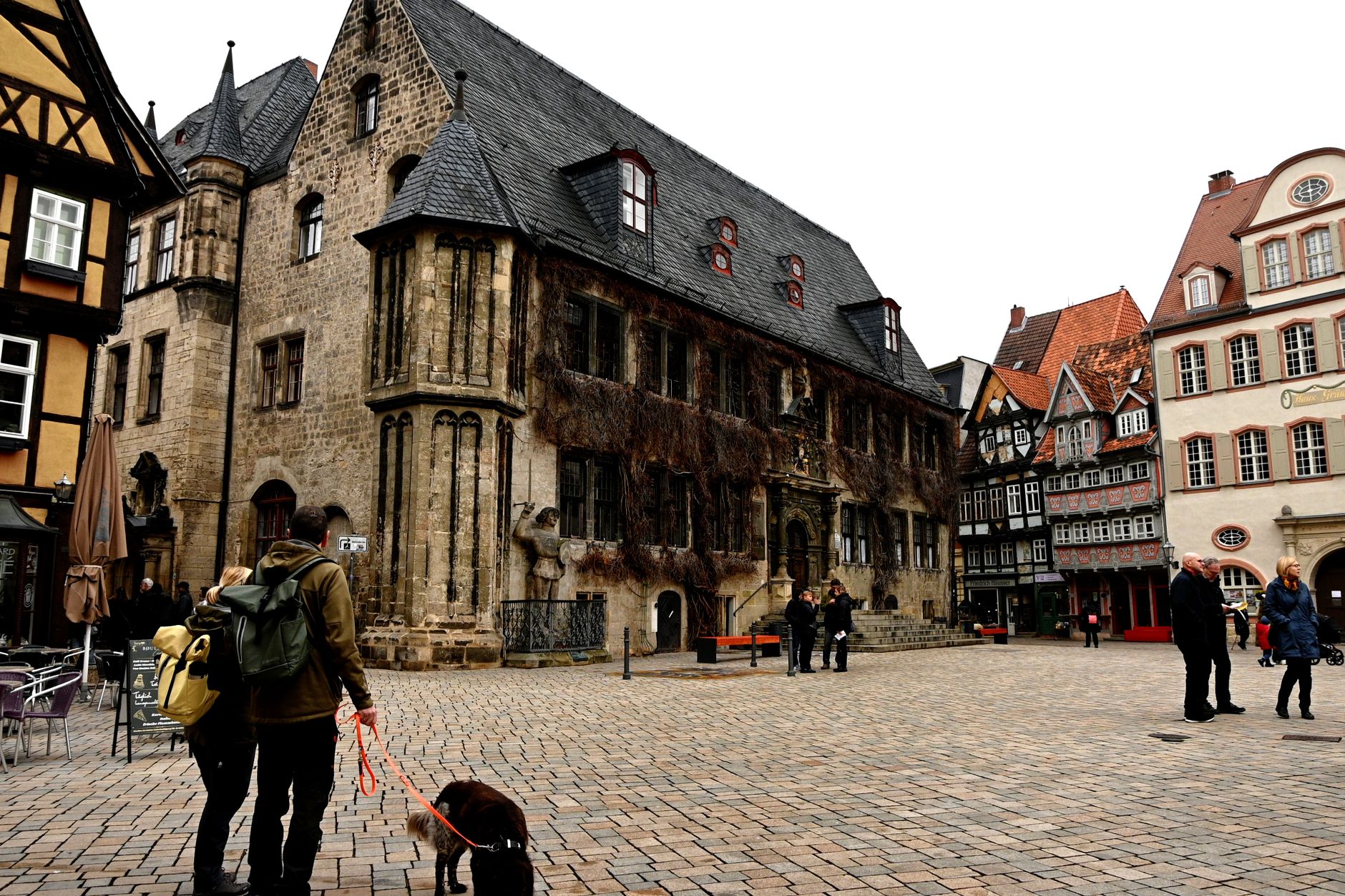
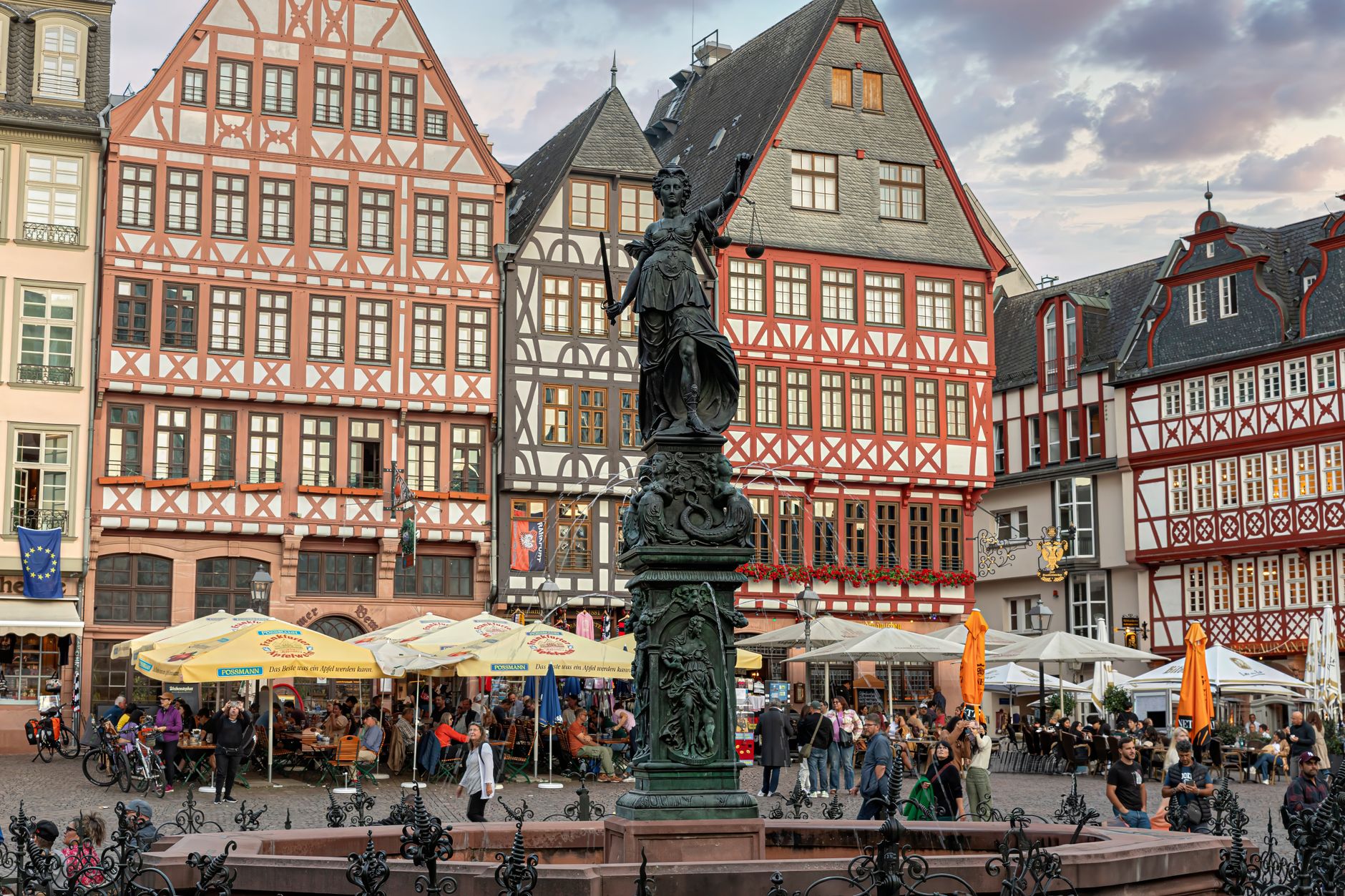
The town hall in Gengenbach has 24 windows, and every December each one opens as a door in the world's largest advent calendar — a fact that says something about how seriously this small Black Forest town takes its own pleasures. The half-timbered streets are intact in a way that owes as much to luck as to care: the French burned much of the town in 1689, but the 20th century passed it by almost entirely.
What's left is a compact medieval core you can walk end to end in minutes — towers, gates, a monastery that became a town hall, a carnival museum tucked inside a 14th-century fortification tower. The Kinzig river runs just outside the old walls, and the hills start almost immediately.
💛 What travellers fall for
Regulars tend to mention the Städtisches Museum in Haus Löwenberg on Hauptstraße almost as an aside — go for the 12th-century illuminated manuscript and the Passion tapestries, stay longer than you planned. The Niggelturm's carnival museum rewards a guided tour; book one in English if you can.
Deals in Gengenbach
Book directly at the provider
How Gengenbach came to be
A monastery was established here by Saint Pirmin in the early 8th century, making Gengenbach one of the older settled points in the Black Forest. The town itself took shape in the 13th century and by 1360 had become an Imperial Free City — a status it held for four centuries, answering to the emperor rather than any regional lord.
The Nine Years' War left marks: retreating French forces damaged the town in 1689. Recovery came, the abbey church kept its organ, and Gengenbach carried its autonomy until the Treaty of Lunéville in 1801 folded it into the new province of Baden. The abbey dissolved two years later; the monastery buildings became the town hall and museum they remain today.
Who and what shaped it
People who shaped it
Landmark buildings
See Gengenbach in motion
Plan your visit
On the map
When to go
Summer — May through July especially — is the most comfortable time to visit, with temperatures in the low-to-mid twenties and July delivering over seven hours of sunshine a day. Winter is cold, grey and wet, with barely an hour and a half of light on an average December afternoon, though the advent calendar draws visitors regardless.
Right now
Background & history adapted from Wikipedia (CC BY-SA) · specs from Wikidata (CC0) · weather from Open-Meteo · map data © OpenStreetMap contributors · photos from Wikimedia Commons / Unsplash with per-image credit. No third-party reviews or social posts reproduced.