
Freshwater
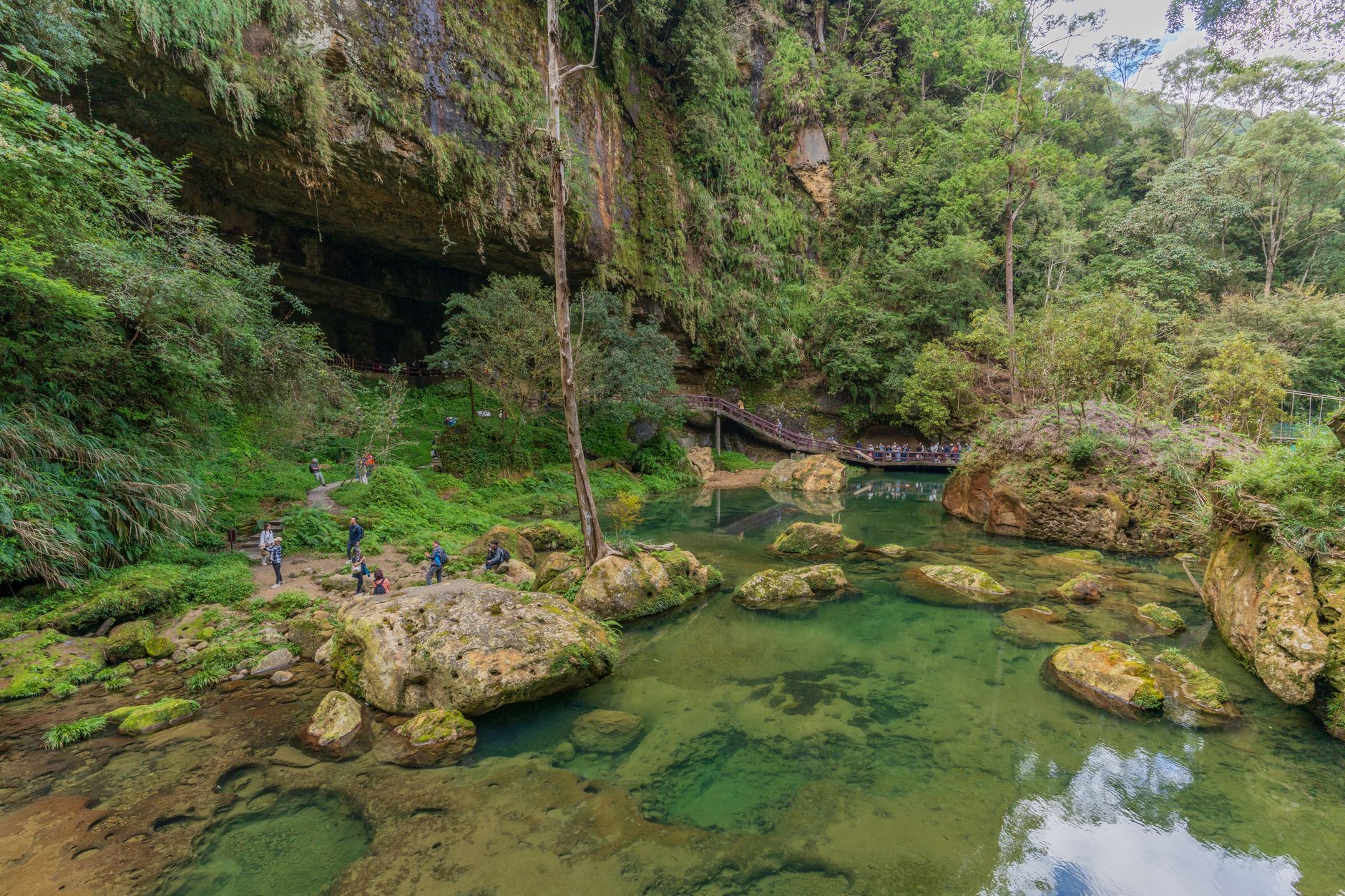
Freshwater sits quietly in the fold between Cairns and the rainforest ranges, its main claim on the traveller's attention a timber railway station where roughly 60 percent of the Kuranda Scenic Railway's 400,000 annual visitors begin their climb into the tablelands. That statistic understates how unhurried the place actually feels — a suburban stretch of Kamerunga Road, a school that has been open since 1896, a CWA hall opposite the station that still stands from 1955.
Freshwater Creek runs through, its headwaters reaching back into the World Heritage rainforest to the west. The Heritage Trail, built in 2009, threads 22 signposted sites through the suburb — a good reason to slow down rather than simply board the train.
💛 What travellers fall for
People who come back tend to arrive early, before the Kuranda coaches fill the station car park. The Tea Rooms at Freshwater Connection have been serving the platform crowd since 1984, and a quiet coffee there — before the first departure — is a different experience from arriving mid-morning with a tour group at your heels.
Deals in Freshwater
Book directly at the provider


How Freshwater came to be
The land belongs to the Yidiny people. European presence began in late 1876, when tracks linking the new port of Cairns to the Hodgkinson goldfields were cut through. Chinese market gardeners followed within a few years, leasing small plots and growing rice, bananas and pineapples along the Barron River flats. The railway arrived in October 1887, and what had been Richmond Siding was renamed Freshwater Siding in January 1890.
The suburb filled in slowly — a provisional school in 1896, a post office by 1925, two churches in successive years: Sacred Heart Catholic Church blessed in November 1938, and the Mason Memorial Methodist Church opened the following April, funded in part by a £60 bequest from a local woman named Mrs Mason. Station mistress Minnie Le Grande worked the platform from 1915 to 1955, a tenure that covers most of the suburb's formative decades.
Who and what shaped it
People who shaped it
Landmark buildings
See Freshwater in motion
Plan your visit
On the map
When to go
May through October brings dry air, manageable heat around 28°C, and the clearest skies for the train journey up into the ranges. December through February is genuinely humid and wet — the rainforest earns its name, but the waterfalls are at full volume if that's the draw.
Right now
Background & history adapted from Wikipedia (CC BY-SA) · specs from Wikidata (CC0) · weather from Open-Meteo · map data © OpenStreetMap contributors · photos from Wikimedia Commons / Unsplash with per-image credit. No third-party reviews or social posts reproduced.