
Freiburg im Breisgau
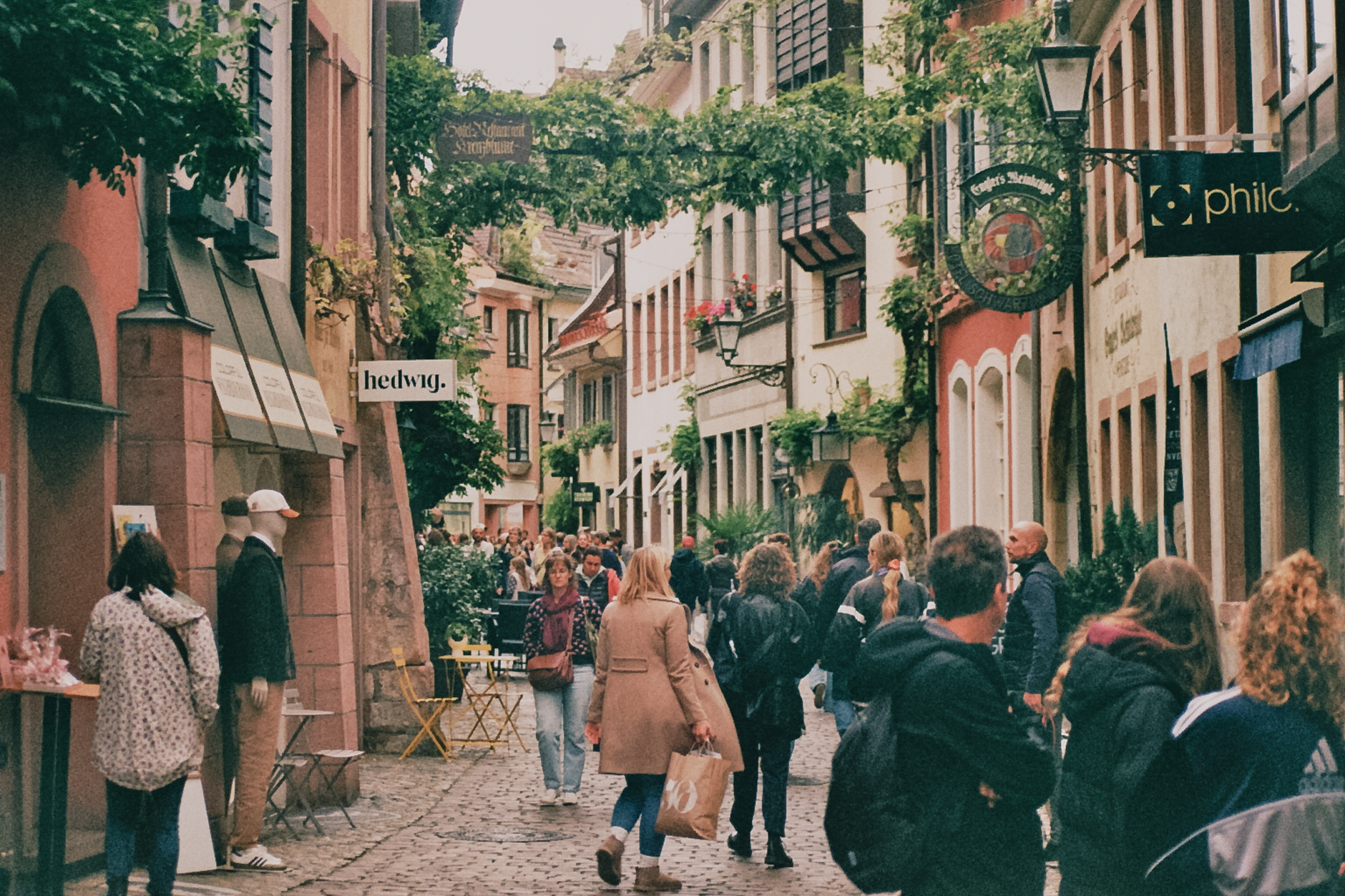
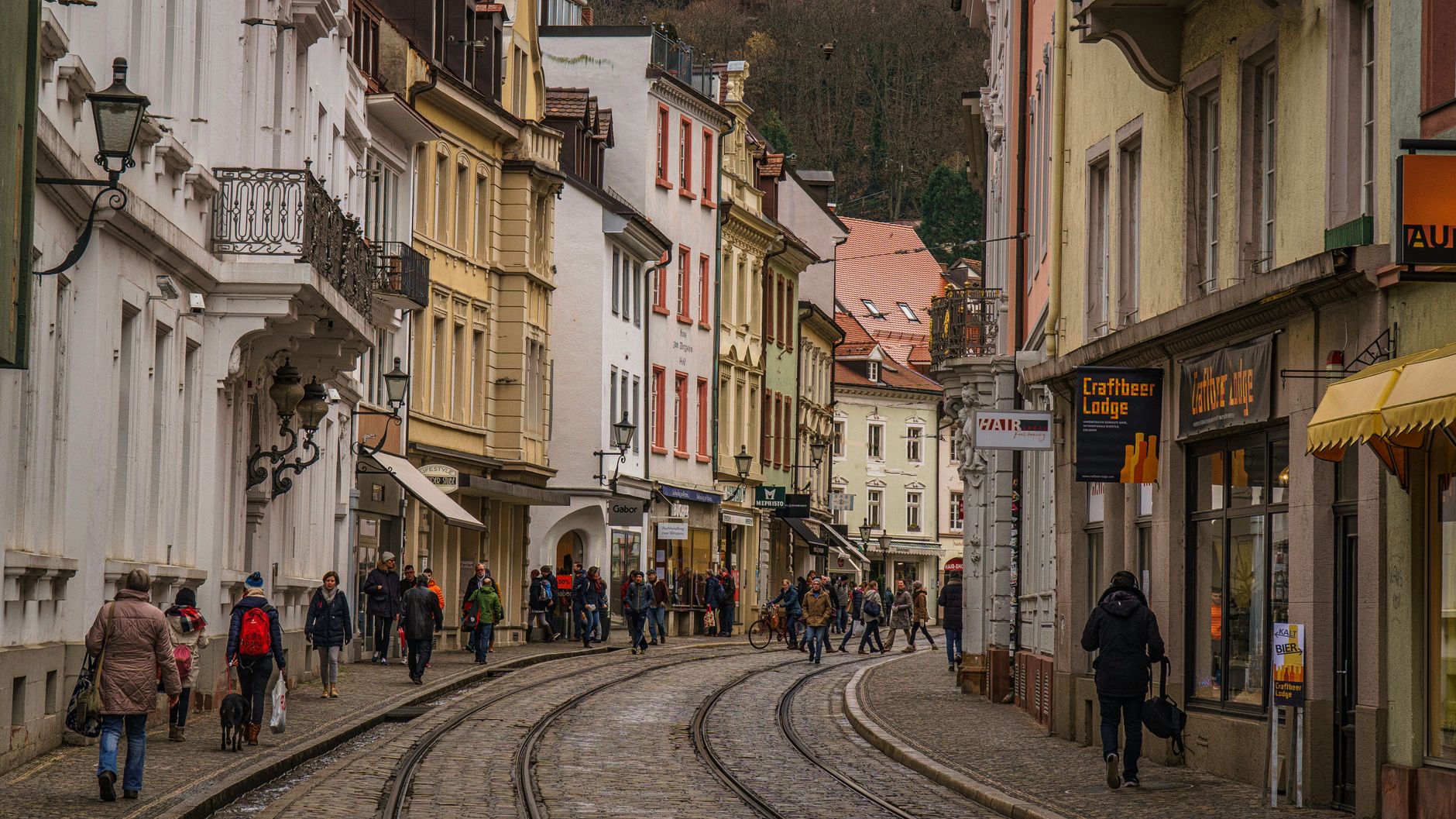
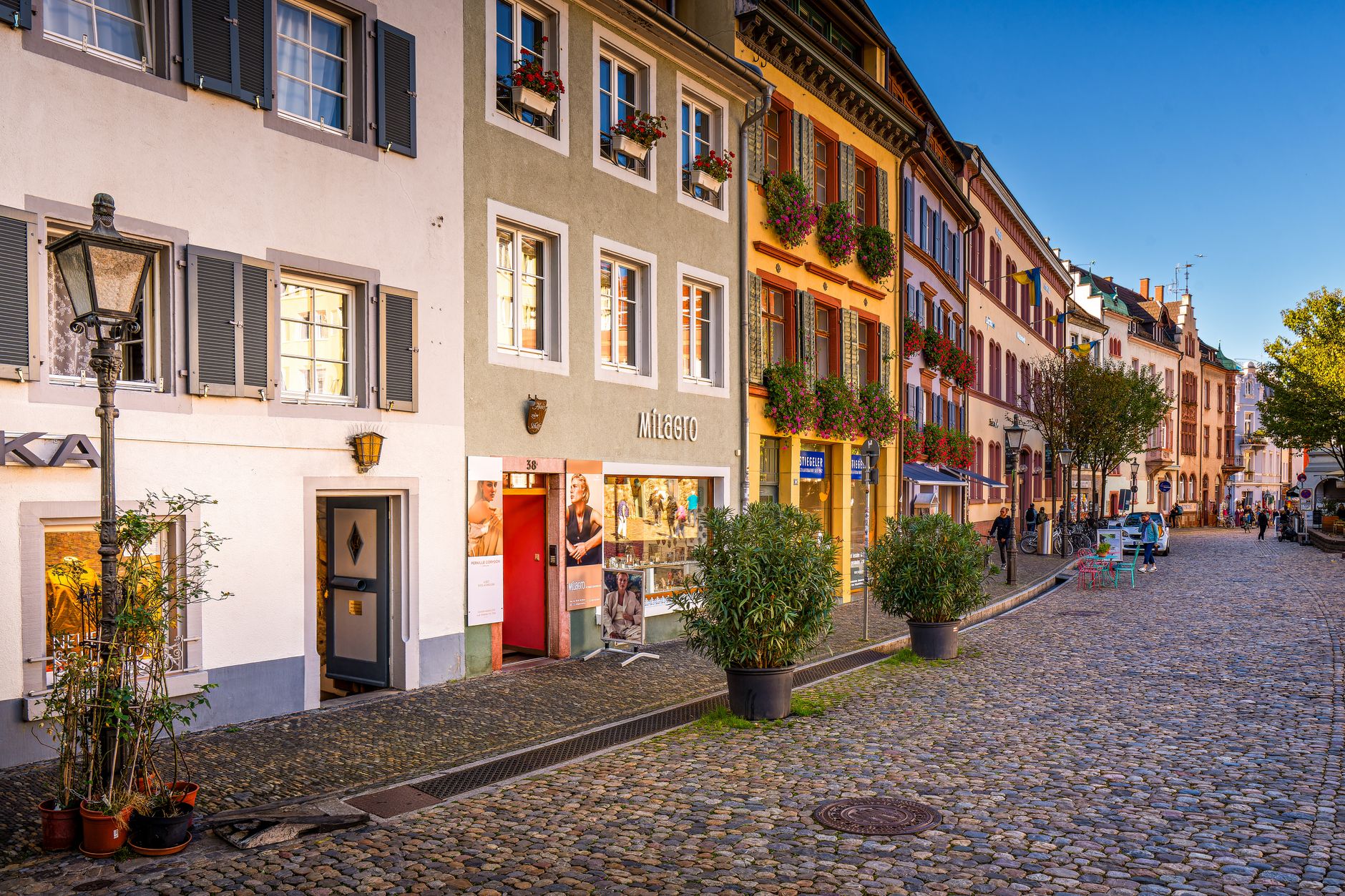
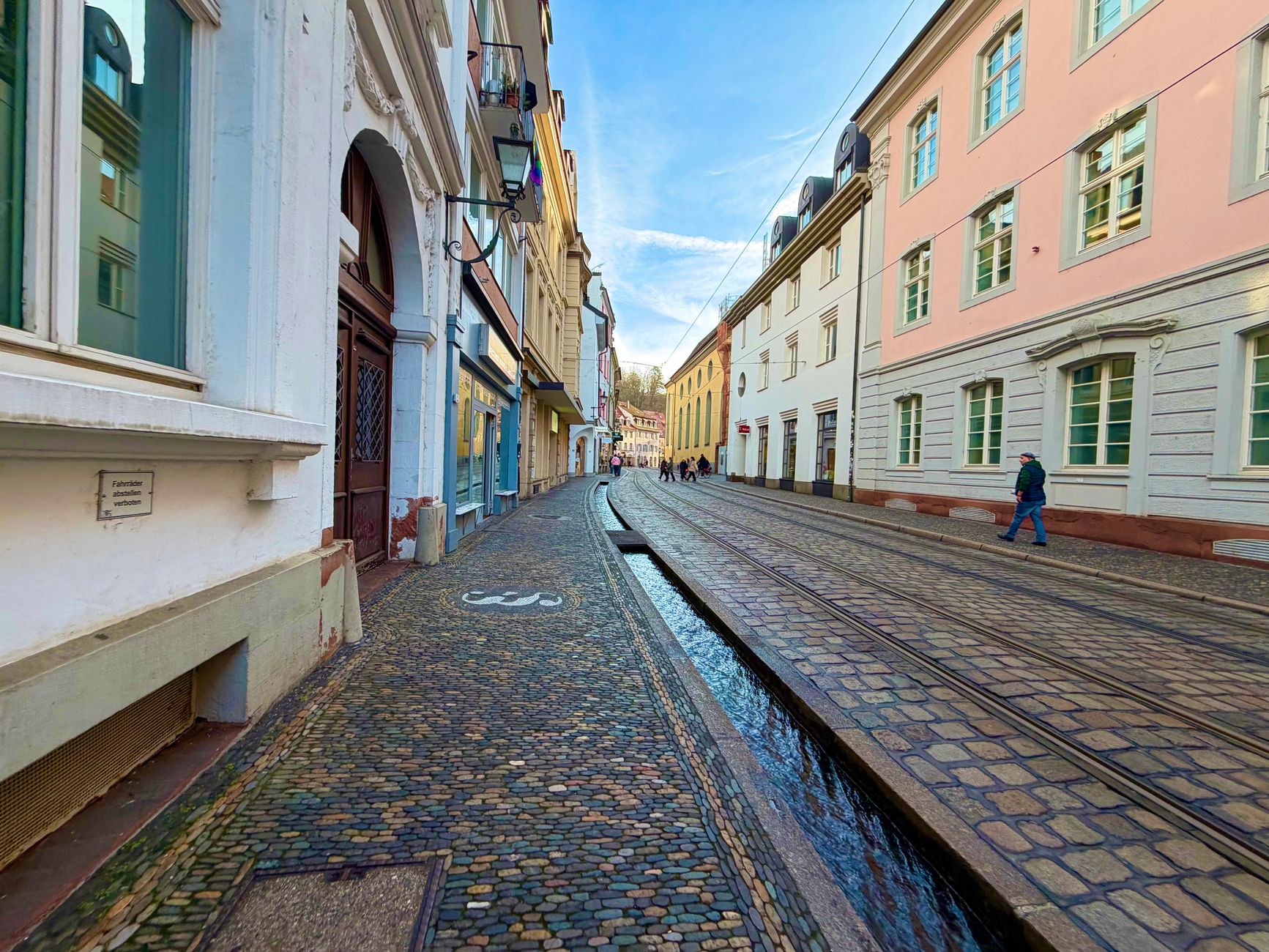
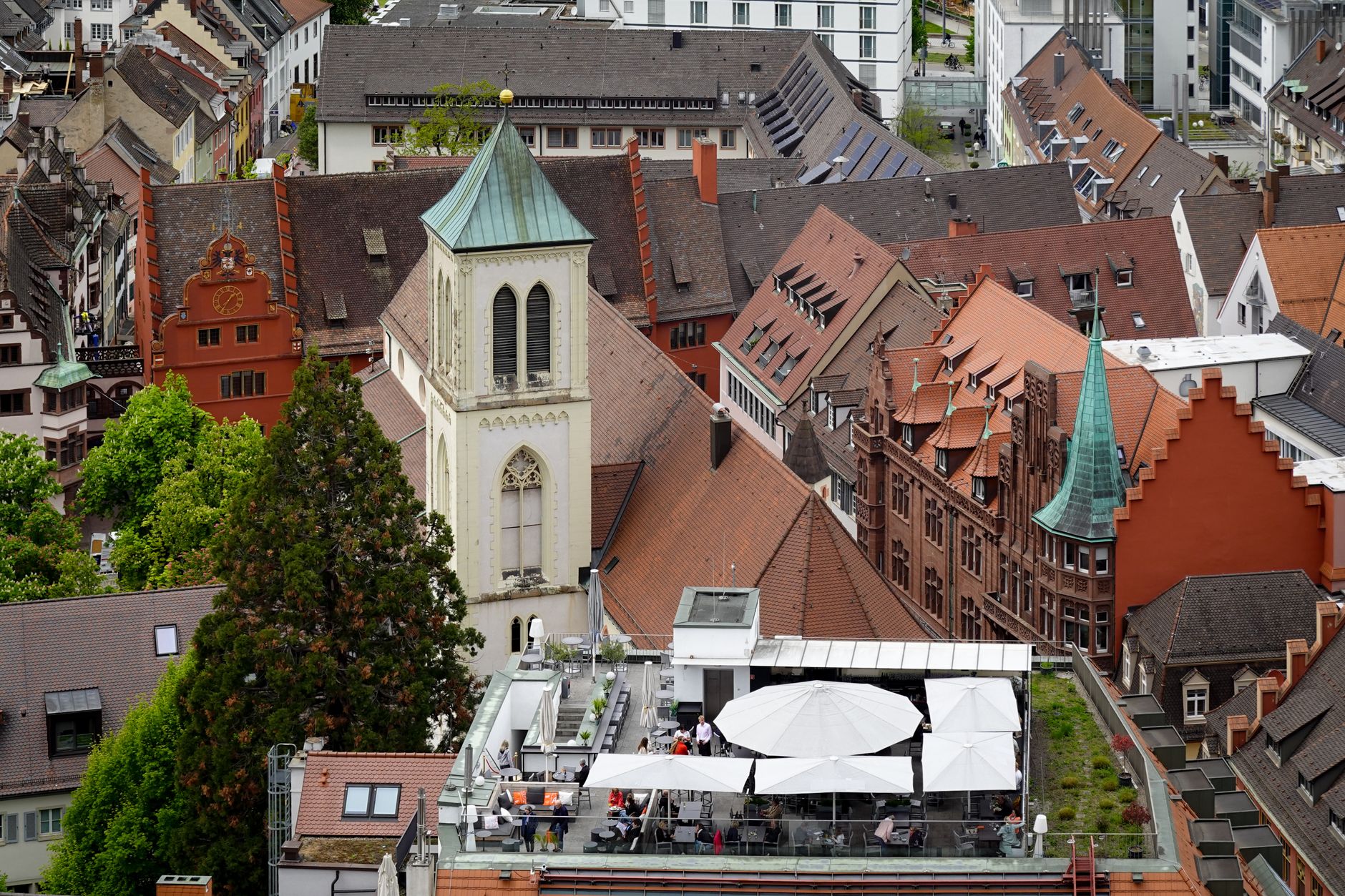
The first thing you notice in Freiburg is the sound: water moving through narrow stone channels cut into the pavements, threading between café tables and market stalls. These are the Bächle, running through the city since at least 1120, and they set the tone for a place that carries its medieval bones lightly. The Minster's 116-metre sandstone tower anchors the skyline, the weekly market on Münsterplatz sells Breisgau strawberries and Kaiserstuhl wine in the shadow of a cathedral that took three centuries to finish, and the whole city tilts gently toward the Black Forest hills to the east.
Freiburg sits where Rhine-valley warmth meets upland forest, at the crossroads of old trade routes connecting the Mediterranean with the North Sea. It's a university city — Albert-Ludwigs-Universität has been here since 1457 — which means the population is young and the rhythm is lively without being loud.
💛 What travellers fall for
People who come back tend to have the same rituals: coffee on Münsterplatz before the market crowds arrive, a climb up the Schlossberg in the late afternoon when the light catches the cathedral tower, and at least one meal at Zum Roten Bären on Oberlinden — the inn's foundations date to 1120, the same year the city was founded, which is either a gimmick or a miracle depending on your mood.
Deals in Freiburg im Breisgau
Book directly at the provider

How Freiburg im Breisgau came to be
Freiburg was founded in 1120 by Konrad and Duke Berthold III of the House of Zähringen as a free market town — the name itself encodes that status, roughly translating as 'fortified town of free citizens.' Its position at the junction of trade routes between the Mediterranean and the North Sea, and between the Rhine and Danube, made it commercially significant from the start. In 1218 it passed to the counts of Urach, who took the title counts of Freiburg, and in 1368 it came under Habsburg rule, eventually serving as the administrative centre for Austria's outlying western possessions from 1648 to 1805.
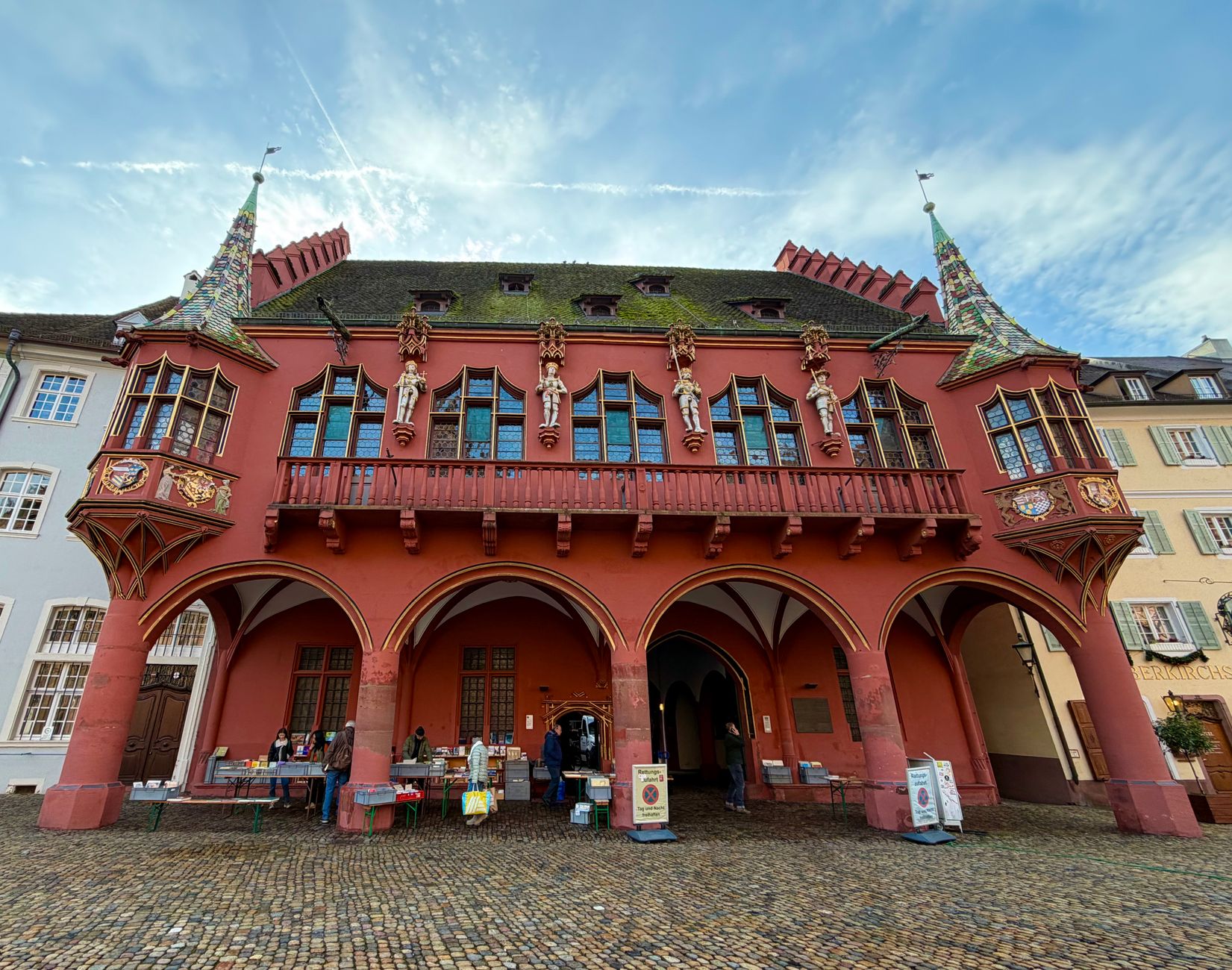
In 1805, along with the Breisgau and Ortenau areas, Freiburg became part of Baden. The Archdiocese of Freiburg was founded in 1828, and the city became seat of a Catholic archbishop. The medieval Innenstadt was almost entirely destroyed by Allied bombing in World War II and subsequently rebuilt — which makes the surviving Minster, the Historisches Kaufhaus of 1520, and the Schwabentor gate from the mid-13th century all the more striking for having come through.
Who and what shaped it
People who shaped it
Landmark buildings
See Freiburg im Breisgau in motion
Plan your visit
On the map
When to go
The Rhine plain location gives Freiburg one of the warmest, sunniest climates in Germany — summers are genuinely hot, often reaching the mid-30s Celsius, while winters are mild by German standards though the Black Forest hills above the city hold snow. Spring and September are the sweet spot: warm, clear days and the surrounding vineyards in good colour.
Right now
Background & history adapted from Wikipedia (CC BY-SA) · specs from Wikidata (CC0) · weather from Open-Meteo · map data © OpenStreetMap contributors · photos from Wikimedia Commons / Unsplash with per-image credit. No third-party reviews or social posts reproduced.