
Föhr
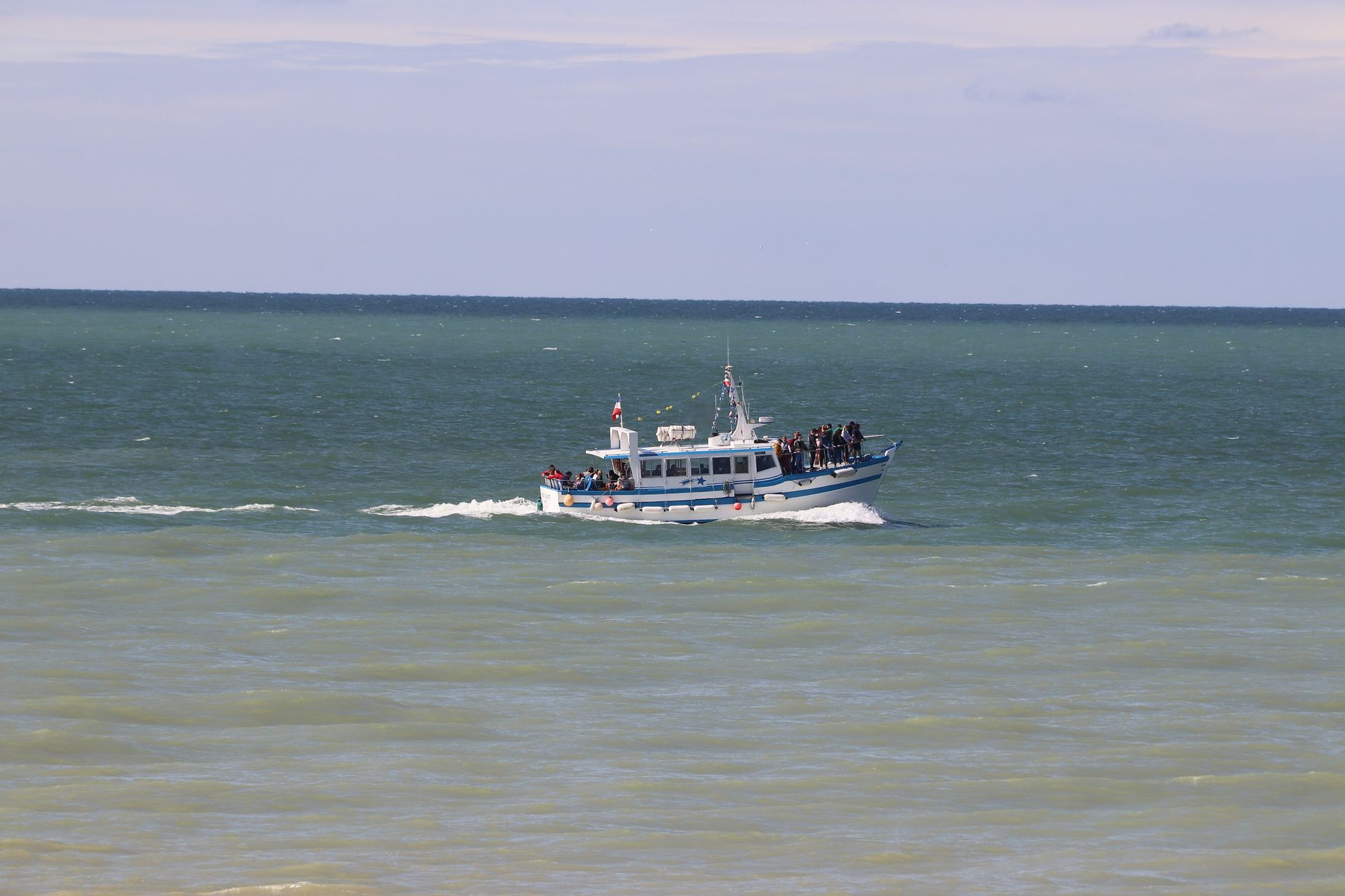
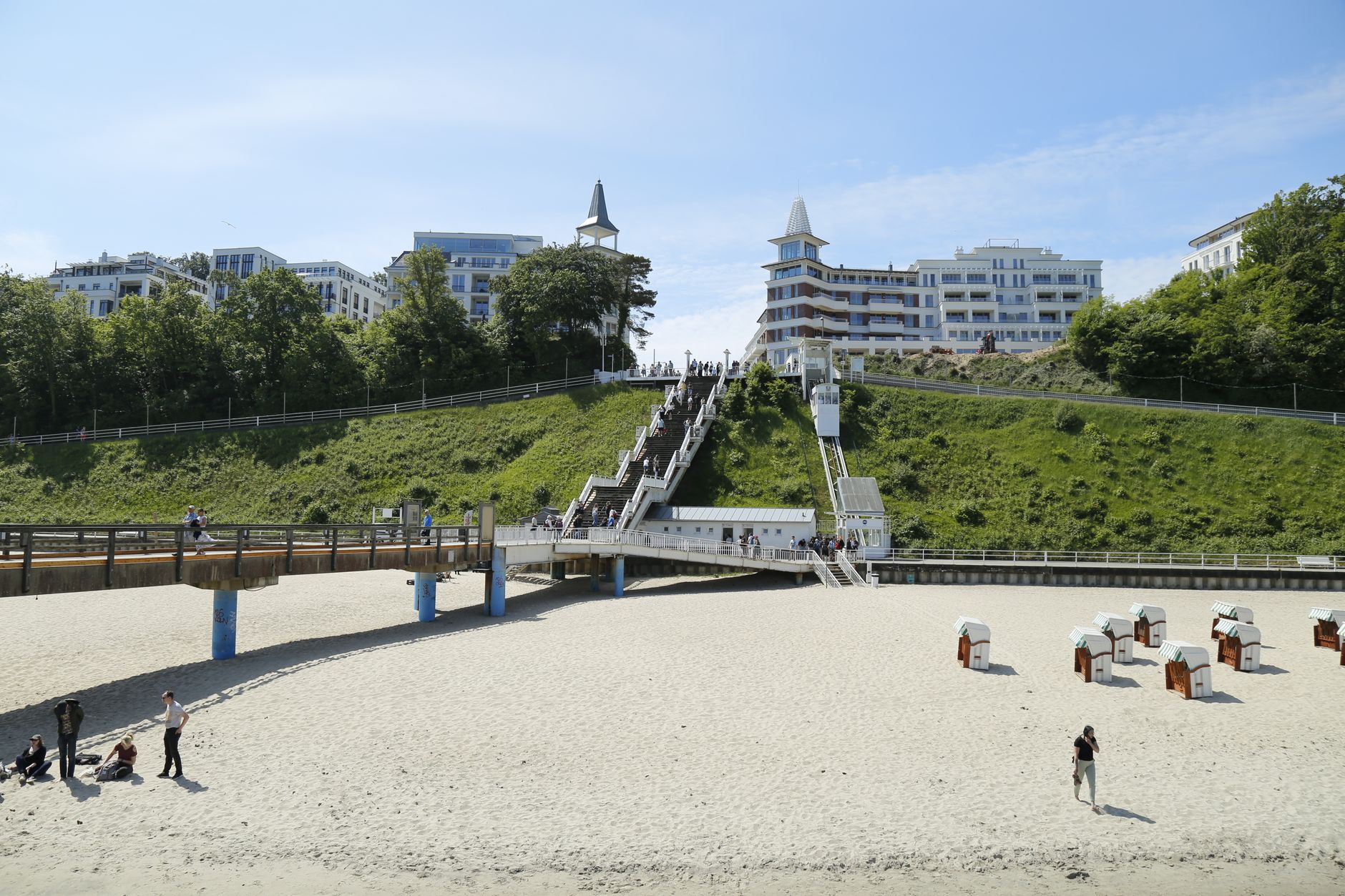
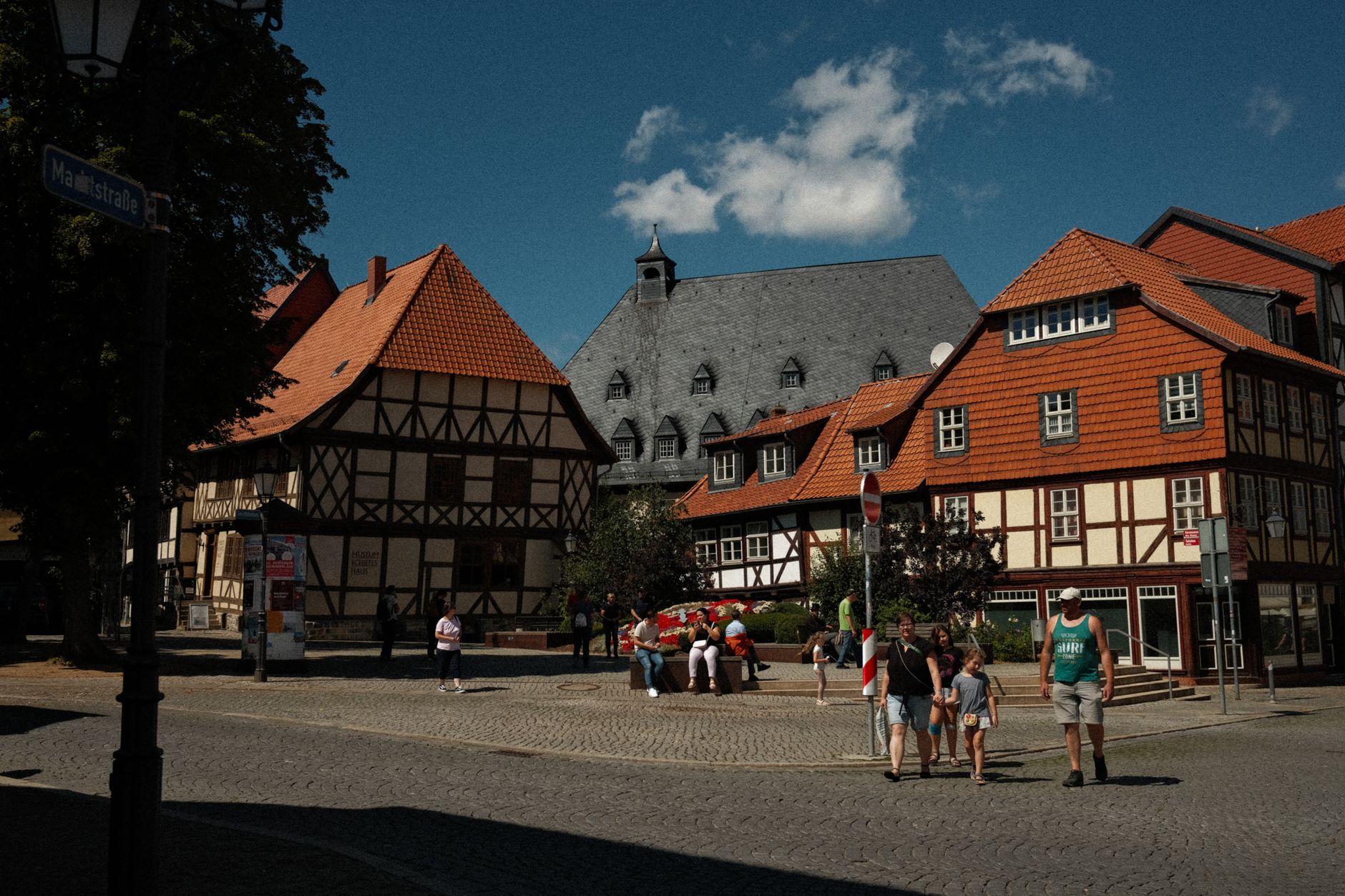
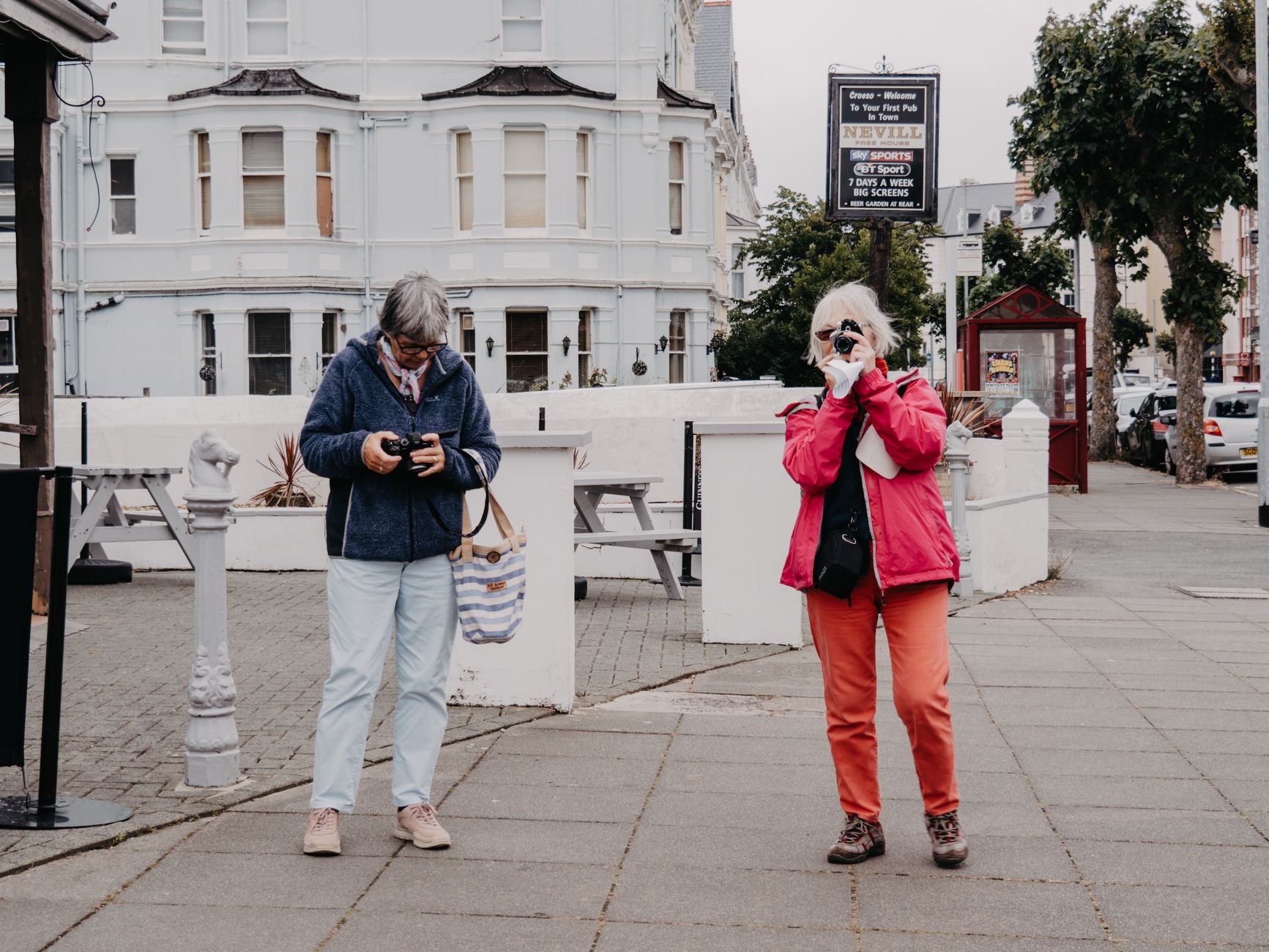
Sixteen villages, almost every one of them ending in –um — the old Frisian word for home — sit across an island twelve kilometres long and not quite seven wide. Föhr is one of the few North Frisian islands where you can arrive by car, though most people who know it well leave theirs behind and borrow a bike instead. The ferry from Dagebüll takes fifty minutes and deposits you at Wyk, a small spa town whose seafront still carries traces of the thalassotherapy cure that a local physician named Carl Haeberlin made famous here in the early twentieth century.
The interior rewards the slow traveller: three medieval stone churches, five windmills scattered across the marsh, a ring-fort mound called the Borgsumburg that dates to somewhere between the eighth and eleventh centuries, and churchyard gravestones that carry entire life stories carved into them — portraits, voyages, trades.
💛 What travellers fall for
People who come back tend to settle into a rhythm: morning on the bike paths between Wrixum and Oldsum, lunch somewhere in Nieblum near the Friesendom, an afternoon in the Dr Carl Haeberlin Frisian Museum — the entrance framed by two whale jaw bones — then an evening walk along the Wyk seafront when the day-trippers have gone.
Deals in Föhr
Book directly at the provider


How Föhr came to be
Frisian settlers were on Föhr by the seventh century, and the island first appears in the written record in 1231. By 1523, the northern marshlands had been diked off from the sea — twenty-two hectares of new farmland claimed in a single generation. The Lutheran Reformation followed quickly, taking hold between 1526 and 1530.
In 1864, the Second Schleswig War handed the North Frisian Islands to Prussia, shifting Föhr's political orbit entirely. Then, in 1819, Wyk had already opened its first sea baths, setting the island on a course toward health tourism that would reach its peak when physician Carl Haeberlin — born in Wyk in 1870 — developed the principles of climatotherapy and thalassotherapy that made the town a reference point for those disciplines across Germany.
Who and what shaped it
People who shaped it
Landmark buildings
See Föhr in motion
Plan your visit
On the map
When to go
Summers run mild rather than warm — July and August sit between 16°C and 21°C, with North Sea winds averaging 15–25 km/h year-round, which keeps the air sharp even in the height of the season. Winters are grey and wet, with February temperatures around 3°C and water temperatures not far above freezing; the island is quieter then but the light over the mudflats has its own quality.
Right now
Background & history adapted from Wikipedia (CC BY-SA) · specs from Wikidata (CC0) · weather from Open-Meteo · map data © OpenStreetMap contributors · photos from Wikimedia Commons / Unsplash with per-image credit. No third-party reviews or social posts reproduced.