
Flåm
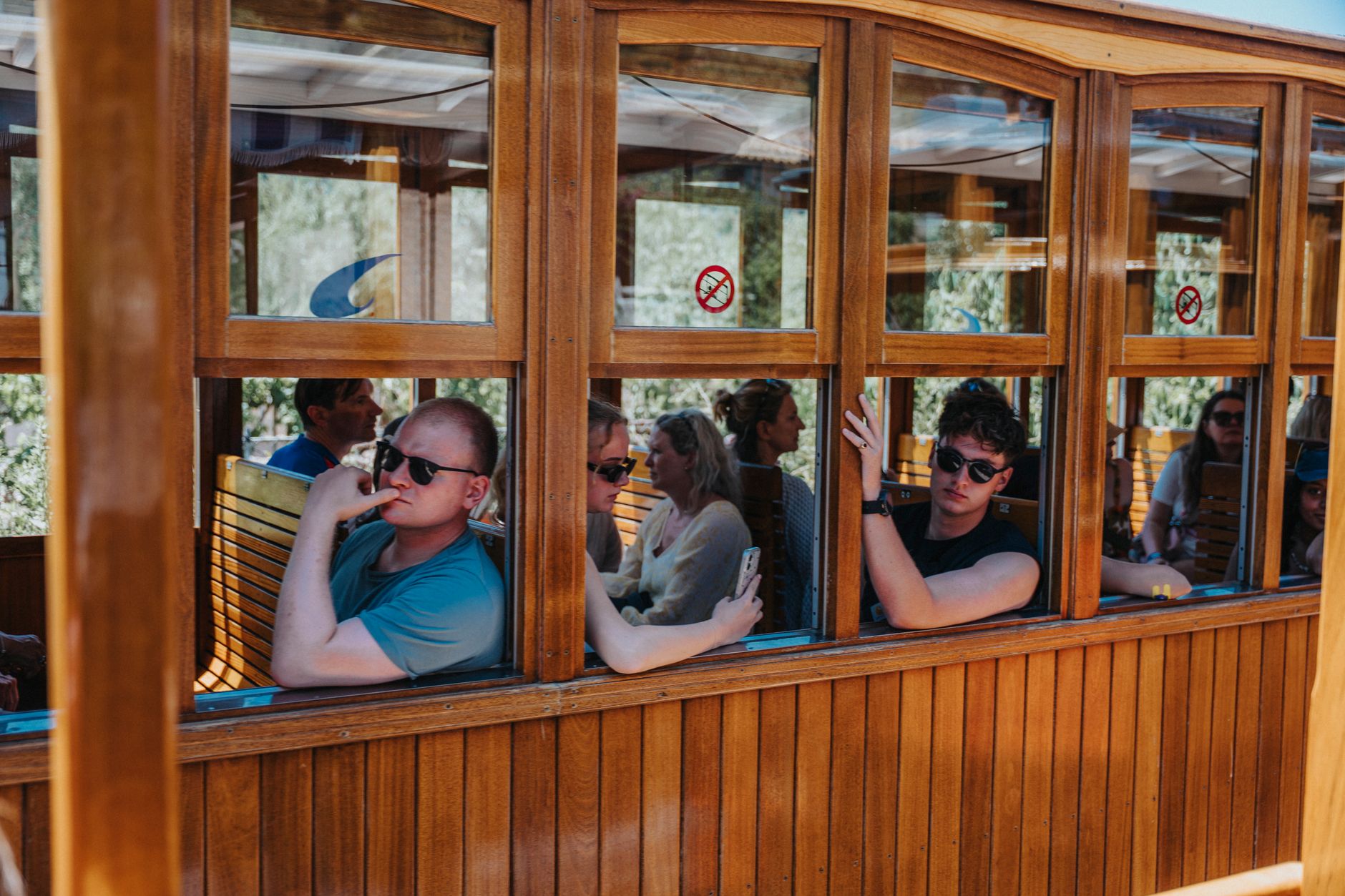

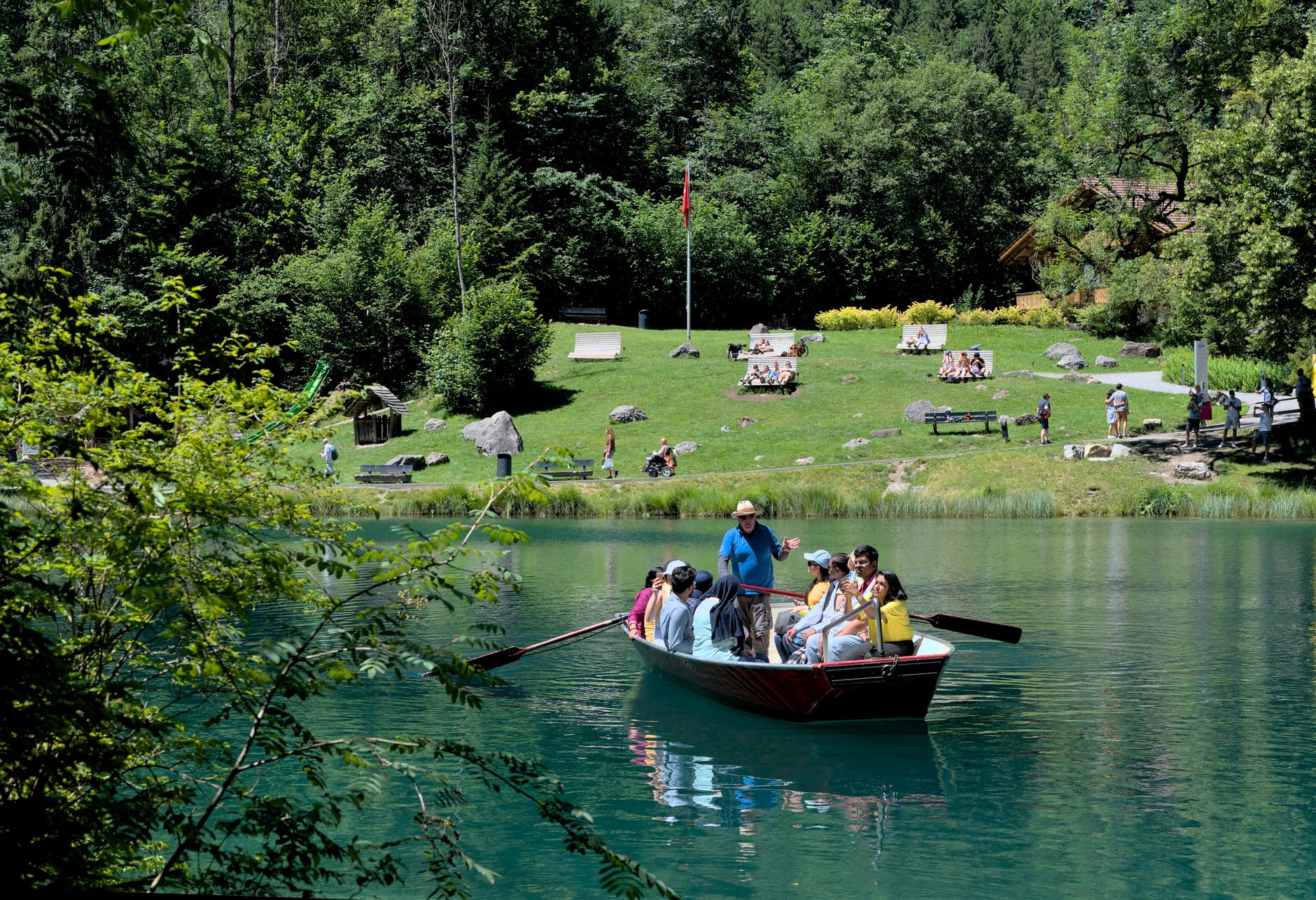

Flåm sits at the end of the Aurlandsfjord with mountains rising so steeply on either side that the village has almost no room to spread out — just a thin strip of flat ground that gave it its name, from the Old Norse word for a plain. The railway station is practically at the water's edge, which means you can step off a train and onto a ferry dock in under five minutes.
The Flåmsbana railway is the reason most people come, and it earns the attention: twenty kilometres of track climbing 863 metres through twenty tunnels, eighteen of them carved by hand, on one of the steepest standard-gauge gradients in the world. The village around it is small, but the scale of what surrounds it is not.
💛 What travellers fall for
People who come back tend to do it on the shoulder seasons — late September especially, when the cruise ships thin out and the hillsides go copper and rust. Ride the Flåmsbana up to Myrdal and then rent a bike down the Rallarvegen rather than taking the train back; the road was built for the navvies who dug the tunnels, and it drops you into Flåm with a different kind of tiredness.
Deals in Flåm
Book directly at the provider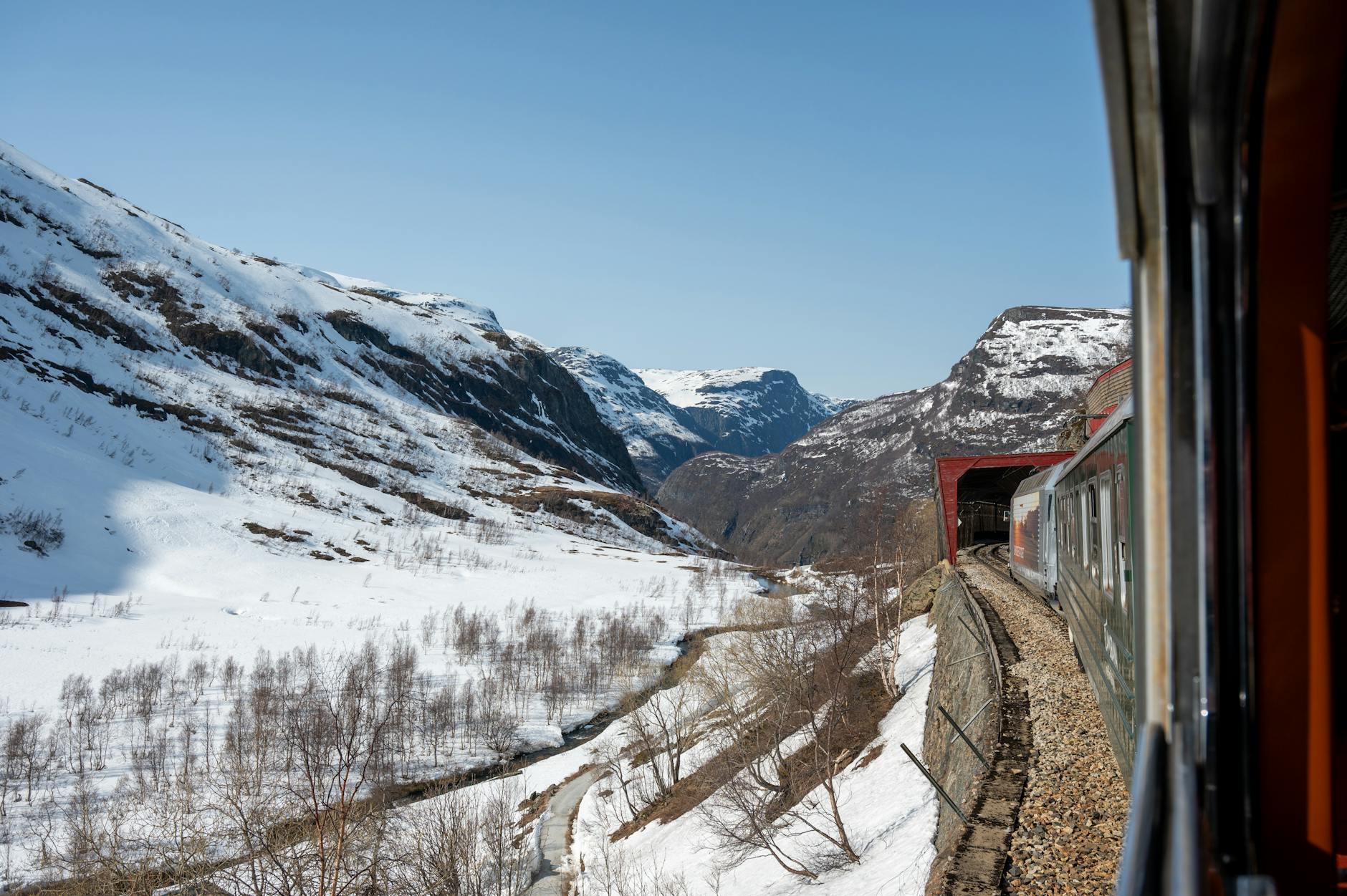

How Flåm came to be
The name Flåm appears in records as early as 1340, already describing what you see: a rare flat patch of land where the river meets the fjord, hemmed in by near-vertical walls. English and German travellers were arriving by steamship in the 1880s, and the Fretheim Hotel opened around that time to receive them. Flåm Church has stood since 1670, built on the site of an older stave church.
The railway changed everything at a slower pace than you might expect. The Norwegian Parliament approved the Flåmsbana in 1908, but funds weren't allocated until 1923. Construction proceeded through the Depression; the line opened for temporary operation in 1940 and ran on steam until electrification in 1944, making it one of the first lines in Norway to convert. The man credited with pushing it through, Ingolf Elster Christensen, is still called the railway's father in the valley.
Who and what shaped it
People who shaped it
Landmark buildings
See Flåm in motion
Plan your visit
On the map
When to go
July days reach around 17°C, with long light that lasts well into the evening; winters are cold and dark, with February lows dropping to around -8°C at night. Flåm is genuinely wet year-round — over 1,600 mm of annual precipitation — so a waterproof layer is useful in any season, and the waterfalls run hardest in spring when snowmelt is at its peak.
Right now
Background & history adapted from Wikipedia (CC BY-SA) · specs from Wikidata (CC0) · weather from Open-Meteo · map data © OpenStreetMap contributors · photos from Wikimedia Commons / Unsplash with per-image credit. No third-party reviews or social posts reproduced.