
Ffestiniog


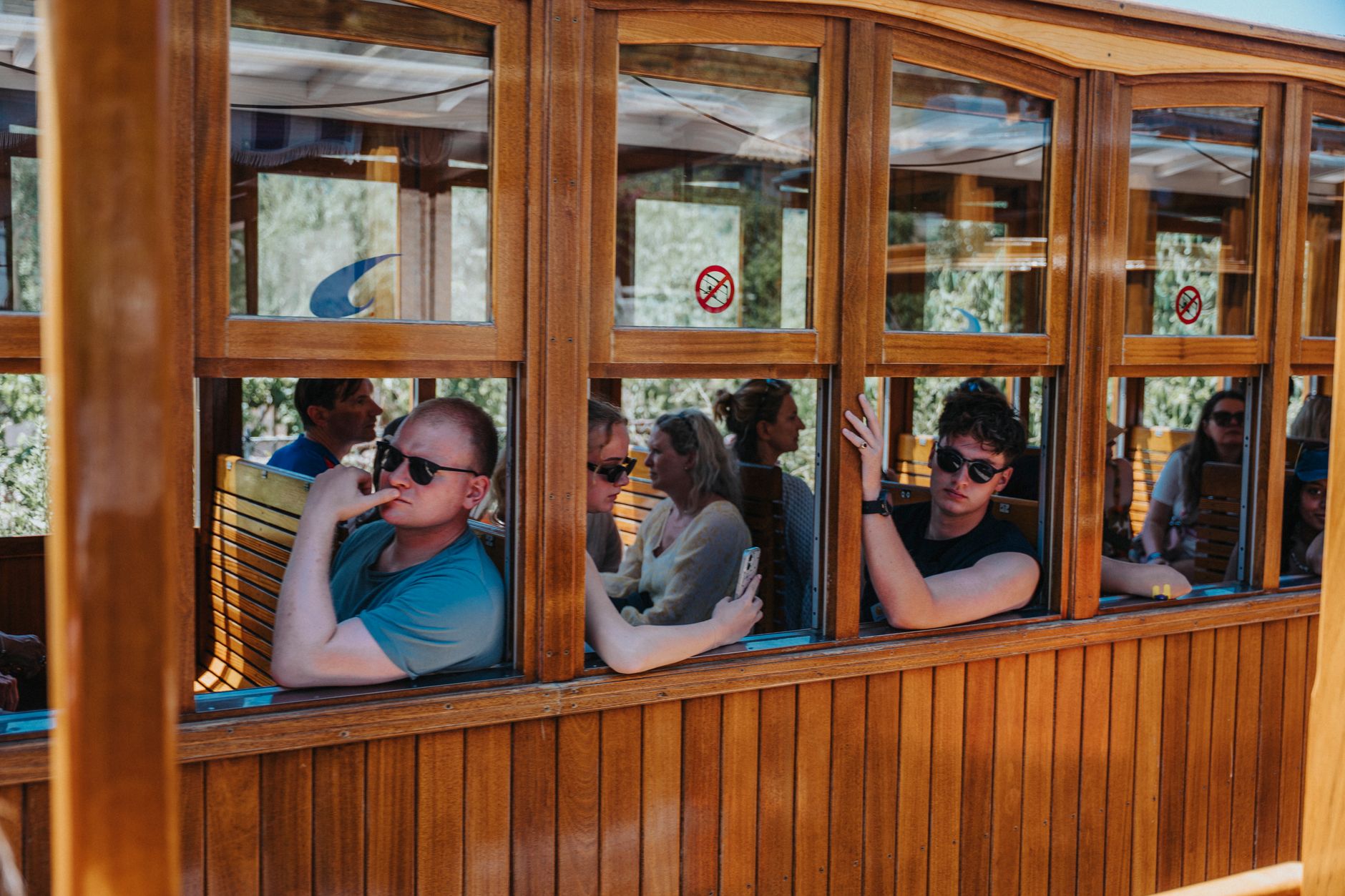
The Ffestiniog Railway leaves Porthmadog harbour on a narrow-gauge track barely wider than your outstretched arms, climbs through oak woods and open moorland, and deposits you — an hour and ten minutes later — at the slate-grey heart of Snowdonia. The railway is the reason most people come, and it earns the attention: founded by Act of Parliament in 1832, resurrected by volunteers in the 1950s, it is one of the oldest working narrow-gauge railways on earth.
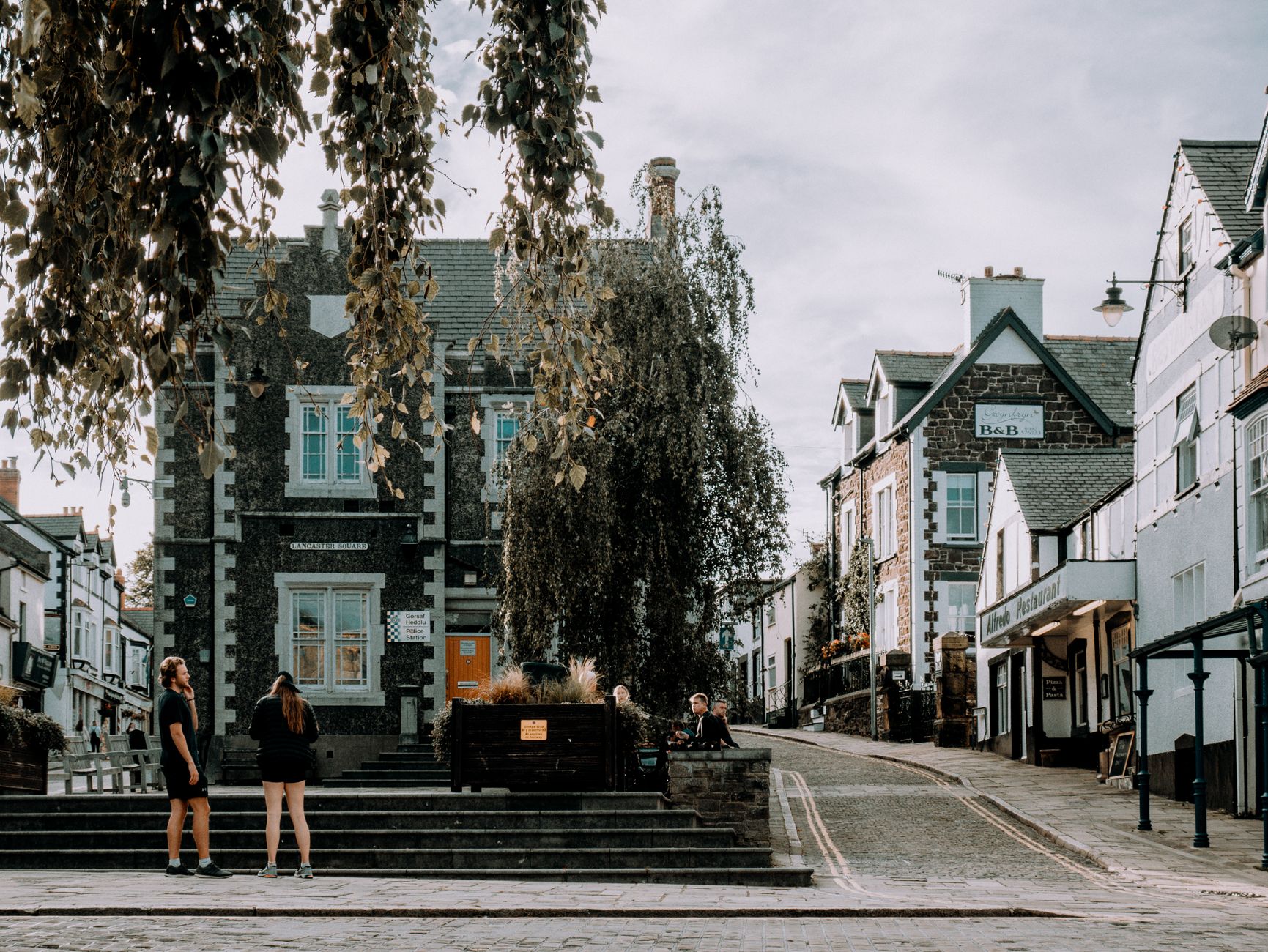
The town itself sits quietly in the parish of Ffestiniog, older and smaller than its industrial neighbour Blaenau Ffestiniog just up the valley. Stone walls, a handful of streets, the Welsh language on every sign — this is a working community that happens to have one of the great feats of Victorian engineering running through its backyard.
💛 What travellers fall for
People who come back tend to time it around the railway's operating season and walk the valley between trains. The Dduallt spiral — where the line literally loops over itself to gain height — is worth positioning yourself near on a clear afternoon. Carry a good OS map; the terrain between the stations is deceptive.
Deals in Ffestiniog
Book directly at the provider


How Ffestiniog came to be
Two men from the Cilgwyn quarry near Nantlle began cutting slate in Ceunant y Diphwys in 1765, and the industry that followed transformed everything. By 1881, the population had reached 11,274 — a number that tells you how completely slate shaped this valley. The railway came to serve that industry: Samuel Holland and Henry Archer promoted it, James Spooner of Worcestershire surveyed and built it, and Parliament incorporated it on 23 May 1832. Horses pulled empty wagons up to the mines at 730 feet; gravity brought the loaded cars back down to Porthmadog for sailing ships to carry away.
Steam replaced horses in 1863 because the slate trade had outgrown anything four legs could manage. Passengers followed in 1865. The line closed on 1 August 1946, the first day of the quarry holidays, and sat silent for nearly a decade before volunteers ran the first revival trains in 1955. The track reached Blaenau Ffestiniog again in 1982, completing a restoration that took longer than the original construction.
Who and what shaped it
People who shaped it
Landmark buildings
See Ffestiniog in motion
Plan your visit
On the map
When to go
Snowdonia is genuinely wet — plan for rain in any season and be pleasantly surprised when it clears. Summers are mild and the valley light is best in May and September; winter visits are quiet and atmospheric but check the reduced rail timetable before you travel.
Right now
Background & history adapted from Wikipedia (CC BY-SA) · specs from Wikidata (CC0) · weather from Open-Meteo · map data © OpenStreetMap contributors · photos from Wikimedia Commons / Unsplash with per-image credit. No third-party reviews or social posts reproduced.