
Estella-Lizarra
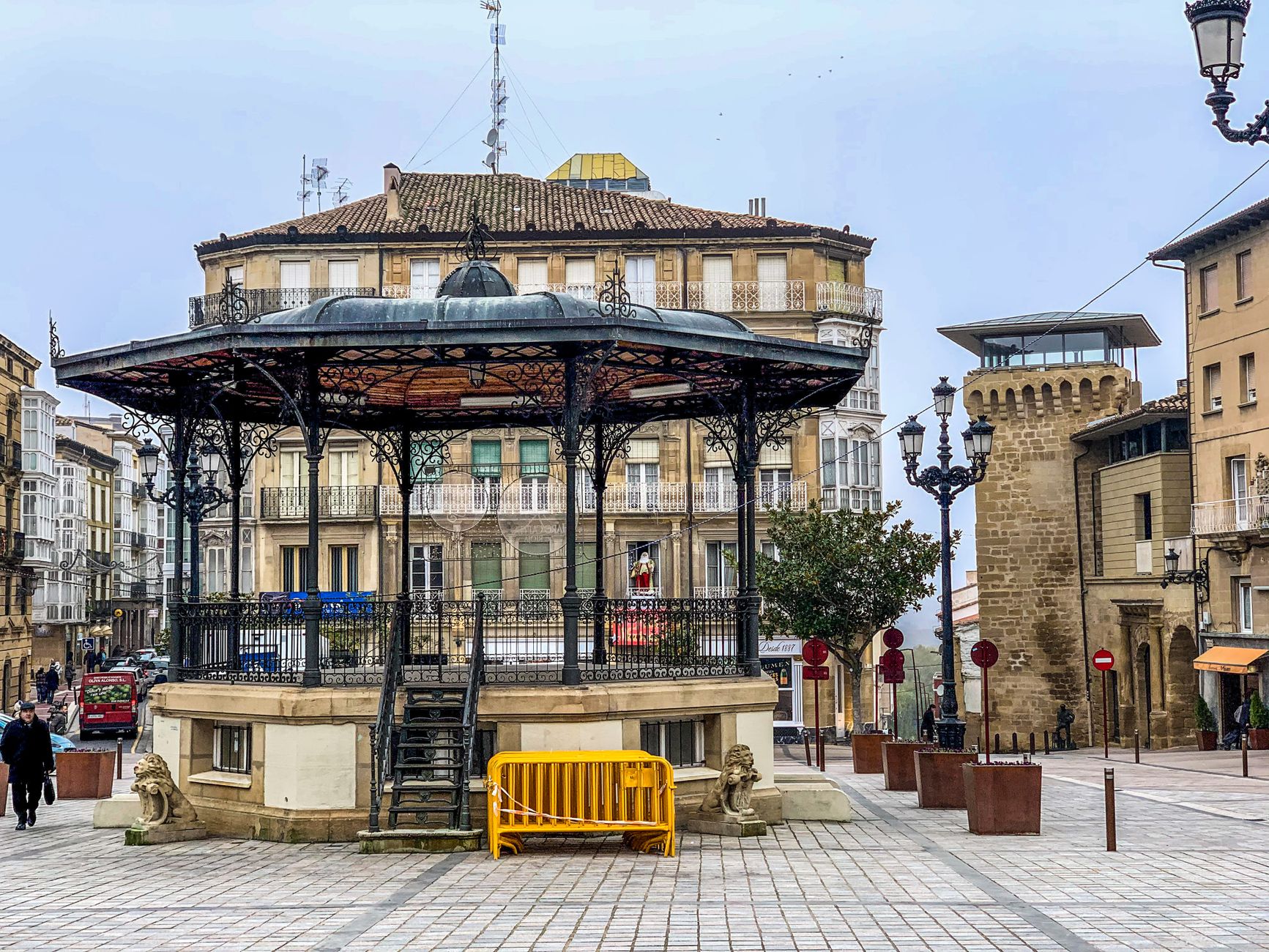
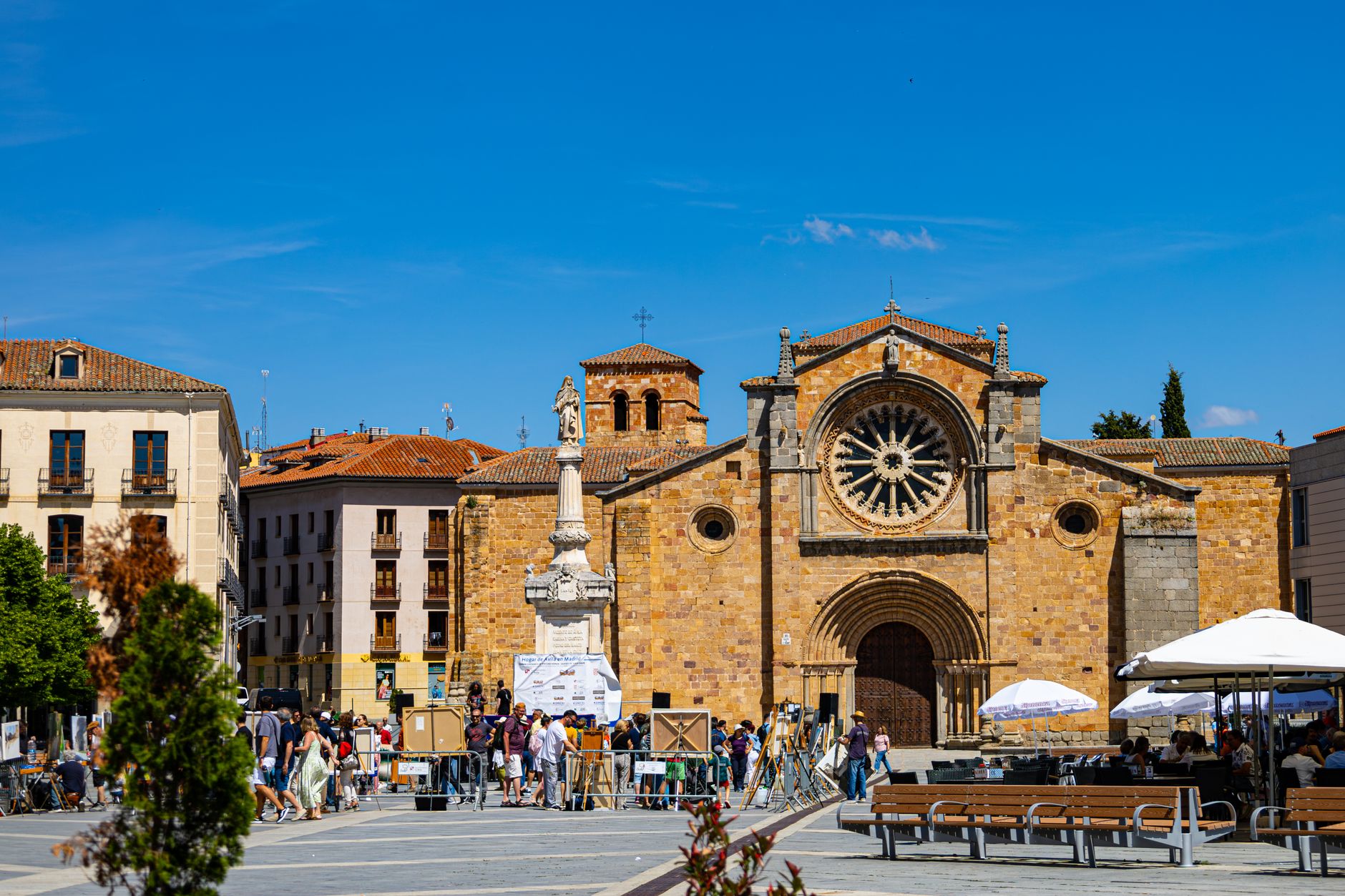
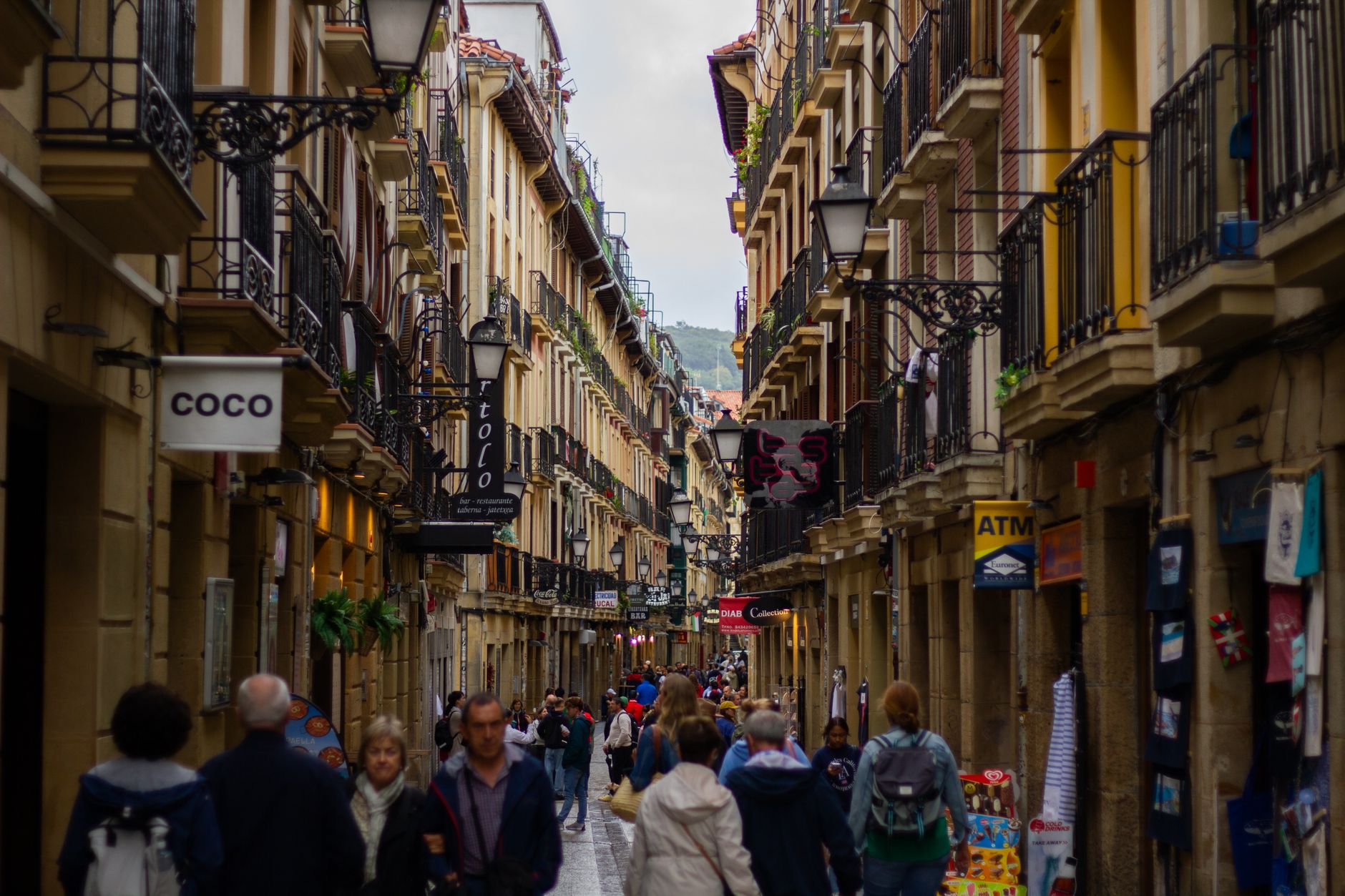
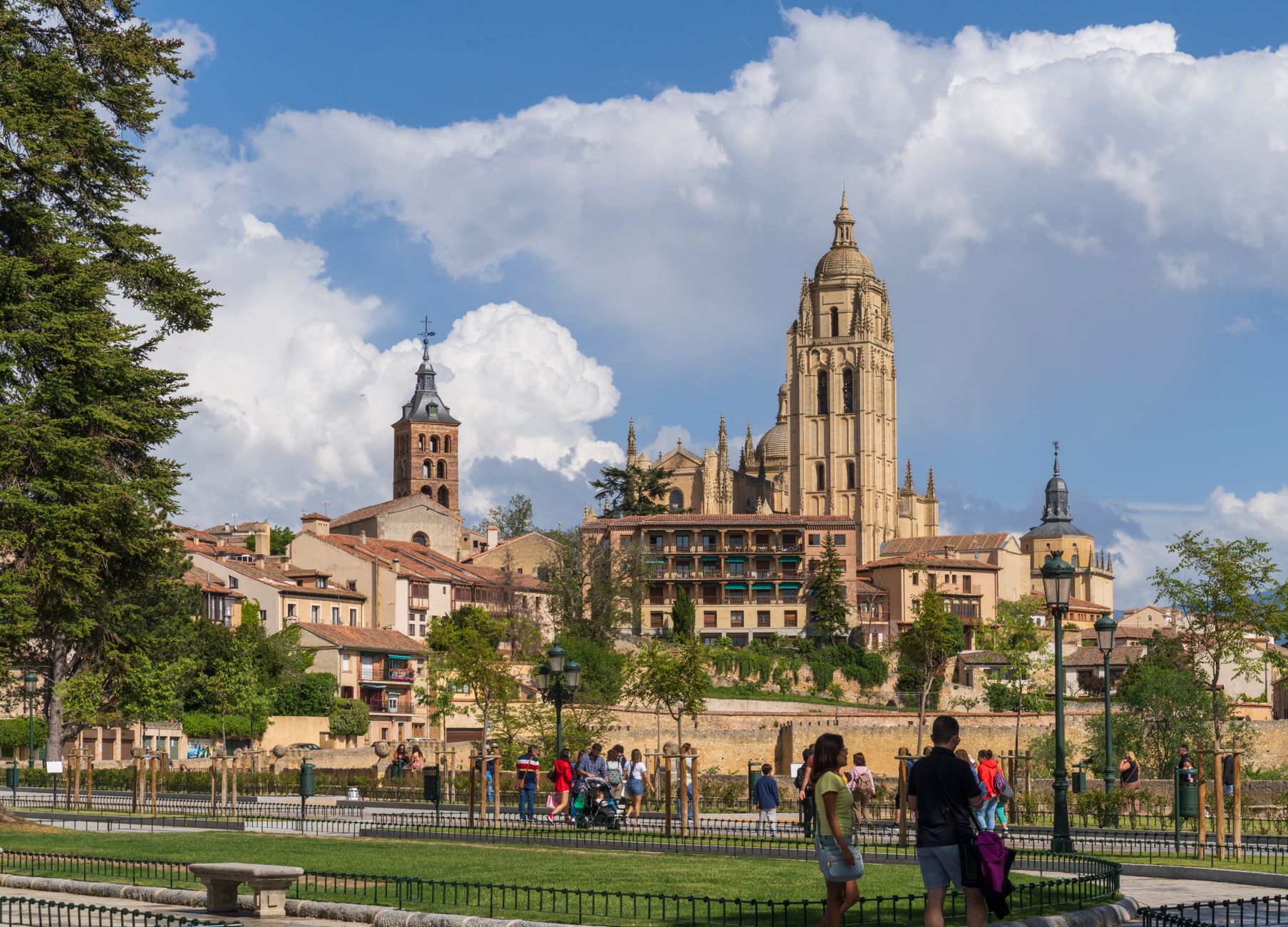

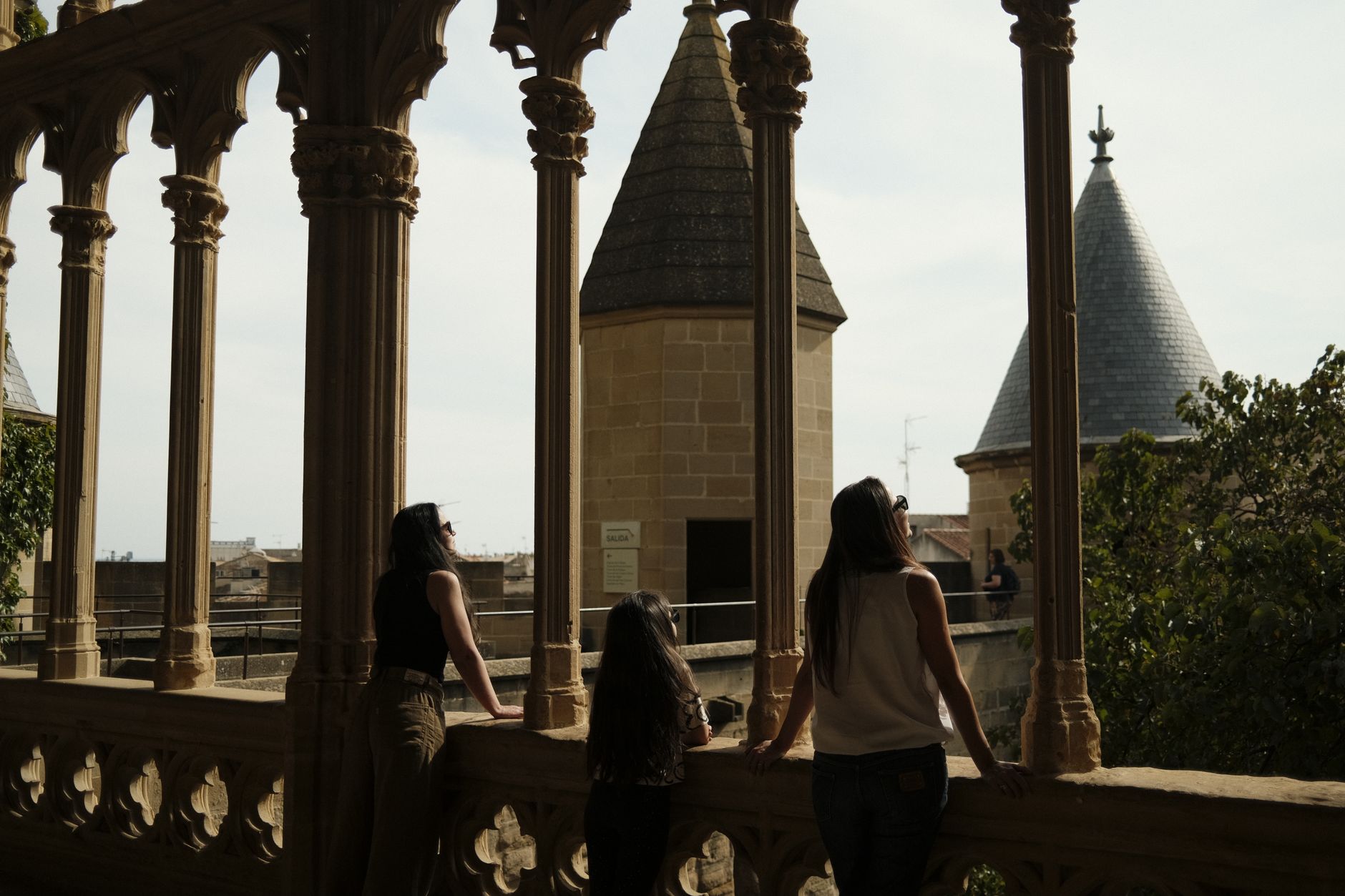
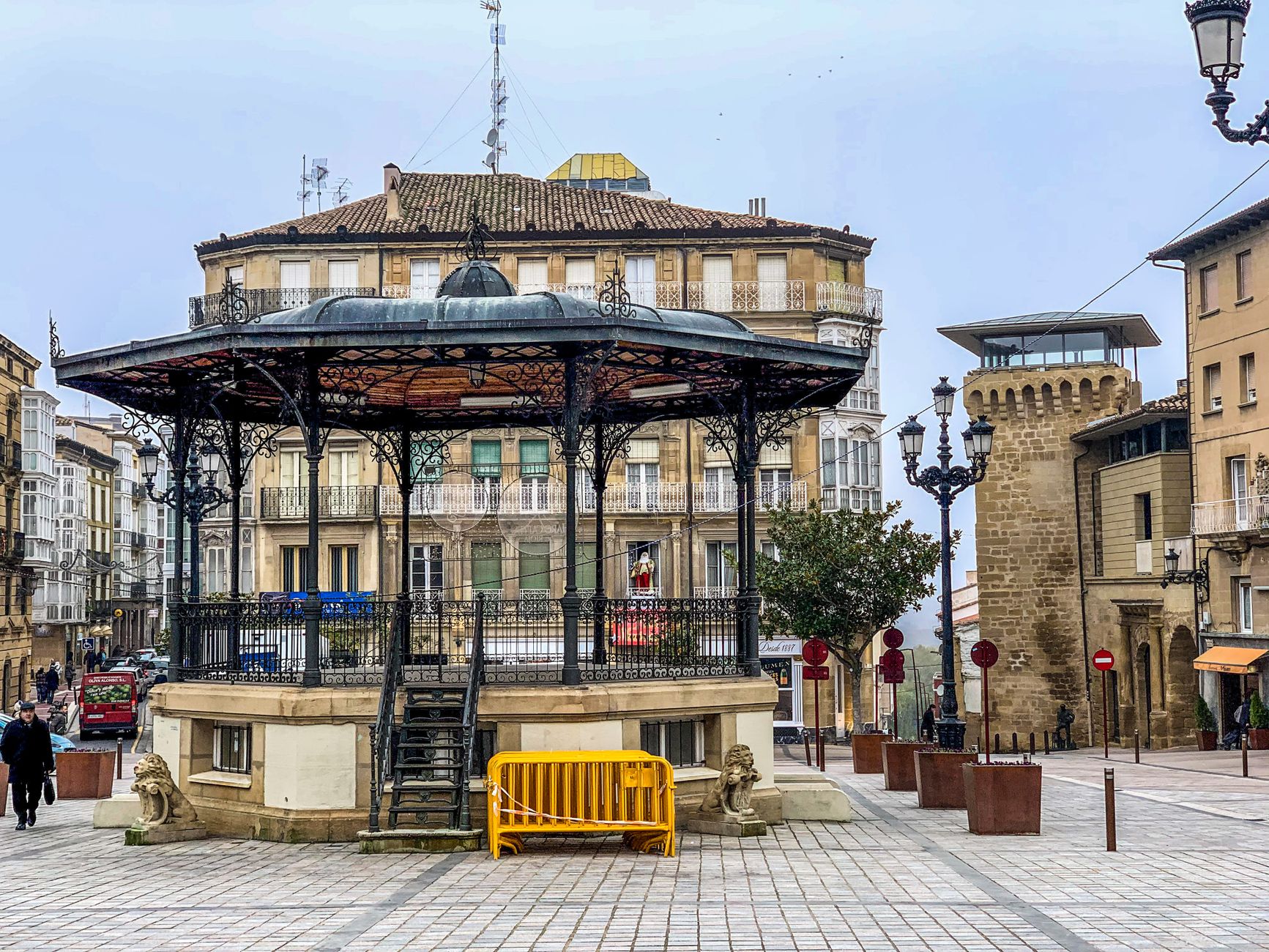
The scallop-shell waymarkers that guide pilgrims into Estella-Lizarra have been doing so since the 12th century, and the town still carries that quality of a place accustomed to strangers passing through. Stone churches crowd the banks of the Ega river, their Romanesque doorways worn smooth by centuries of attention, and the Plaza de los Fueros anchors daily life much as it always has — market stalls, the neoclassical front of San Juan Bautista, the particular quiet of a Spanish afternoon.
Estella goes by two names — the Castilian and the Basque — and both feel equally in use. It is compact enough to walk in a morning, layered enough to occupy a full day.
💛 What travellers fall for
People who come back tend to mention the cloister of San Pedro de la Rúa unprompted — the carved capitals there, dated around 1170, reward a slow look. They also mention climbing to the Basilica of Nuestra Señora del Puy for the view over the rooftops, and finding the Palace of the Kings of Navarre quieter than any museum of its quality has a right to be.
Experiences you don't want to miss




Deals in Estella-Lizarra
Book directly at the providerHow Estella-Lizarra came to be
Estella was formally founded in 1090 when King Sancho Ramírez issued a charter for the settlement beside the older fortified site of Lizarra. Its position on the Way of St. James drew waves of Frankish settlers — many from Auvergne and Limousin — alongside an established Jewish community and the original Navarrese population. The town rose through the 12th century, its churches going up in the Romanesque style that still defines the skyline, and in 1237 hosted the Cortes that helped define the jurisdictions of Navarre. Three distinct neighborhoods eventually merged into one in 1266.
Nine centuries later, Estella found itself at the center of a different kind of history. In 1833 it became the declared headquarters of the Carlist pretender Don Carlos, and by 1872 it functioned as the effective capital of Carlist Spain under Carlos VII — a status that ended abruptly when liberal troops took the town on 16 February 1876. The 12th-century Puente de la Cárcel, destroyed in those wars, was rebuilt in 1873 and still carries foot traffic today.
Who and what shaped it
People who shaped it
Landmark buildings
See Estella-Lizarra in motion
Plan your visit
On the map
When to go
Navarre's interior climate means warm, dry summers and cold winters with occasional snow; spring and September offer the most comfortable walking weather. July and August are busy with pilgrims and can be hot inland.
Right now
Background & history adapted from Wikipedia (CC BY-SA) · specs from Wikidata (CC0) · weather from Open-Meteo · map data © OpenStreetMap contributors · photos from Wikimedia Commons / Unsplash with per-image credit. No third-party reviews or social posts reproduced.