
Esquel
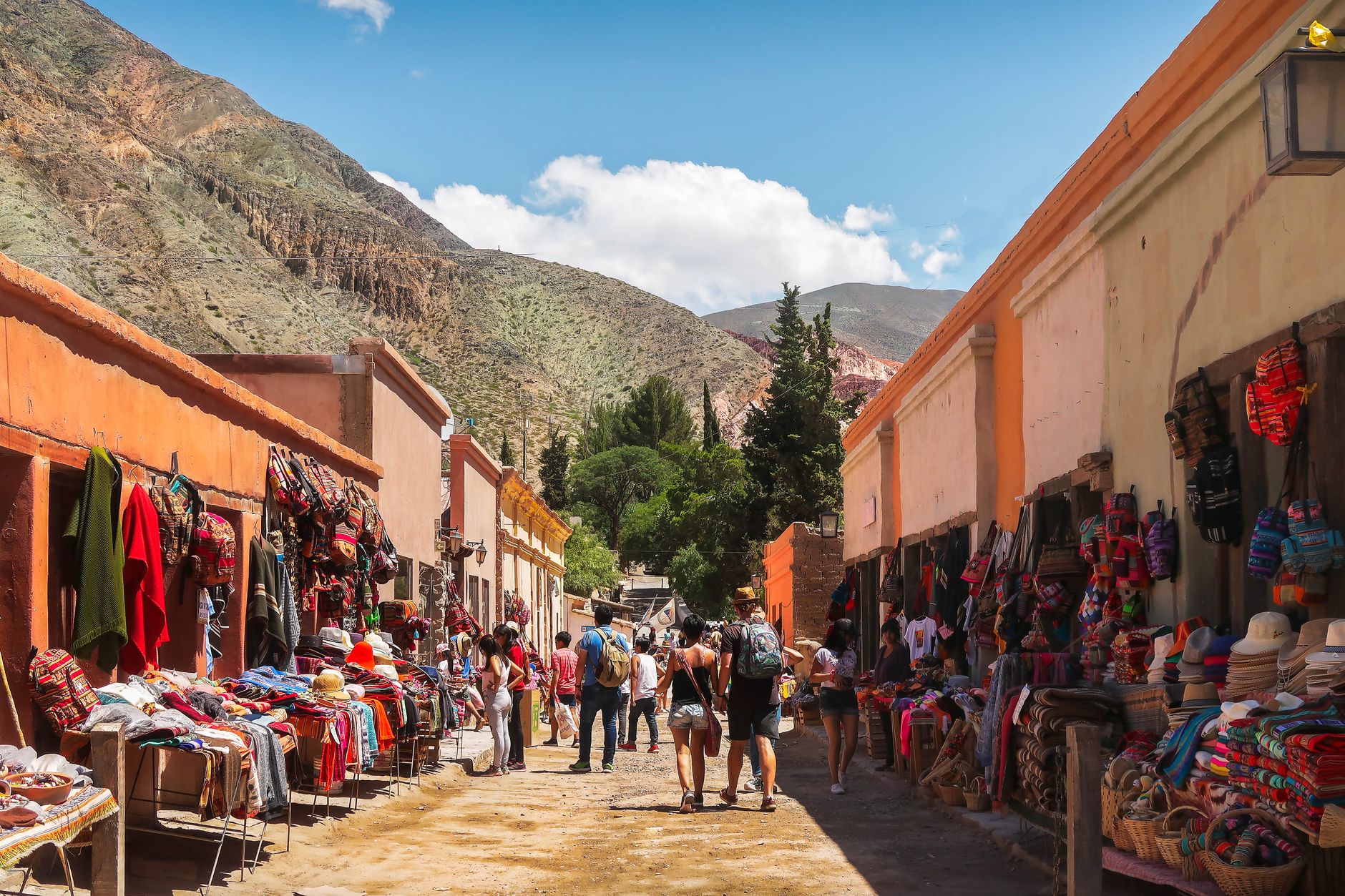
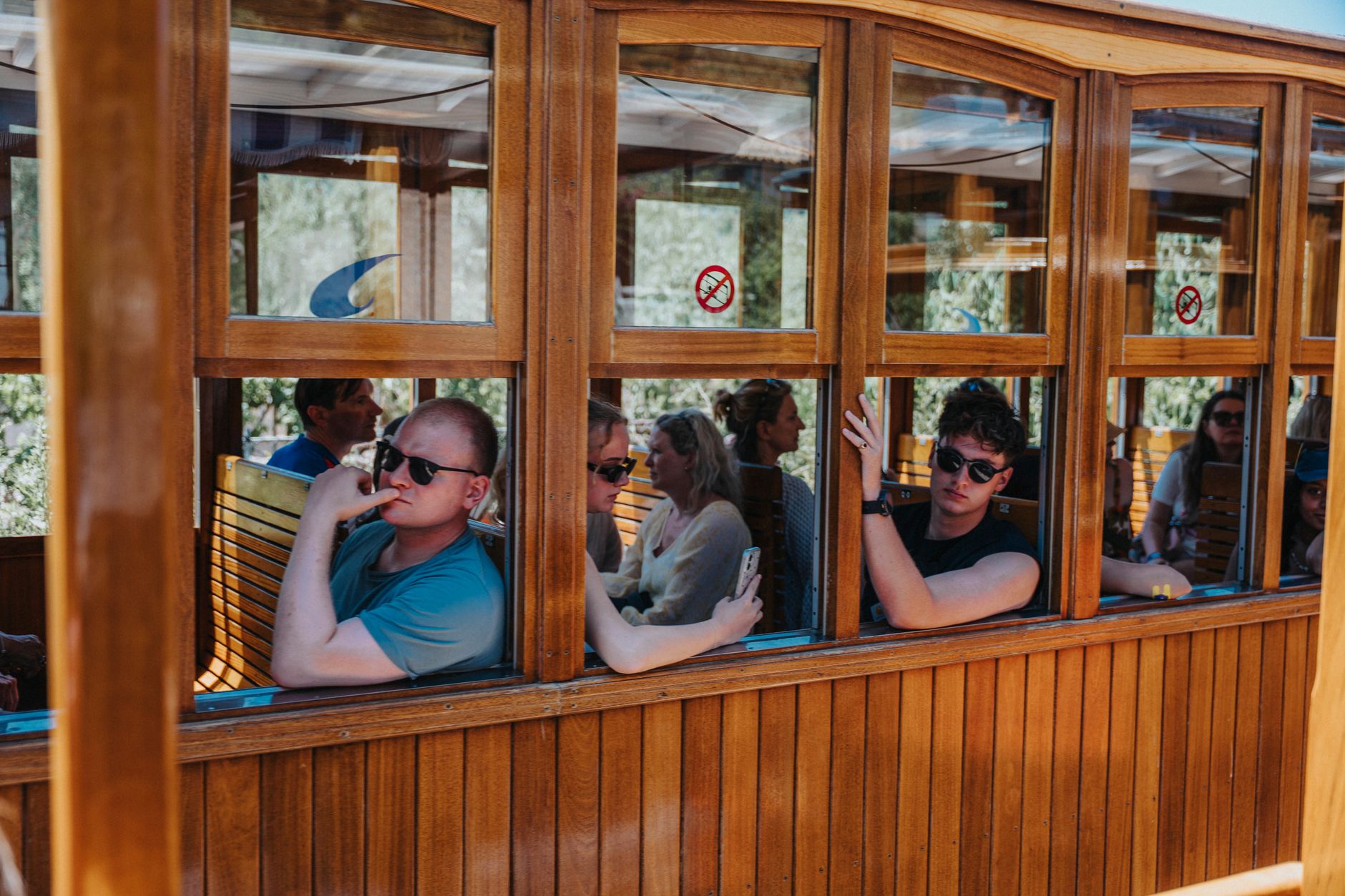

The train that puts Esquel on maps is only 750 mm wide and burns oil the way it did in 1945, clanking south through steppe grass on what the Argentine government has declared a National Historic Monument. La Trochita — the Old Patagonian Express — leaves from a tin-roofed station a short walk from the town center, and the hour-long ride to Nahuel Pan is a reasonable introduction to how Esquel operates: unhurried, a little anachronistic, and quietly serious about the landscape around it.
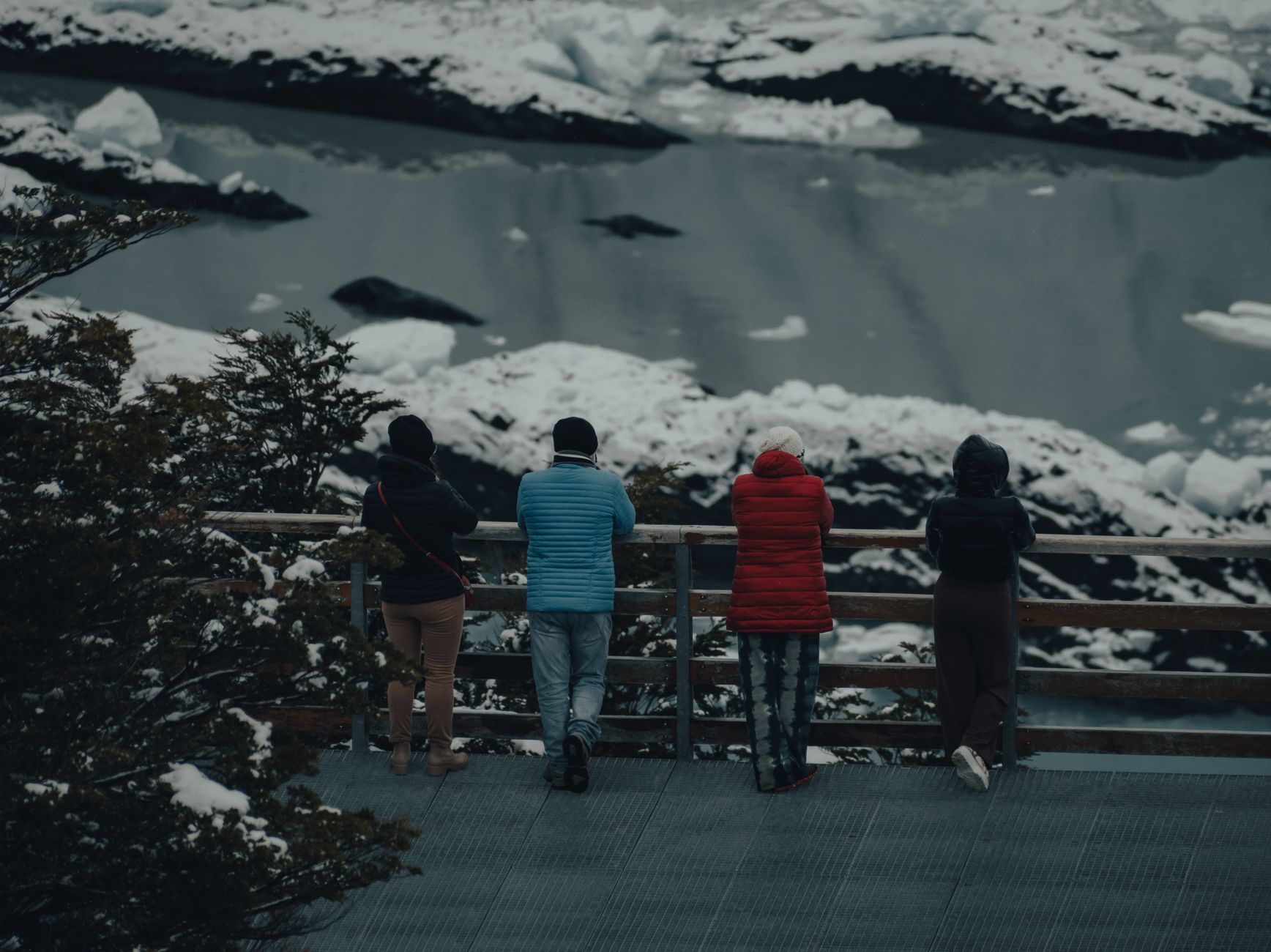
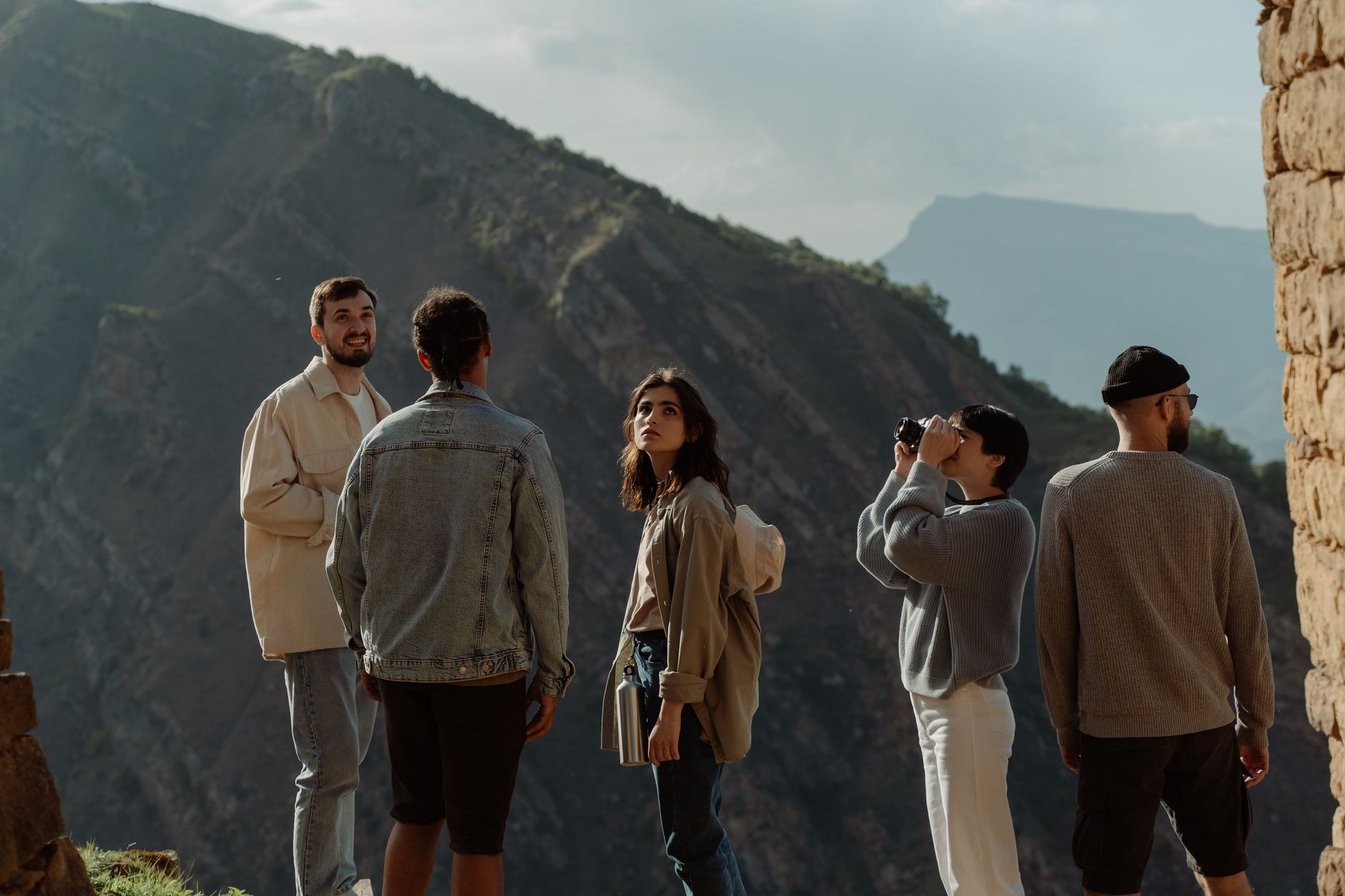
The city itself sits in a valley at the northern edge of Chubut, with Los Alerces National Park 50 km to the northwest and a ski mountain 13 km up the road. It is a working Patagonian town with a Welsh genealogy and a meteorite in its past — the kind of place where the details reward attention.
💛 What travellers fall for
People who come back tend to mention Casa Los Vascos on the same breath as the park. The general store — opened in 1926, still run by the Valbuena family — sells hardware, yerba, and rope alongside each other. It is, by some accounts, the last almacén de ramos generales still operating in Argentina. Worth ten minutes of anyone's afternoon.
Deals in Esquel
Book directly at the provider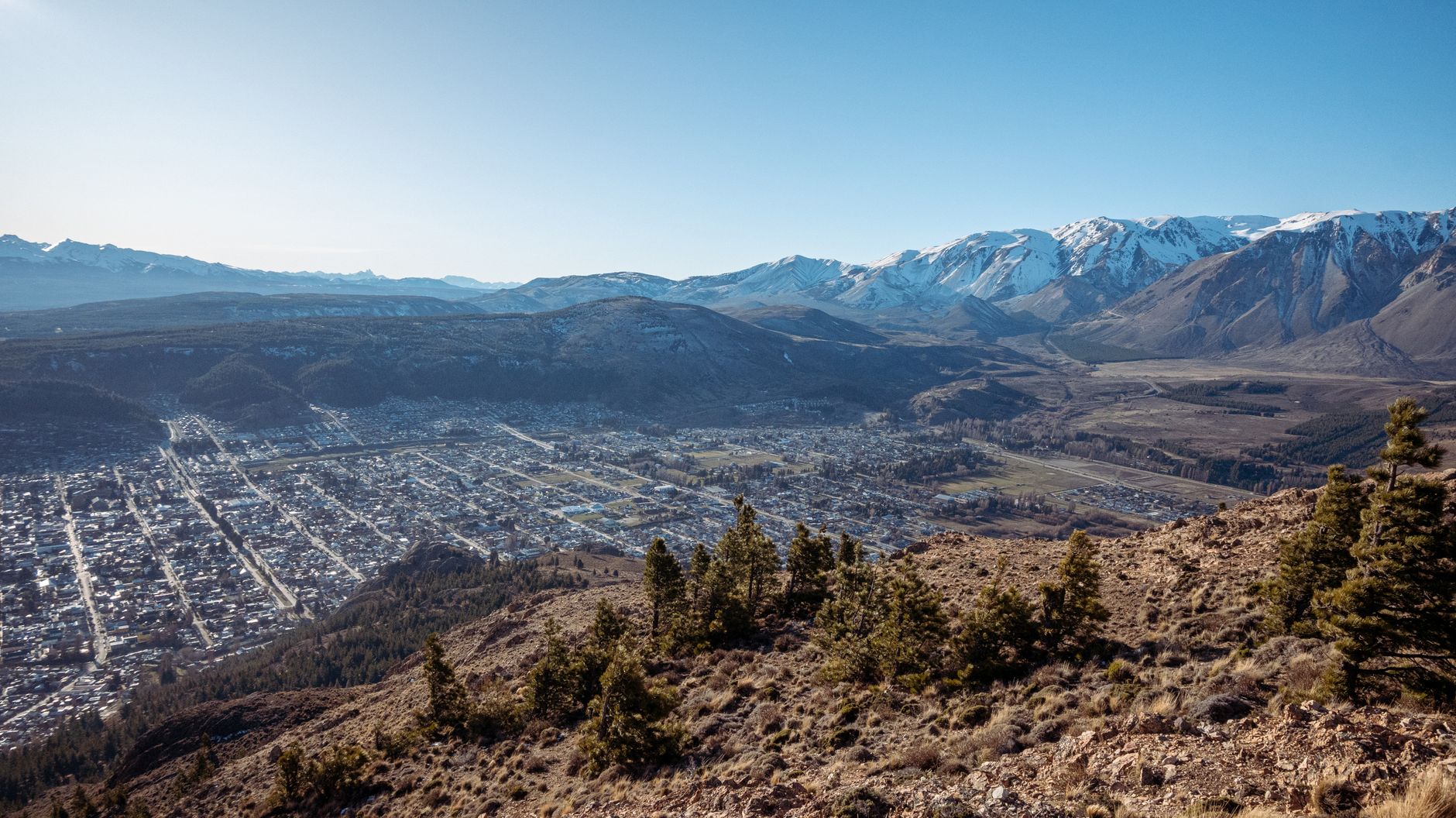
How Esquel came to be
Welsh settlers arrived in Chubut in 1865, and the community that would become Esquel grew as an extension of Colonia 16 de Octubre. The official founding date is 25 February 1906, marked by the inauguration of telegraph service — the operator on duty that day was Medardo Morelli. The Welsh called the settlement Tre'r Ysgall, Town of Thistles; as Spanish speakers absorbed the name over generations, the pronunciation softened into Esquel.
The railway arrived on 25 May 1945, its first fifty steam locomotives built by Henschel & Son in Germany in 1922, later supplemented by Baldwin engines from Philadelphia. In 1951, a farmer digging a water tank turned up a 755-kilogram meteorite — cut and polished, it shows yellowish olivine crystals. La Hoya ski center opened in 1974, and in 2009 Esquel was formally twinned with Aberystwyth, Wales, closing a loop that had been open for over a century.
Who and what shaped it
People who shaped it
Landmark buildings
See Esquel in motion
Plan your visit
On the map
When to go
Summers (December to February) are mild and dry, the best window for Los Alerces and hiking around Laguna La Zeta. Winters are cold and reliably snowy above the valley — La Hoya's season runs July through September, occasionally stretching to mid-October.
Right now
Background & history adapted from Wikipedia (CC BY-SA) · specs from Wikidata (CC0) · weather from Open-Meteo · map data © OpenStreetMap contributors · photos from Wikimedia Commons / Unsplash with per-image credit. No third-party reviews or social posts reproduced.