
Esna
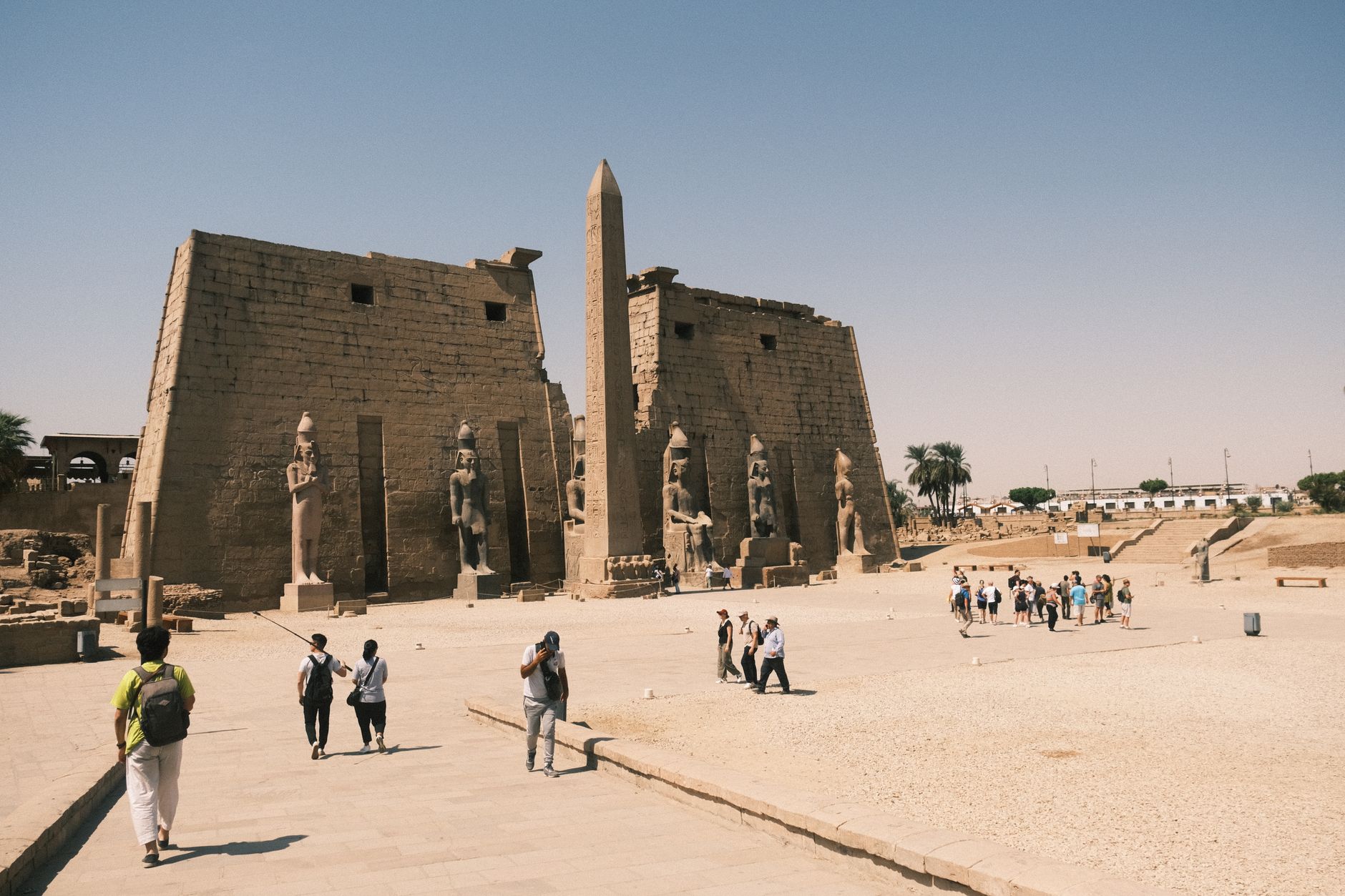
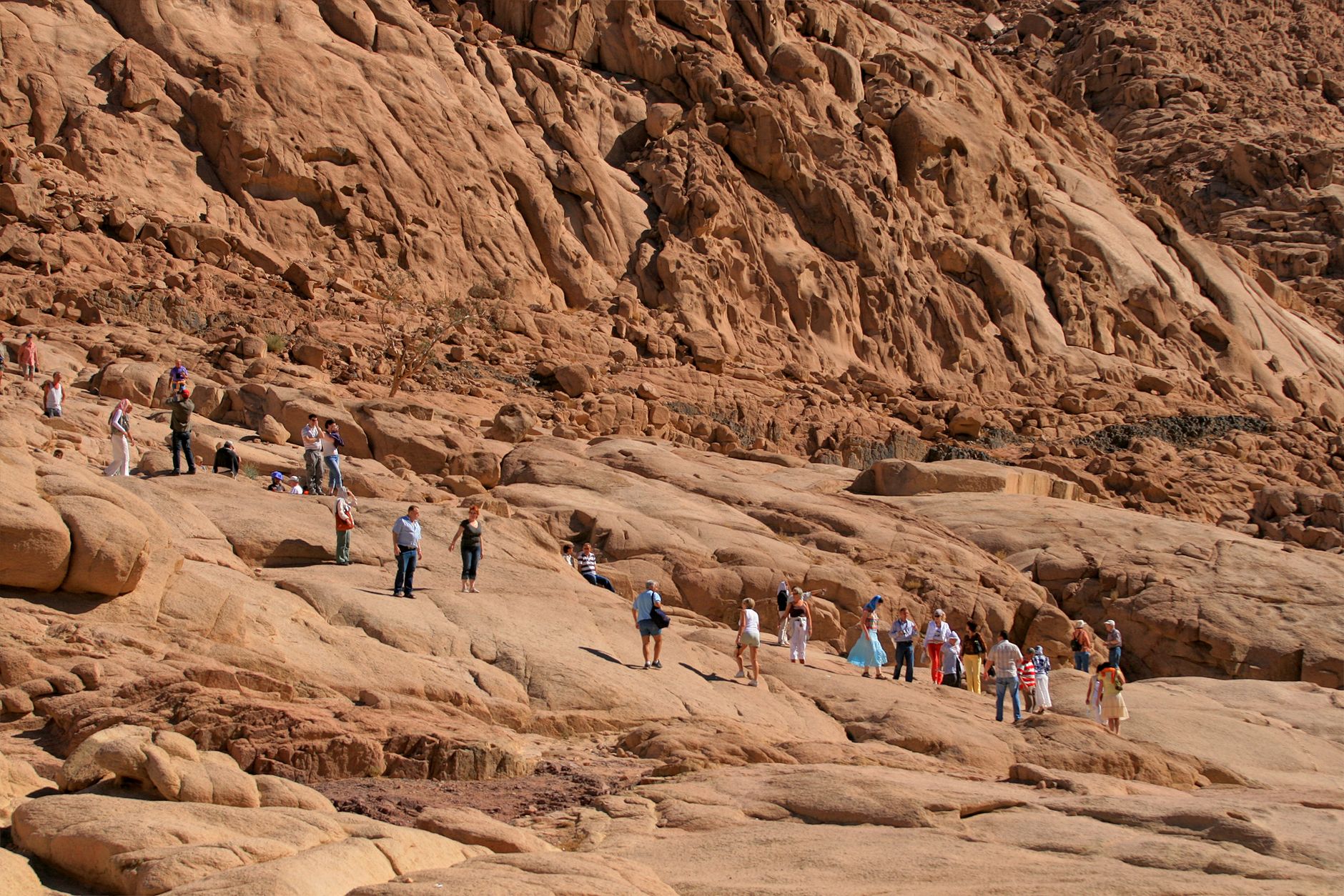
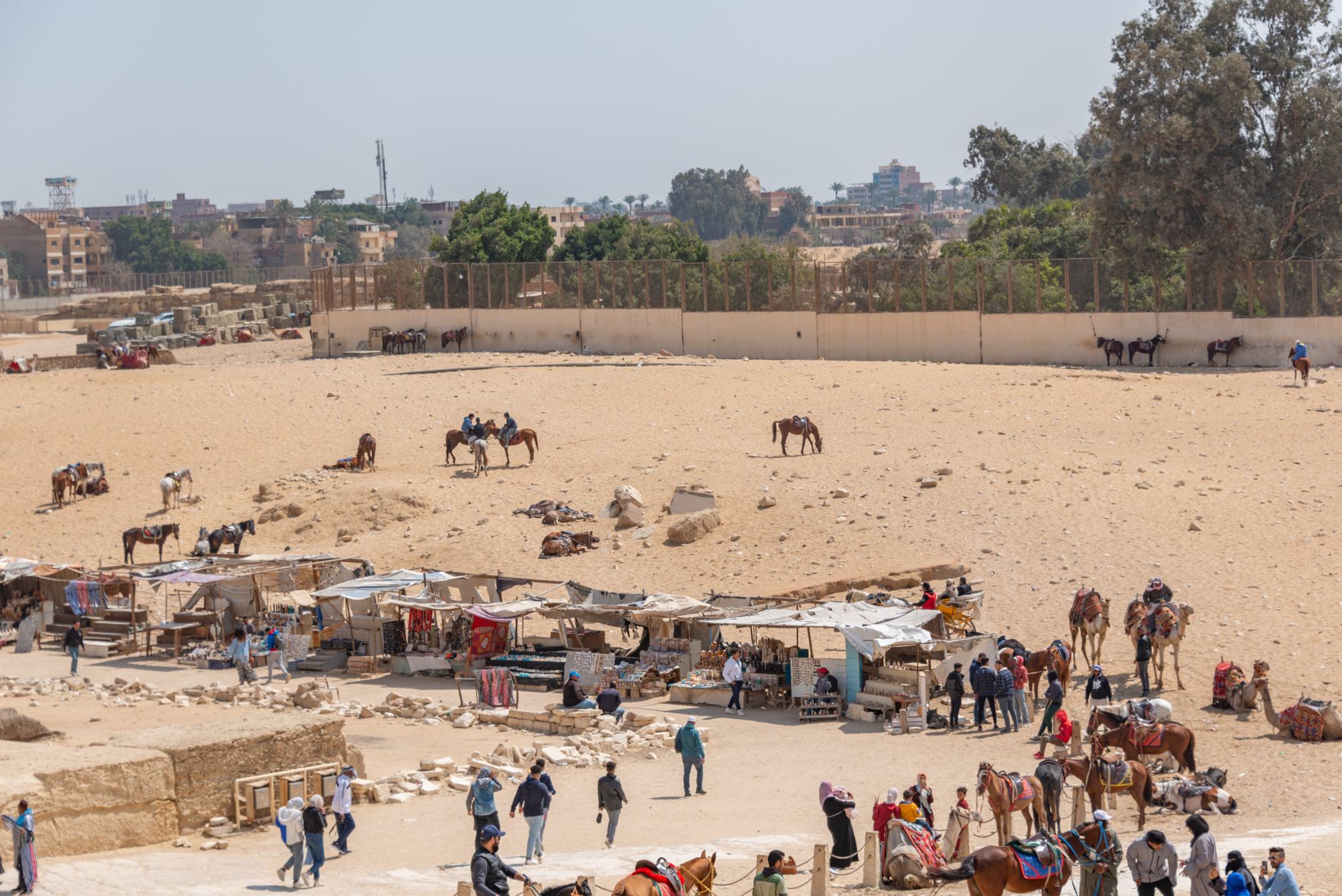
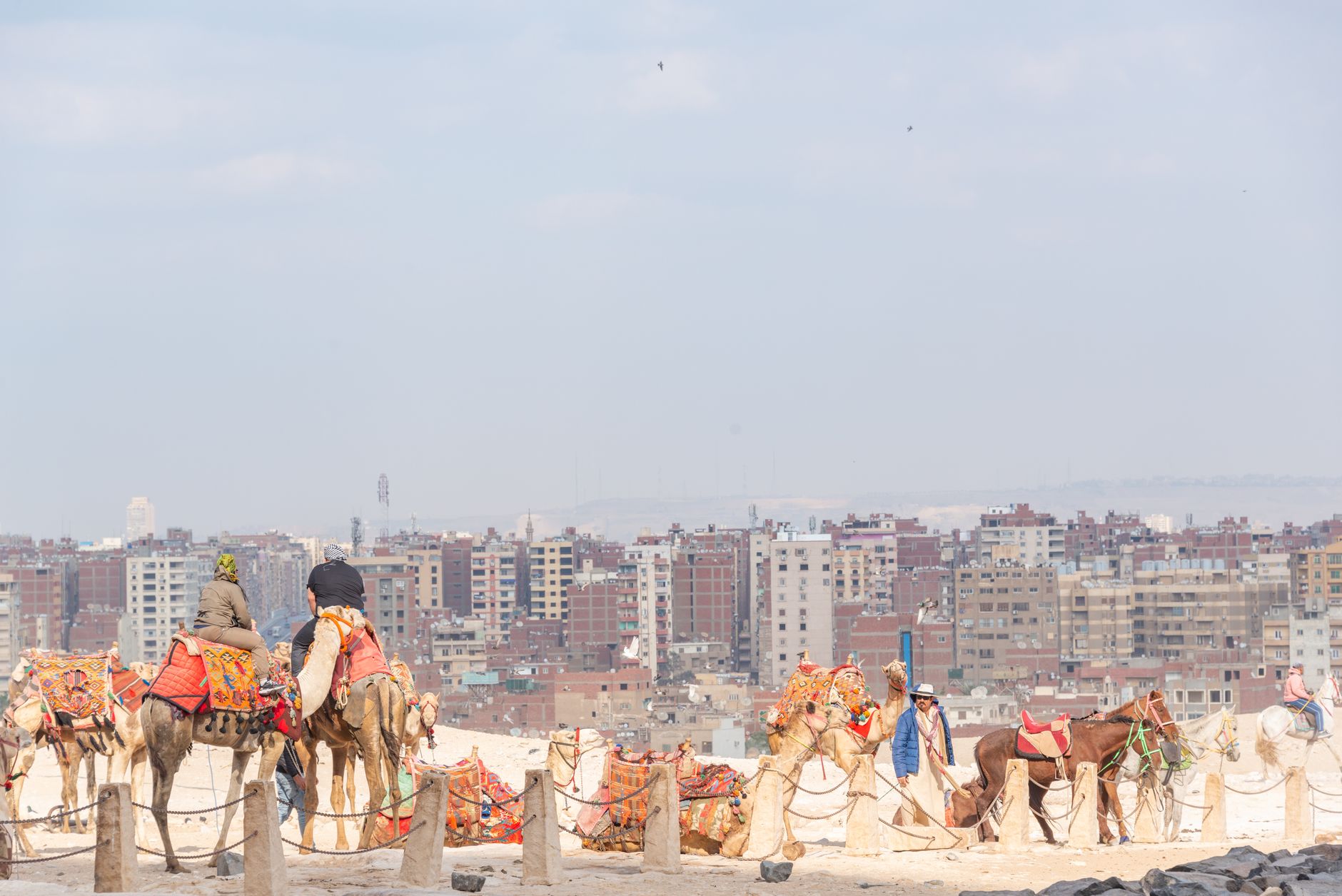
The Temple of Khnum sits nine metres below the street level of modern Esna, which tells you something about how long people have been piling their lives on top of this place. You descend into the hypostyle hall and find 24 sandstone columns — each more than thirteen metres tall, their capitals carved into fans of papyrus — holding up a ceiling painted with all twelve signs of the zodiac and the planets Jupiter, Saturn, and Mars. Somewhere on the walls is the last hieroglyphic inscription ever carved in ancient Egypt, dated 250 AD.
Most visitors arrive while their Nile cruise ship queues at the lock, and that accidental layover turns out to be enough to see the temple and wander the covered souq behind it, where tailors run up jalābiyyas and a century-old oil press still grinds lettuce seeds by hand.
💛 What travellers fall for
People who come back tend to arrive early, before the cruise groups descend. The Saturday market at Al-Qīsāriyya is worth timing a visit around — clay tableware, local food, the wooden-roofed southern section still ringed by mud-brick buildings with painted doors. And if you're on a cruise, watch the lock: the floating market that forms around the ship — vendors in rowboats tossing plastic-wrapped goods up four storeys — is genuinely unlike anything else on the river.
Deals in Esna
Book directly at the provider

How Esna came to be
The city the Greeks called Latopolis began as Iunyt, capital of the Third Nome of Upper Egypt. The Temple of Khnum was started under Tuthmosis III in the 18th Dynasty, around 1479–1425 BC, but the structure standing today was largely built and decorated between 40 and 250 AD — Roman emperors Claudius, Trajan, and Hadrian all left their cartouches on the walls, making it one of the last great pharaonic-style temples ever completed.
Christianity arrived early and violently: a wave of Roman persecution between 303 and 311 AD killed some 3,600 people here, and the Martyrs' Monastery was founded in the 6th century in their memory. By the 18th century, Esna was a major caravan hub; the Wekalet Al-Geddawy caravanserai, built by the ruler Hassan El-Geddawy, drew traders from across Africa. The Nile lock, constructed in 1908 under Khedive Abbas Hilmi II, shifted the city's role again — from land crossroads to river checkpoint.
Who and what shaped it
People who shaped it
Landmark buildings
See Esna in motion
Plan your visit
On the map
When to go
October through April brings comfortable temperatures that make walking the souq and standing in the open square around the temple genuinely pleasant. May through September the heat in Upper Egypt is serious; the below-ground temple hall offers some relief, but the rest of the town is unshaded and exposed.
Right now
Background & history adapted from Wikipedia (CC BY-SA) · specs from Wikidata (CC0) · weather from Open-Meteo · map data © OpenStreetMap contributors · photos from Wikimedia Commons / Unsplash with per-image credit. No third-party reviews or social posts reproduced.