
Engelberg
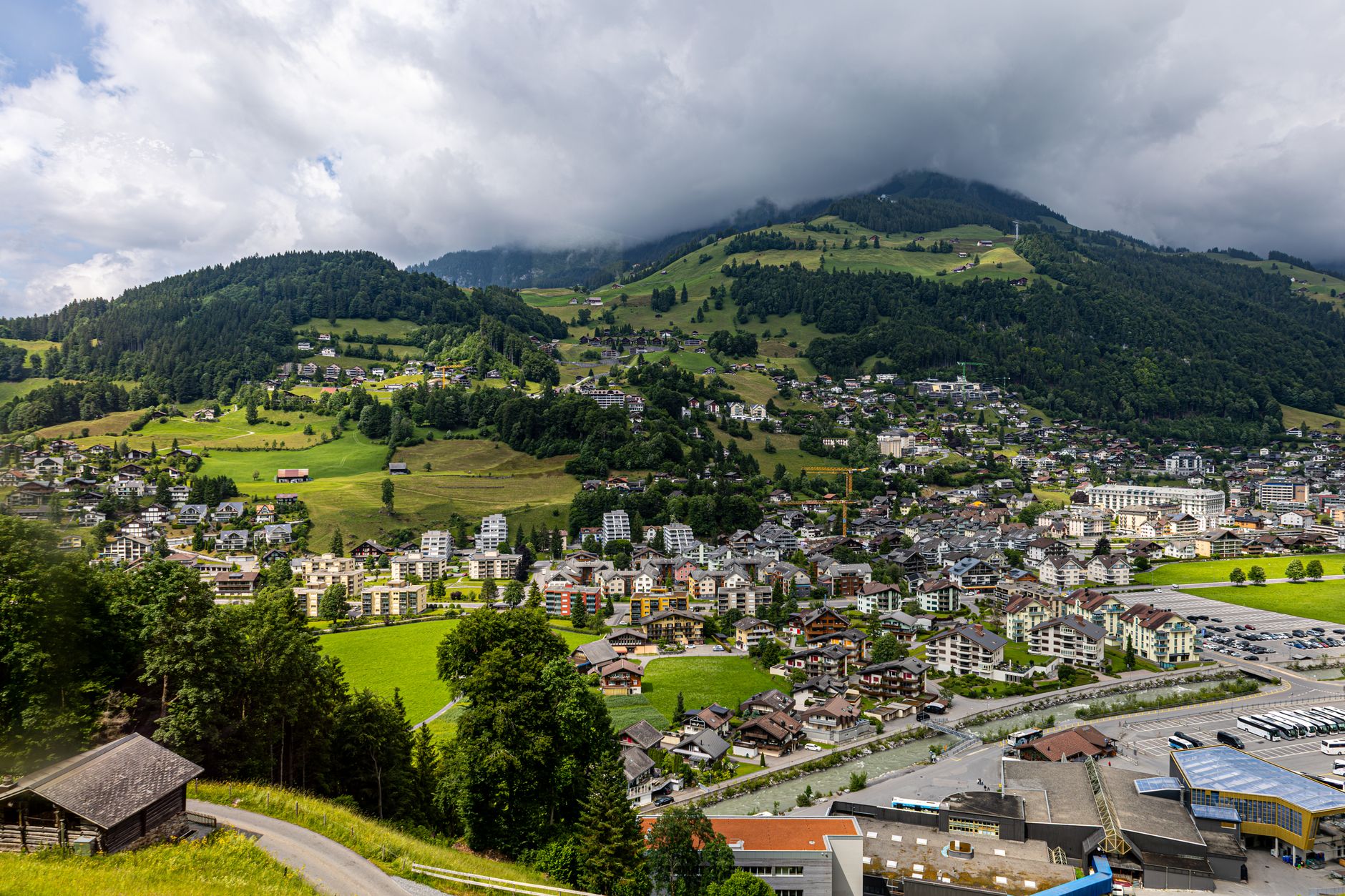
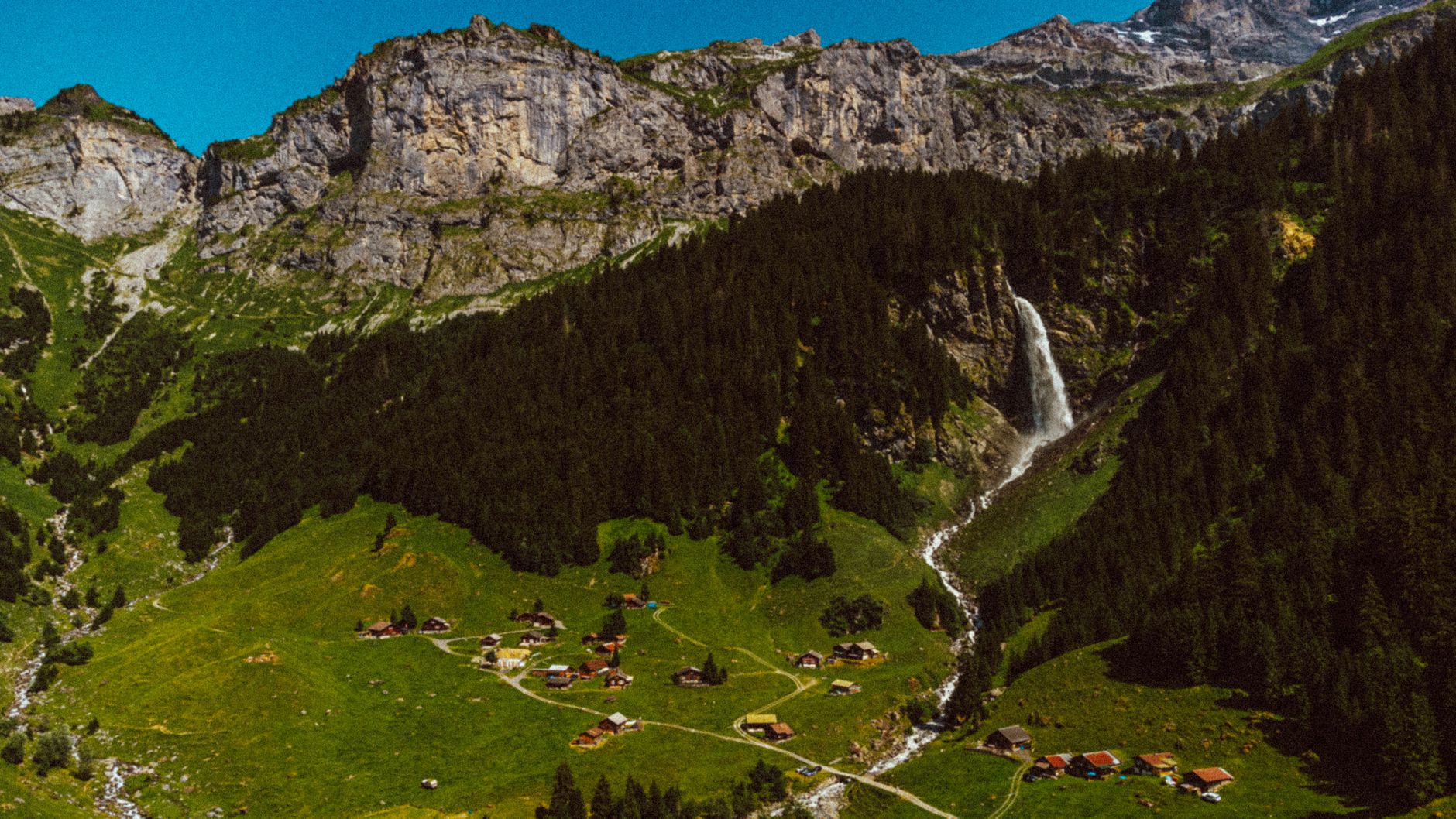
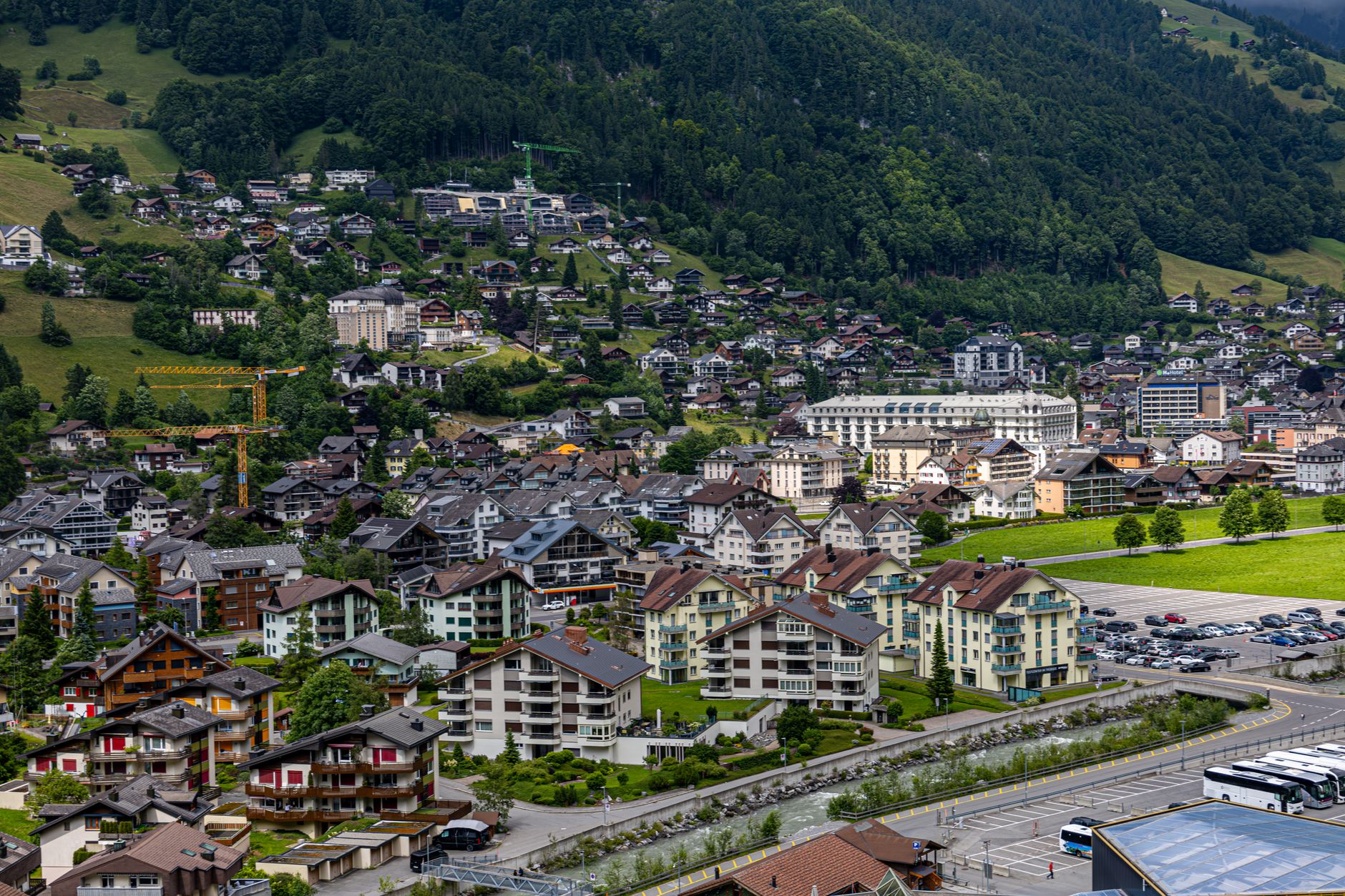
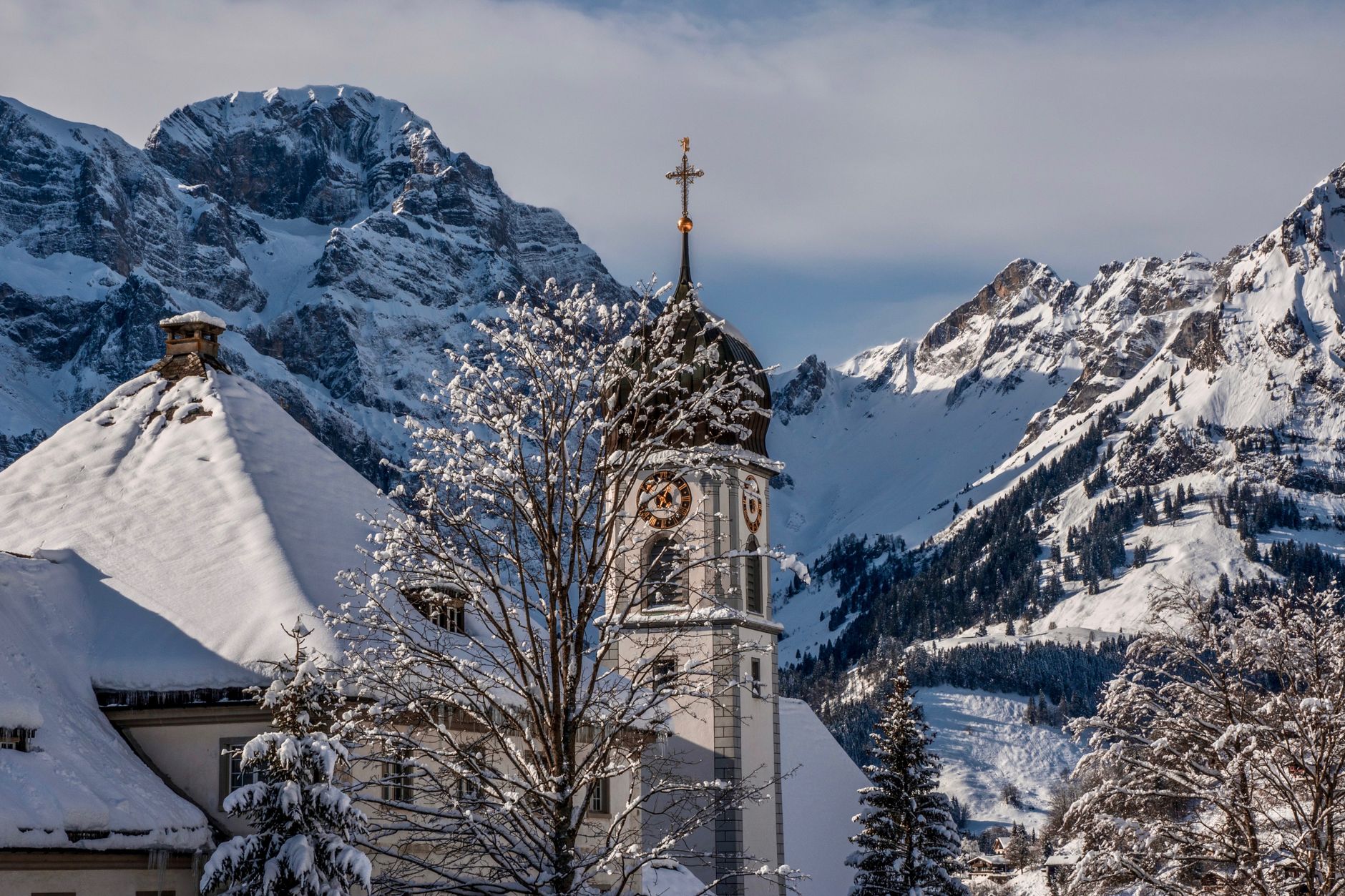
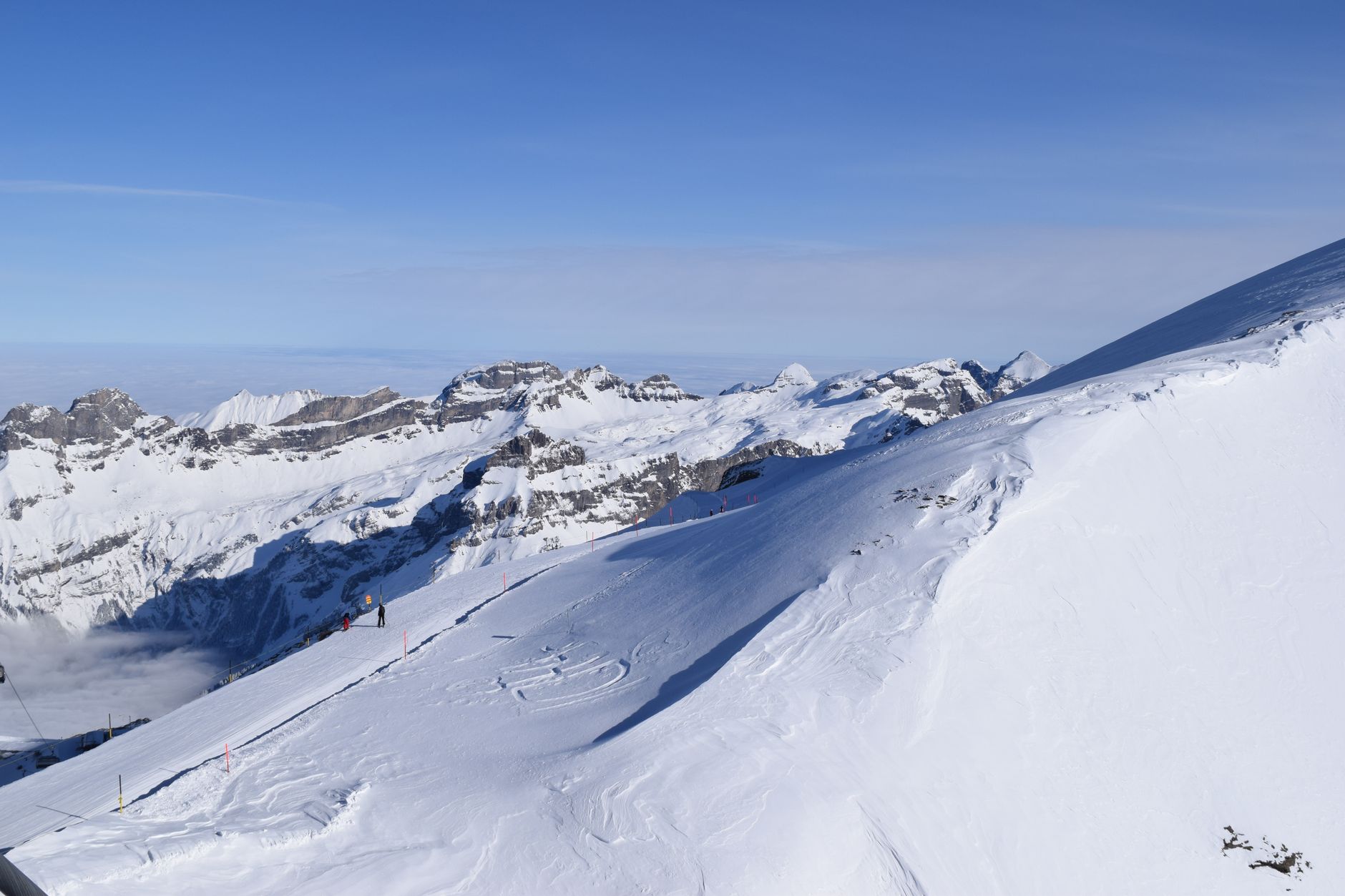
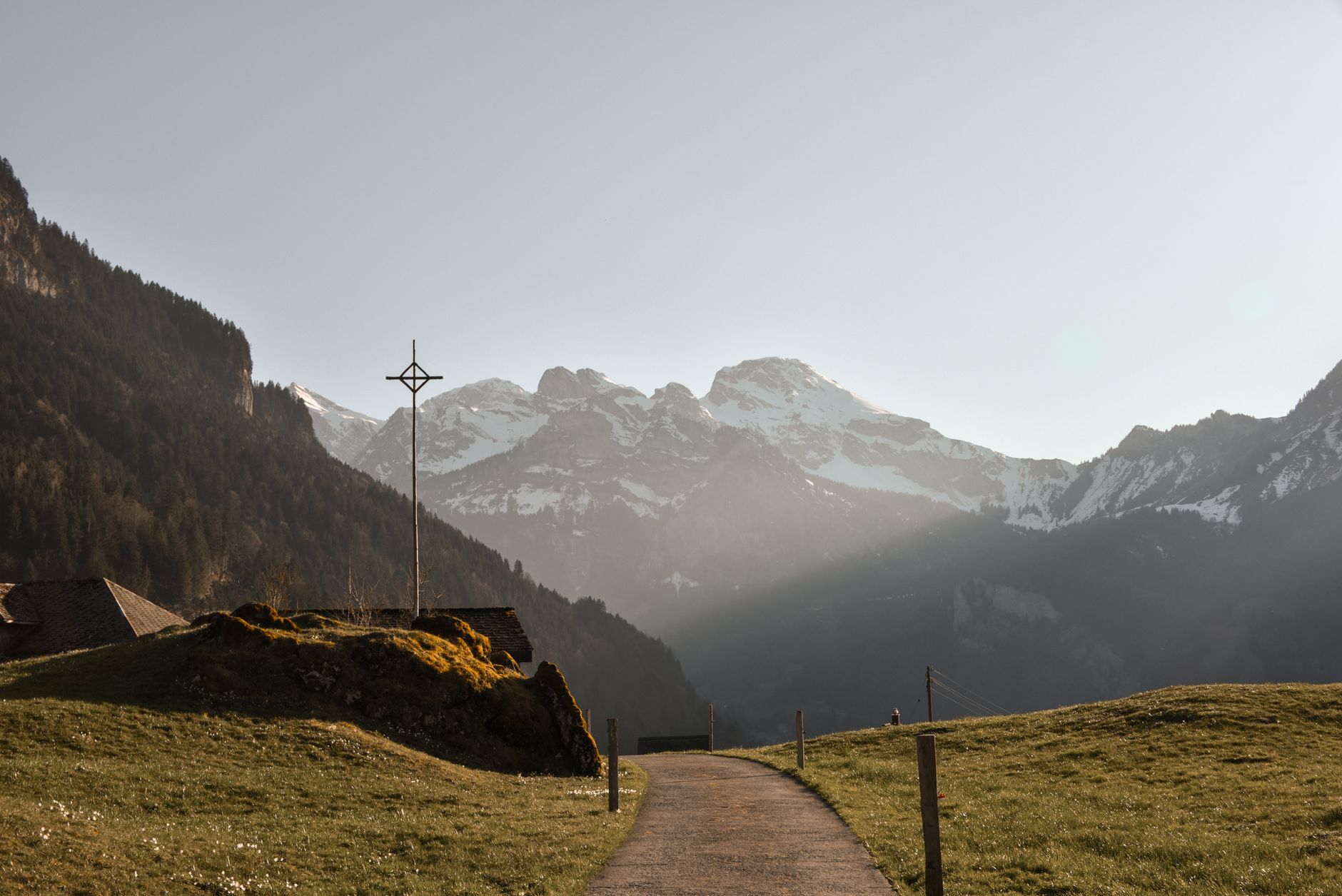
At the head of the Nidwalden Valley, Engelberg ends the road. There is nowhere further to drive, which concentrates everything — the abbey, the mountain, the village — into a single frame. The Benedictine monastery has stood here since 1120, its church housing the largest pipe organ in Switzerland, and Titlis rises behind it to 3,238 metres, its summit reached by the world's first rotating cable car.
What makes Engelberg distinct from its Alpine neighbours is that layering: a working monastery with a scriptorium tradition dating to the 12th century sitting at the base of serious ski and glacier terrain. The two things don't cancel each other out — they make the place stranger and more interesting than either would alone.
💛 What travellers fall for
People who come back tend to mention the same few things: buying cheese at Chäs im Kloster directly from the abbey shop, then taking the Titlis Xpress up to Trübsee just to sit at the water's edge before the day-trippers arrive. The 43-minute train from Lucerne makes a lazy morning start entirely reasonable.
Deals in Engelberg
Book directly at the provider

How Engelberg came to be
Count Conrad of Sellenbüren founded the Benedictine abbey on 1 April 1120, with Adelhelm of Muri as its first abbot. Within two decades, Abbot Frowin had established a scriptorium whose illuminated manuscripts are still counted among the treasures of medieval book art. The abbey gave the valley its name — Engelberg, hill of angels — and shaped its rhythms for centuries.
The modern resort emerged more abruptly. In the mid-19th century, families like the Cattanis and Odermatt built hotels capitalising on mineral water and mountain air. Eduard Cattani — mayor, governor, chief justice, and builder of the Hotel Titlis and Grandhotel Winterhaus — is largely credited with turning a monastic village into a luxury destination. The railway arrived in 1898, the first winter season followed in 1903–04, and by 1911 the valley was recording nearly 166,000 visitor-nights a year.
Who and what shaped it
People who shaped it
Landmark buildings
See Engelberg in motion
Plan your visit
On the map
When to go
Winters are reliably cold and snowy, with the ski season running from roughly December through April; at valley level (996 m) expect temperatures well below freezing on clear nights. Summers are warm enough for hiking in a light layer but shift quickly in the afternoon — the valley funnels weather, and thunderstorms build fast over Titlis by mid-afternoon in July and August.
Right now
Background & history adapted from Wikipedia (CC BY-SA) · specs from Wikidata (CC0) · weather from Open-Meteo · map data © OpenStreetMap contributors · photos from Wikimedia Commons / Unsplash with per-image credit. No third-party reviews or social posts reproduced.