
El Burgo de Osma
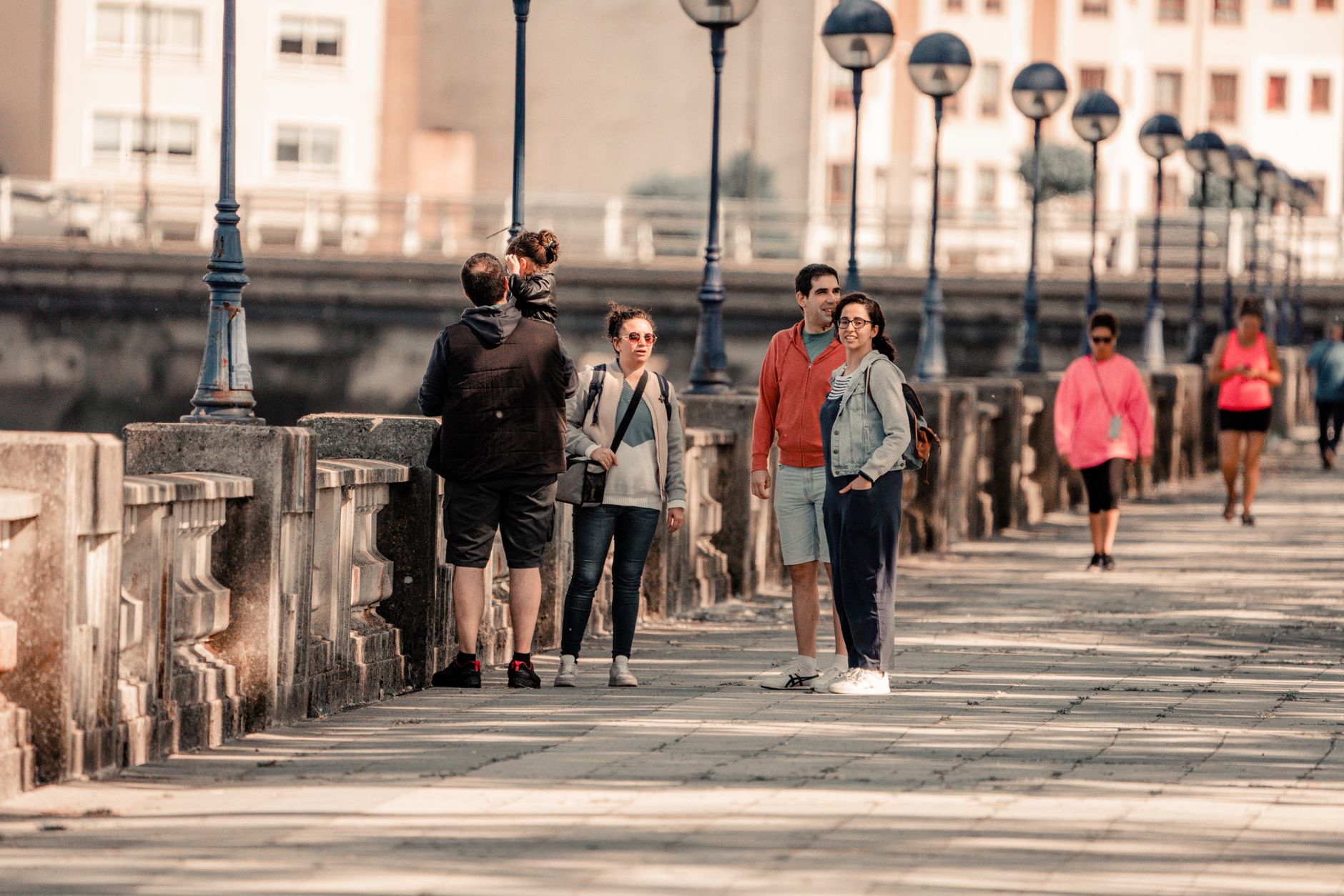
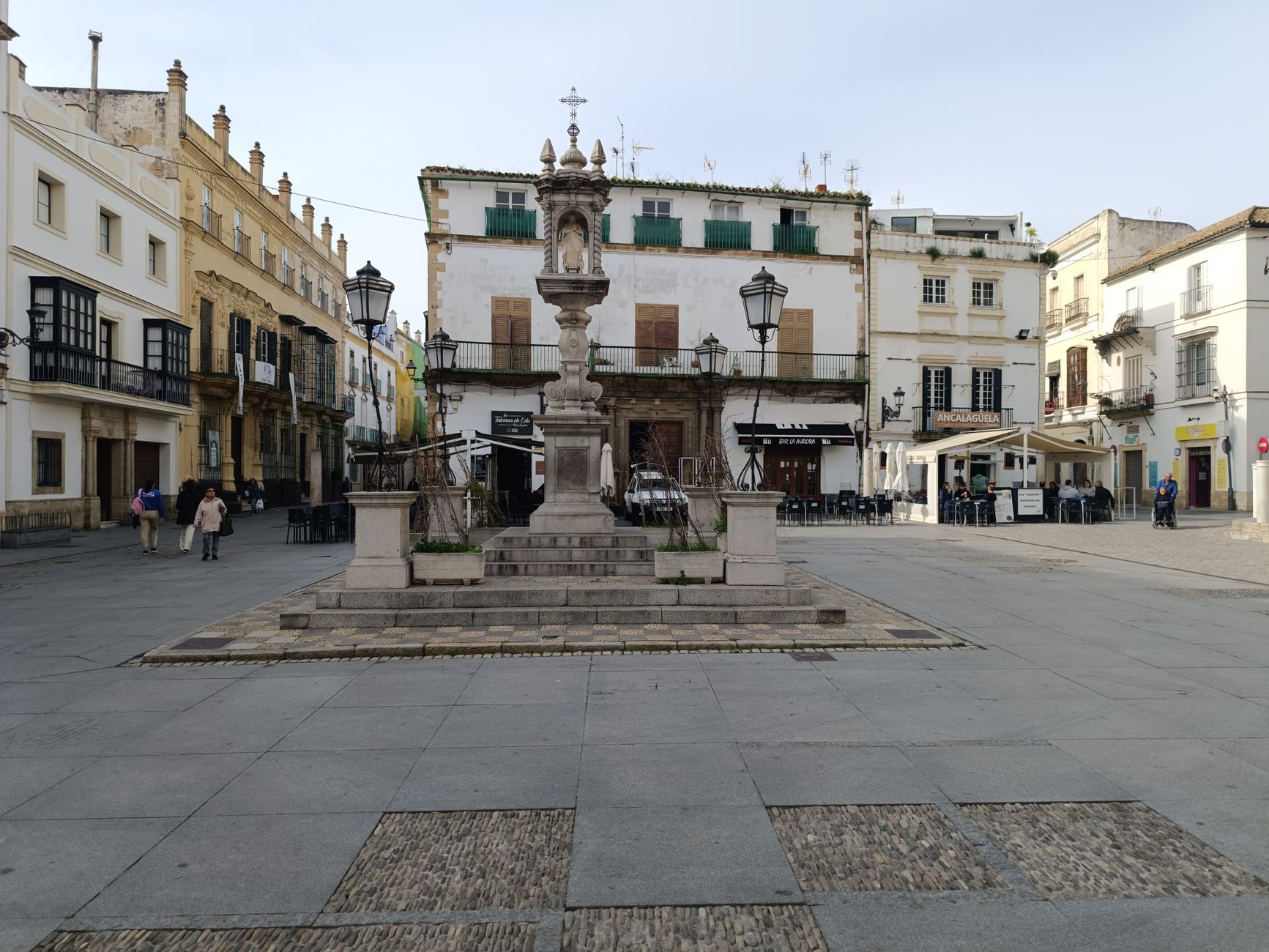
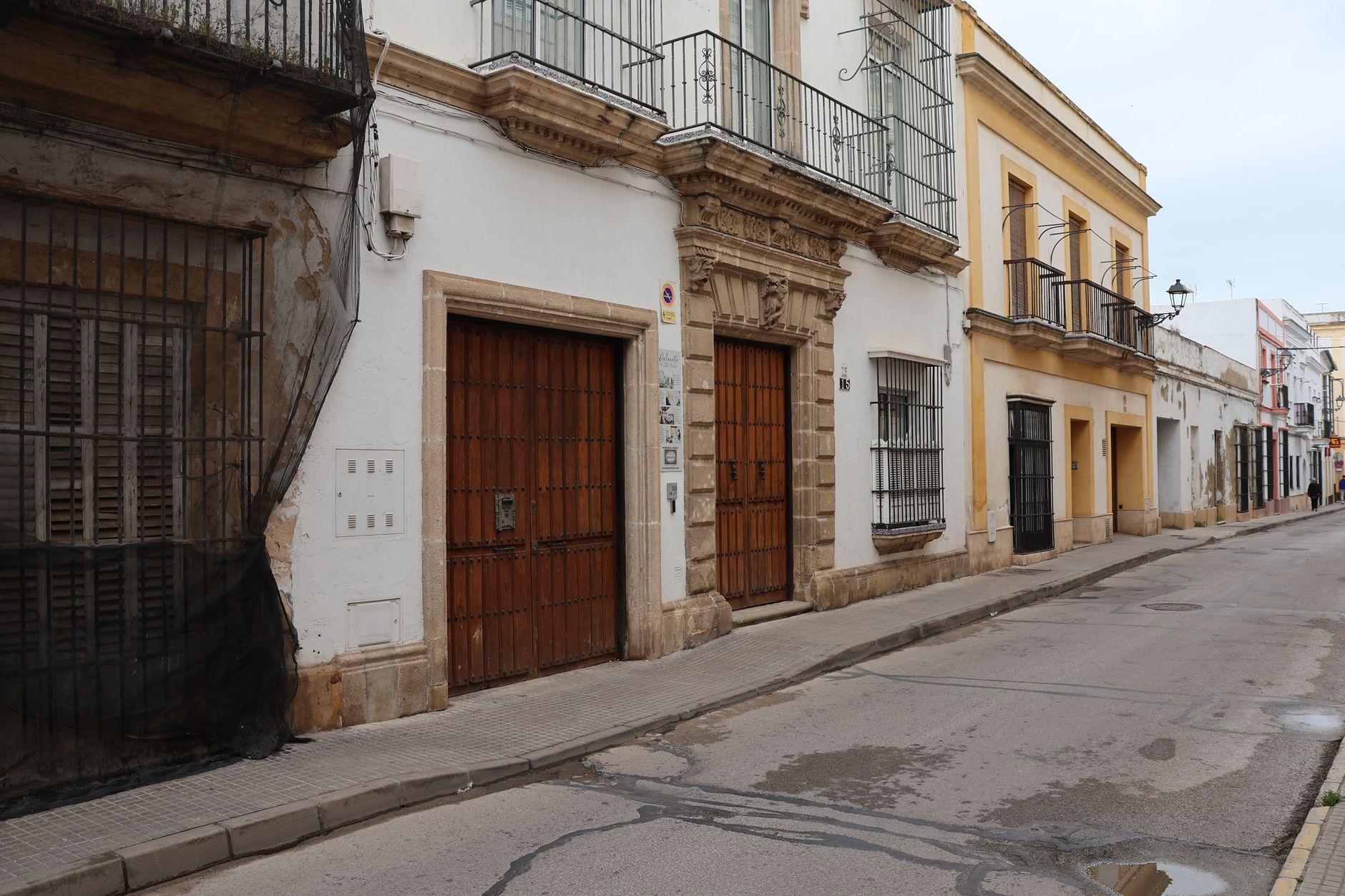
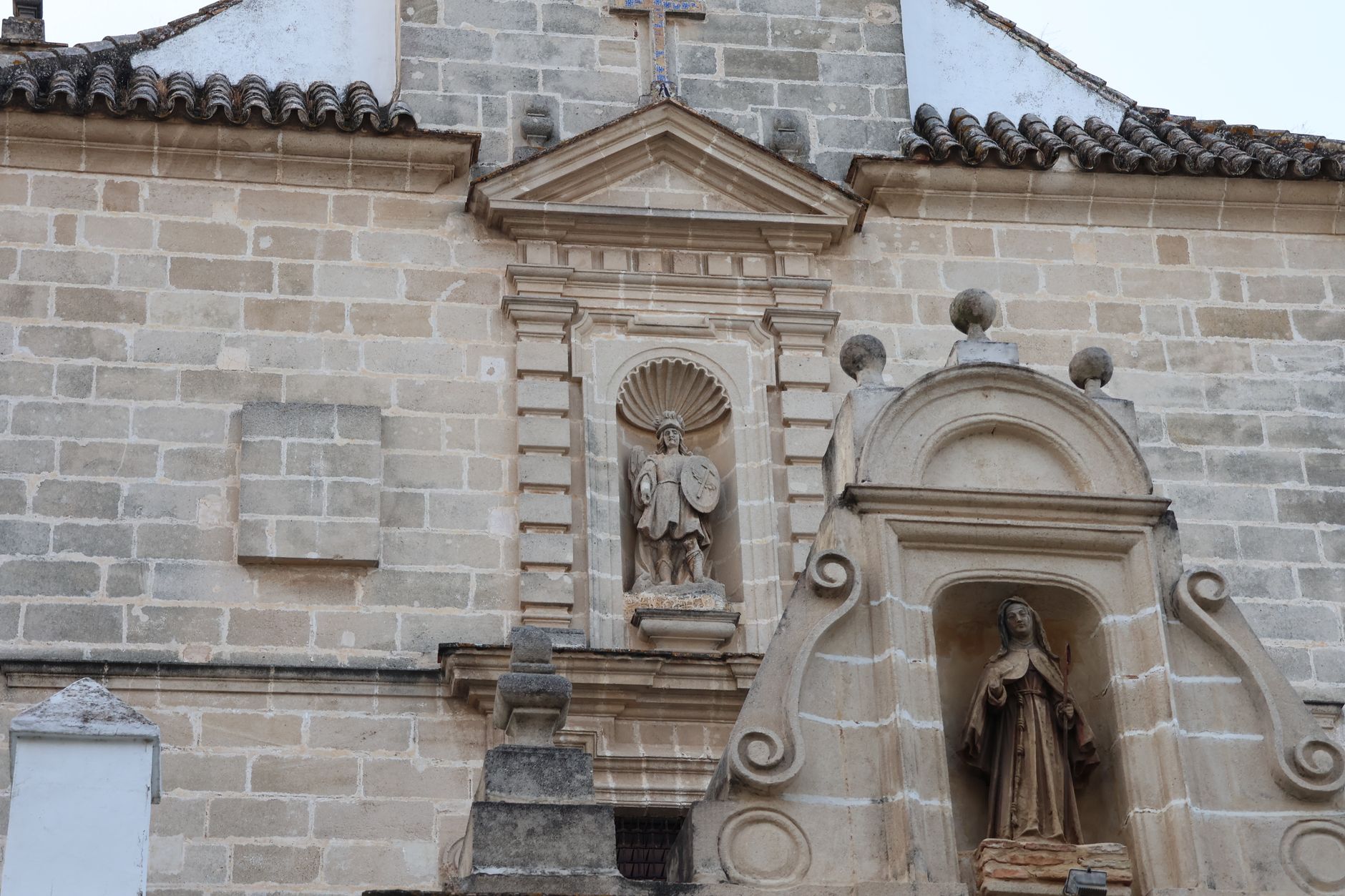
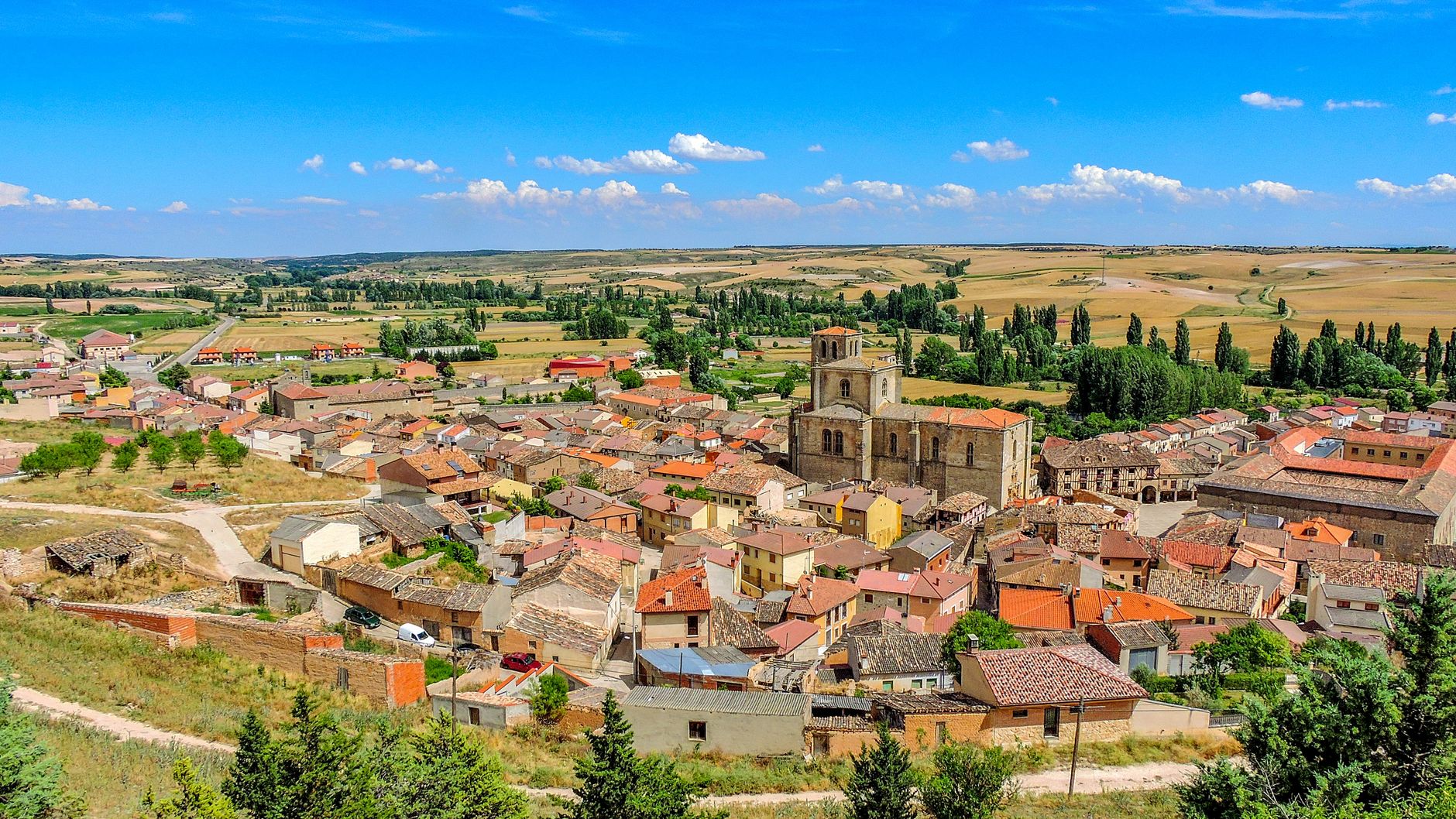
The 72-metre Baroque tower of El Burgo de Osma's cathedral rises above the Castilian plateau with the quiet authority of something that has been the tallest thing for miles for a very long time. The town below it is small — a few thousand people, a porticoed Plaza Mayor, streets of honey-coloured stone — and it wears its history without fuss.
What makes the place worth the detour is the density of what ended up here: a Gothic cathedral rebuilt from Romanesque rubble in 1232, a Renaissance university founded by papal bull in 1550, and locked away in the cathedral museum, an 11th-century Beatus manuscript illuminated by a monk named Martino — one of the most significant codices of its era.
💛 What travellers fall for
People who come back tend to mention the same thing: walk the cathedral's perimeter early, before the tour groups from Soria arrive, and find the angle where the Baroque tower lines up against the open sky. Then take the afternoon slowly — the Plaza Mayor is genuinely good for sitting in, and the streets off it reward an unplanned hour.
Experiences you don't want to miss




Deals in El Burgo de Osma
Book directly at the providerHow El Burgo de Osma came to be
The ground beneath El Burgo de Osma was already old when Rome arrived. The Arevaci, a Celtiberian tribe, built Uxama here in the 4th century BC; the Romans annexed it in 99 BC. By 597 AD it was an episcopal seat, and after the Moorish occupation of the 8th century, the town's modern shape began to form in 1101, when Bishop Pedro de Bourges — later beatified as San Pedro de Osma — ordered a cathedral built on the outskirts of the old settlement, drawing a new urban nucleus around it.
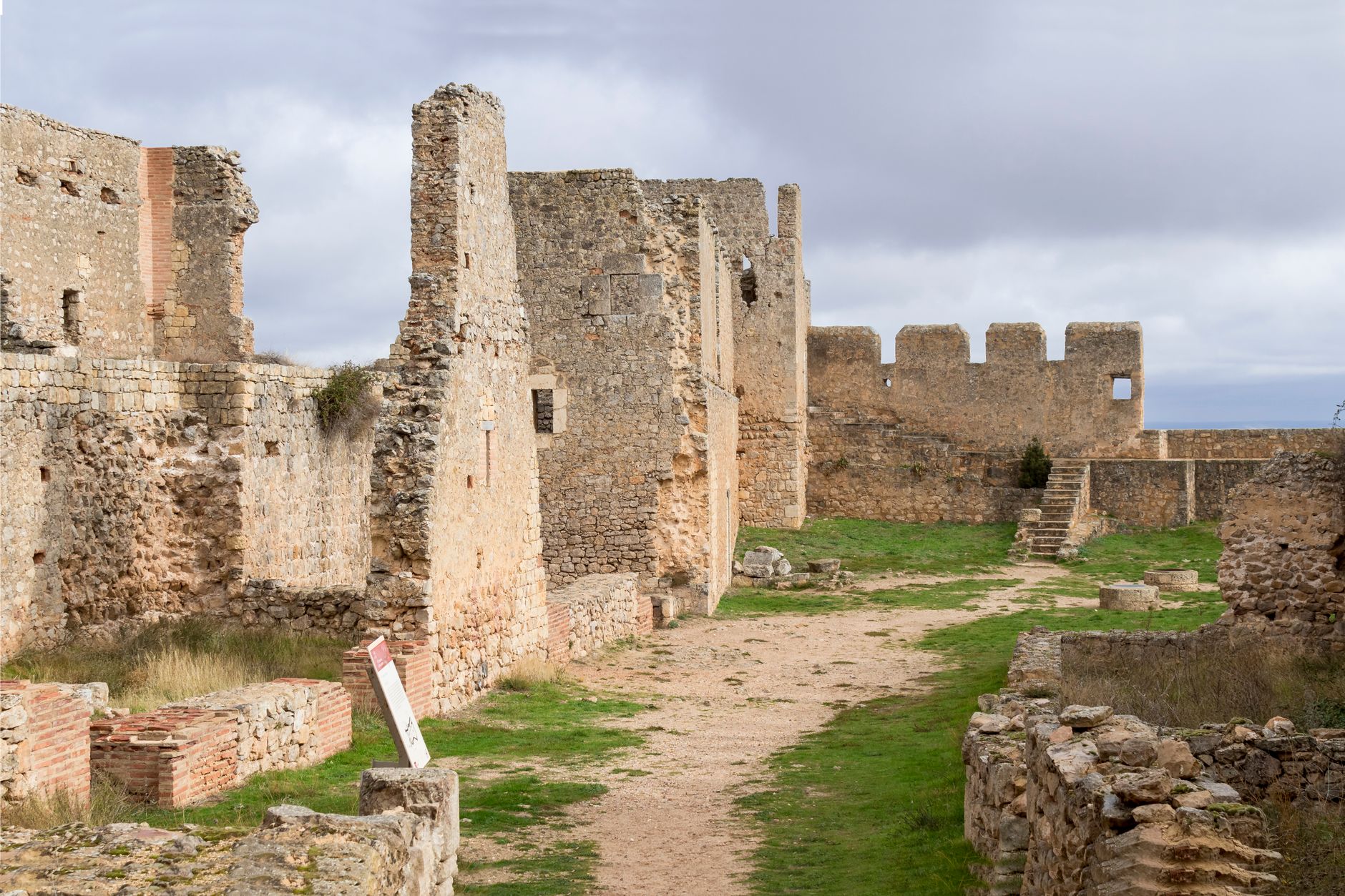
The Romanesque cathedral he commissioned was demolished within 150 years; Bishop Juan Domínguez began the Gothic replacement in 1232, finished under Bishop Bermúdez in 1361. In 1550, Bishop Pedro Álvarez de Acosta secured a papal bull from Julius III to found the University of Santa Catalina, which ran until 1841 before relocating to Soria. The walls date to 1458, ordered by Bishop Montoya, though most were pulled down three centuries later to build houses.
Who and what shaped it
People who shaped it
Landmark buildings
See El Burgo de Osma in motion
Plan your visit
On the map
When to go
El Burgo de Osma sits on the Castilian meseta at roughly 900 metres, which means cold, clear winters with frost from November through March, and summers that are warm but rarely oppressive. April through June and September through October are the easiest months to visit — mild temperatures, good light, and long days.
Right now
Background & history adapted from Wikipedia (CC BY-SA) · specs from Wikidata (CC0) · weather from Open-Meteo · map data © OpenStreetMap contributors · photos from Wikimedia Commons / Unsplash with per-image credit. No third-party reviews or social posts reproduced.