
Edam
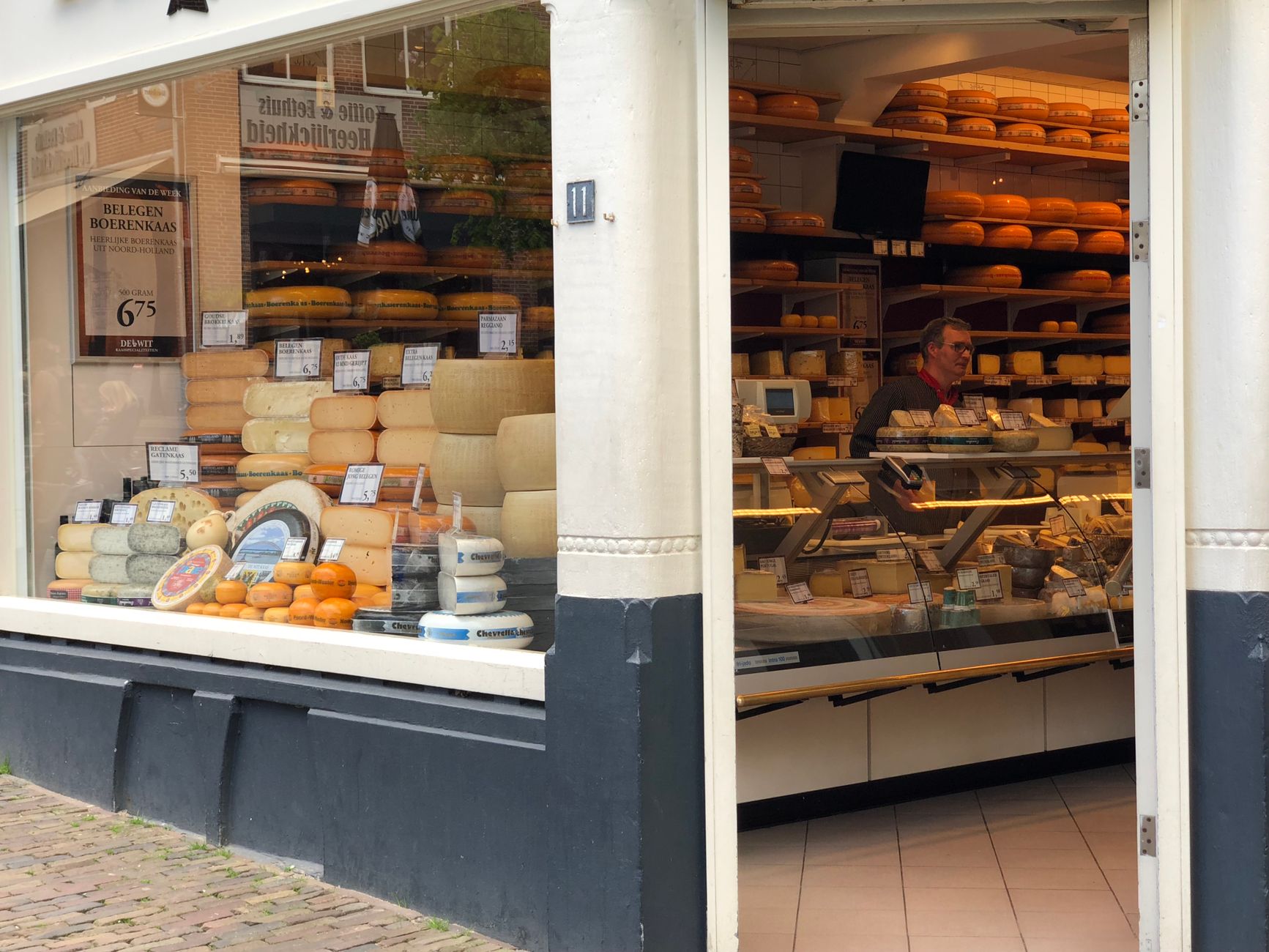
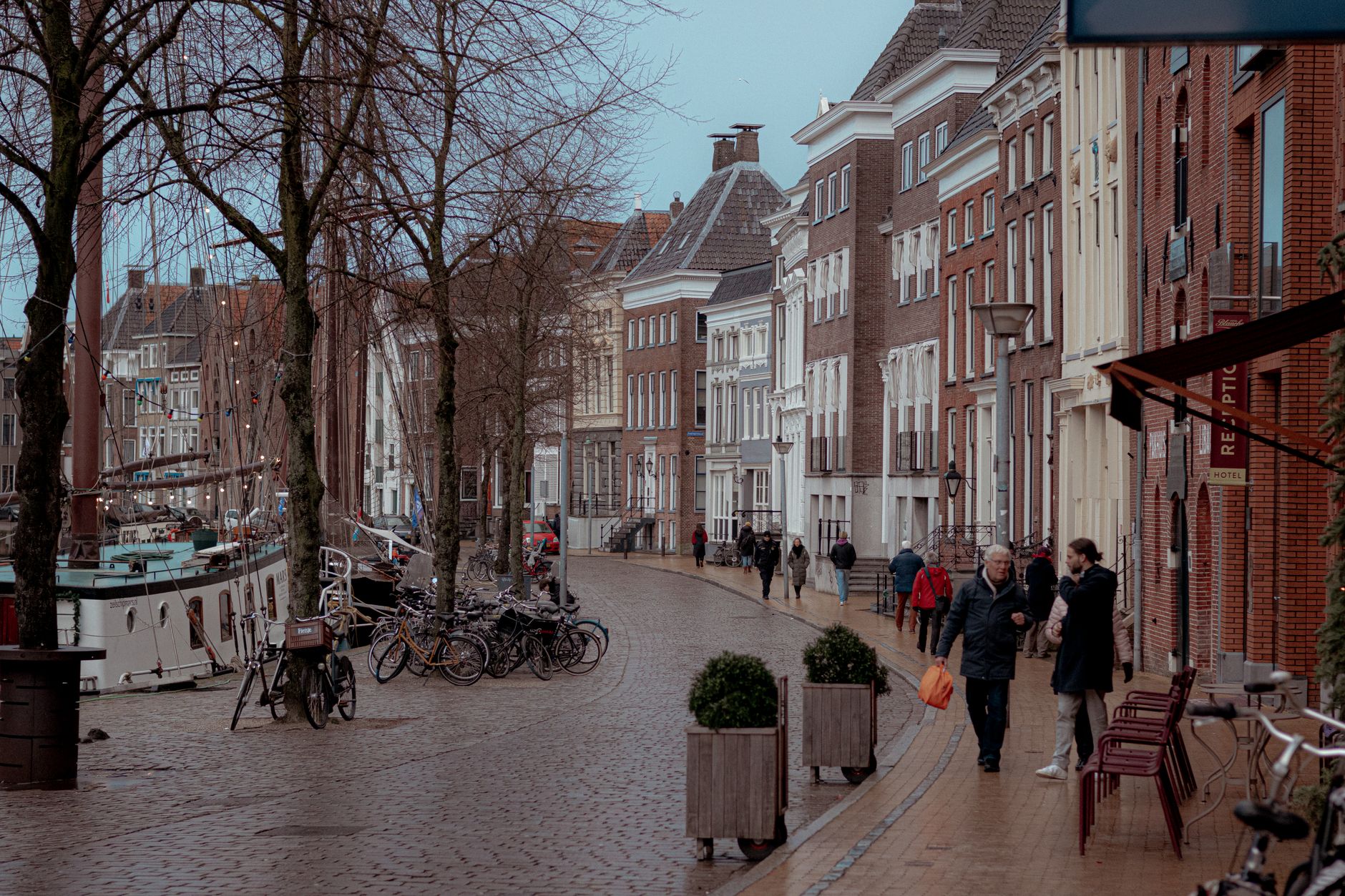
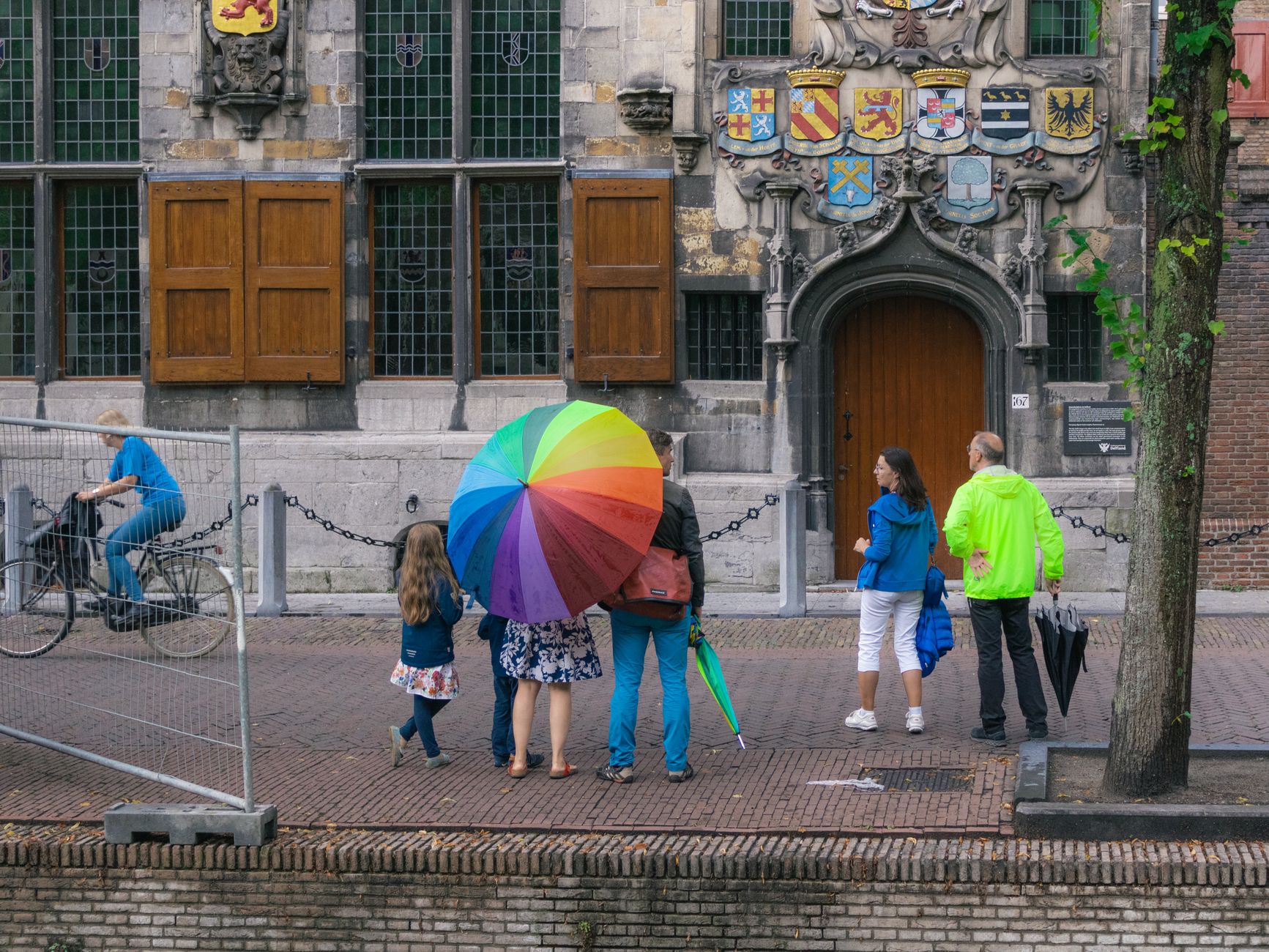
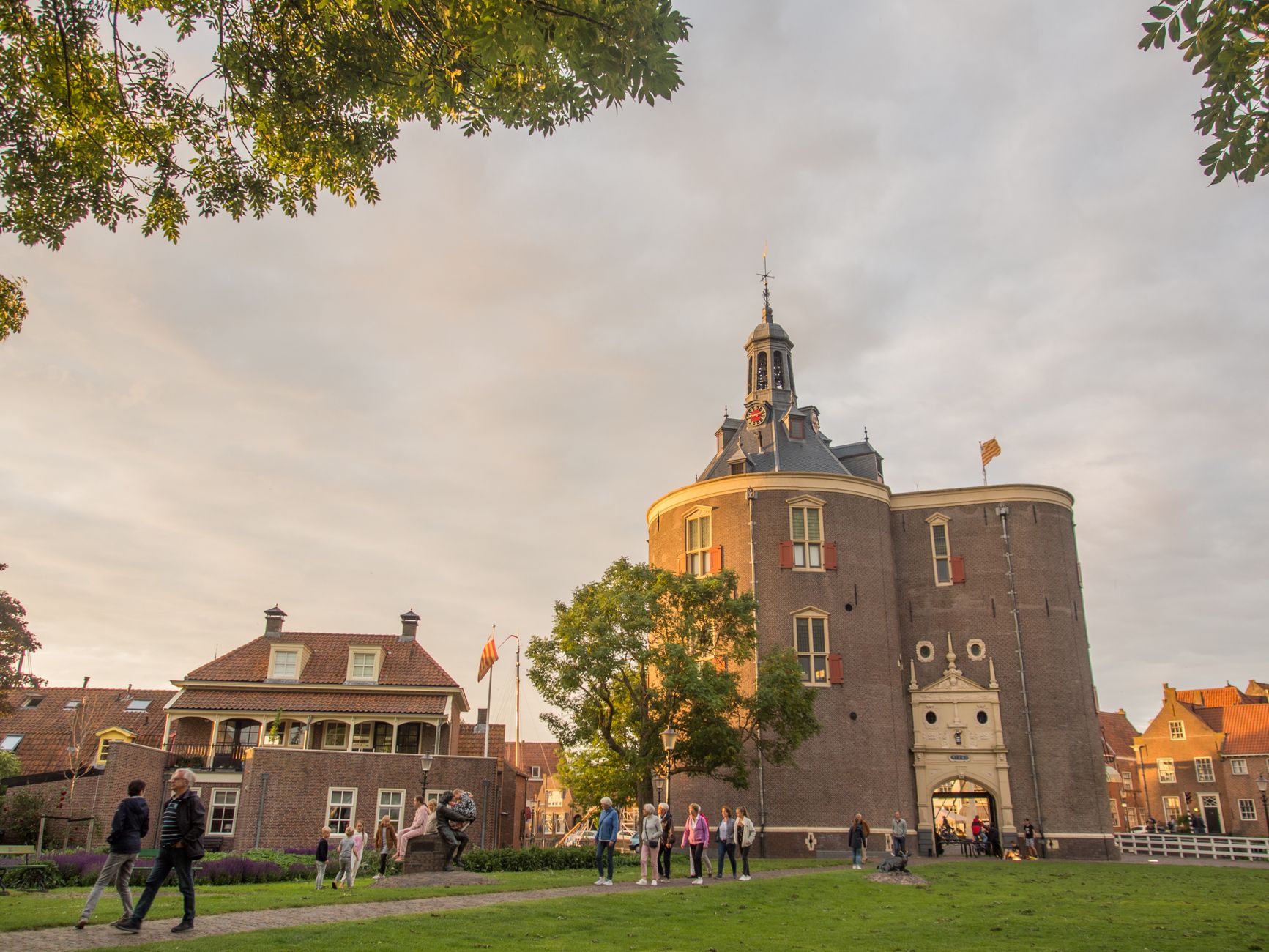
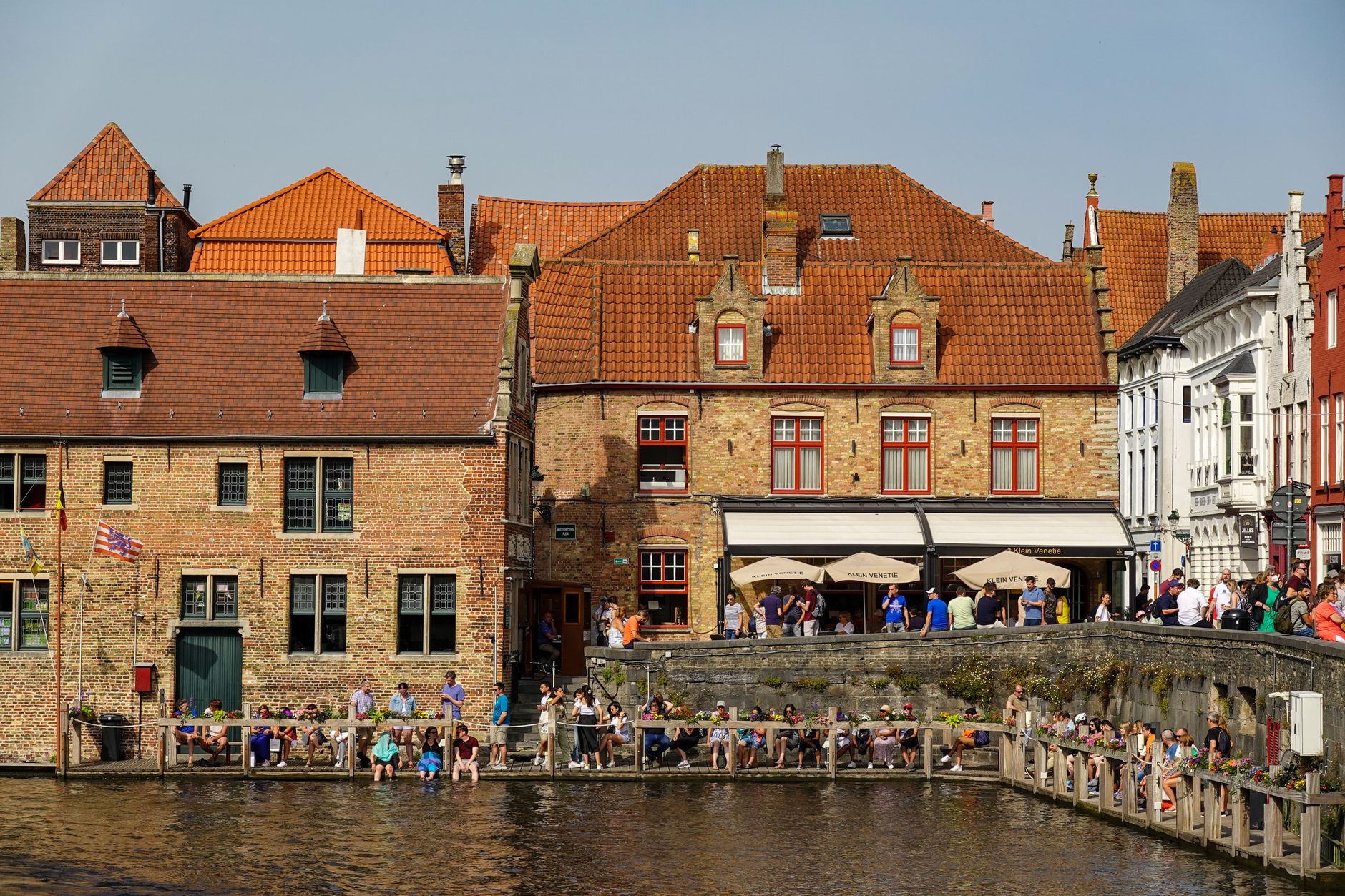
Edam is smaller than its reputation — which is exactly the point. The cheese that carries its name is now made almost entirely elsewhere, but the town that gave it that name still has its original gabled houses, its white drawbridges tipping on counterweights over the canals, and a central square, Damplein, where the pace of a Wednesday morning feels genuinely unhurried. The Grote Kerk rises above everything, its tower cut short by a lightning-strike and rebuild in 1701, and somewhere nearby a medieval carillon tower leans slightly over a narrow street, still ringing on schedule.
Come for the architecture and the canals, which reward a slow walk without any particular agenda. The cheese market in July and August is a re-enactment, not commerce — worth watching for what it shows about the town's past, not as the main event.
💛 What travellers fall for
People who come back tend to arrive on the early bus, walk the canal ring before the Wednesday crowds settle in, and spend longer than planned inside the Edam Museum — partly for the exhibits, partly for the floating cellar, a brick room that sits freely on the groundwater beneath the 1530 house. It's a genuinely strange thing to stand in.
Deals in Edam
Book directly at the provider

How Edam came to be
Edam began as a dam on the river E — hence the name, originally IJedam — built in 1230 to control the water that defined this part of the Low Countries. The settlement became a borough in 1357, and on 16 April 1526, Emperor Charles V granted it the right to hold a weekly market. That right was confirmed in perpetuity in 1594 by Prince Willem I, who was acknowledging the town's loyalty during the Siege of Alkmaar.
For the next three centuries, the cheese market on what is now Damplein was the economic centre of the town. Farmers brought wheels of cheese from the surrounding polders; buyers, guilds and weighing officials ran a system formalised enough to require its own Kaaswaag, the weighing house built in 1778 that still stands on the square. Commercial trading ended in 1922; the Wednesday re-enactment that replaced it in 1989 uses the same square and the same gestures, but the stakes are different now.
Who and what shaped it
Landmark buildings
See Edam in motion
Plan your visit
On the map
When to go
June through August is the most comfortable window — average highs sit between 20°C and 26°C, though August also brings the most rain, so a light layer is worth carrying. Winter is genuinely cold and grey, with January averaging under 4°C; the town is quiet then, which has its own appeal, but the cheese market and much of the outdoor life belong to summer.
Right now
Background & history adapted from Wikipedia (CC BY-SA) · specs from Wikidata (CC0) · weather from Open-Meteo · map data © OpenStreetMap contributors · photos from Wikimedia Commons / Unsplash with per-image credit. No third-party reviews or social posts reproduced.