
Durban City Centre
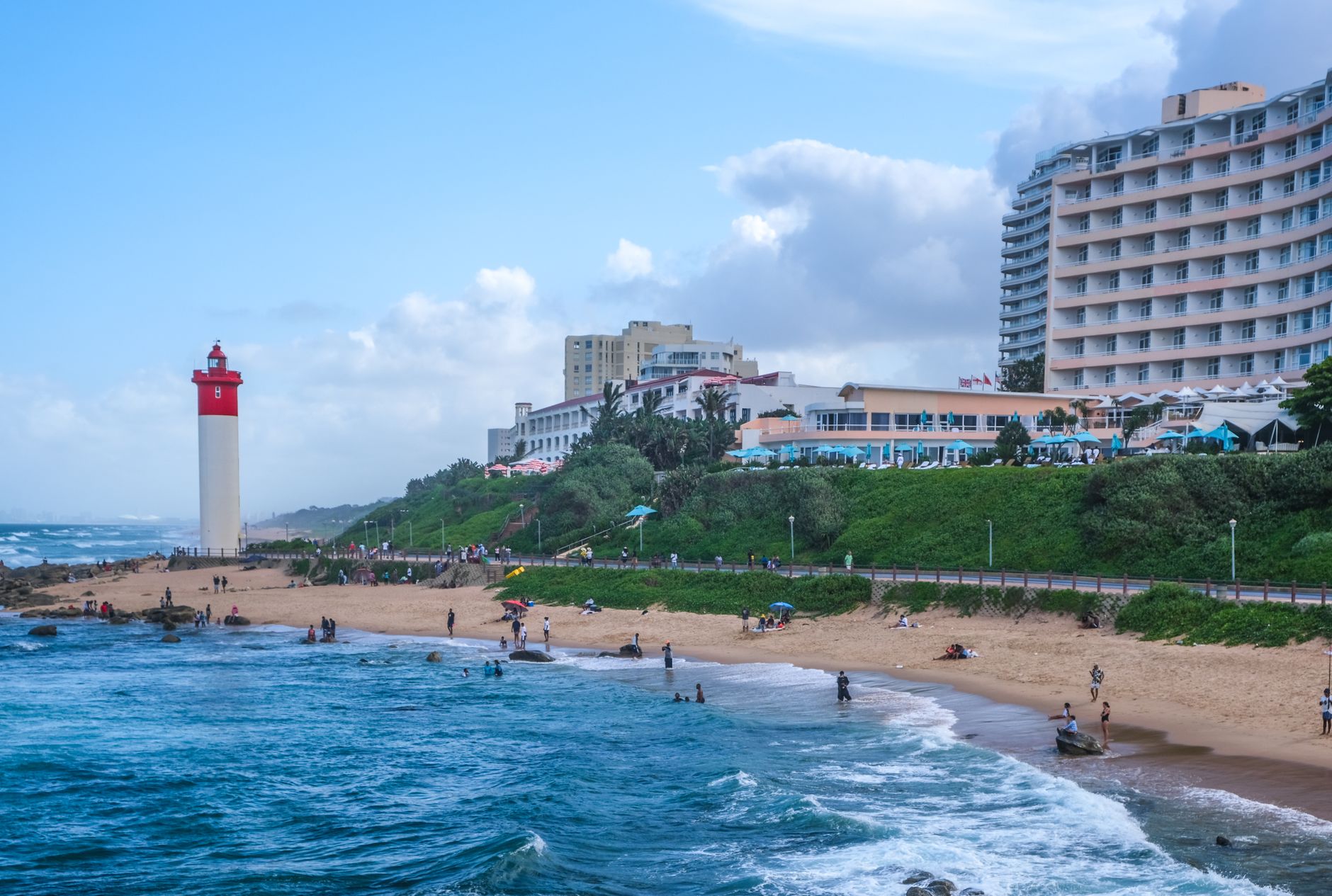
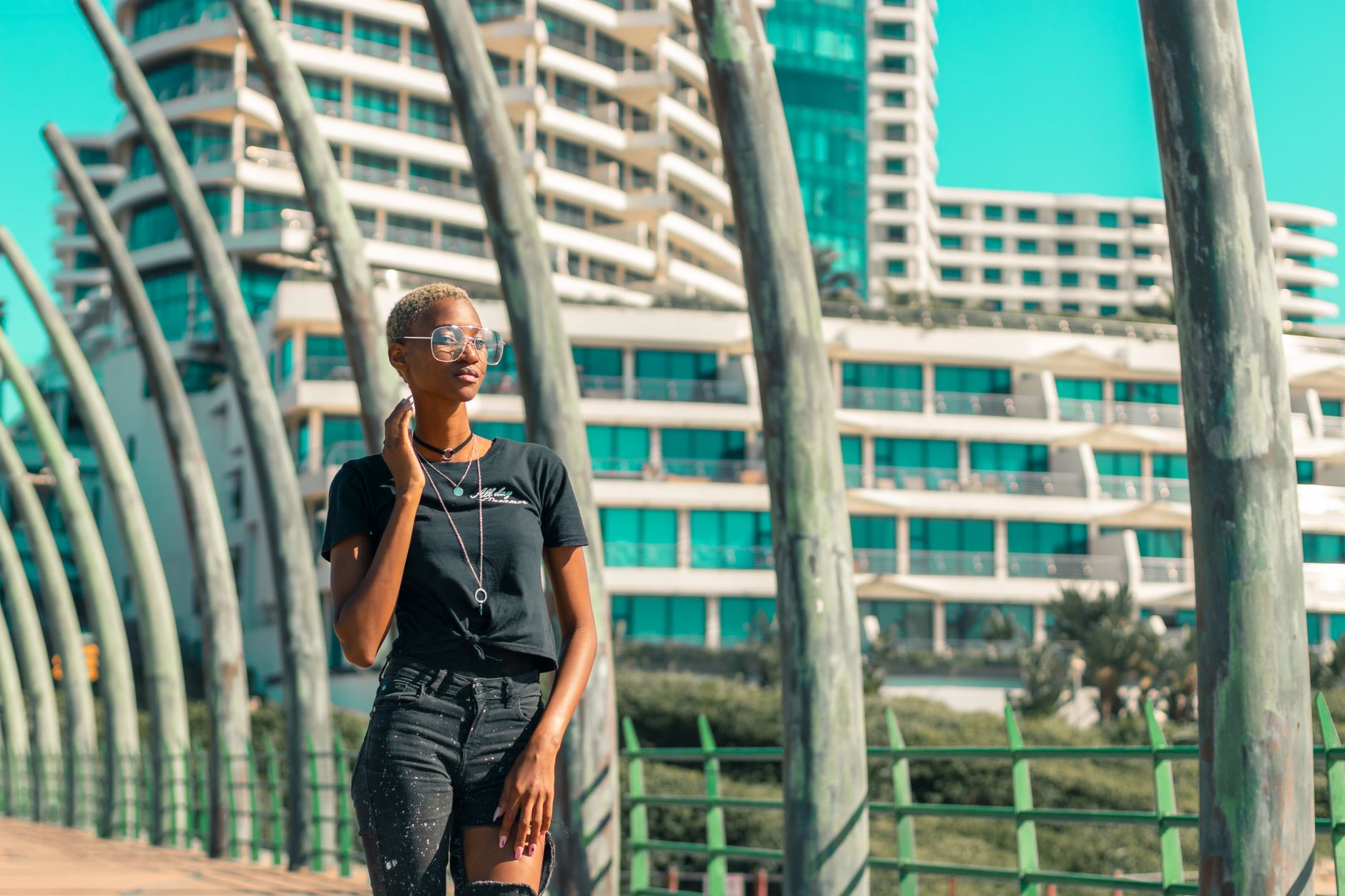
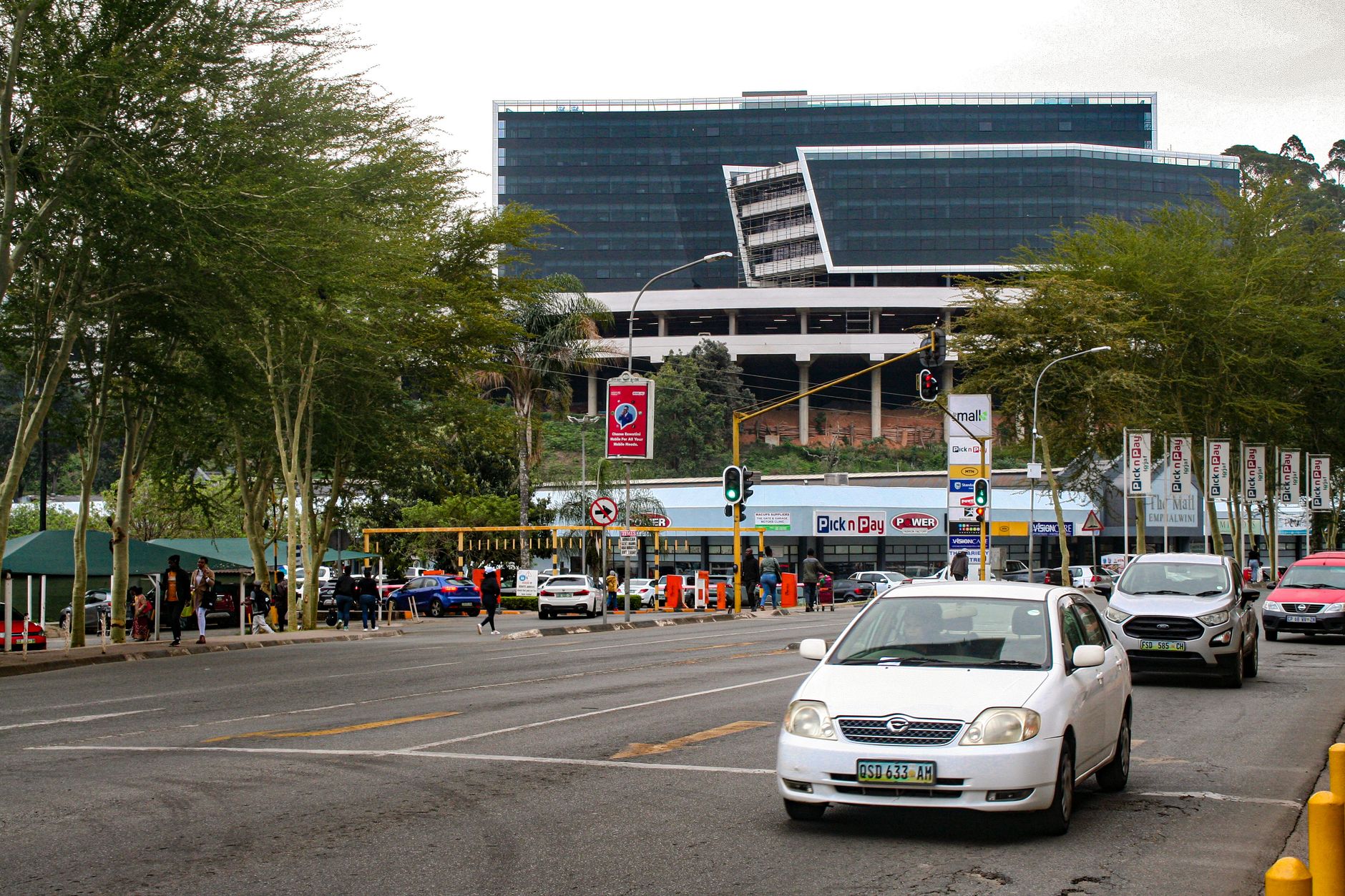
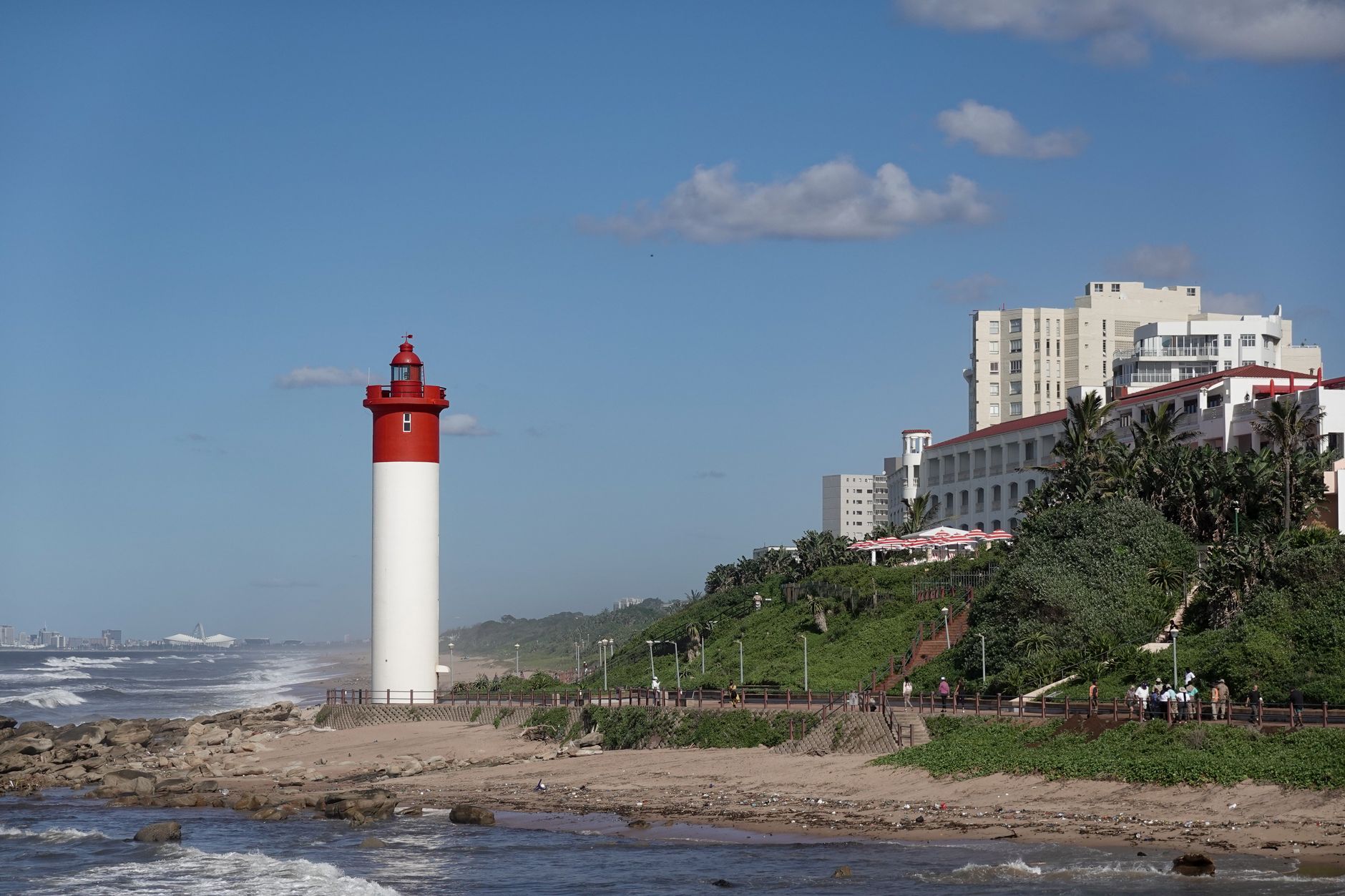
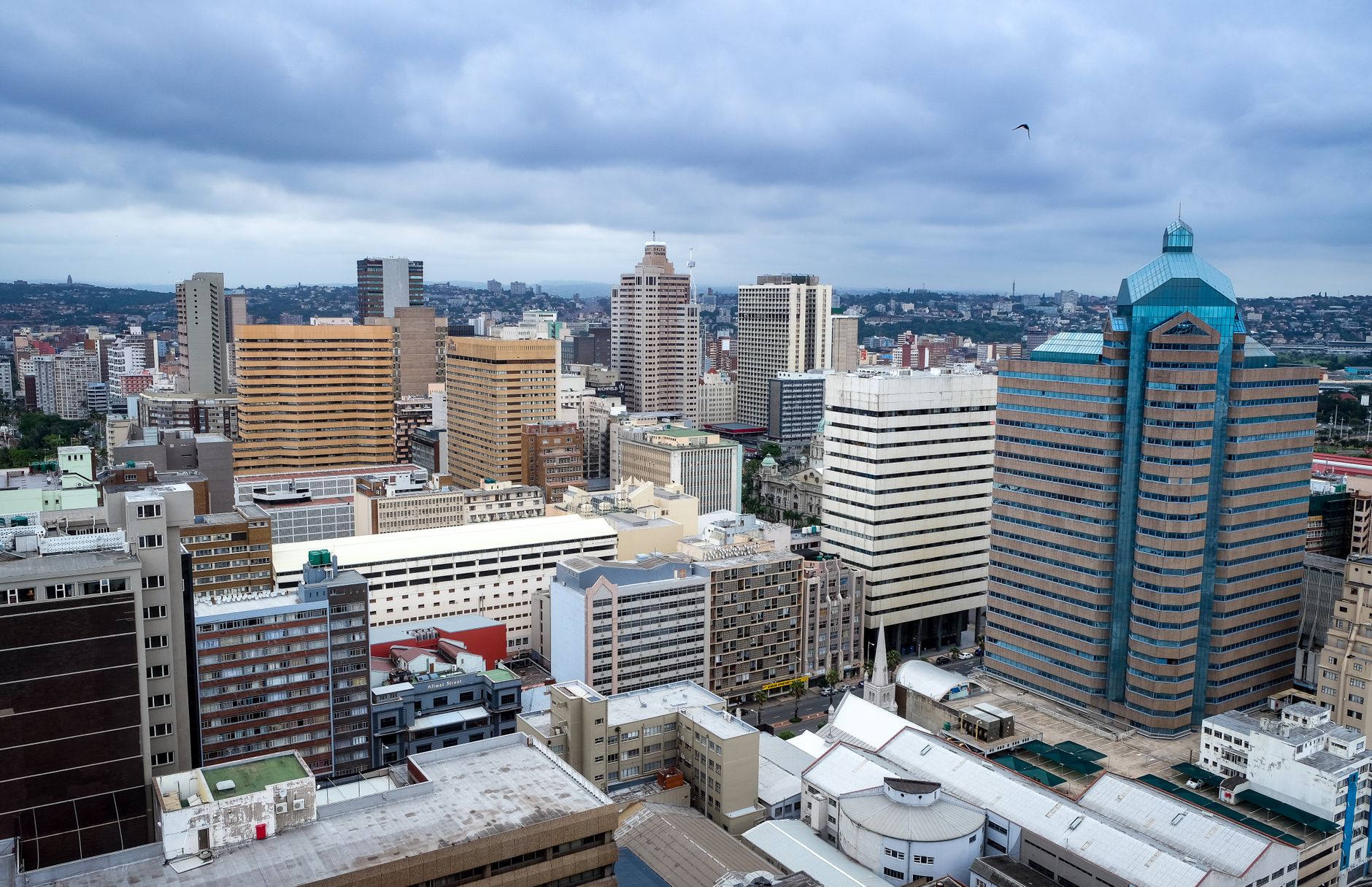
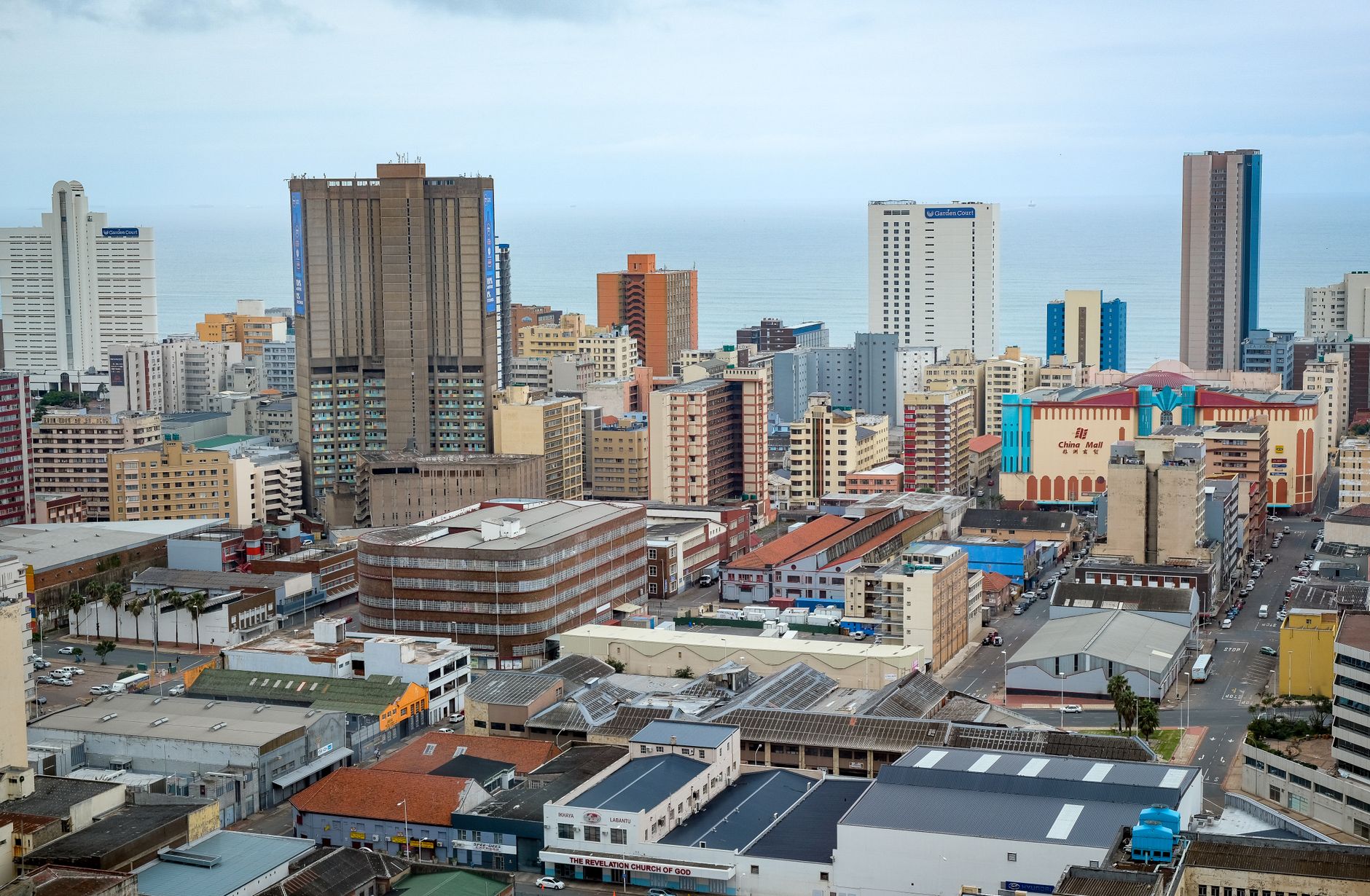
Stand in front of Durban City Hall and the copper dome catches the light at 48 metres above Pixley Ka Seme Street — a Neo-Baroque replica of Belfast's own City Hall, transplanted to the subtropical coast and opened in April 1910. Inside, a natural science museum, an art gallery, a public library and the municipal chambers all share one address, which tells you something about how this centre has always tried to hold everything at once.
The city around it layers its histories visibly: the Grey Street Juma Musjid, the largest mosque in the Southern Hemisphere, rises a few blocks away; the Britannia Hotel has been standing since 1879; and Francis Farewell Square anchors the spot where a small settlement took root near the bay two centuries ago.
💛 What travellers fall for
People who return to the centre tend to time the City Hall visit for a weekday morning — the Natural Science Museum is quietest before noon and the light through the building is better then. The ZAR 15 all-day People Mover pass is worth buying even if you only use it twice; it takes the navigation question off the table entirely.
Deals in Durban City Centre
Book directly at the provider

How Durban City Centre came to be
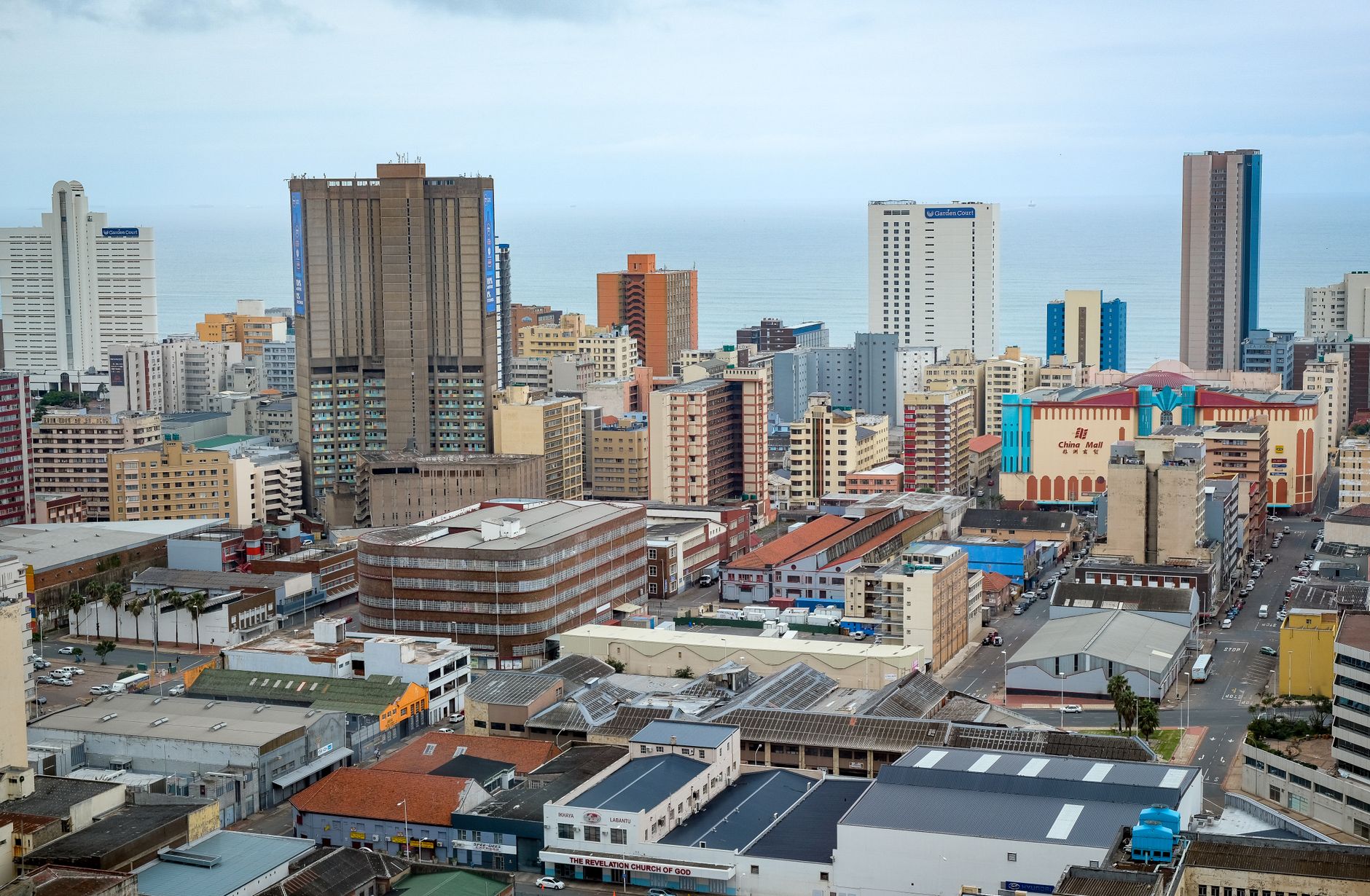
The settlement that became Durban began in 1824 on the northern shores of the bay. On 23 June 1835, thirty-five European residents formally decided to build a capital town, naming it D'Urban after Sir Benjamin D'Urban, then governor of the Cape Colony. It became a borough in 1854 and a city in 1935, with harbour development following from 1855 onward.
The city's character was shaped by figures who passed through or stayed: Mahatma Gandhi, who developed his philosophy of non-violent resistance here and founded the Phoenix Settlement nearby in 1904; John Langalibalele Dube, a Natal native who became the first president of what would eventually become the ANC; and writer Alan Paton, whose novel drew global attention to South Africa's racial injustice. After World War I, the old Victorian town gave way to skyscrapers, though the 1910 City Hall remained the civic anchor it still is today.
Who and what shaped it
People who shaped it
Landmark buildings
See Durban City Centre in motion
Plan your visit
On the map
When to go
Durban City Centre runs subtropical: winters (June–August) are dry, sunny and mild, with daytime highs around 23°C and cool nights. Summers bring real heat and humidity — February averages a maximum of 28°C — along with frequent afternoon thunderstorms from January through March, so autumn (March–May) tends to offer the most straightforward visiting conditions.
Right now
Background & history adapted from Wikipedia (CC BY-SA) · specs from Wikidata (CC0) · weather from Open-Meteo · map data © OpenStreetMap contributors · photos from Wikimedia Commons / Unsplash with per-image credit. No third-party reviews or social posts reproduced.