
Douarnenez
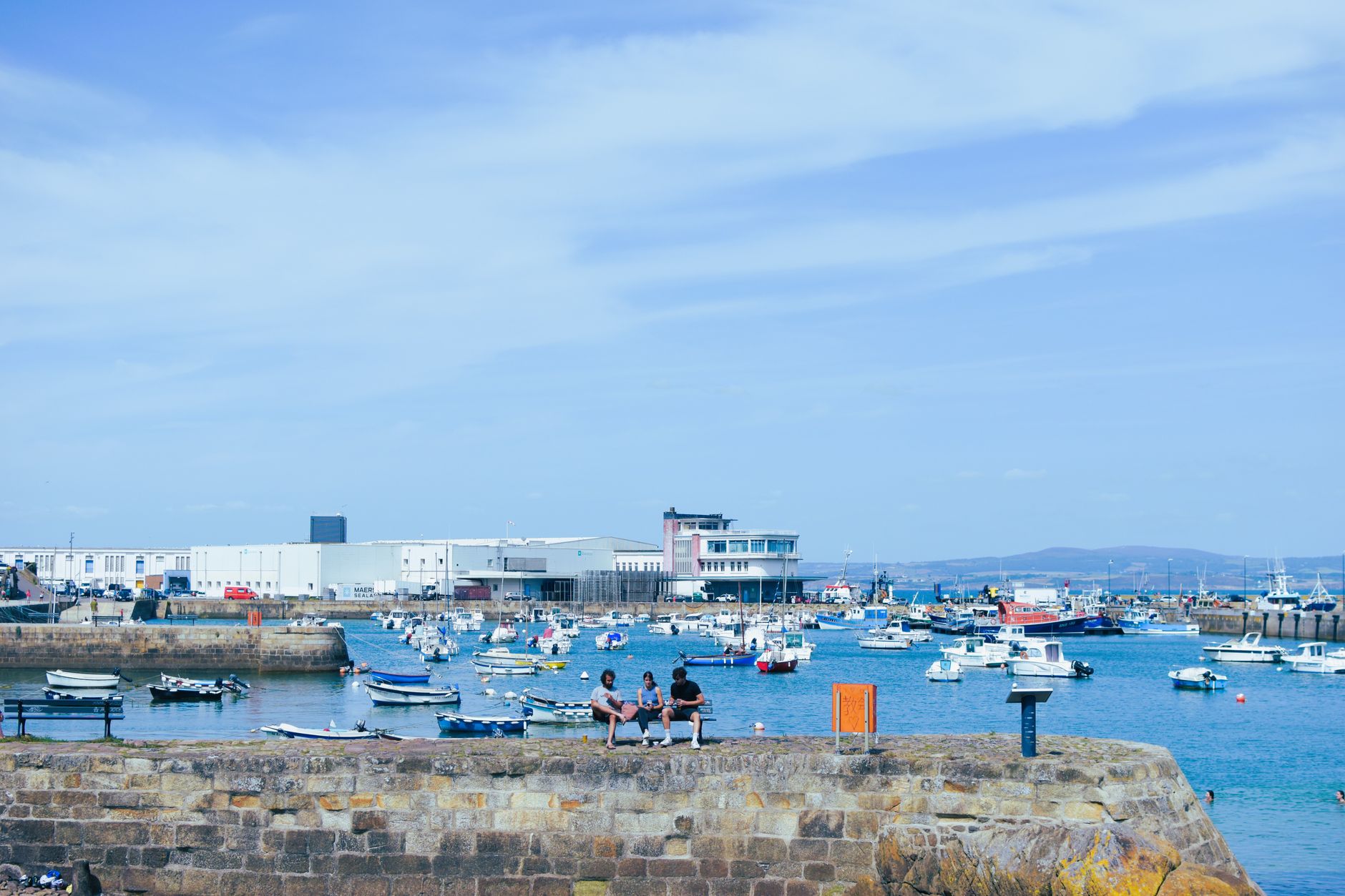
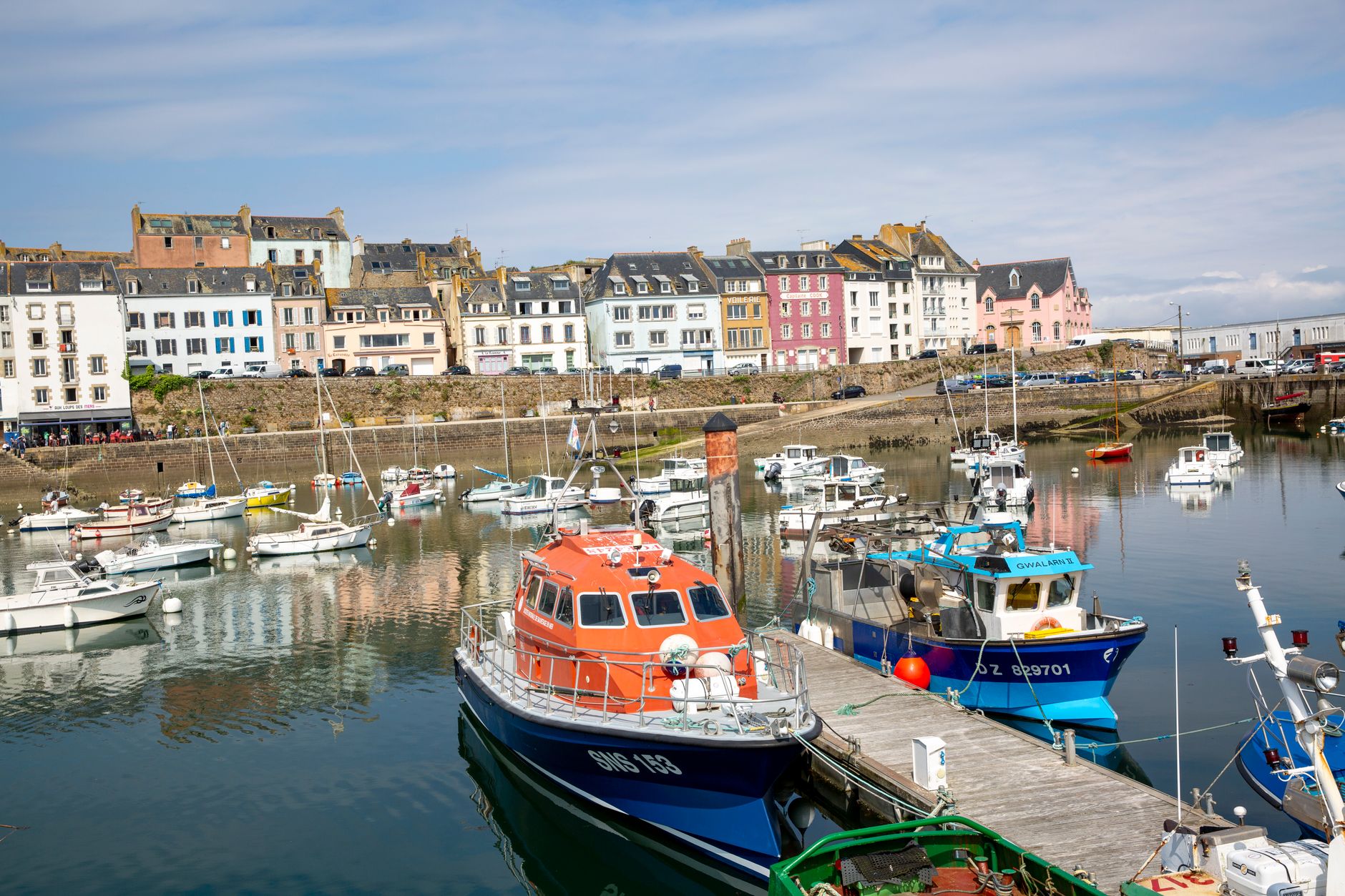
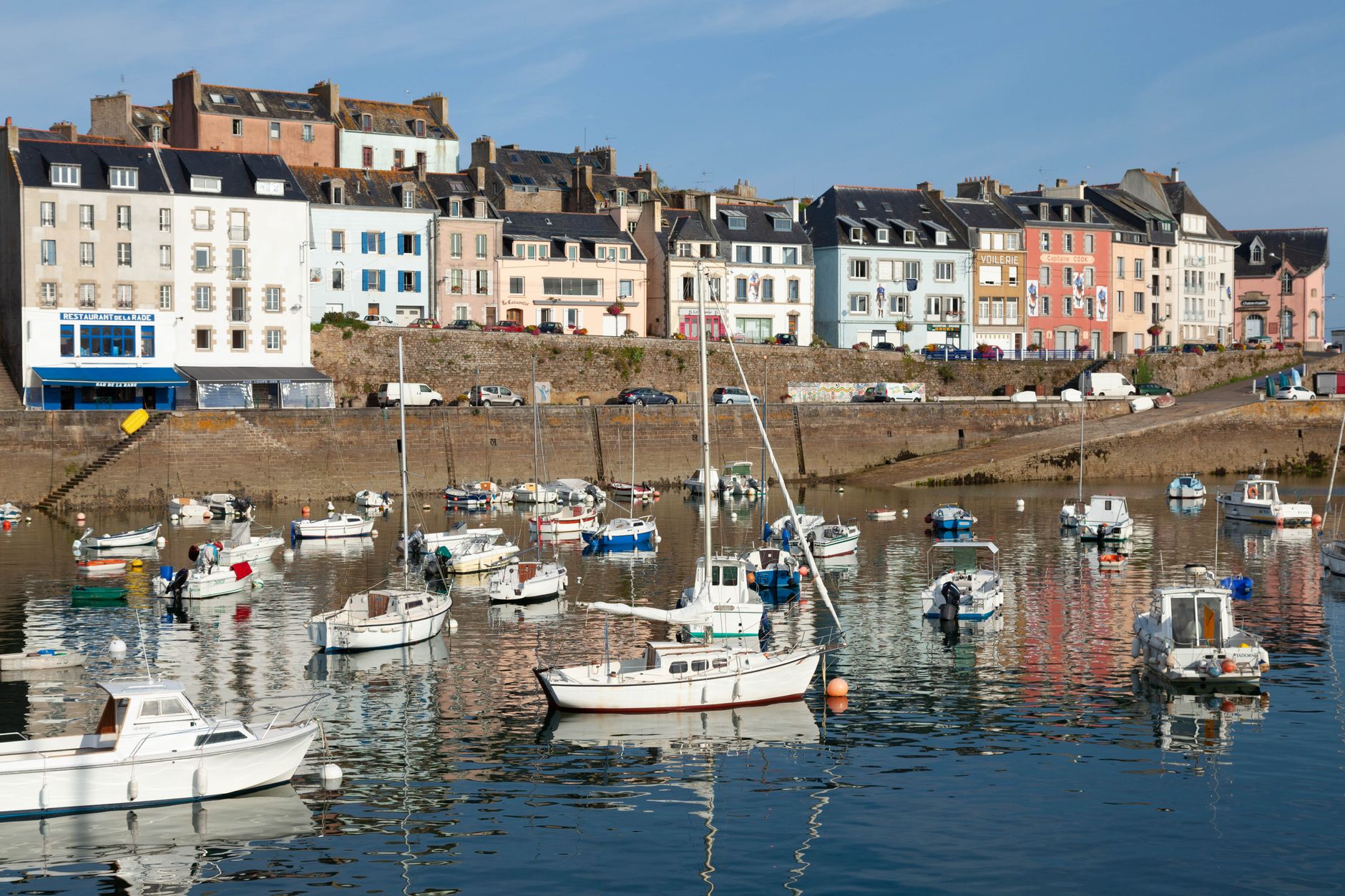
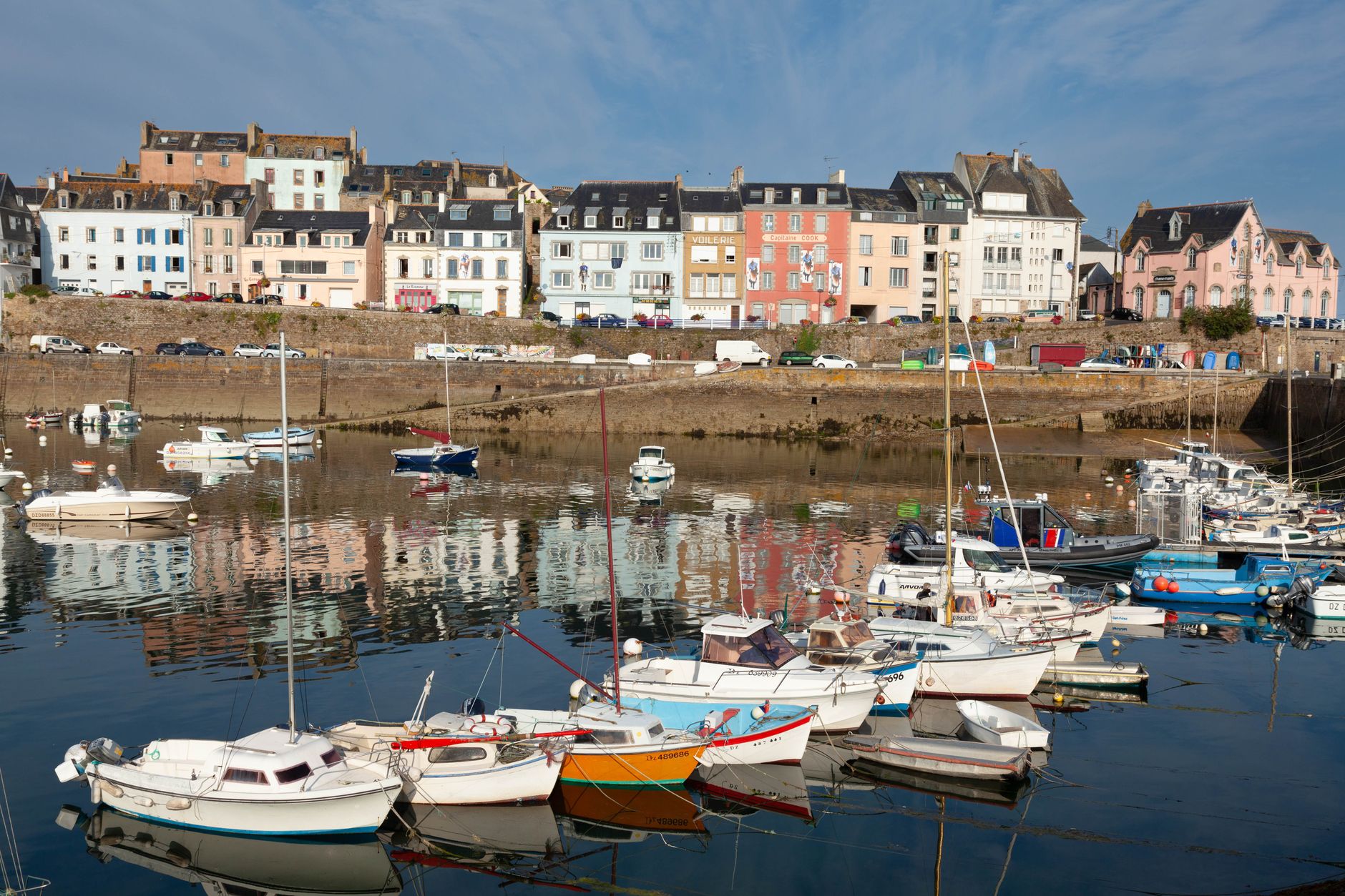
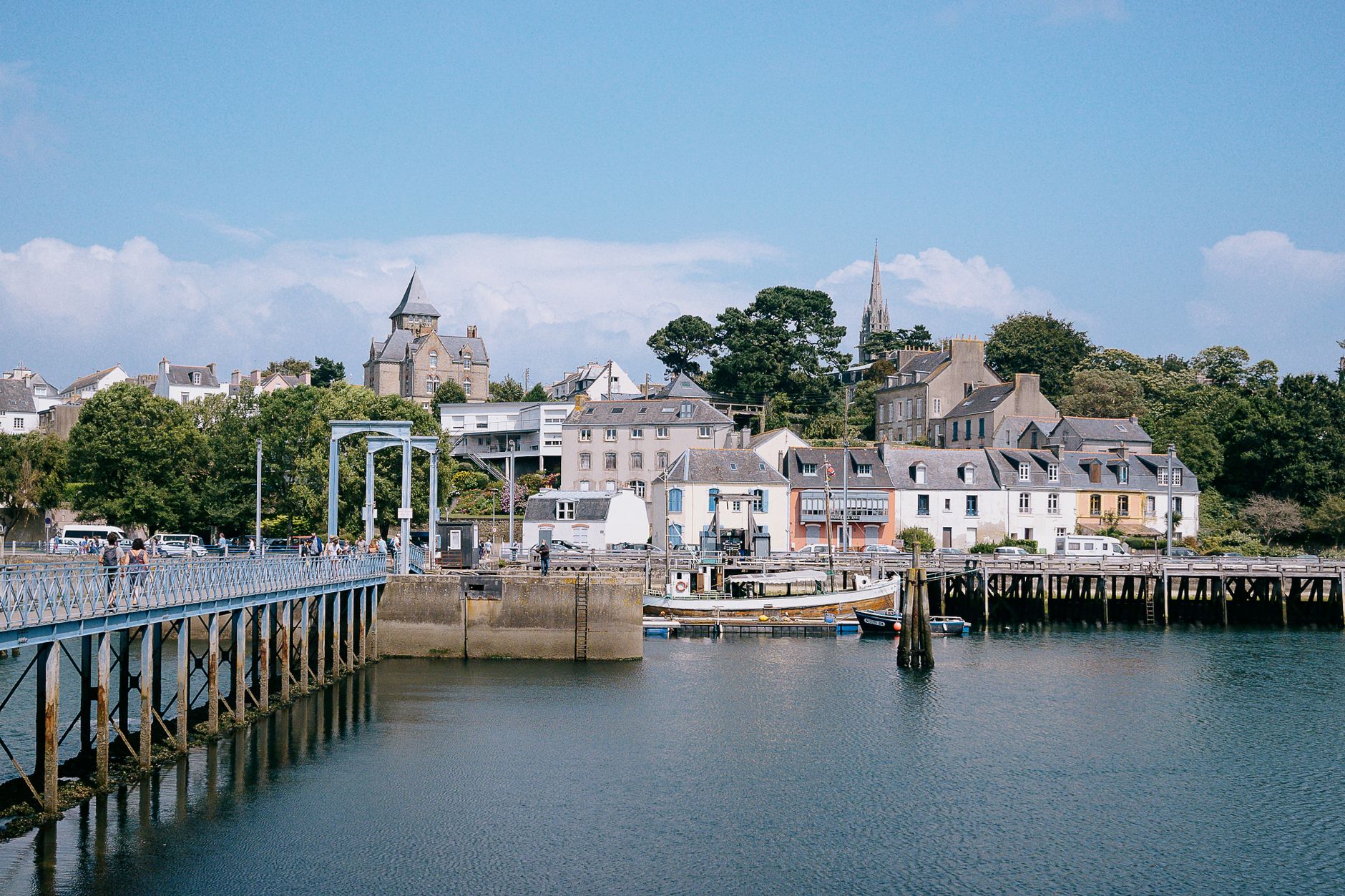
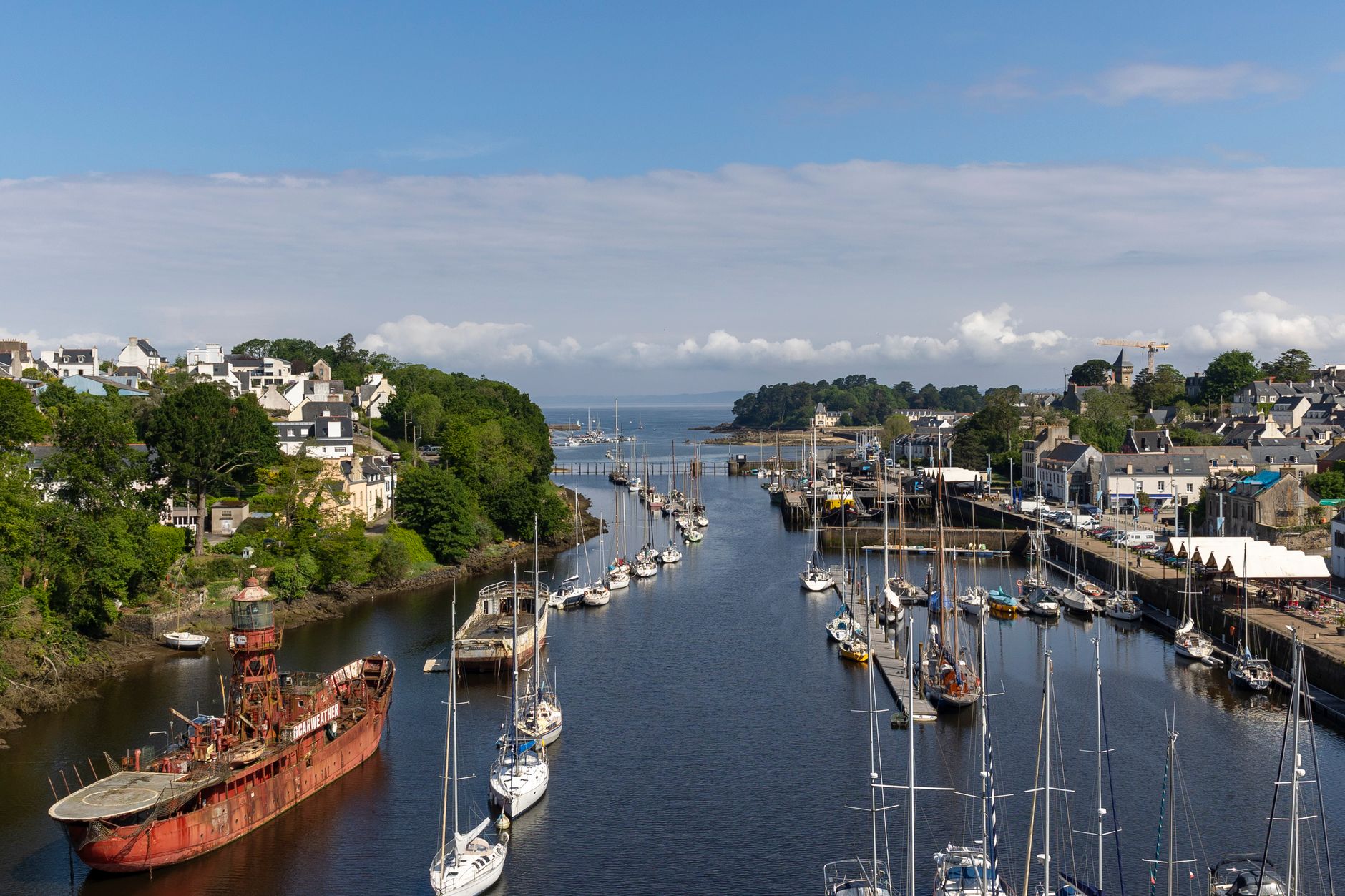
Stand at the edge of Port Rhu on a grey morning and you'll see what Douarnenez is made of: a boat cemetery half-submerged in the estuary, salt air, and the particular quiet of a working port that used to be louder. This is a town built on sardines — gutted, salted, canned — and the evidence is everywhere, from the Gallo-Roman salting tanks cut into the cliffs at Plomarc'h to the open-air Port-Musée where vintage trawlers and steam tugs sit in water that still smells like the sea.
Douarnenez is four old quarters — Rosmeur, Tréboul, Pouldavid, Ploaré — folded into one town around a deep bay. Tristan Island sits just offshore, walkable at low tide, with a lighthouse, a walled garden and an art gallery inside. The fish auction at Rosmeur still runs in the mornings.
💛 What travellers fall for
People who come back tend to time it around the biennial maritime festival, when the bay fills with traditional sailing vessels from across the world. Between visits, they mention the covered market at Les Halles for early fish shopping, kouign amann from a local bakery, and the two-hour Chemin de la Sardine walk for reading the town's story in sequence, panel by panel, in your own time.
Experiences you don't want to miss


Deals in Douarnenez
Book directly at the provider
How Douarnenez came to be
Douarnenez enters written record in 1118, when Robert de Locuvan, Bishop of Cornouaille, donated Tristan Island to the Abbey of Marmoutier. A priory was built there, and the island has carried a layered identity ever since. The town itself only became a commune in 1790, though the cliffs at Plomarc'h show evidence of fish-salting going back to Gallo-Roman times.
Sardines reshaped everything in the late 18th century. The first canning factory opened in 1851, and by 1900 the port was one of the most productive in Brittany. The women who worked the canneries — the Penn Sardin — went on strike in the 1920s for better conditions, a movement significant enough to make Douarnenez one of the earliest communist municipalities in France. The population has declined since the mid-20th century as the fishing industry contracted, but the infrastructure of that era — the quays, the warehouses, the boats — remains, much of it now preserved at the Port-Musée.
Who and what shaped it
People who shaped it
Landmark buildings
See Douarnenez in motion
Plan your visit
On the map
When to go
Douarnenez is mild year-round and almost never freezes, but it is genuinely wet, with over a metre of rain annually and south-westerly winds that can turn fierce off the Atlantic. Summer — June through September — is the drier window, with temperatures around 18–20°C, occasionally pushing above 30°C; spring tides run strong, and gales are always possible.
Right now
Background & history adapted from Wikipedia (CC BY-SA) · specs from Wikidata (CC0) · weather from Open-Meteo · map data © OpenStreetMap contributors · photos from Wikimedia Commons / Unsplash with per-image credit. No third-party reviews or social posts reproduced.