
Dolgellau
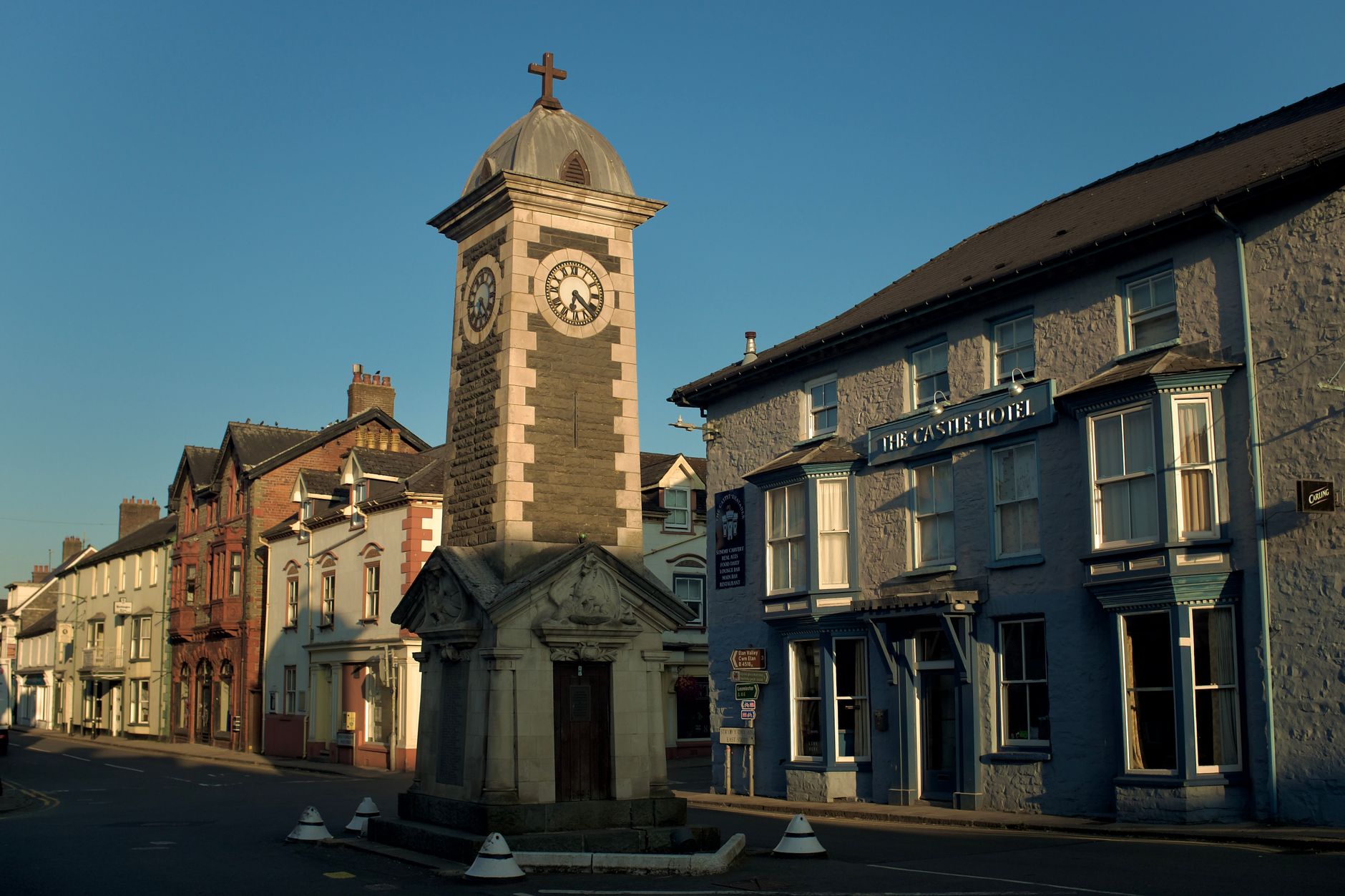
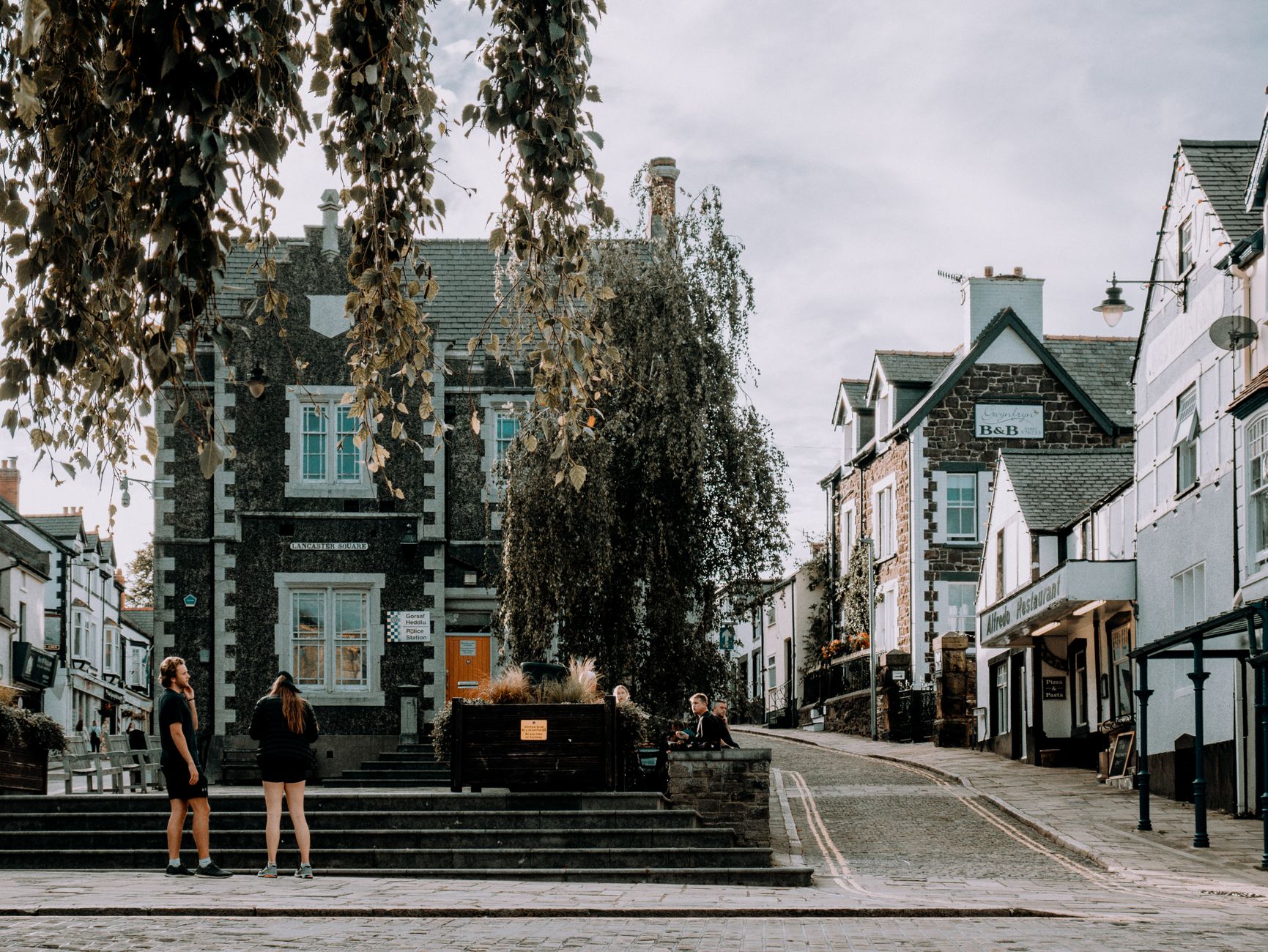
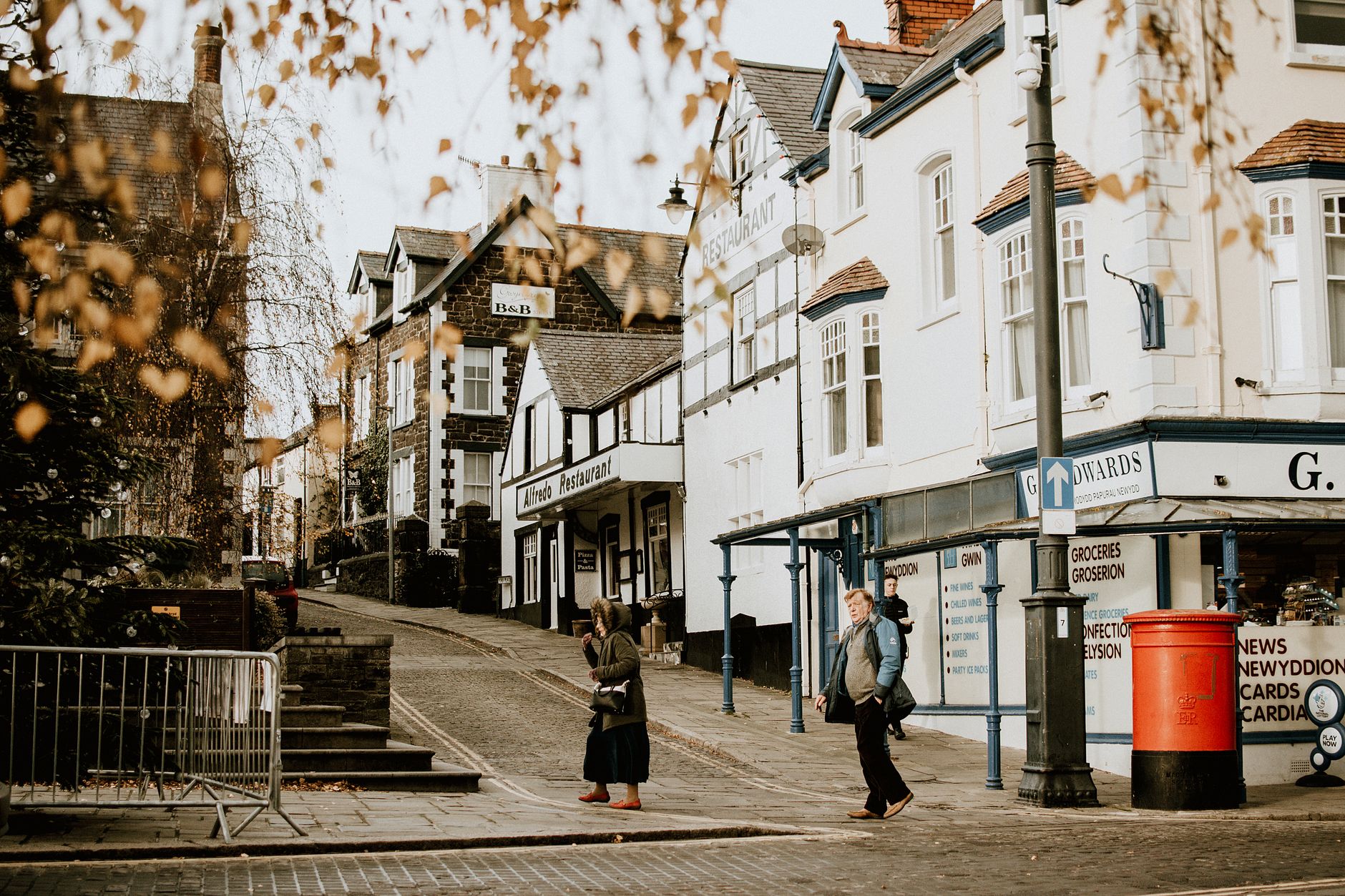
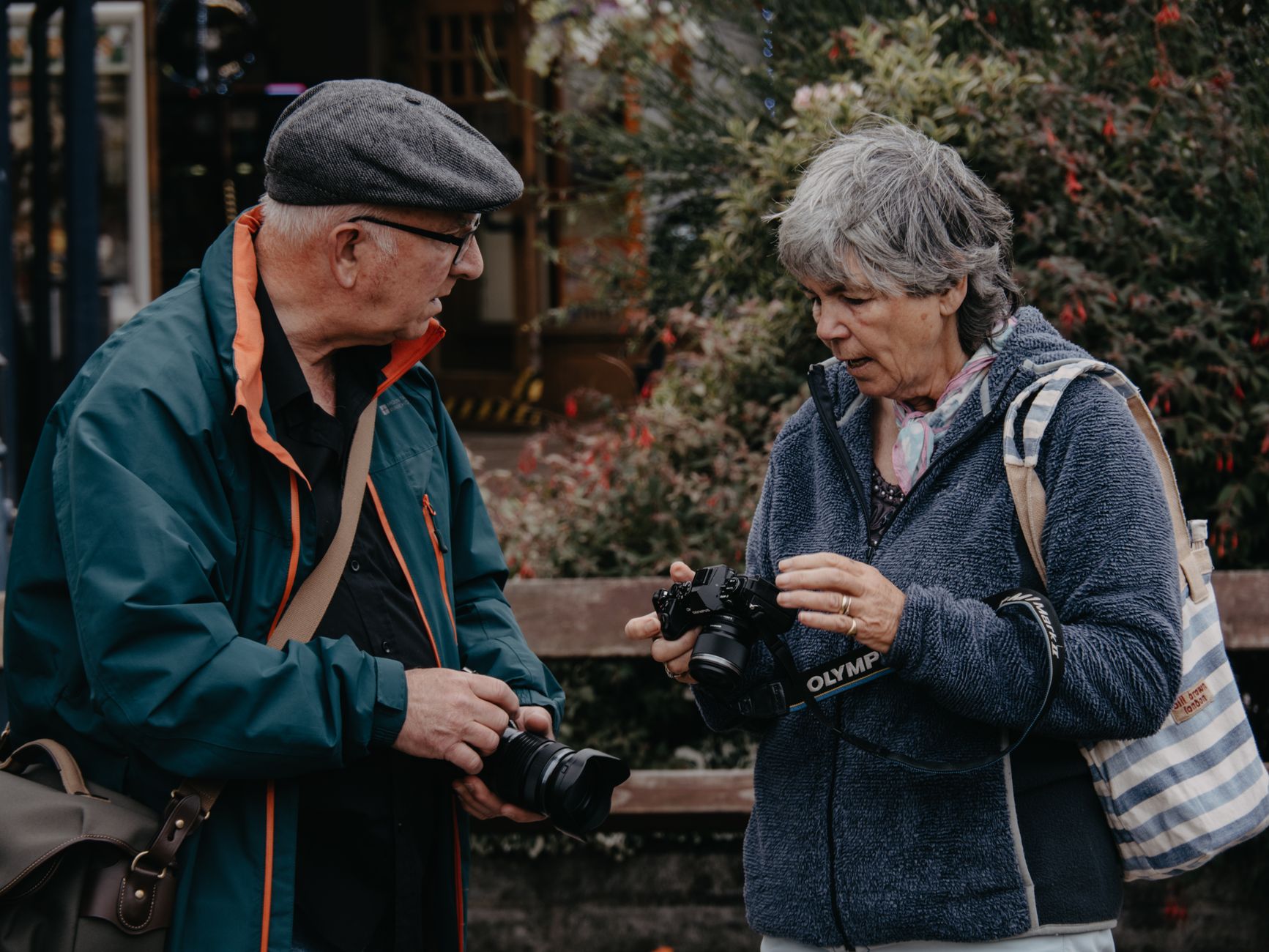
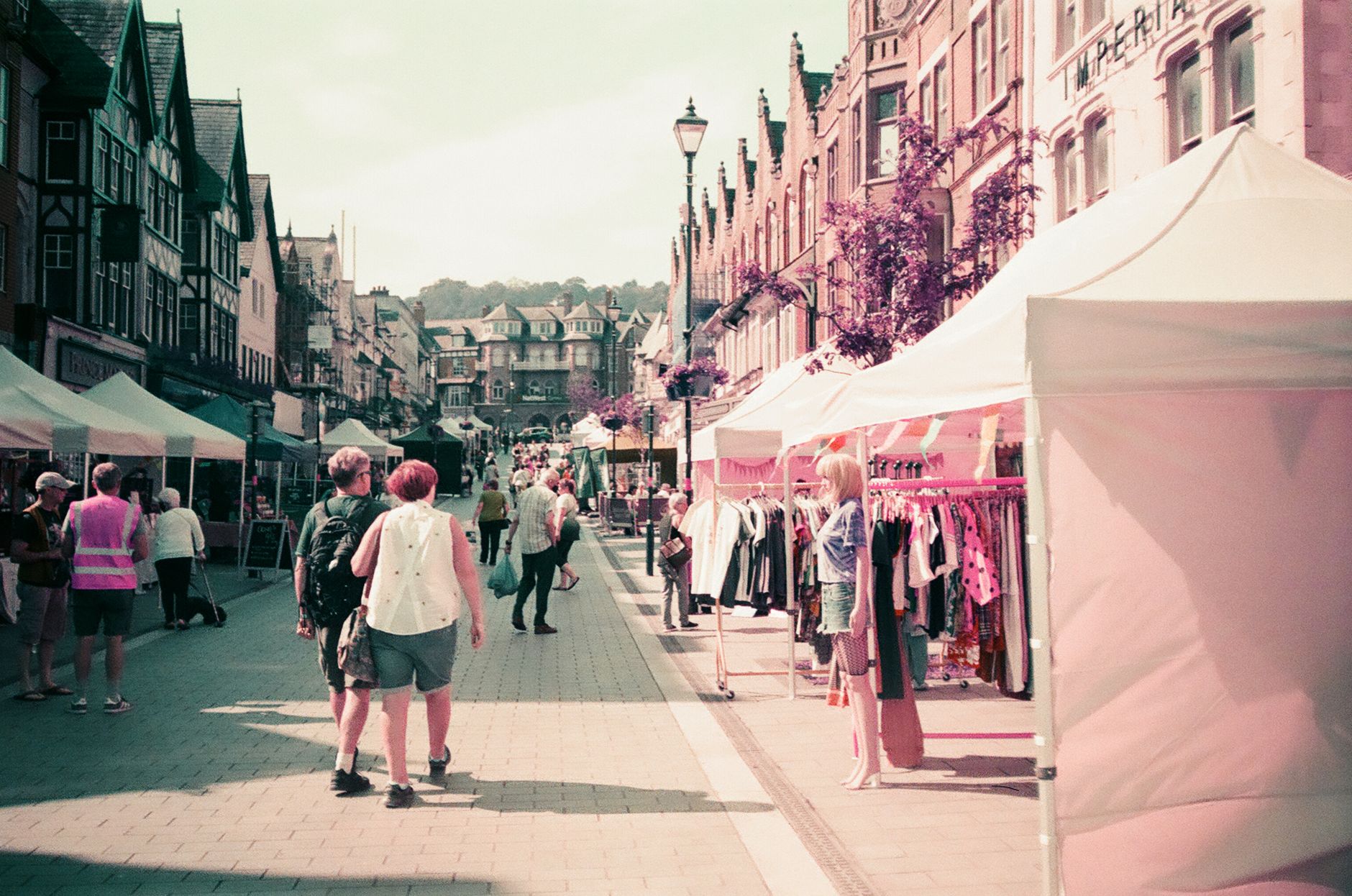
Dolgellau is built from the mountain itself — walls of dark grey dolerite, roofs of stepped slate, the whole town looking like it grew out of Cader Idris rather than beside it. Stand in Eldon Square and you're surrounded by more than 200 listed buildings, the highest concentration of any town in Wales, each one shaped by the same local stone and the same wet Atlantic light.
This was once the county town of Meirionnydd, a place where wool came down from the hills, Quakers met quietly in rooms with small round windows, and printing presses ran from 1798. The industry has gone, but the fabric of it hasn't.
💛 What travellers fall for
People who keep coming back tend to mention Y Sospan — the café inside a former courthouse from 1606, plaster decorations and all. They also mention arriving on foot from the Precipice Walk just as the Mawddach Estuary catches the late afternoon light. Both things are worth arranging your day around.
Deals in Dolgellau
Book directly at the provider

How Dolgellau came to be
In 1404, Owain Glyndŵr convened the last Welsh Parliament in Dolgellau — a fact the town carries quietly but firmly. It had already been a settlement for two centuries by then, with Cymer Abbey, a Cistercian monastery founded in 1198 by Maredudd ap Cynan, standing a mile and a half to the northwest. The abbey was dissolved in 1536; its nave and transepts still stand, managed by Cadw.
George Fox visited in 1657 and the Quaker community that formed around his visit shaped the town's character for generations. The most consequential of them was Rowland Ellis, who emigrated to Pennsylvania in 1686 and named his new settlement Bryn Mawr after his farm outside town — the name that eventually passed to the women's college. The woollen trade peaked around 1800, and a printing press opened in 1798; the county council formally corrected the town's spelling from Dolgelley to Dolgellau in 1958.
Who and what shaped it
People who shaped it
Landmark buildings
See Dolgellau in motion
Plan your visit
On the map
When to go
Dolgellau is genuinely wet — over 1,350 mm of rain a year — so pack accordingly regardless of season. June to September brings the best combination of warmth (around 17–19°C) and daylight, though even July averages close to 100 mm of rain; winter days are short, cold, and can deliver fewer than an hour of sunshine.
Right now
Background & history adapted from Wikipedia (CC BY-SA) · specs from Wikidata (CC0) · weather from Open-Meteo · map data © OpenStreetMap contributors · photos from Wikimedia Commons / Unsplash with per-image credit. No third-party reviews or social posts reproduced.