
Dinan
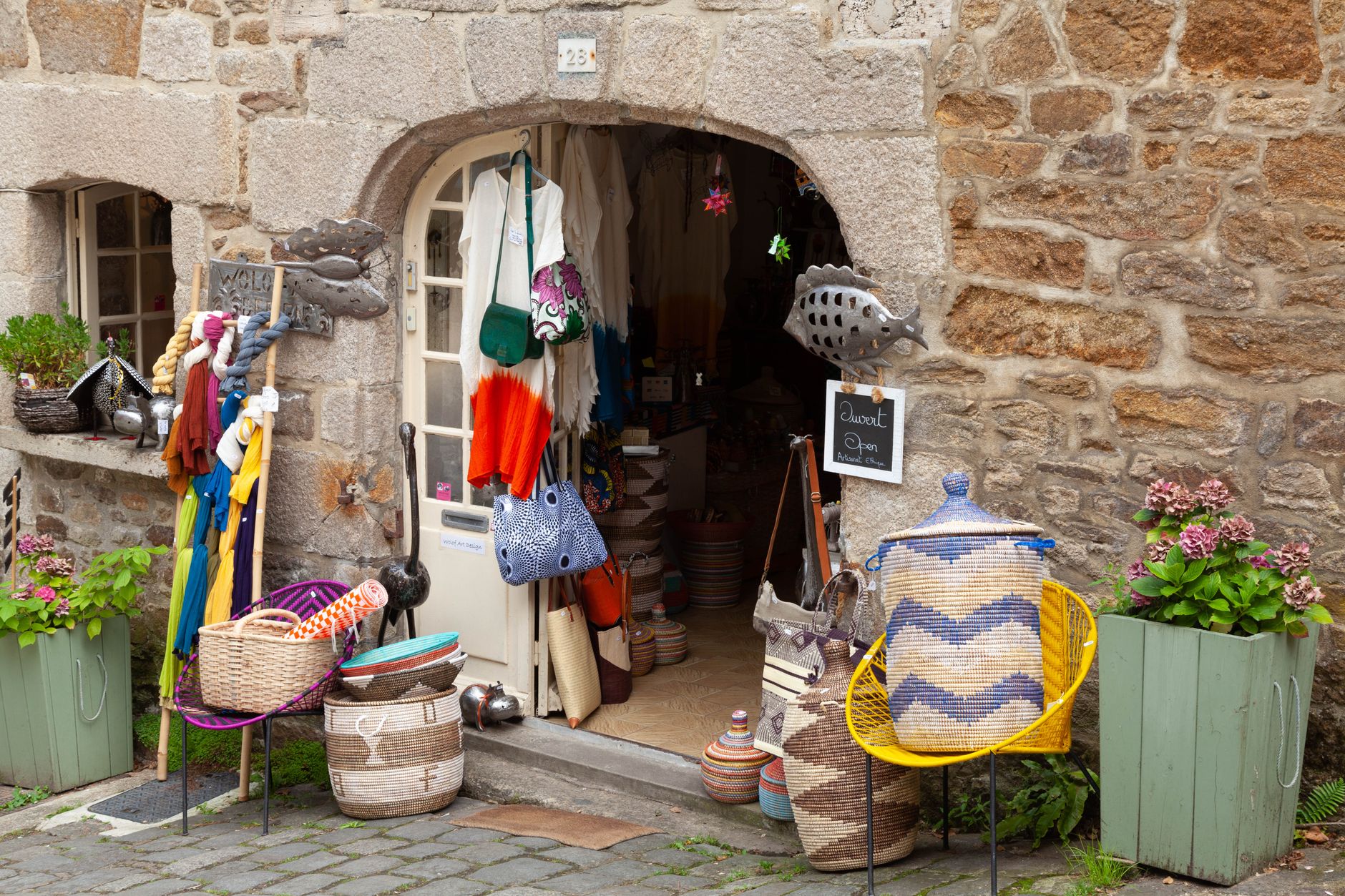
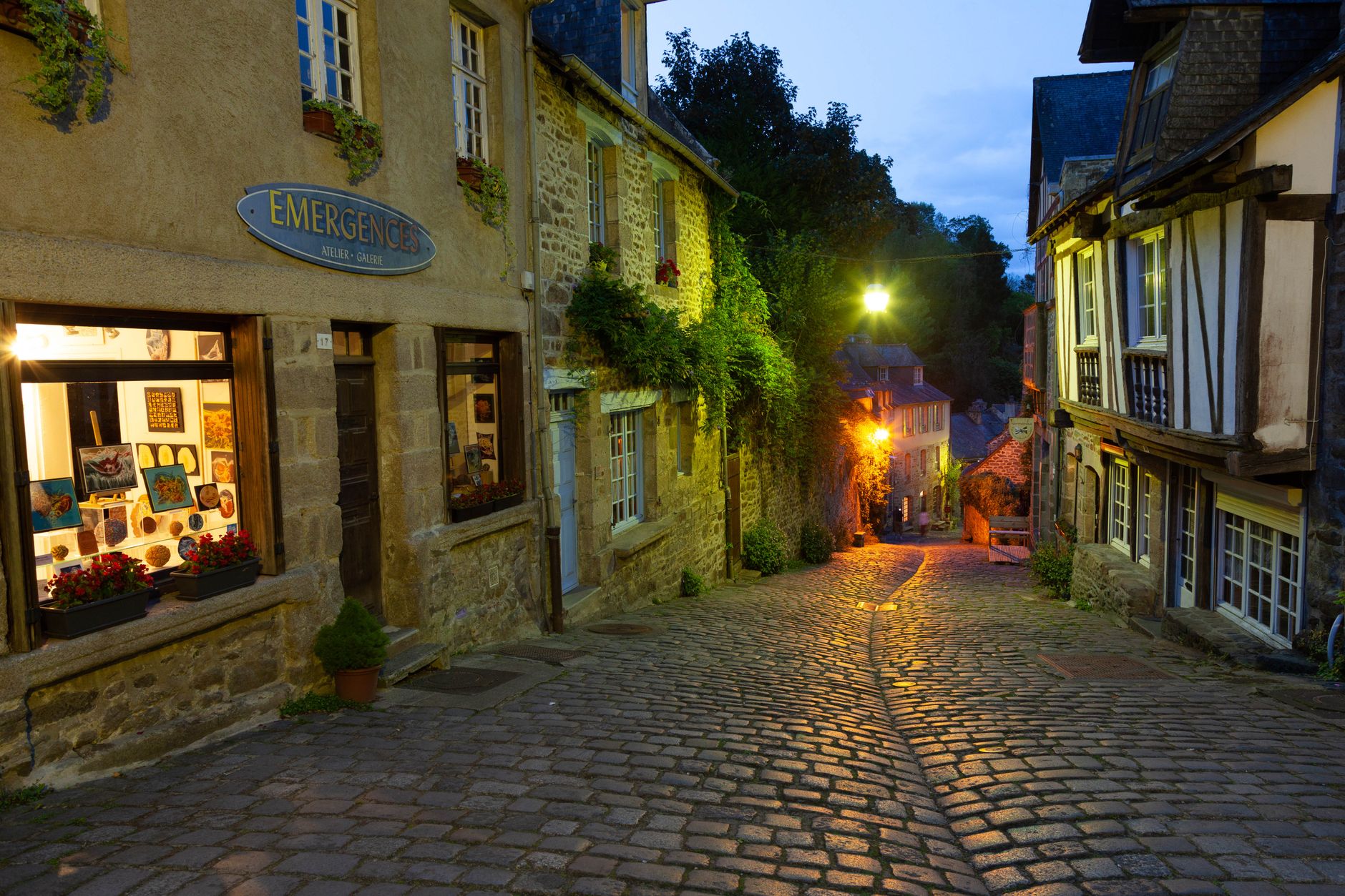
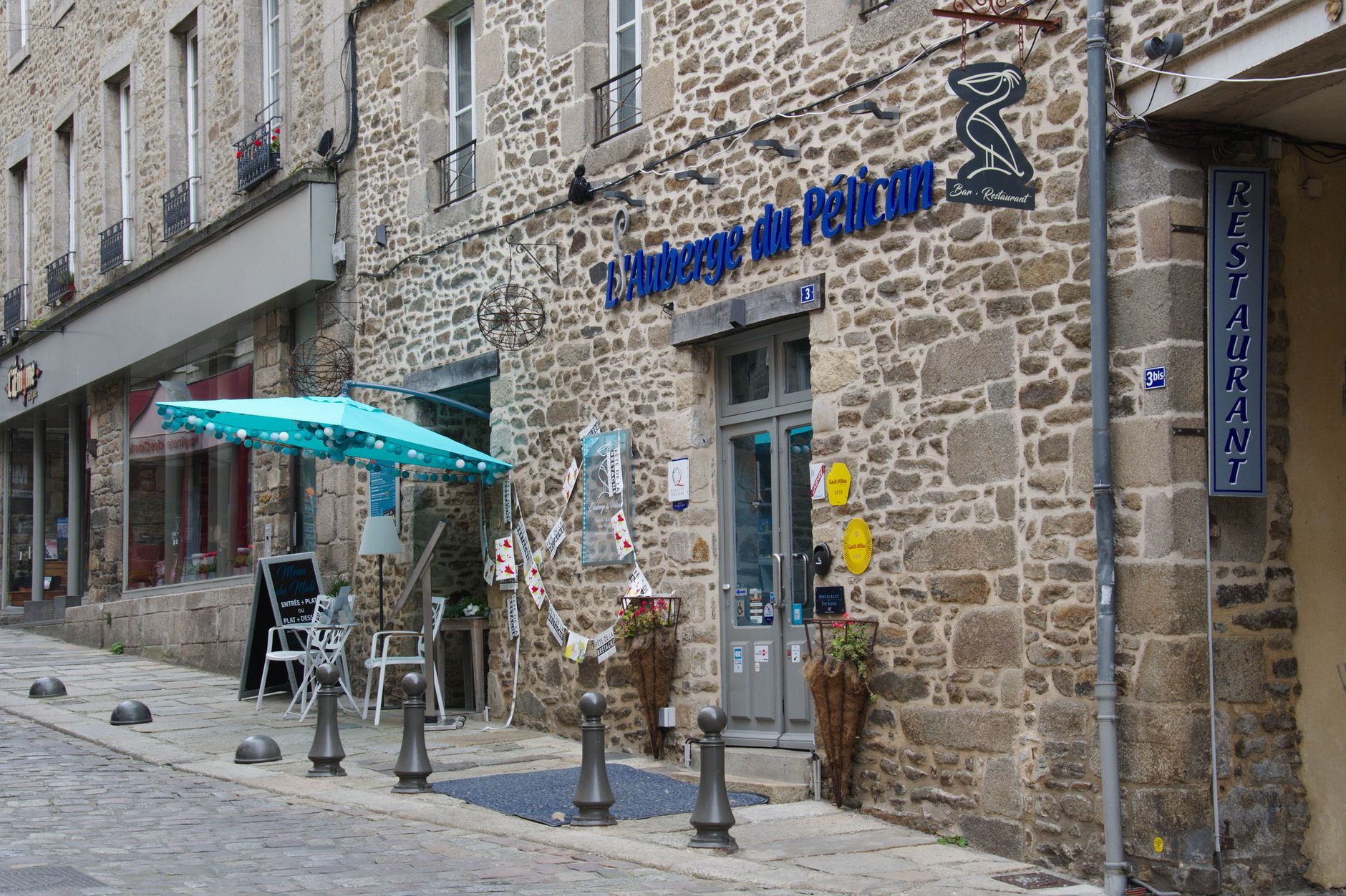
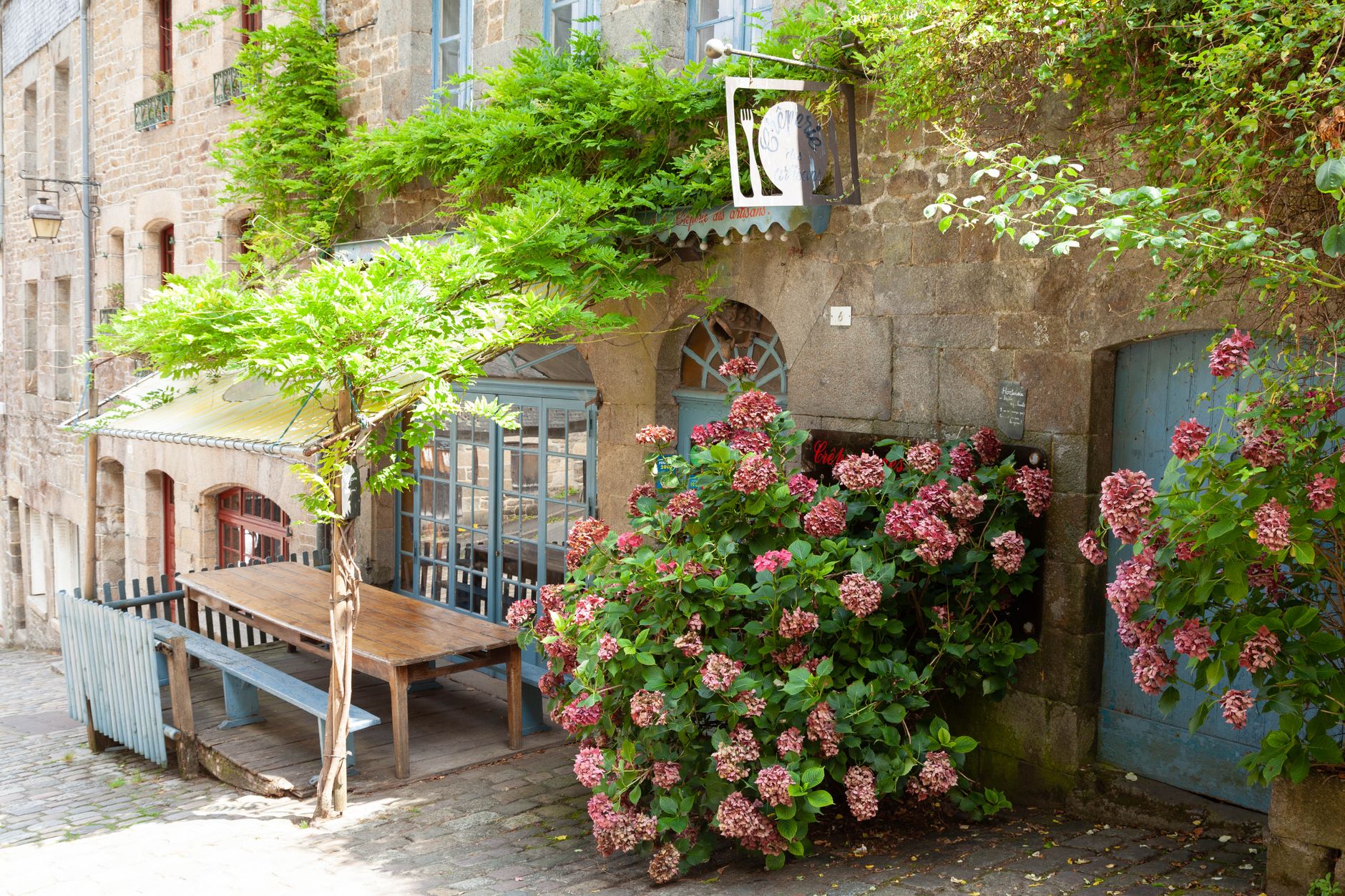
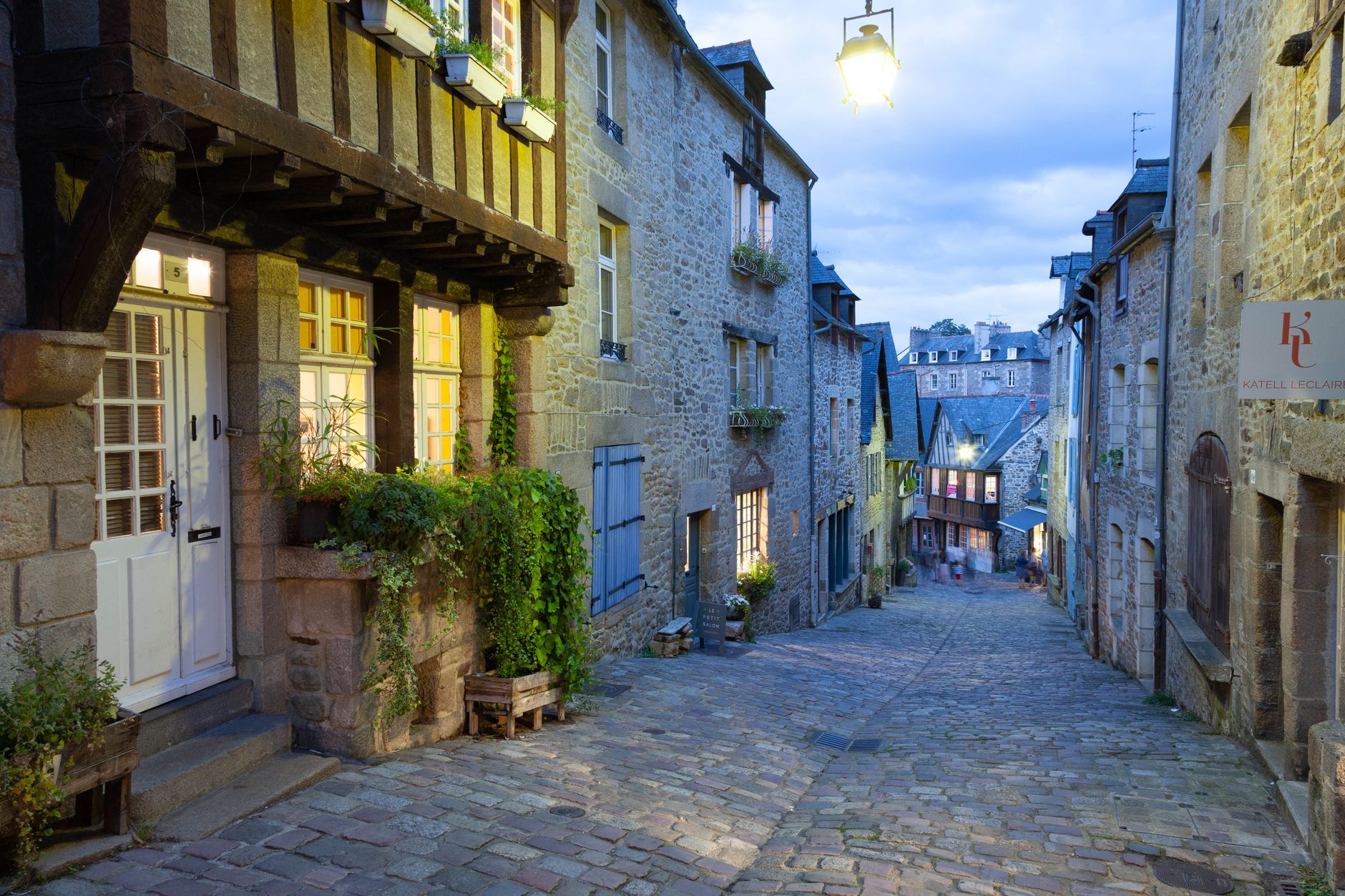
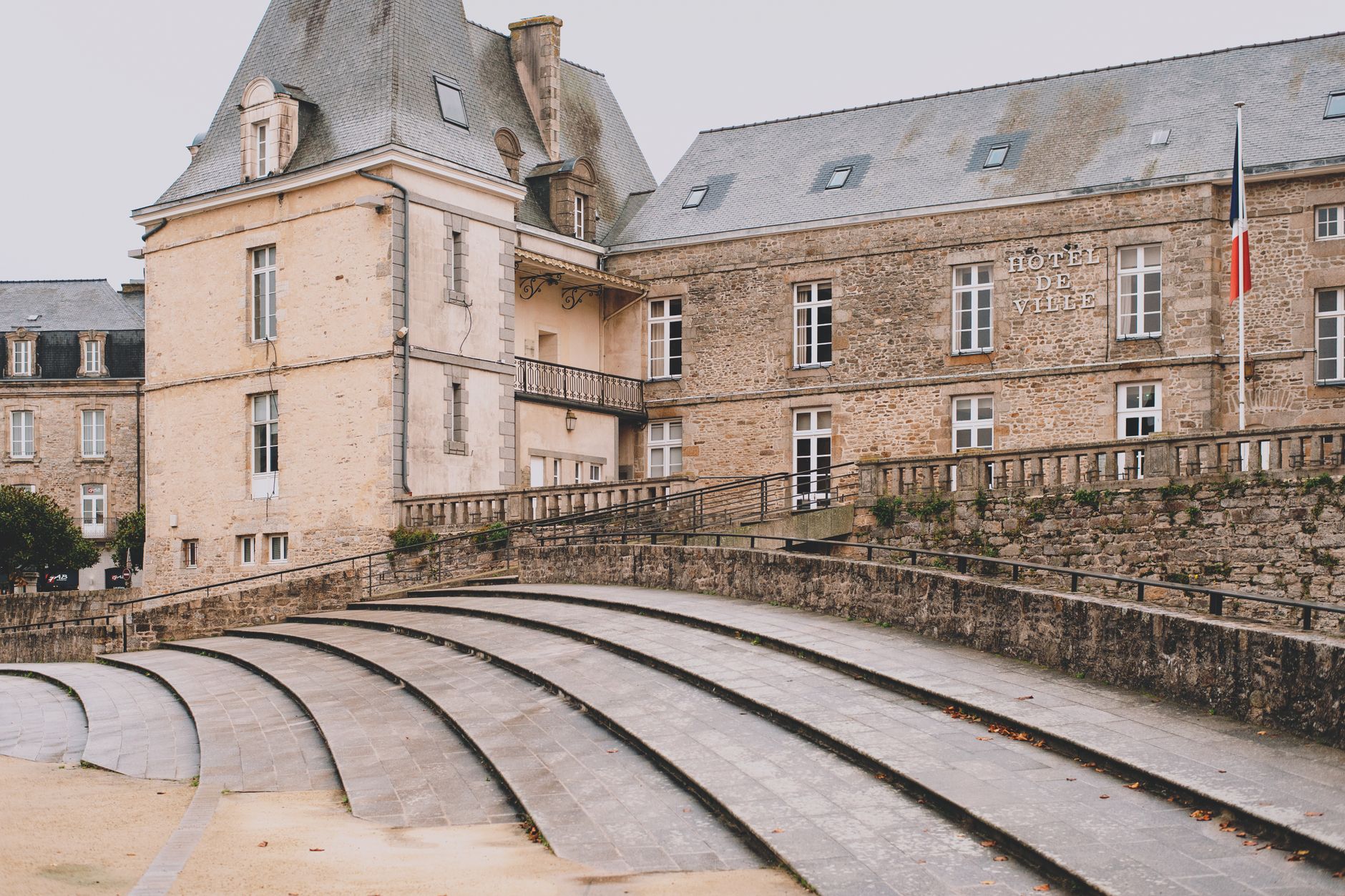
Stand on Dinan's ramparts — 2.7 kilometres of 13th- and 14th-century curtain wall, still largely intact — and you're looking down at a town that the English twice tried to take and failed. Below, the Rance River bends quietly past the old port, where medieval ships once loaded cloth woven on Rue du Jerzual before the trade moved to Saint-Malo and the whole town retreated uphill behind stone.
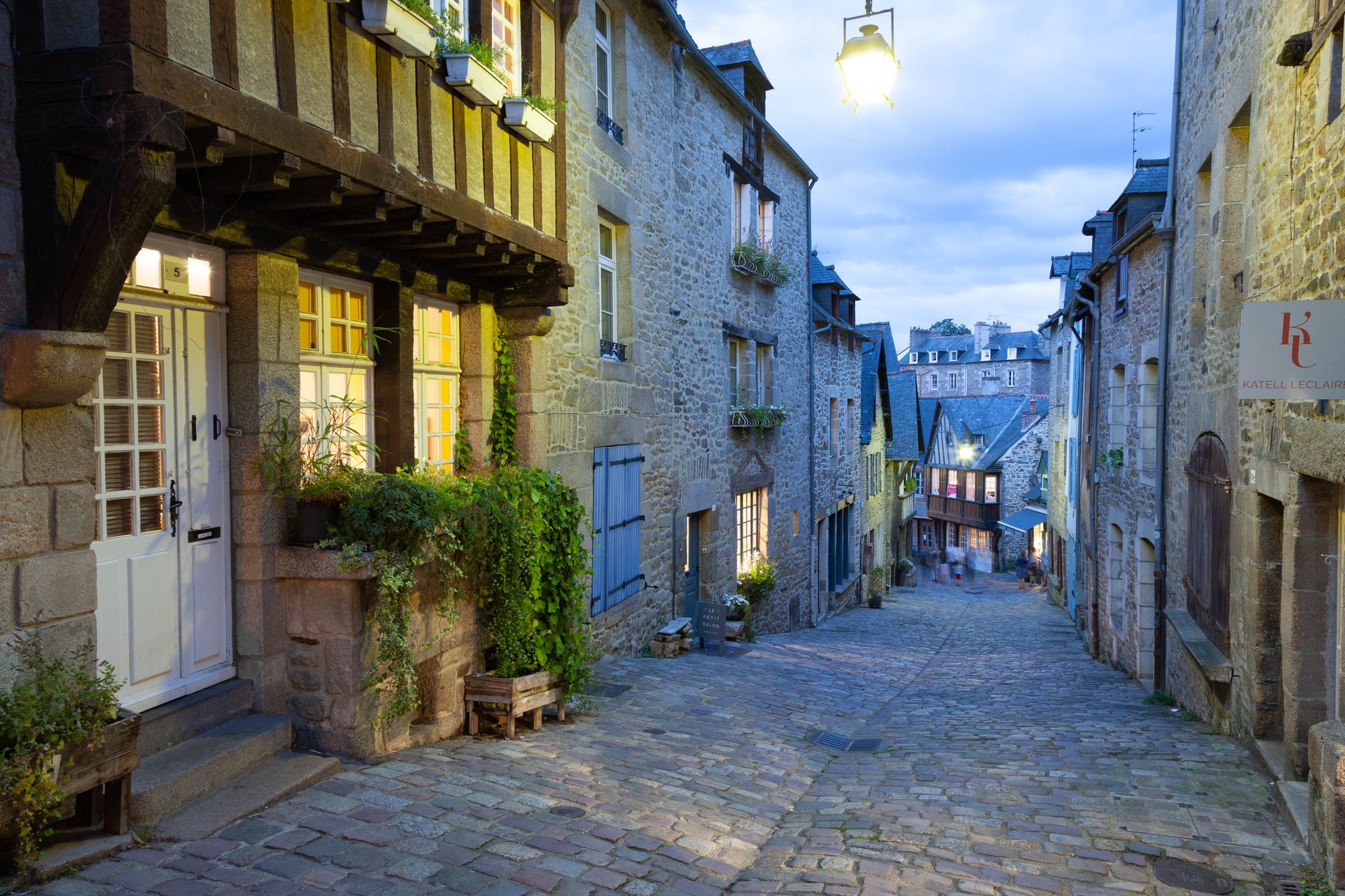
What's left is one of the best-preserved medieval streetscapes in Brittany: 130 half-timbered houses, a clock tower that Anne of Brittany personally upgraded in 1500, and a basilica that was never quite finished and shows every century of the attempt.
💛 What travellers fall for
People who come back tend to do the rampart walk early, before the tour groups arrive, then find coffee near Place des Merciers under the wooden porches. The climb up Rue du Jerzual rewards a slow pace — the pointed gables and jutting upper floors look best when you stop to look up rather than push through.
Experiences you don't want to miss



Deals in Dinan
Book directly at the providerHow Dinan came to be
Dinan first appears in the record in 1040, when Josselin, its founding lord, witnessed a donation to the Abbey of Saint-Georges in Rennes. The Counts of Dinan held the town until 1283, and Benedictine monks arriving in the 11th century built its earliest church and priory. As the Rance silted and ships grew larger, maritime trade drifted to Saint-Malo, and Dinan turned inward — the town centre moved uphill, and the walls that went up in the 13th and 14th centuries held off two English attacks during the Hundred Years' War.
The dukes of Brittany built the Château de la Duchesse Anne across the 14th and 15th centuries; Anne of Brittany herself came to live here after the death of Charles VIII and in 1500 ordered a clock installed on the Tour de l'Horloge, elevating it to a belfry. The railway's arrival in the 19th century finished off what remained of the river port's commercial life, leaving the medieval fabric oddly undisturbed. In 1985, Dinan was among the first four French towns to receive the Art and History designation.
Who and what shaped it
People who shaped it
Landmark buildings
See Dinan in motion
Plan your visit
On the map
When to go
Brittany runs mild and damp year-round — summers stay in the low-to-mid 20s Celsius with occasional Atlantic rain, while winters are grey but rarely cold. Spring and early autumn give the clearest light for the stone streets, and the crowds thin noticeably after August.
Right now
Background & history adapted from Wikipedia (CC BY-SA) · specs from Wikidata (CC0) · weather from Open-Meteo · map data © OpenStreetMap contributors · photos from Wikimedia Commons / Unsplash with per-image credit. No third-party reviews or social posts reproduced.