City

Dijon

Dijon
Photo by Ferdinand F Eman on Pexels
Dijon
Photo by Ad Thiry on Pexels
Dijon
Photo by Riandy Saputra on Pexels
Dijon
Photo by Ad Thiry on Pexels
Dijon
Photo by Ad Thiry on Pexels
Dijon
Photo by Zola PALMER on Pexels

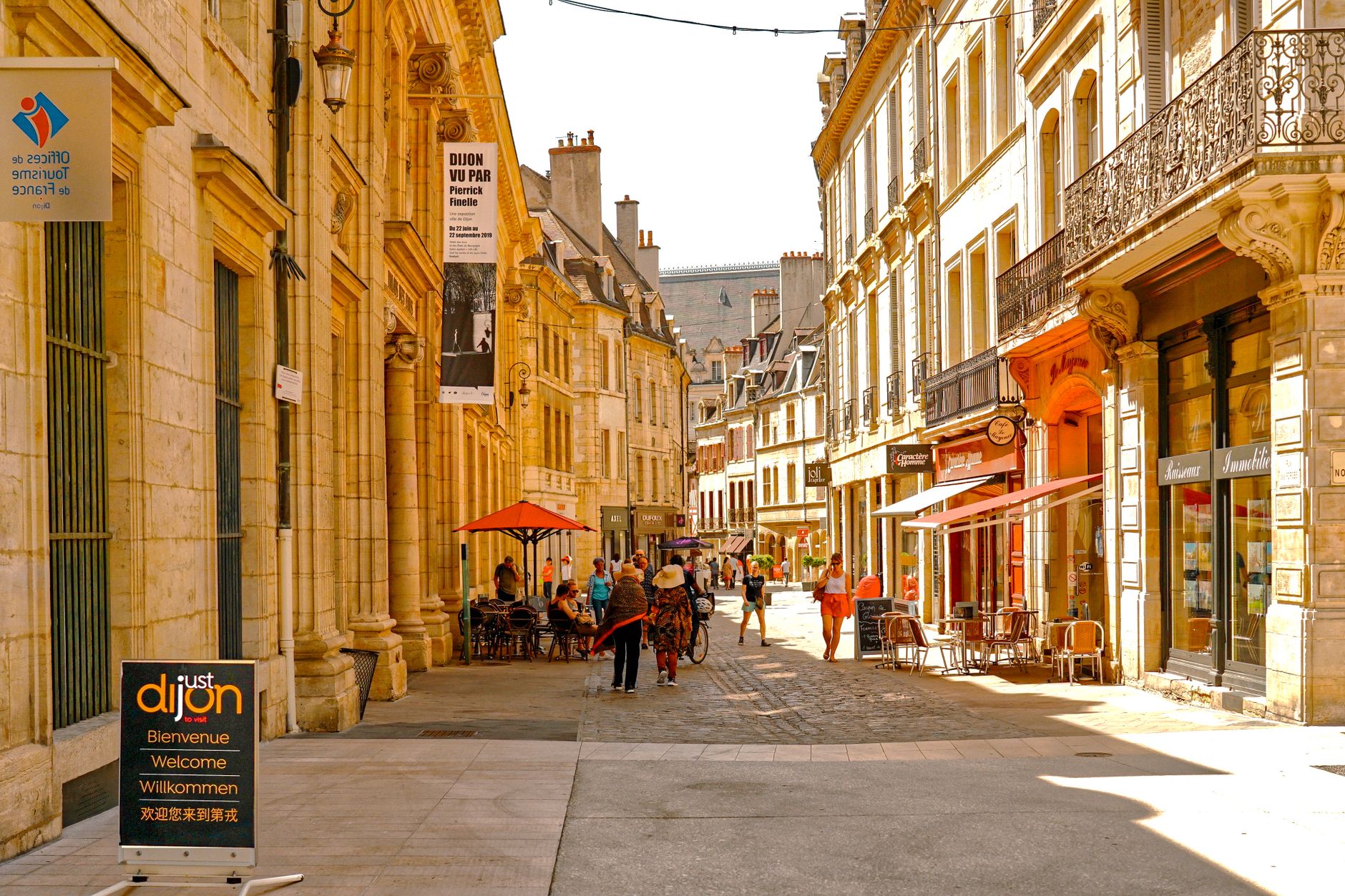
The owl on the wall of Église Notre-Dame is small enough to miss entirely — a stone carving worn smooth by centuries of left hands rubbing it for luck. That kind of detail is what Dijon rewards: a city where ducal ambition left behind Gothic towers, Renaissance courtyards, and half-timbered merchants' houses that still line the old streets, and where the table has always been taken as seriously as the architecture.

Dijon is Burgundy's capital in every sense — administrative, culinary, intellectual. The TGV now puts Paris ninety minutes away, which means it doesn't need to perform for tourists the way smaller towns do. It simply gets on with being itself.

💛 What travellers fall for

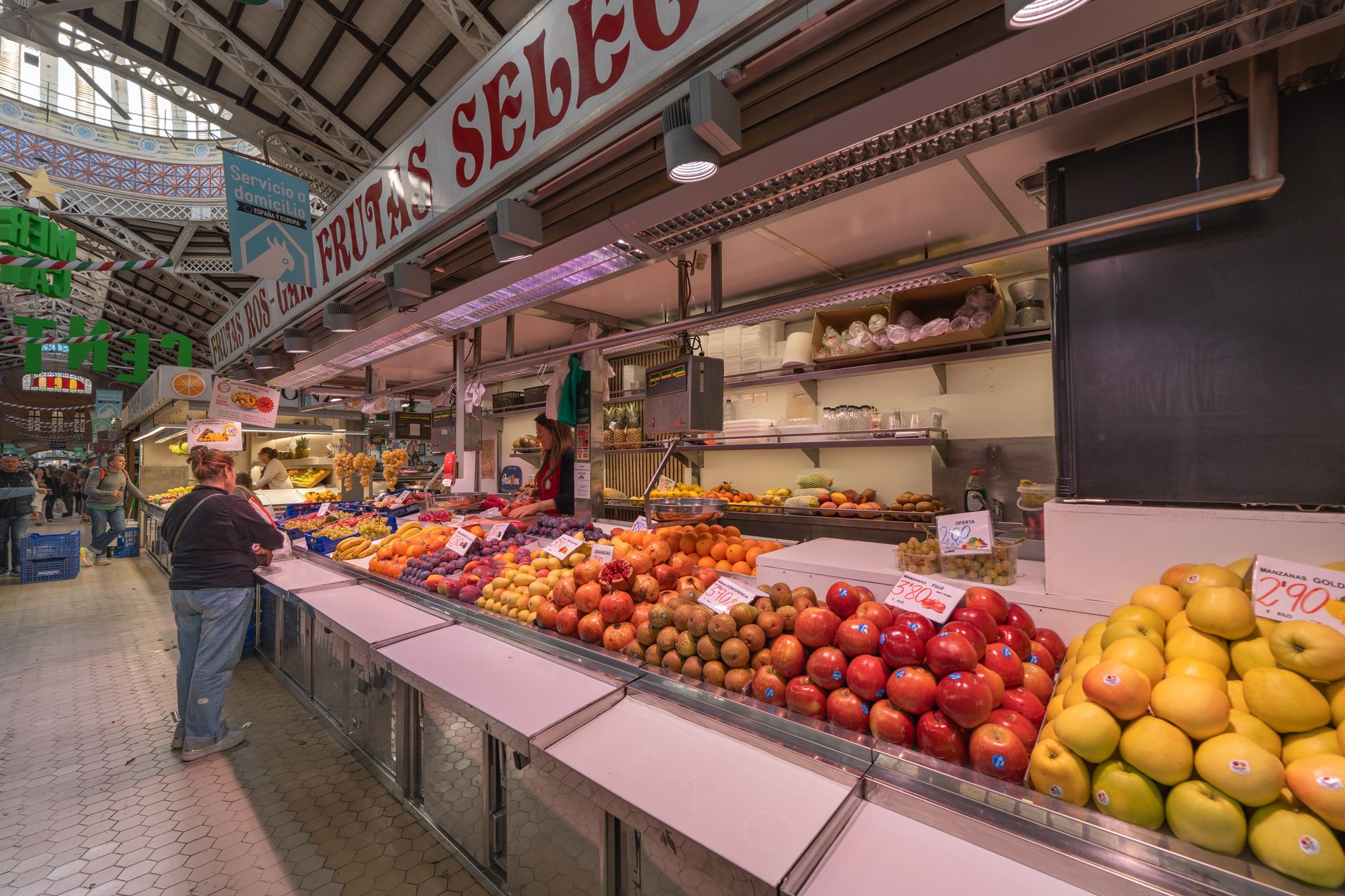
Regulars tend to arrive on a weekday morning, climb the 316 steps of Tour Philippe le Bon before the tour groups, then work through the Musée des Beaux-Arts at their own pace — the ducal kitchens alone justify the detour. The covered market Les Halles is the other fixed point: go before noon, go hungry.

Good to know
The TGV from Paris Gare de Lyon takes around 90 minutes. Spring and early autumn are the most comfortable seasons to walk the old centre. The compact historic core is easily done on foot; save a half-day for the Musée des Beaux-Arts, which reopened after a decade-long renovation in 2019.

Deals in Dijon

Book directly at the provider
The story

How Dijon came to be

Romans knew it as Divio, a staging post on the Lyon–Paris road, and Emperor Aurelian gave it its first walls around 274 CE. The city's real rise came in 1015 when Duke Robert I made it capital of Burgundy, but the Valois dukes — beginning with Philip the Bold in 1364 — turned it into something grander: a court that drew musicians, sculptors, and architects from across Europe. Philip began rebuilding the ducal palace from 1365; later Valois rulers kept adding to it.

When Louis XI absorbed Burgundy into France in 1477, Dijon kept its status as a provincial capital and its parliament. It peaked intellectually in the 18th century, founded its university in 1722, and then lost ground after the Revolution. The railways arrived in 1851 and rebuilt its economy; the TGV in 1981 reconnected it to the world.

People & landmarks

Who and what shaped it

People who shaped it

Gustave Eiffel
Engineer and architect born in Dijon; designed Eiffel Tower and internal framework of Statue of Liberty.
Jean-Philippe Rameau
Baroque composer and music theorist born in Dijon; one of greatest French composers of his era.
François Rude
Romantic sculptor born in Dijon; created relief 'La Marseillaise' on Arc de Triomphe; museum dedicated to his work in city.
Philip the Bold
Duke of Burgundy (1342–1404); made Dijon capital of powerful duchy and began construction of Palace of Dukes from 1365.
Jacques-Bénigne Bossuet
Native of Dijon (1627–1704); theologian and preacher considered one of greatest orators of French Church.
Henry Darcy
Hydraulic engineer (1803–1858) born in Dijon; formulated Darcy's Law, fundamental principle of fluid dynamics.

Landmark buildings

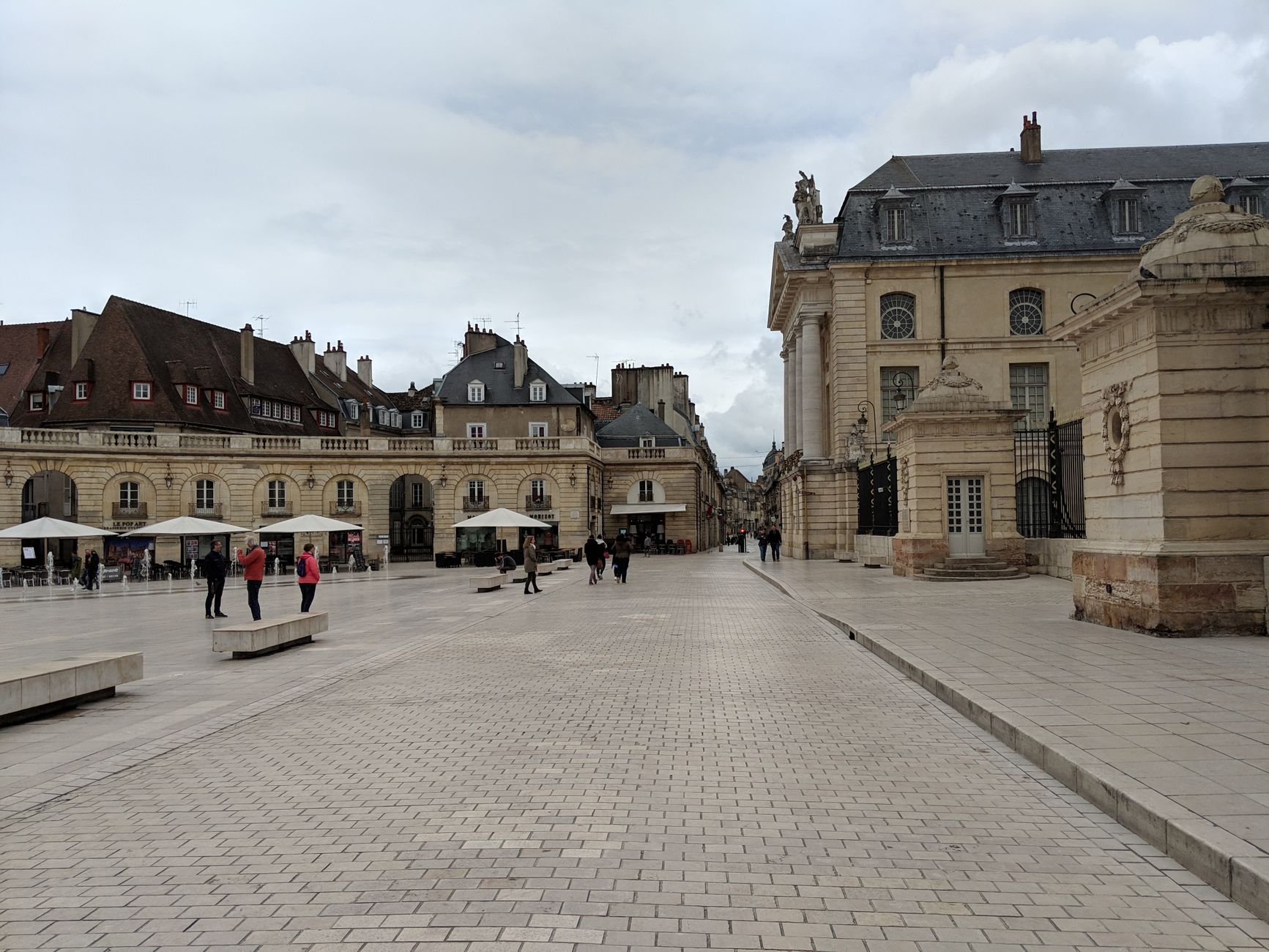
Palais des Ducs et des États de Bourgogne
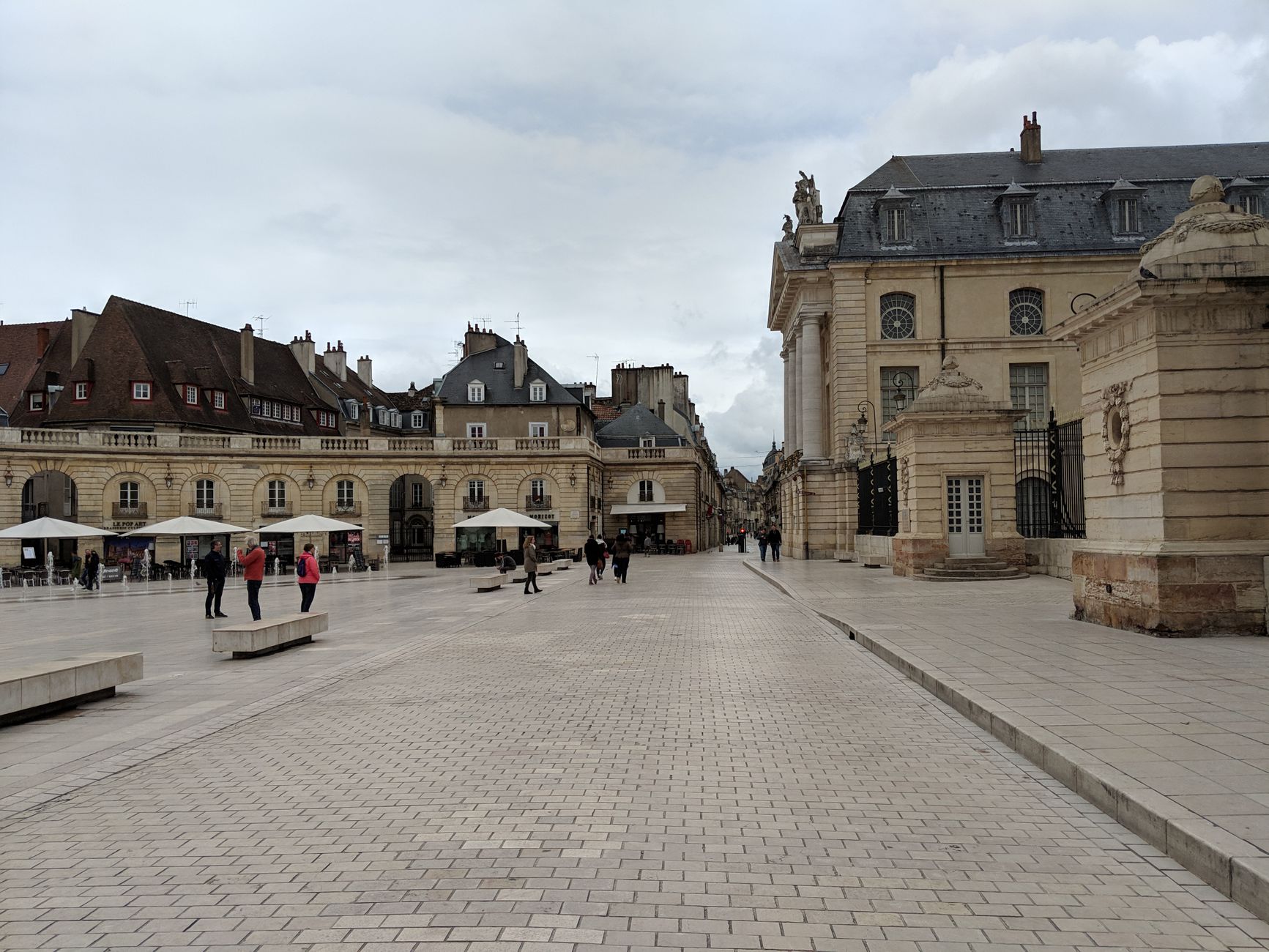
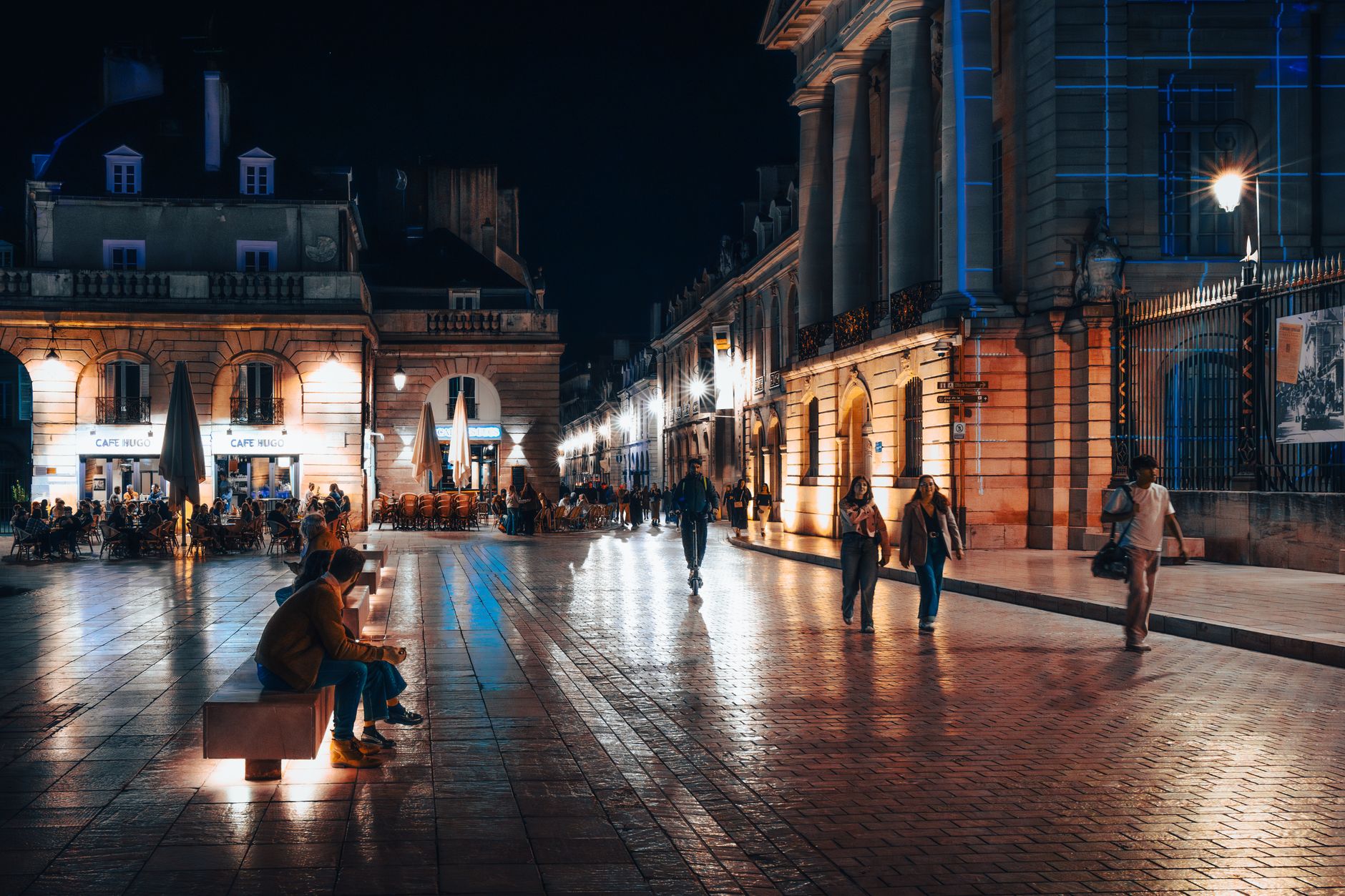
Palace begun by Philip the Bold in 1365; evolved over centuries with classical façades by Jules-Ardouin Mansart; now houses town hall, Fine Arts Museum, and ducal tombs.
Tour Philippe le Bon
46-metre tower built by Valois dukes; 316 stone steps to top offering panoramic city views.
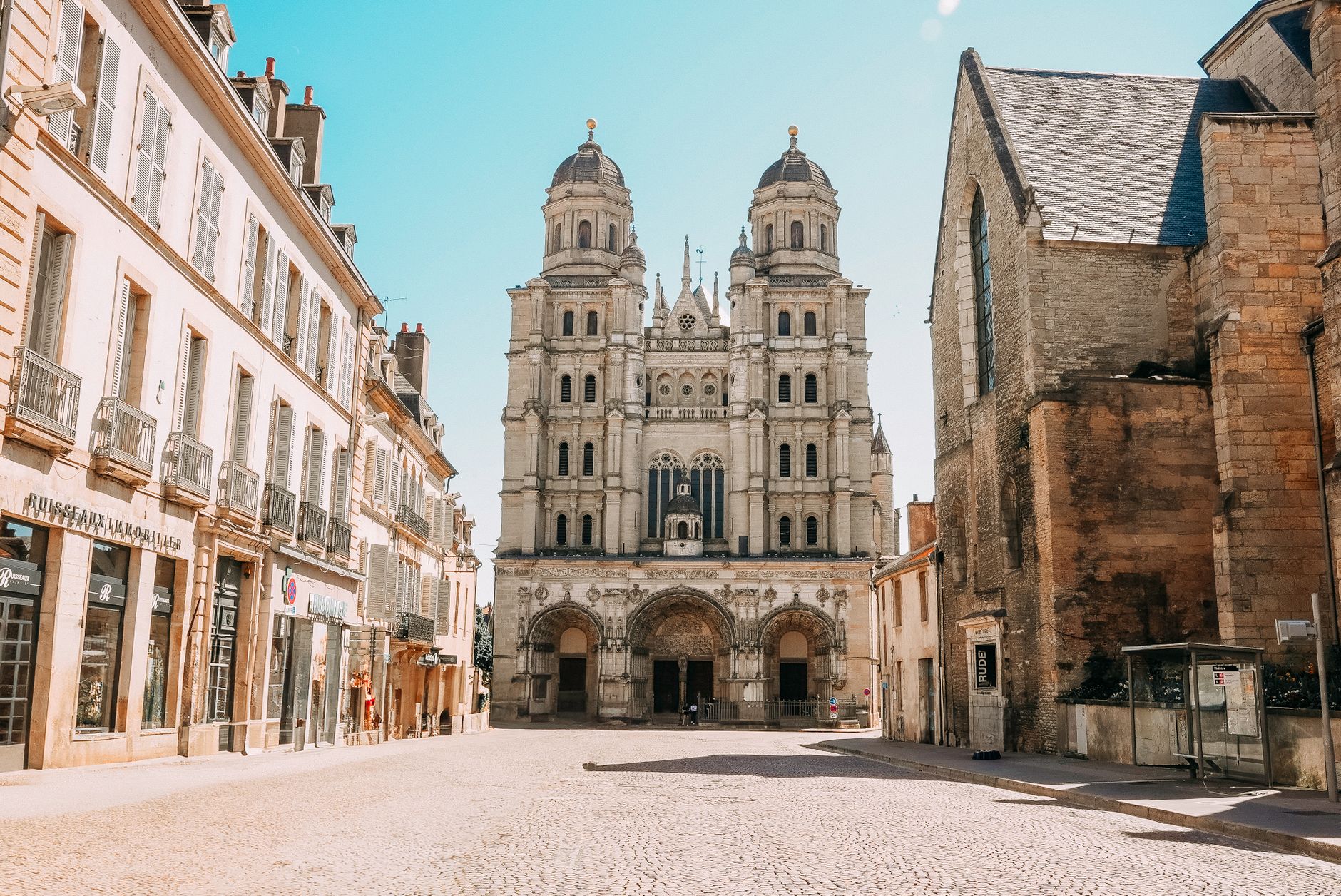
Cathédrale Saint-Bénigne
13th-century Gothic abbey church with 10th-century crypt and subterranean three-storey rotunda from year 1000; towers completed 1659 and 1667.
Église Notre-Dame
13th-century church featuring small owl carving said to bring luck if rubbed with left hand, and bell-ringing automatons.
Musée des Beaux-Arts de Dijon
Founded 1787, reopened 2019 after renovation; contains 15th-century ducal kitchens and substantial European art collection from Roman times to present.
Maison Millière
Historic half-timbered house from 1483; originally built by textile merchant with shop on ground floor and living quarters above.
Maison Maillard
Renaissance-style mansion built 1560; façade decorated with diadems, crowned heads, fruits, flowers, and lion muzzles.
Hôtel Chambellan
Built 1490–1493 for mayor Henri Chambellan; features fine window carvings and emblematic wooden gallery.
Hôtel de Vogüé
One of Burgundy's finest mansions; Italian-influenced carved portal and courtyard with distinctive colourful glazed roof.
Grand Théâtre de Dijon
Neo-classical theatre built 1828 by architect Jacques Cellerier; interior modelled on Italian opera houses; declared French monument historique in 1975.
Practical

Plan your visit

On the map

When to go

Dijon has a semi-continental climate: warm, sometimes hot summers, cold winters with occasional snow, and genuinely pleasant springs and autumns. Late September through October sits in a particular sweet spot — mild air, lower crowds, and the vineyards of the surrounding region turning colour.

Right now

21°C
Partly cloudy
Sat
29°
17°
Sun
26°
18°
Mon
25°
14°
Tue
25°
14°
Weather data: Open-Meteo

Background & history adapted from Wikipedia (CC BY-SA) · specs from Wikidata (CC0) · weather from Open-Meteo · map data © OpenStreetMap contributors · photos from Wikimedia Commons / Unsplash with per-image credit. No third-party reviews or social posts reproduced.

Top