
Devonport

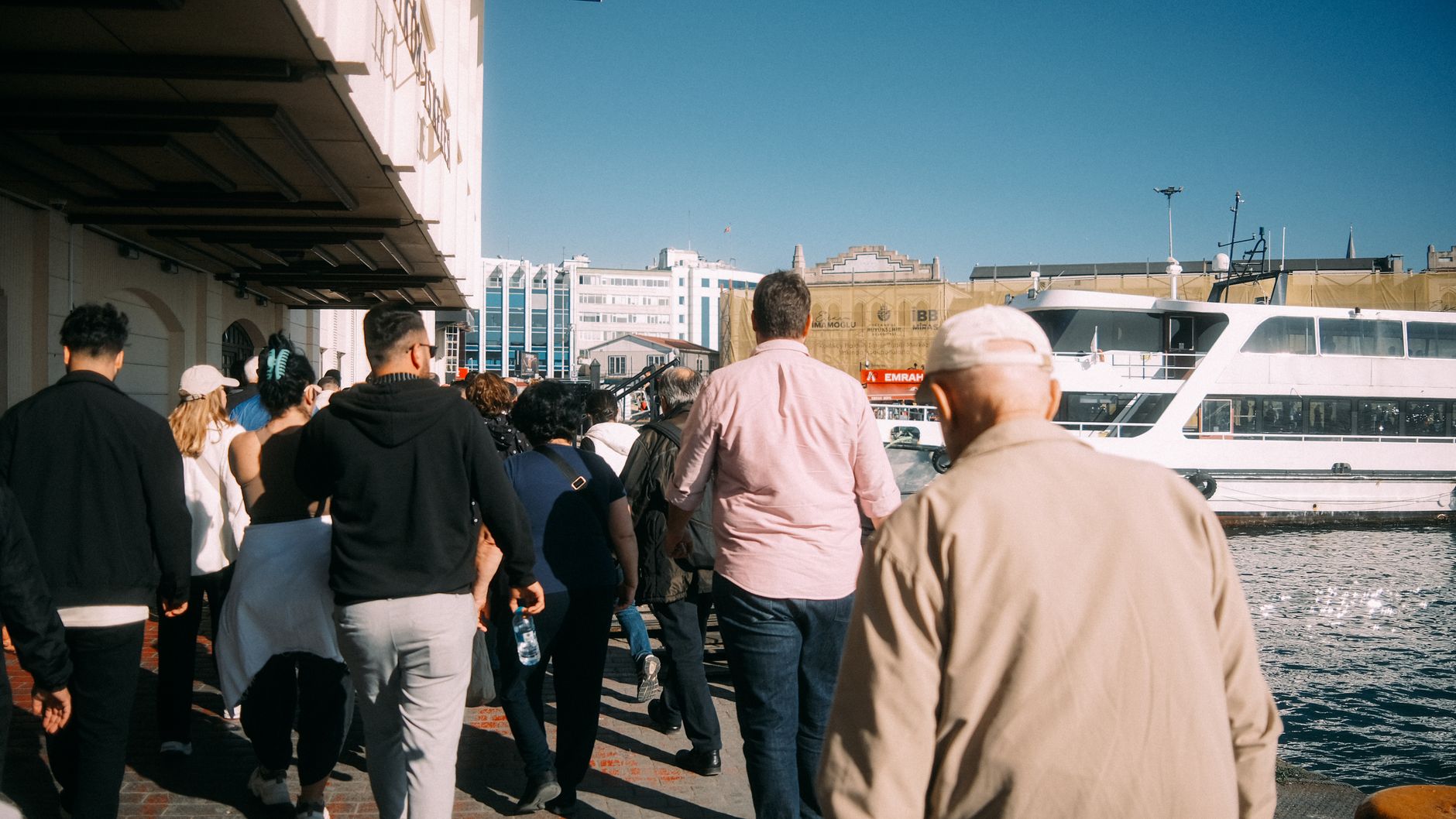

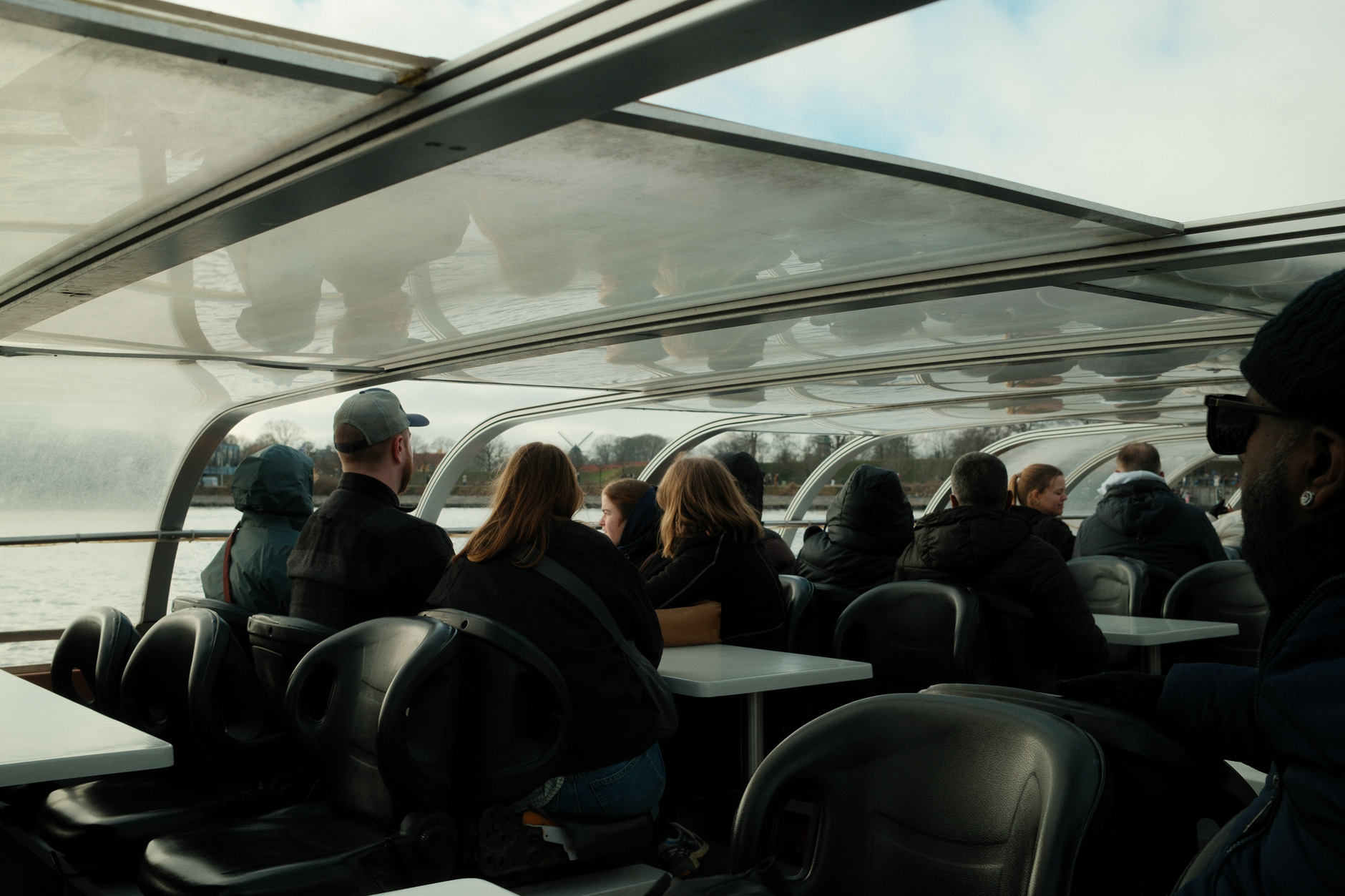
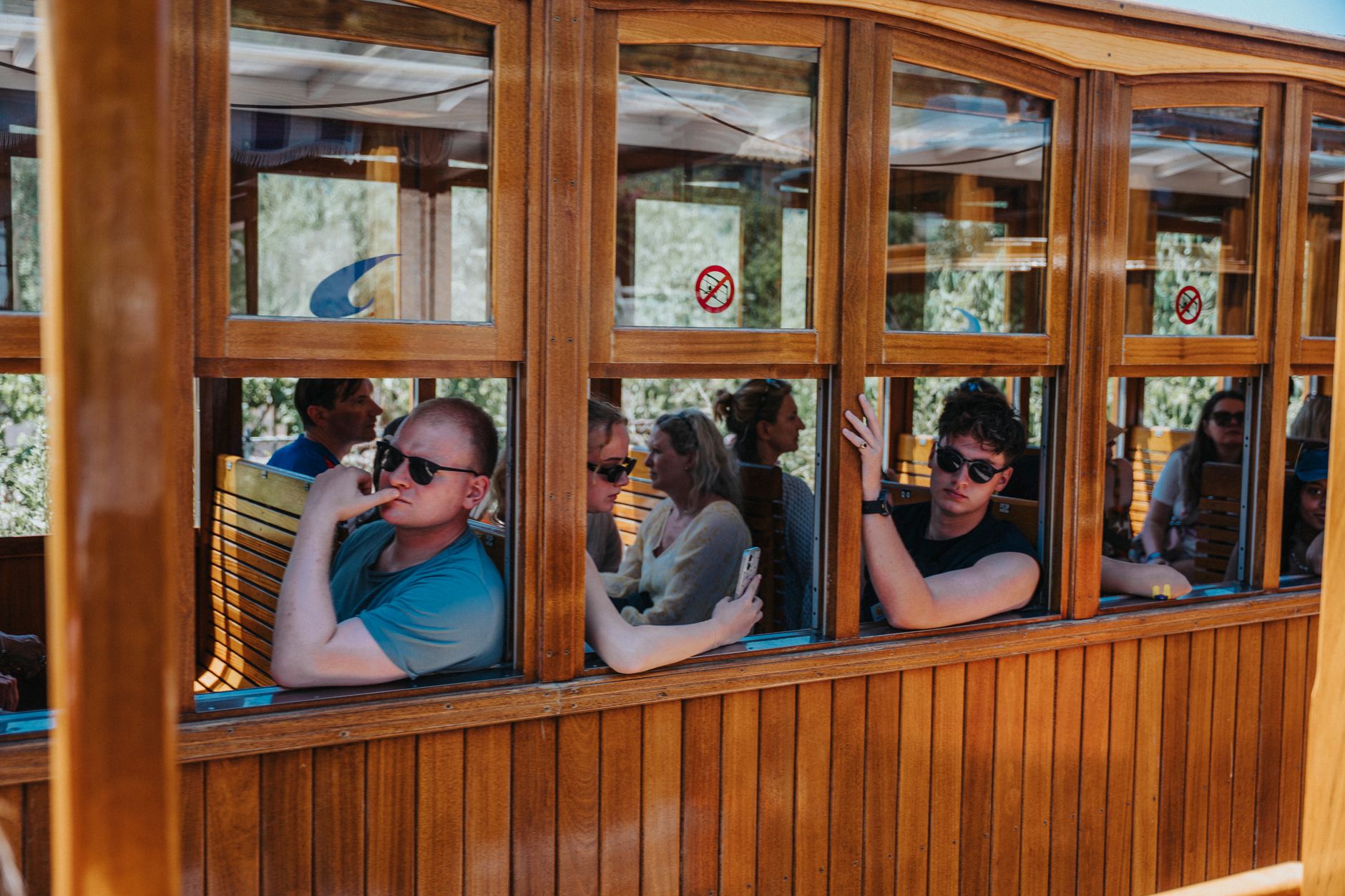
Twelve minutes on the ferry from downtown Auckland and you step off into a different tempo entirely. Devonport sits on a volcanic peninsula across the harbour, its waterfront lined with kauri villas and Victorian commercial facades that have largely held their ground against the decades. Victoria Road runs a short course from the wharf through one of the most intact collections of Edwardian shopfronts in the city — the kind of streetscape where the buildings are still doing roughly what they were built to do.
Three beaches wrap the peninsula's edges, two volcanic cones give you the harbour panorama, and the navy has kept a presence here since 1841. The place rewards a slow circuit on foot.
💛 What travellers fall for
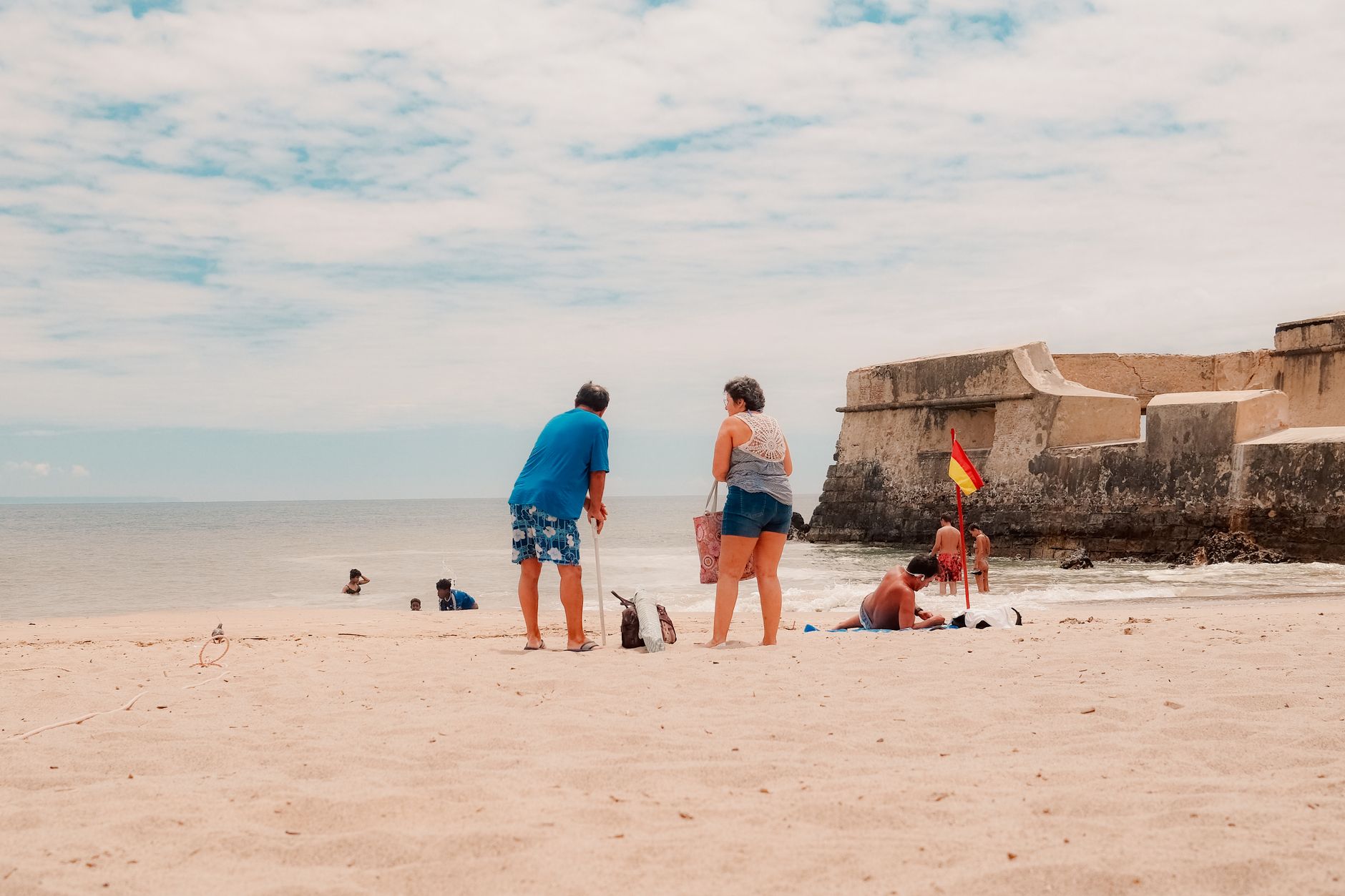
People who come back tend to land at the same rhythm: ferry over early, coffee somewhere on Victoria Road before the weekend crowd arrives, then up Takarunga/Mt Victoria for the view before it fills. Cheltenham Beach is the quieter of the three — worth knowing when Devonport Beach gets busy on a hot afternoon.
Deals in Devonport
Book directly at the provider
How Devonport came to be
Māori settled the peninsula around 1350, drawn by the defensible volcanic cones. French explorer Jules Dumont d'Urville is thought to have come ashore in 1827, and by 1840 the British had raised a flagstaff on Mt Victoria — giving the early settlement its first name. A gunpowder magazine went up on the foreshore the same year, followed in 1841 by the Royal Navy establishing its first New Zealand base here under Lieutenant Robert Snow.
For decades it remained a modest naval and military outpost. The Devonport Steam Ferry Company, founded in 1881, changed that — connecting the peninsula to Auckland and triggering a subdivision boom. Large kauri villas rose through the 1880s, many of which still stand. The borough got its electricity in 1914, was the first on the North Shore to do so, and in 1981 its council declared itself a nuclear-free local authority — an early and pointed gesture in New Zealand's broader nuclear debate.
Who and what shaped it
People who shaped it
Landmark buildings
See Devonport in motion
Plan your visit
On the map
When to go
Devonport sits in a marine climate a few degrees warmer than the New Zealand average, with no true dry season — nearly half the year sees some rainfall. Summer (December to February) brings the warmest and most reliably pleasant days for the beaches; autumn and spring are mild if unpredictable, and winter stays temperate rather than cold.
Right now
Background & history adapted from Wikipedia (CC BY-SA) · specs from Wikidata (CC0) · weather from Open-Meteo · map data © OpenStreetMap contributors · photos from Wikimedia Commons / Unsplash with per-image credit. No third-party reviews or social posts reproduced.