
Courchevel
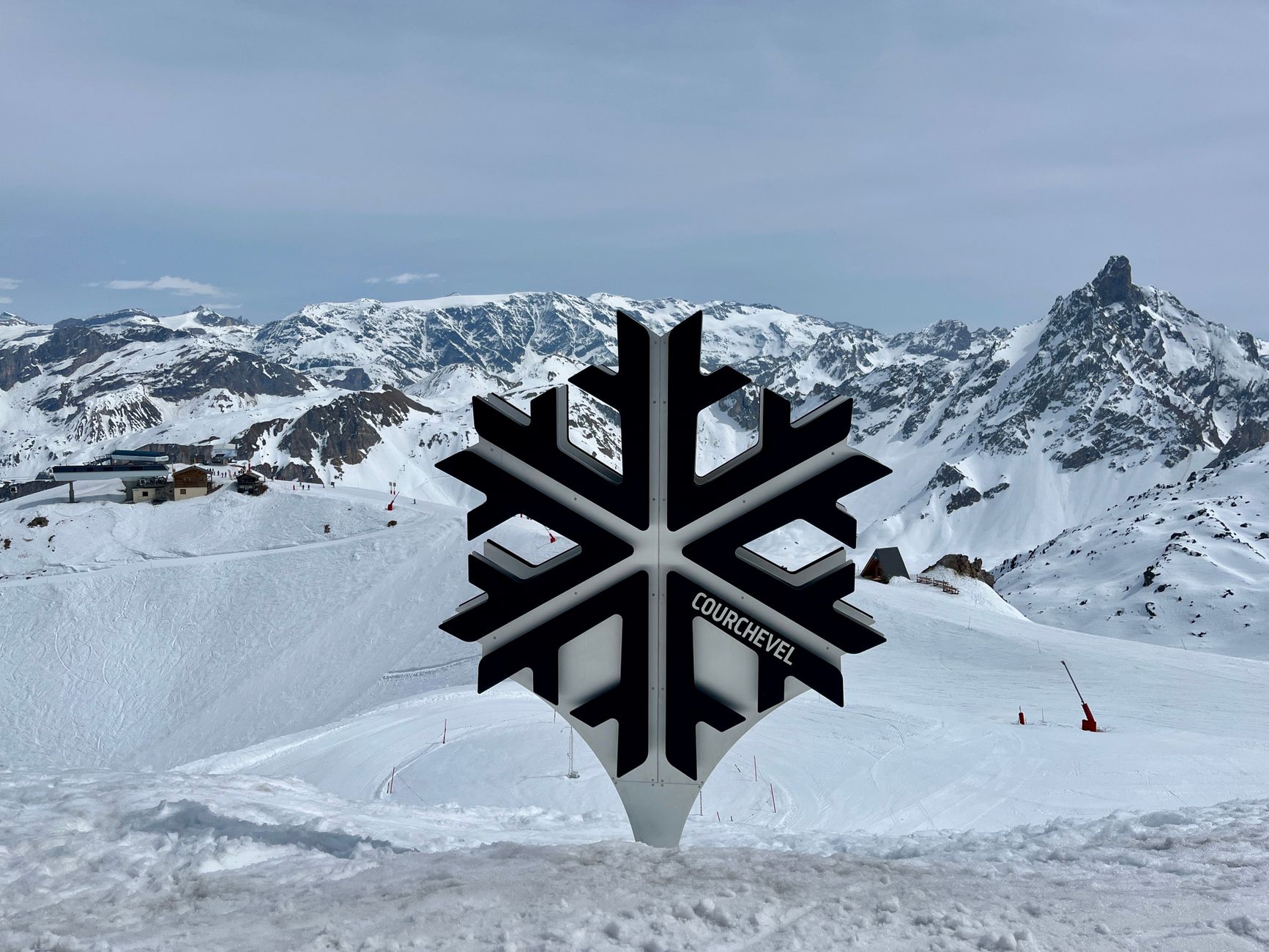
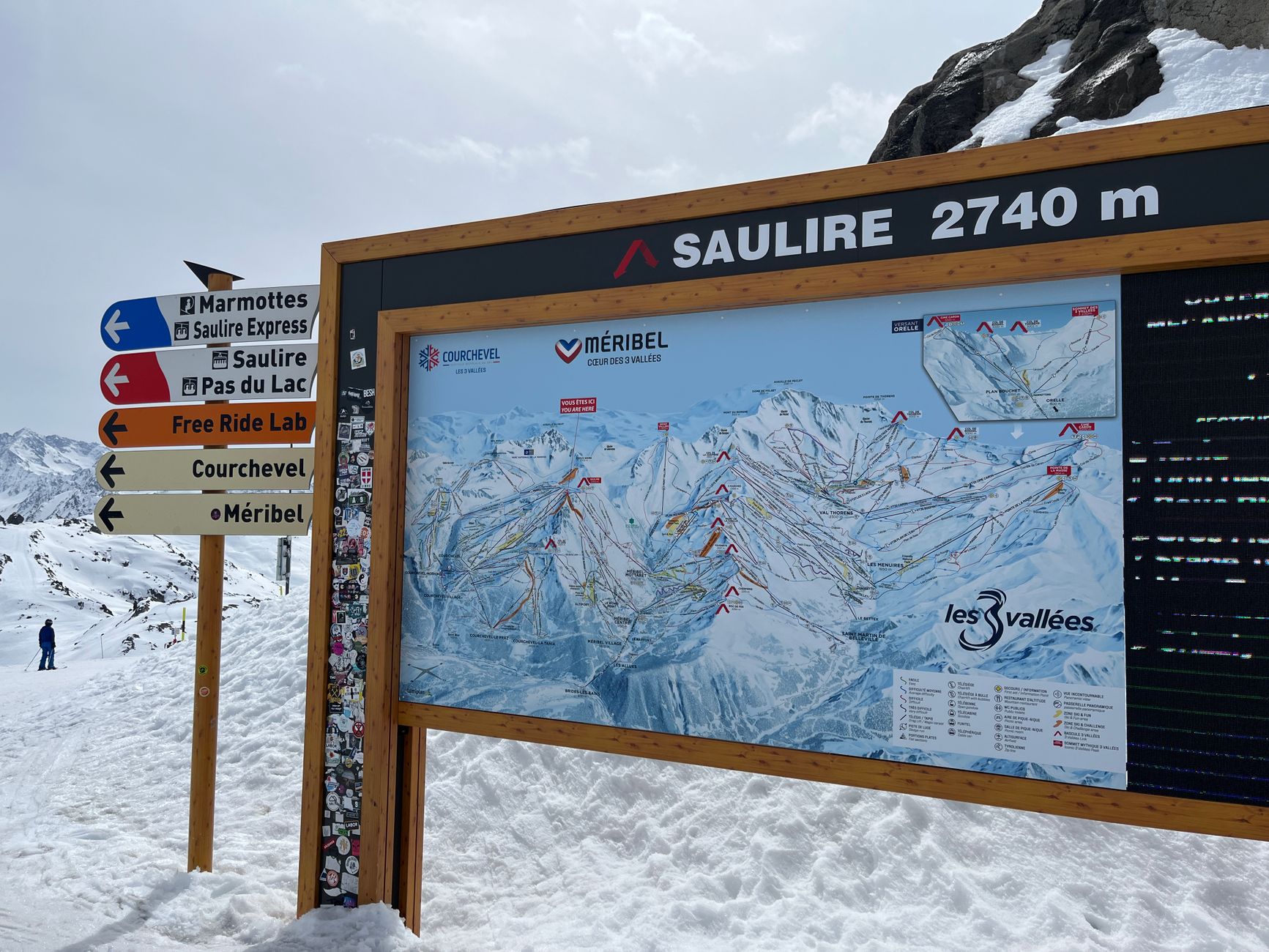
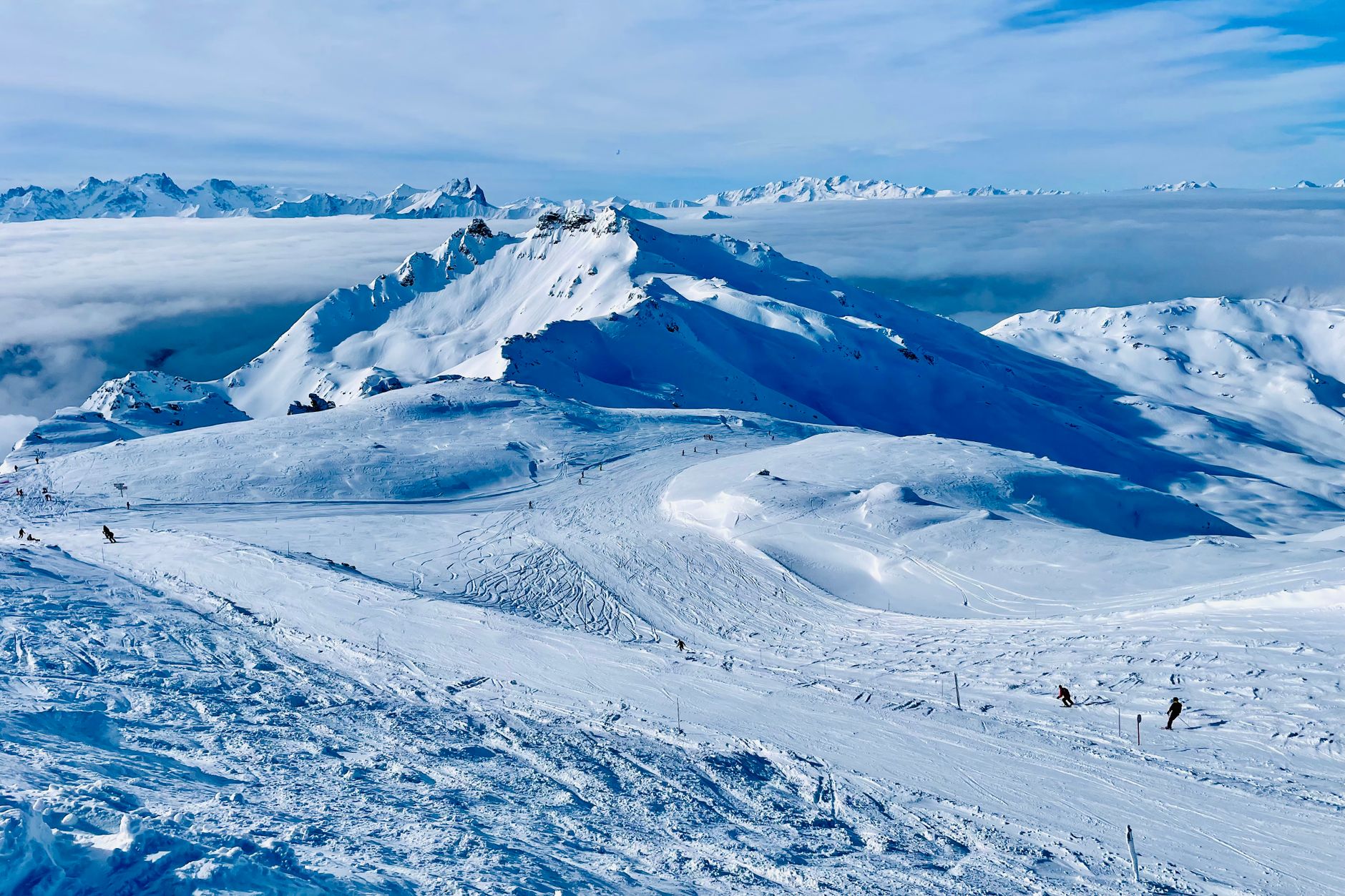
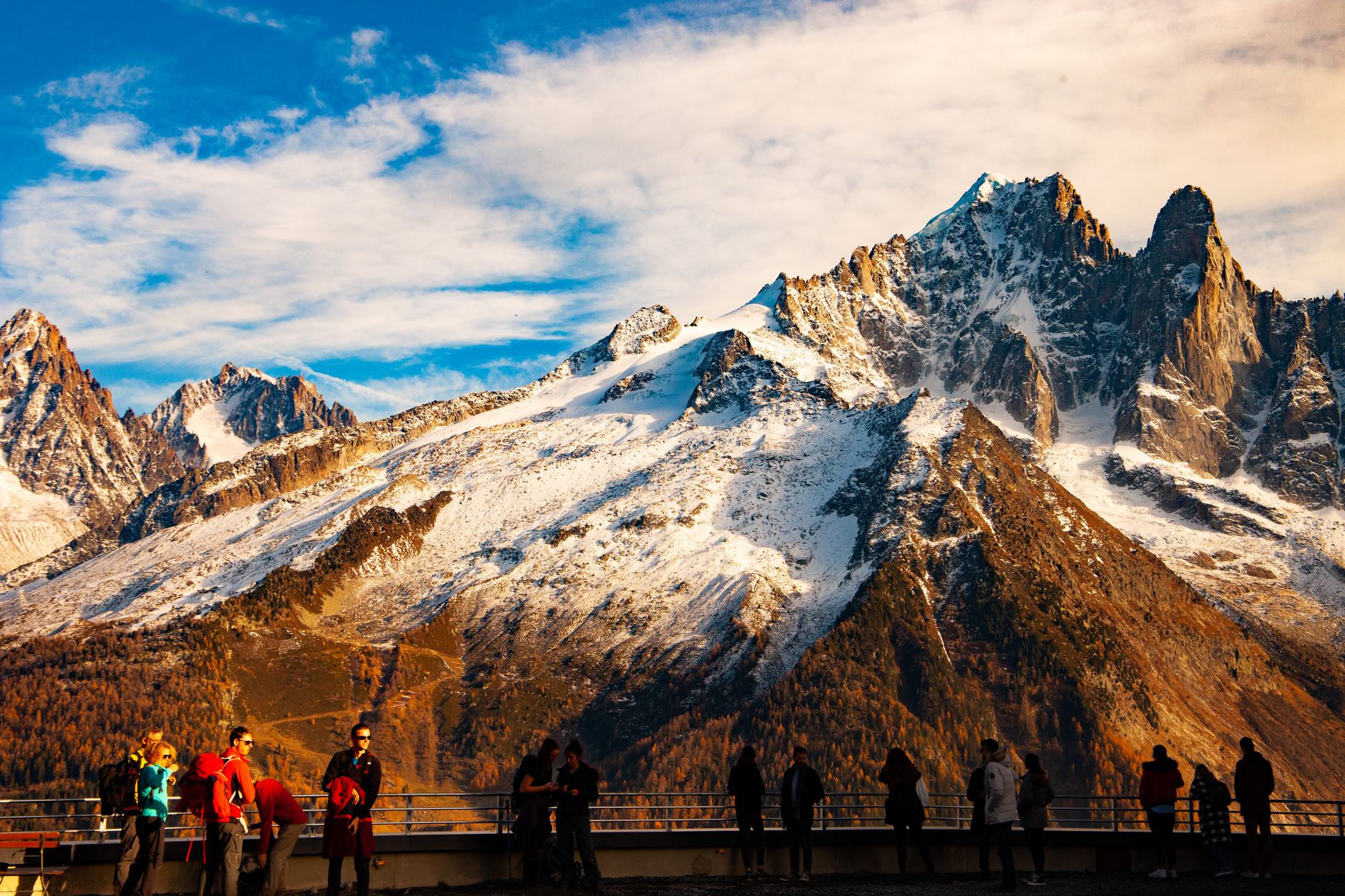
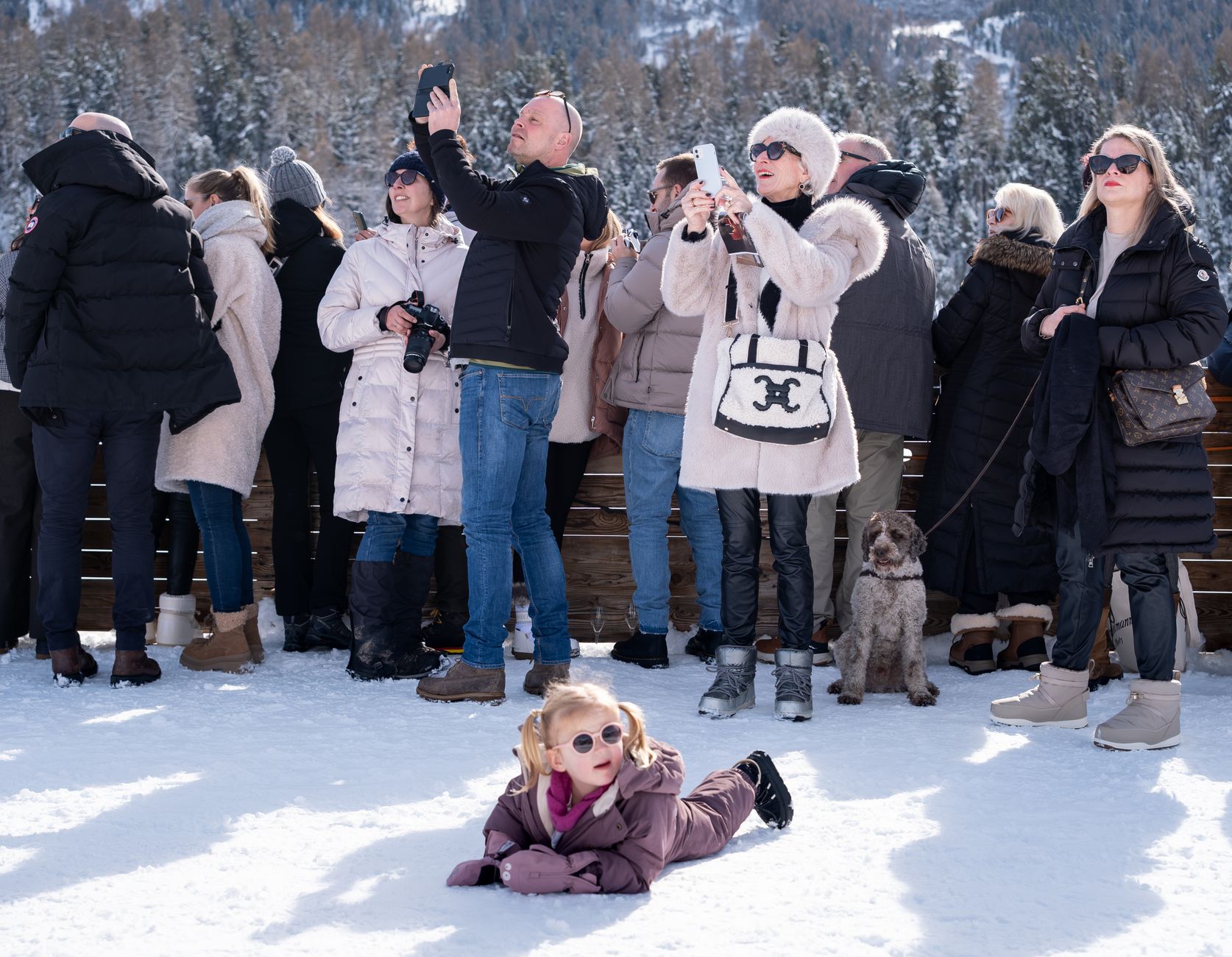
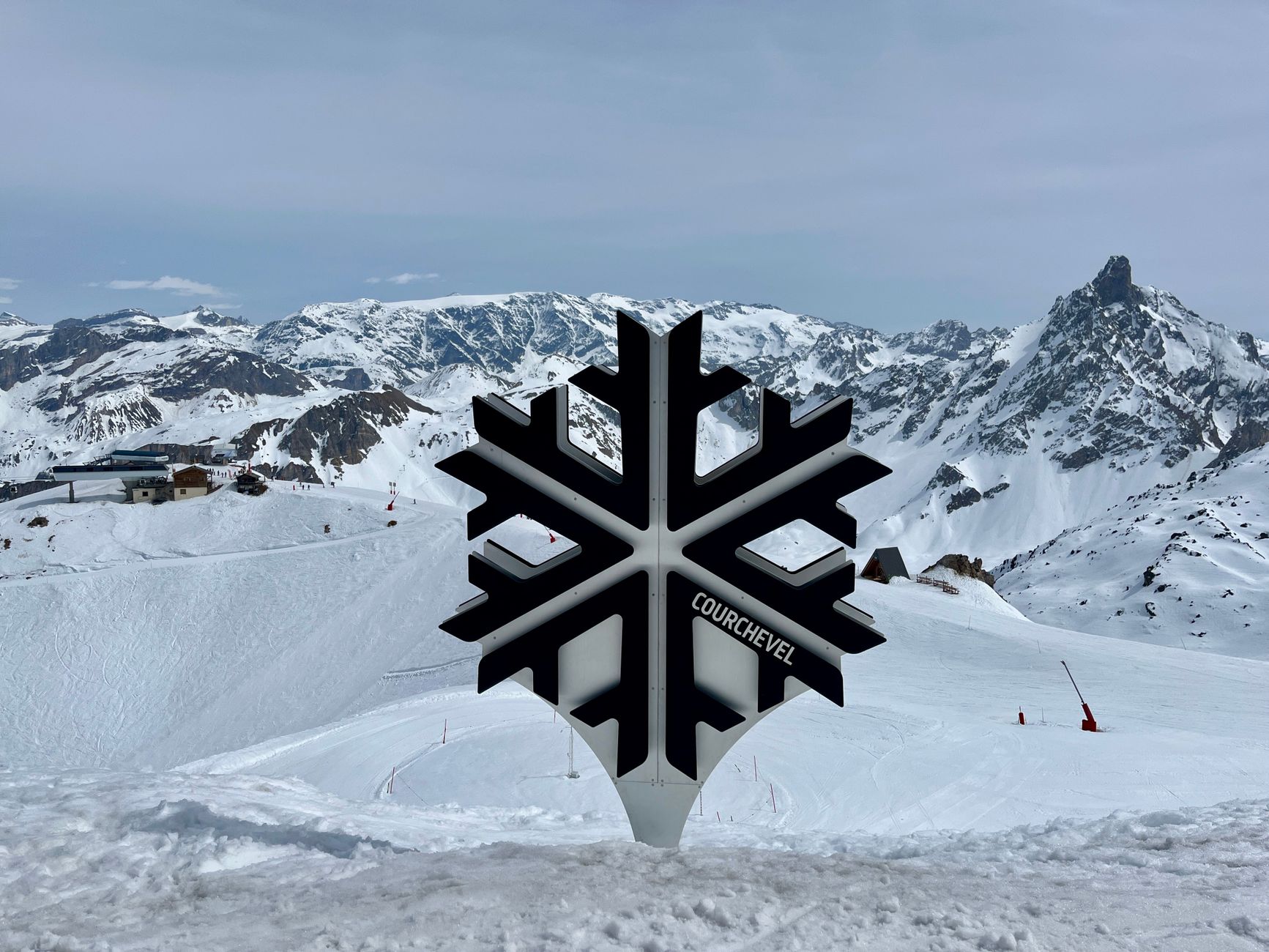
Courchevel was built from nothing — no village, no history, no inherited streets — just a plan drawn up during wartime and a mountain waiting to be shaped. That origin still shows. The four villages stacked up the hillside from Le Praz to 1850 feel deliberate, architectural, a resort conceived rather than accumulated. Six buildings here carry French Historical Monument status, five of them counted among the finest examples of 20th-century mountain architecture in the country.
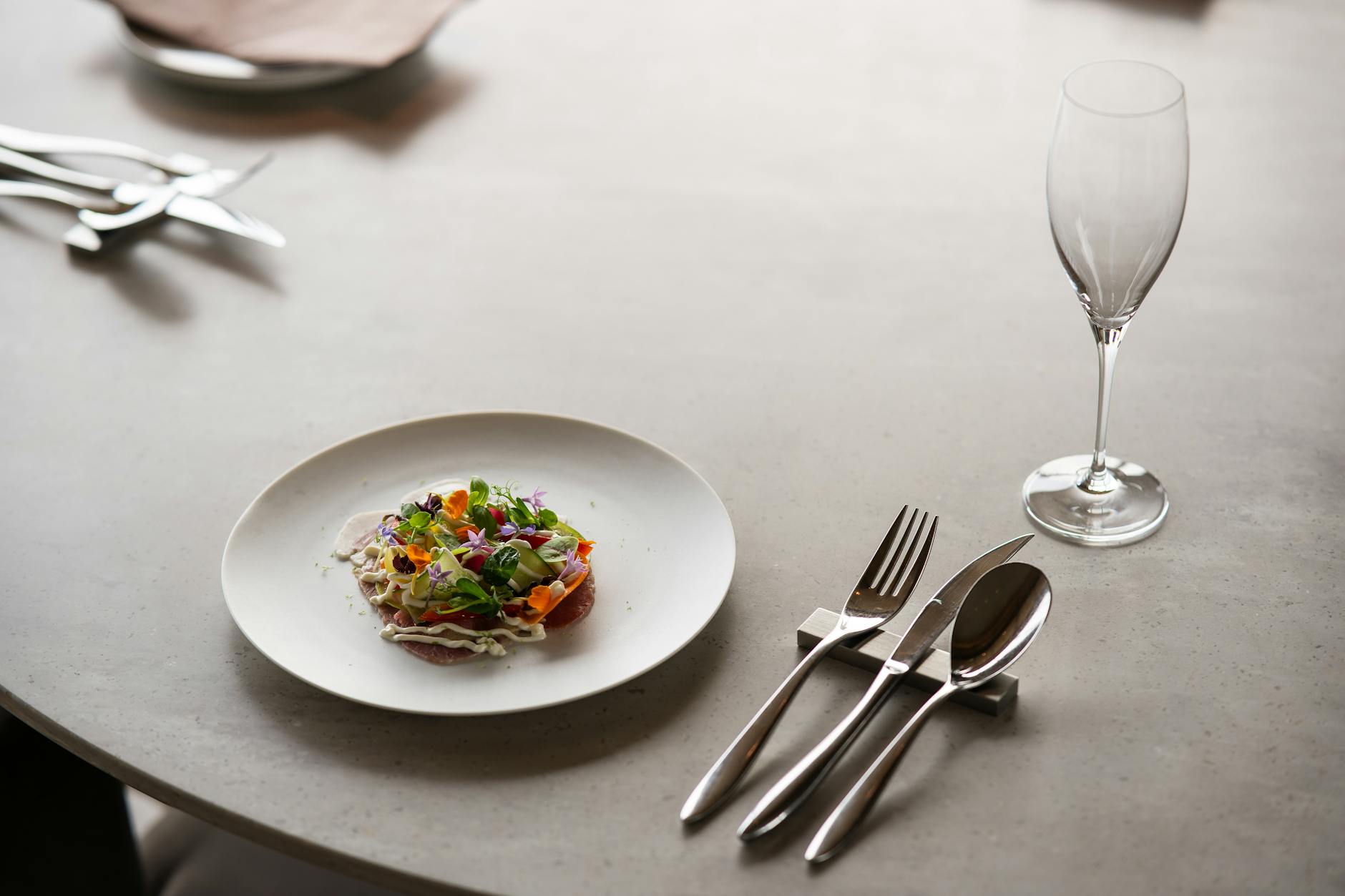
At the top, Courchevel 1850 sits at 1,747 metres and connects west and south into Les Trois Vallées — the largest linked ski area on earth. Seven Michelin-starred restaurants, two palace-classified hotels, and an altiport angled at 18.5% gradient that became the world's first international mountain airport.
💛 What travellers fall for
Regulars tend to mention the same thing: come back in the first two weeks of January, when Russian Orthodox Christmas fills the resort and the snow is reliably deep. The free shuttle between villages is genuinely useful — Le Praz feels quieter, older, and the ski jump from the 1992 Winter Olympics is right there at the forest edge.
Experiences you don't want to miss



Deals in Courchevel
Book directly at the providerHow Courchevel came to be
The resort's origin is unusually specific: Laurent Chappis and Maurice Michaud conceived the plan while interned in a Nazi prisoner-of-war camp in Austria, and a formal study followed in 1942 under the Vichy government. Courchevel was founded in 1945, welcoming its first guests at the end of 1946 — the first resort in France built from scratch, with no existing village as its base. The Sainte-Agathe ski lift opened at Christmas 1945 in Moriond, managed by Jean Blanc, who later became French champion and built the first teleski on the same slope.
The altiport construction began in 1961, driven by local aviation advocate Michael Zieger. In the 1970s, connections to Méribel and Val Thorens formed Les Trois Vallées. The ski jump at Le Praz, built for the 1992 Winter Olympics, stands on the same ground where Jean Blanc and the resort's first champions trained decades earlier.
Who and what shaped it
People who shaped it
Landmark buildings
See Courchevel in motion
Plan your visit
On the map
When to go
Winters are genuinely cold — January averages a maximum of -3°C — with reliable snowfall through to mid-April. Summers are cool rather than warm, peaking around 18°C in July, and the mountain stays partly cloudy across most of the year.
Right now
Background & history adapted from Wikipedia (CC BY-SA) · specs from Wikidata (CC0) · weather from Open-Meteo · map data © OpenStreetMap contributors · photos from Wikimedia Commons / Unsplash with per-image credit. No third-party reviews or social posts reproduced.