
Corralejo
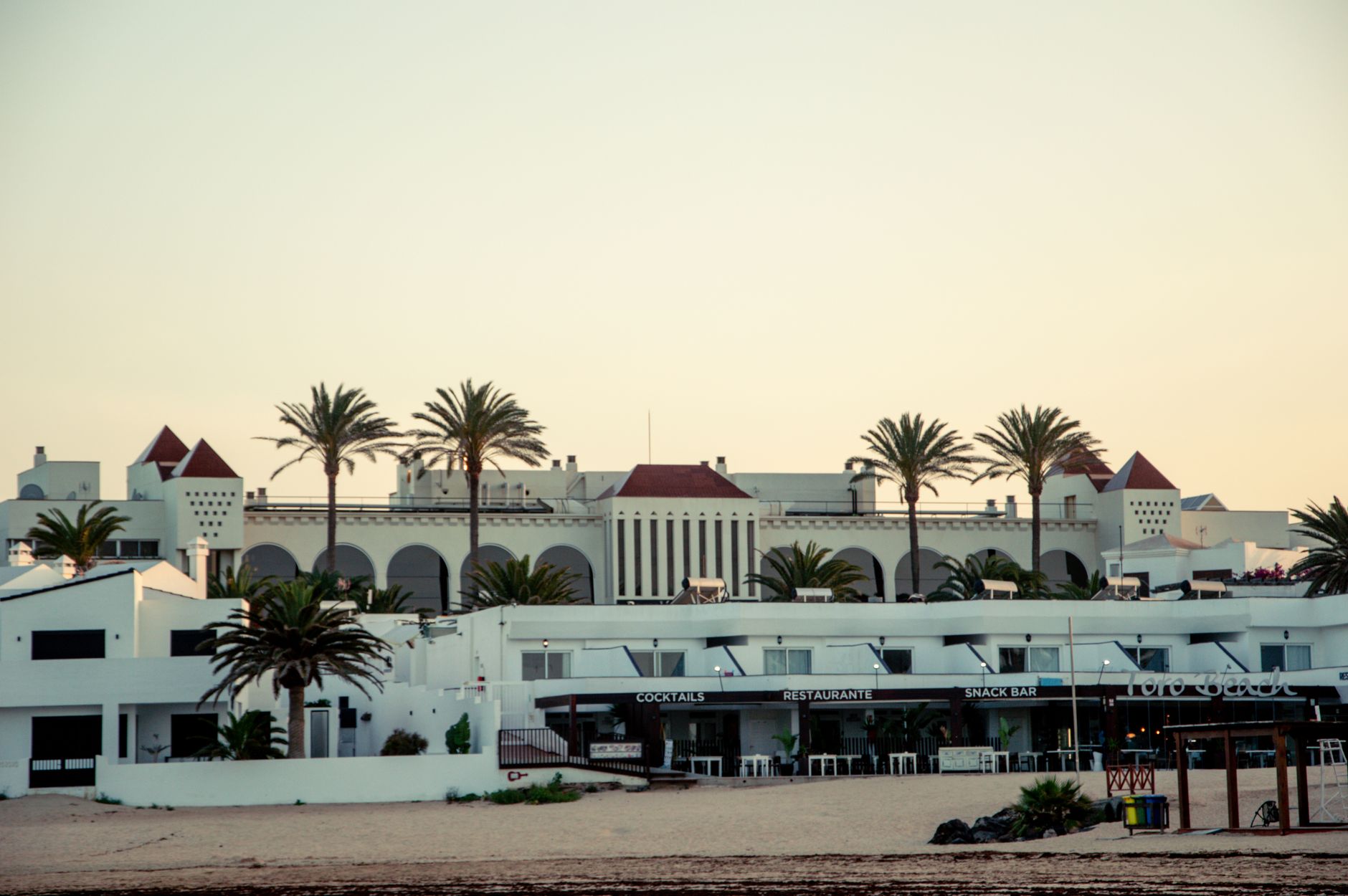
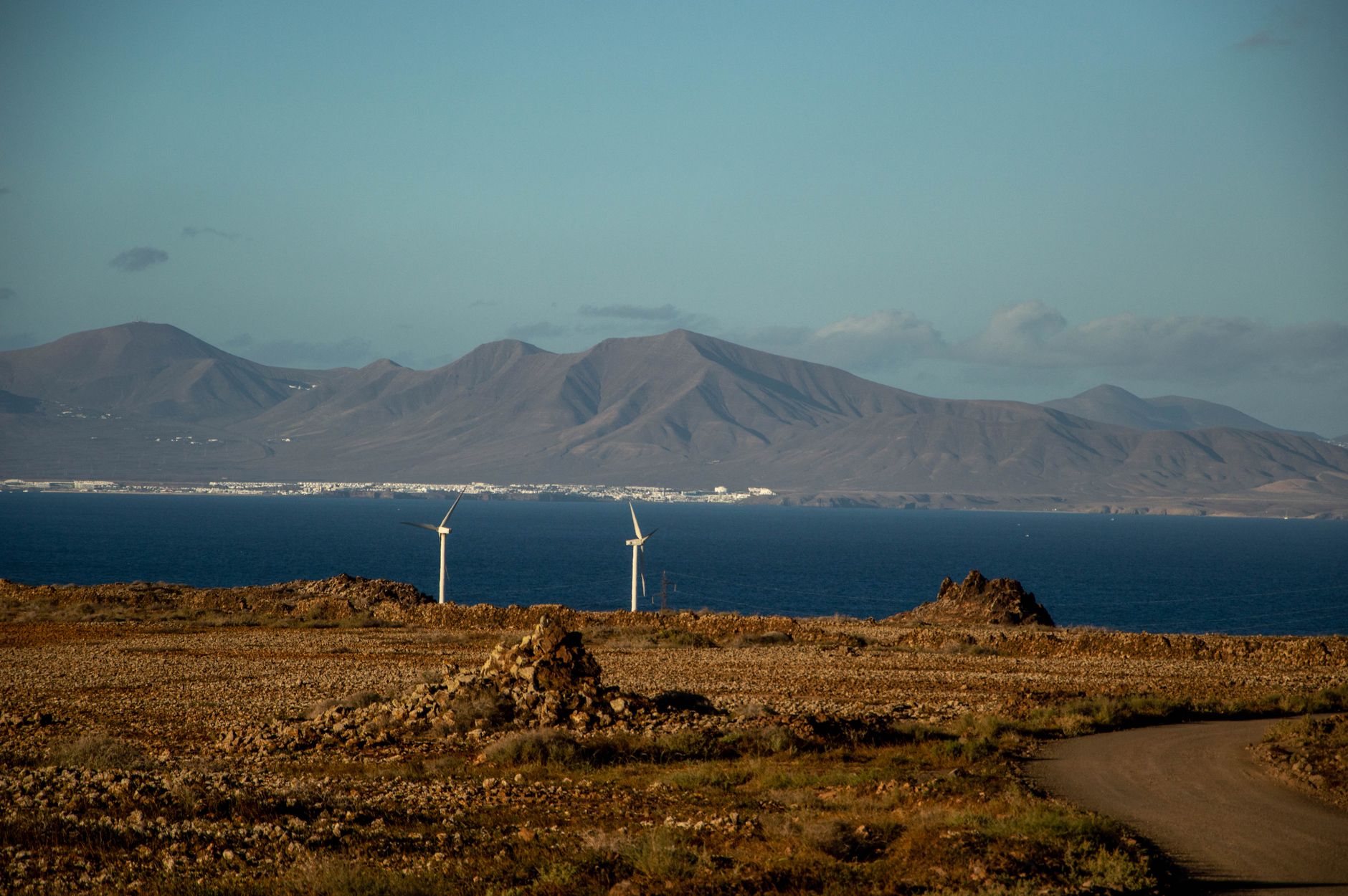
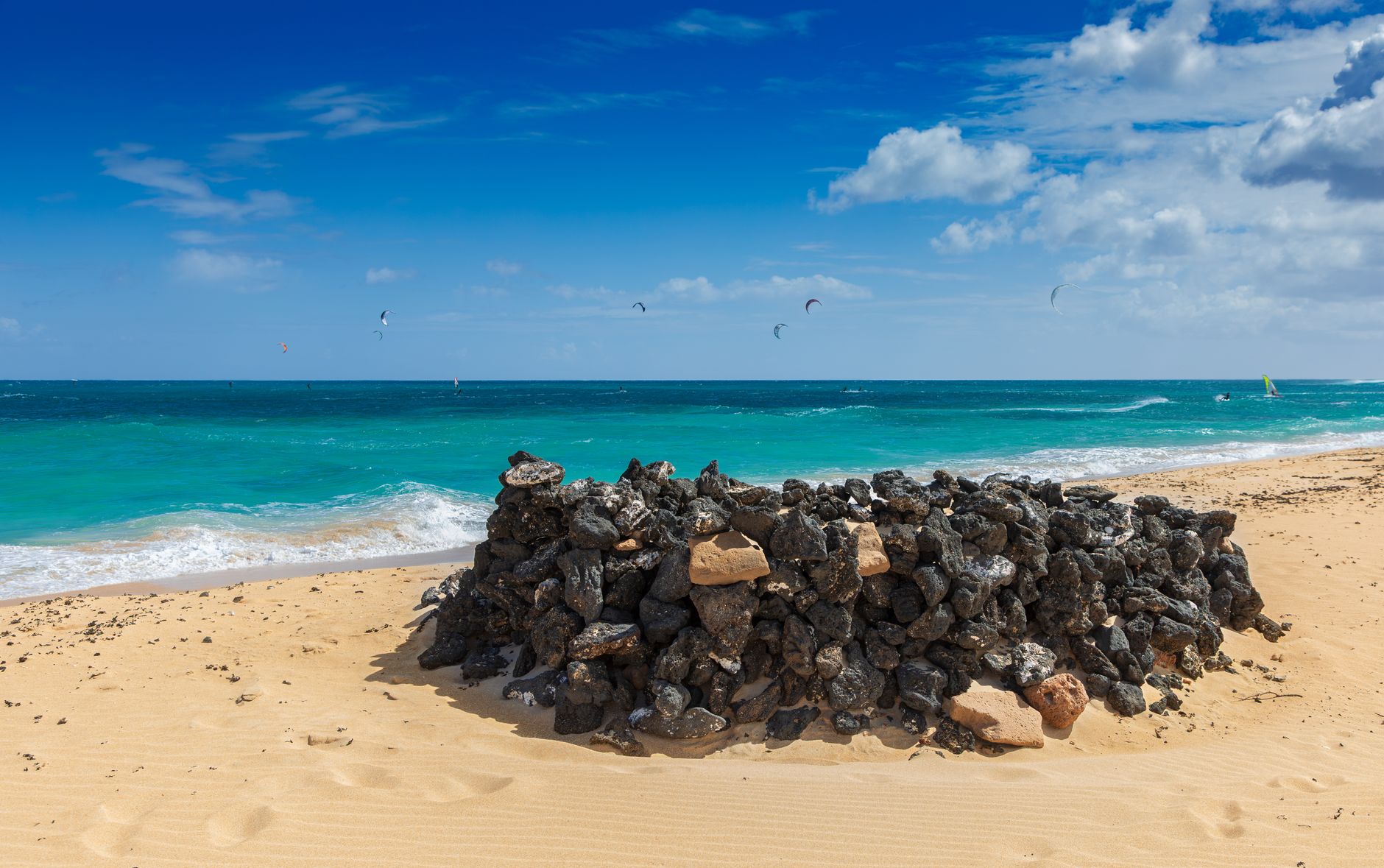
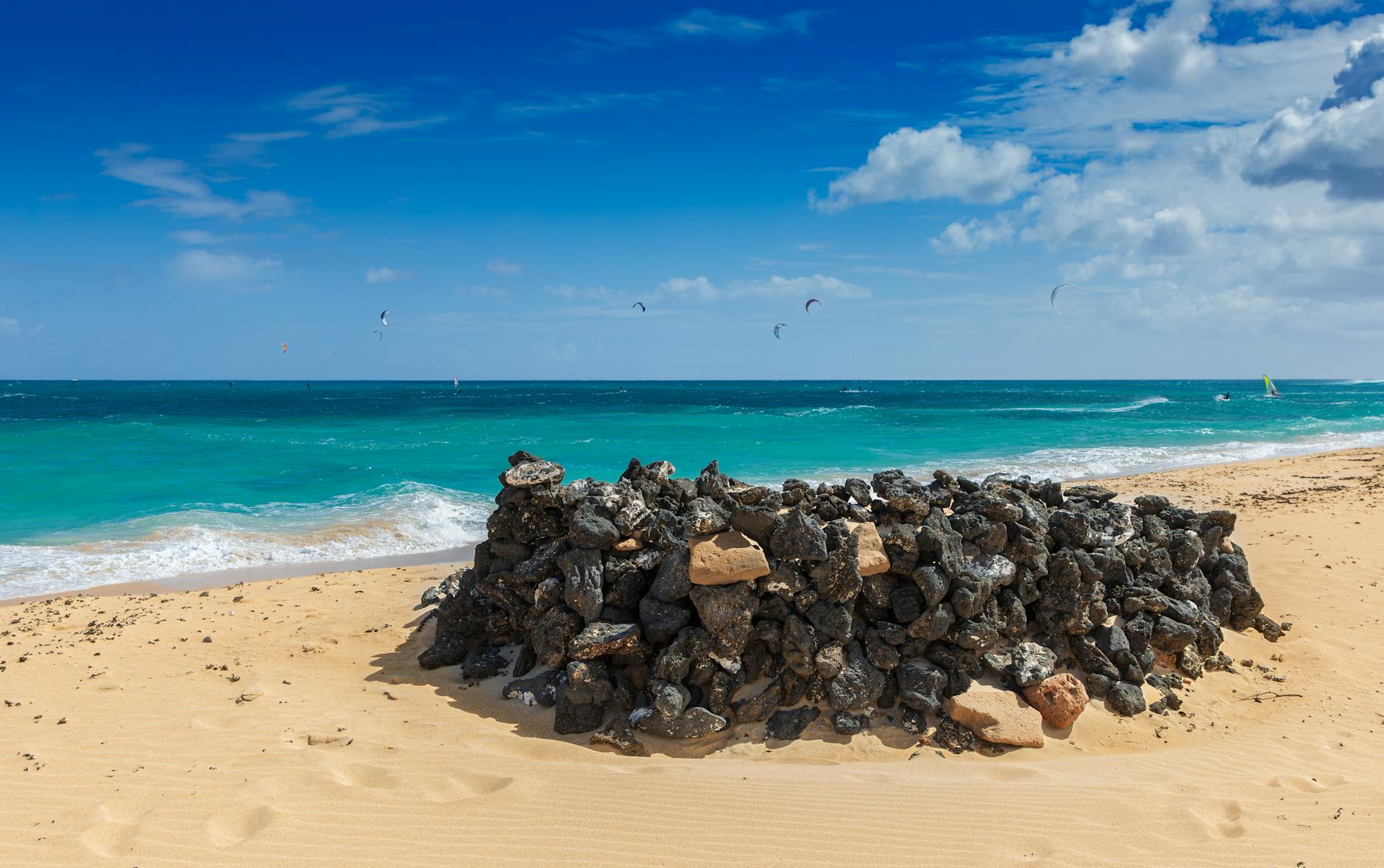
The cobblestones on Calle Marina are worn to a near-polish by generations of fishermen and, more recently, surfers hauling boards down to the water. Corralejo sits at the northern tip of Fuerteventura, and the Atlantic doesn't let you forget it — the northeast trade winds arrive most afternoons in summer with a steady 15–25 knots, and the old whitewashed buildings, their walls thick with volcanic stone, were built specifically to hold their ground against exactly that.
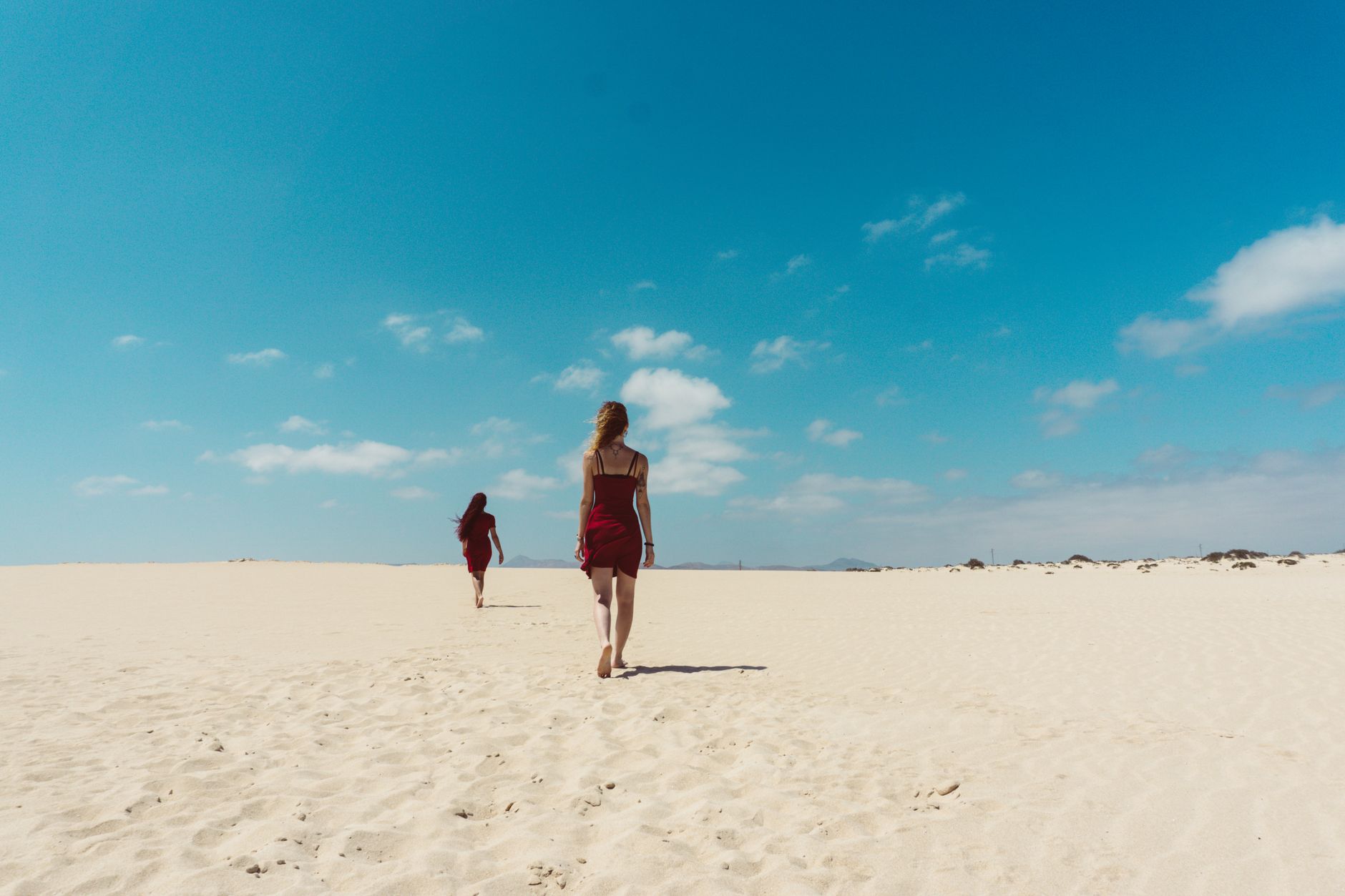
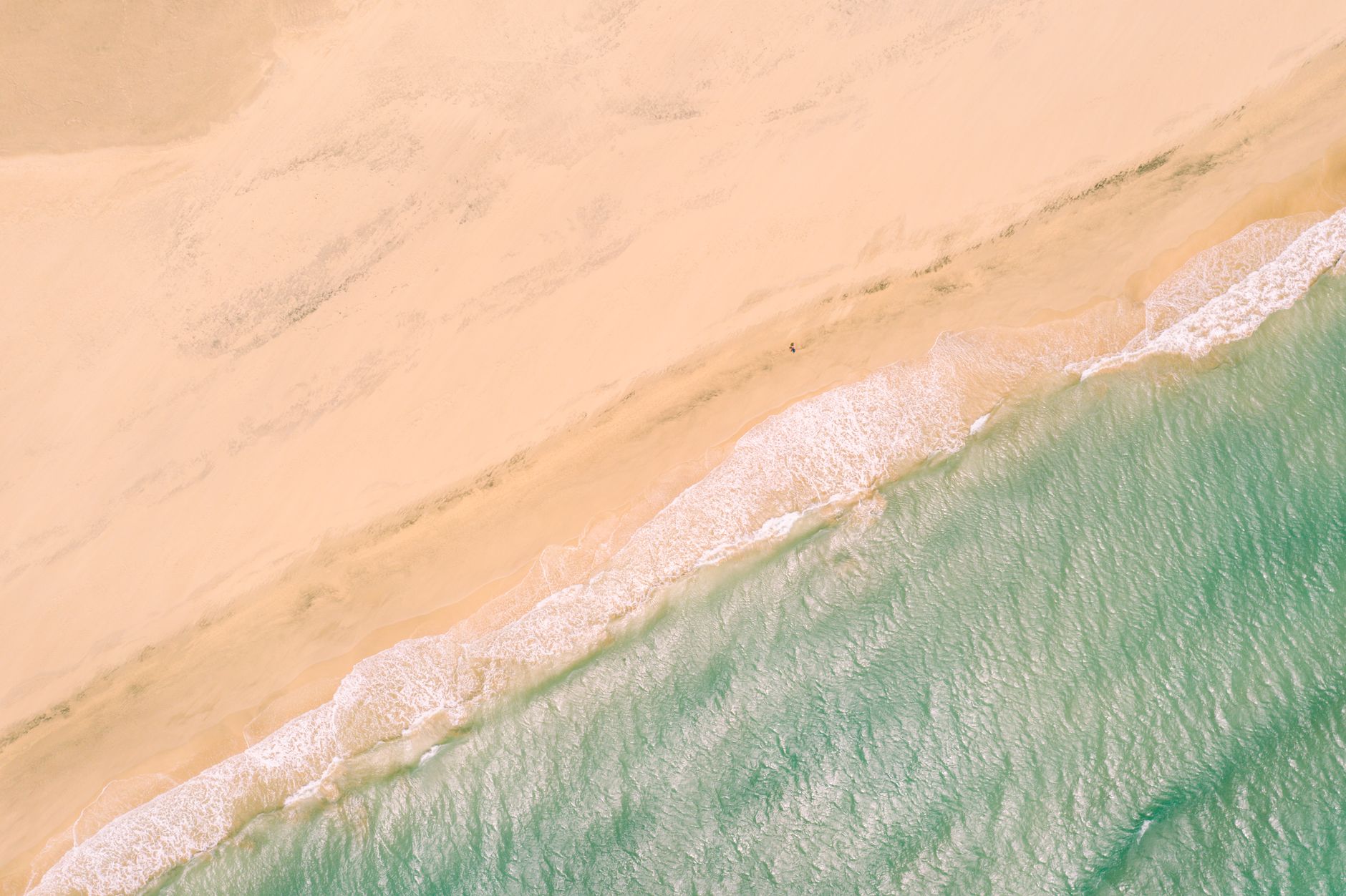
The town has a split personality that it wears without apology. Behind the harbor, narrow streets barely wide enough for two people lead past courtyards where fishing nets still dry alongside herb gardens. Two miles to the south, the dunes of Corralejo Natural Park begin — eleven kilometres of protected sand that survived the development boom of the 1970s and 1980s by the narrowest of margins.
💛 What travellers fall for
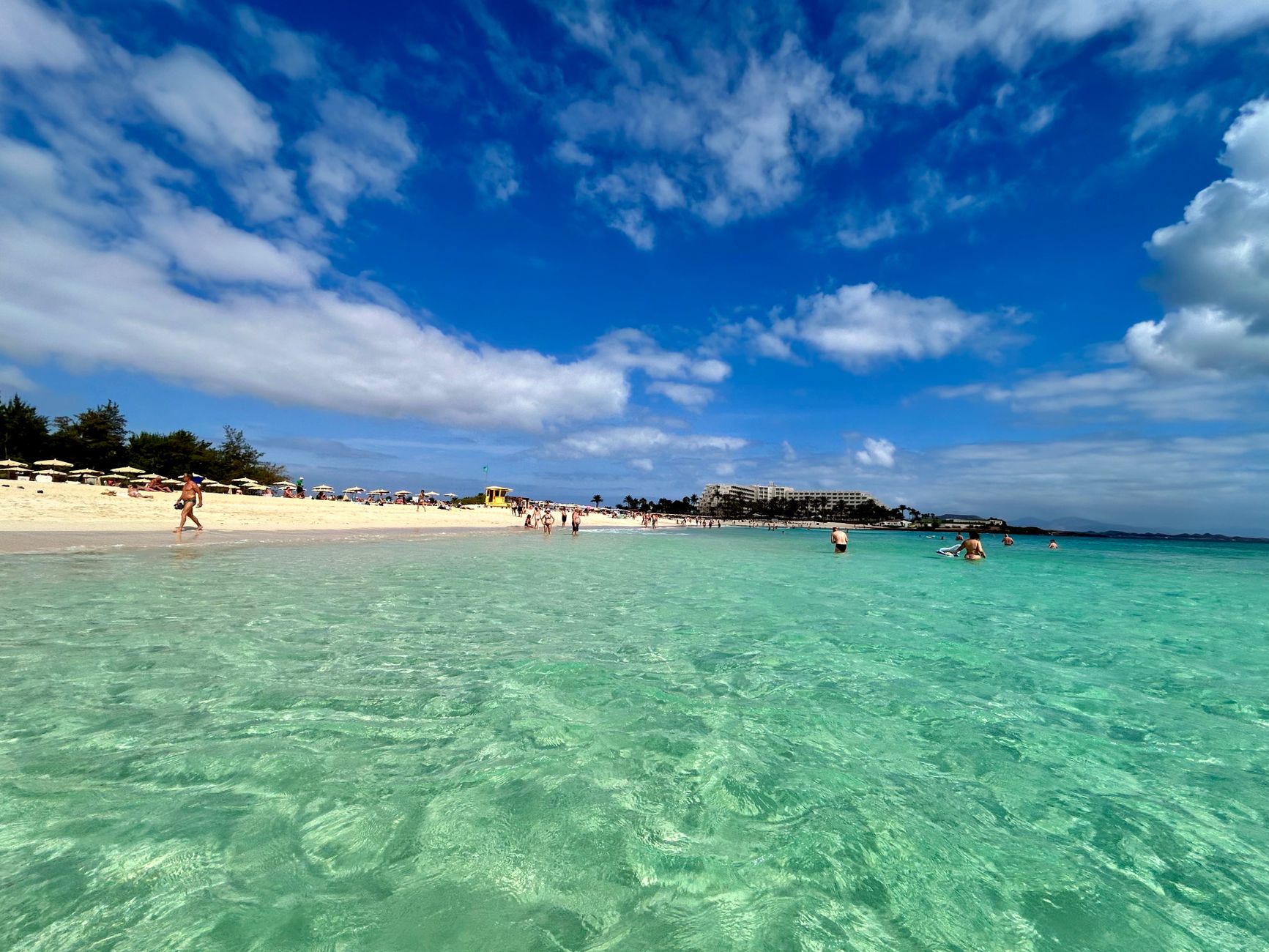
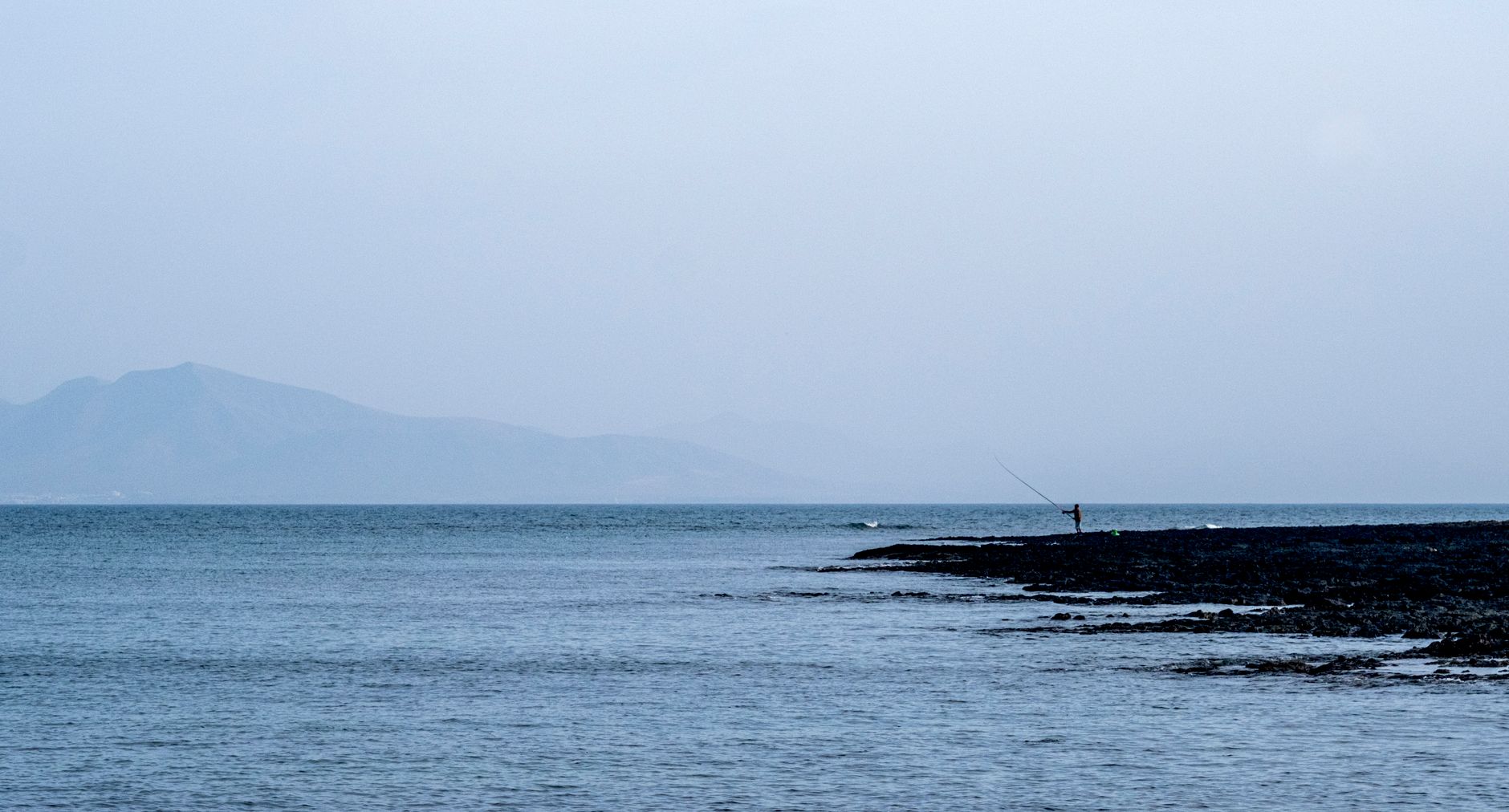
People who come back tend to go straight to Playa de Corralejo Viejo at low tide, when you can walk out waist-deep with Lobos Island's volcanic outline directly ahead. They also catch the early ferry to Isla de Lobos before the day-trippers arrive, and they eat somewhere on the old harbor rather than the main strip.
Experiences you don't want to miss



Deals in Corralejo
Book directly at the provider
How Corralejo came to be
Corralejo has no grand founding moment — oral tradition puts a settlement here around 1810, though some accounts suggest nothing much existed until the 1850s. The name likely traces back to the area's use for coastal cattle. For most of the 19th and early 20th centuries it answered to the municipality of La Oliva, a small fishing cove rather than a town.
The 1600s brought pirates to the coast; the 1950s brought the first resort visitors. The first hotel opened in 1969, and through the 1970s and 1980s tourism migrated steadily north from the island's south. The dunes that now define the place came close to being built over entirely before Corralejo Natural Park was established in 1982, drawing a line in the sand that held.
Who and what shaped it
Landmark buildings
See Corralejo in motion
Plan your visit
On the map
When to go
Temperatures stay remarkably even year-round — around 22°C on average, peaking at 25°C in September and dipping to 19°C in February — with barely 112mm of rain falling across the whole year. Summer brings the longest days and the strongest trade winds; winter is mild and noticeably calmer, with occasional Atlantic cloud but rarely much rain.
Right now
Background & history adapted from Wikipedia (CC BY-SA) · specs from Wikidata (CC0) · weather from Open-Meteo · map data © OpenStreetMap contributors · photos from Wikimedia Commons / Unsplash with per-image credit. No third-party reviews or social posts reproduced.