
Coney Island
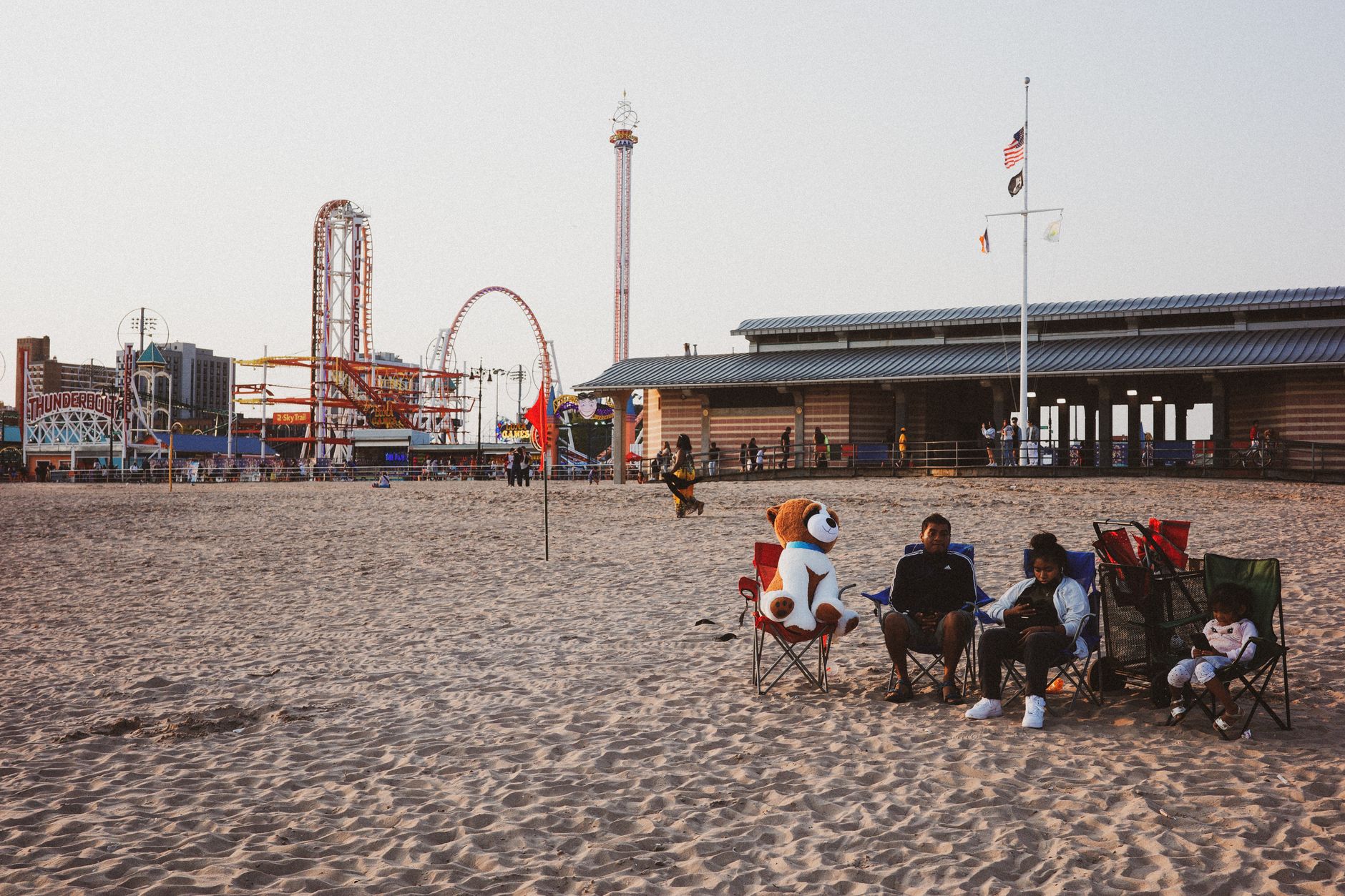
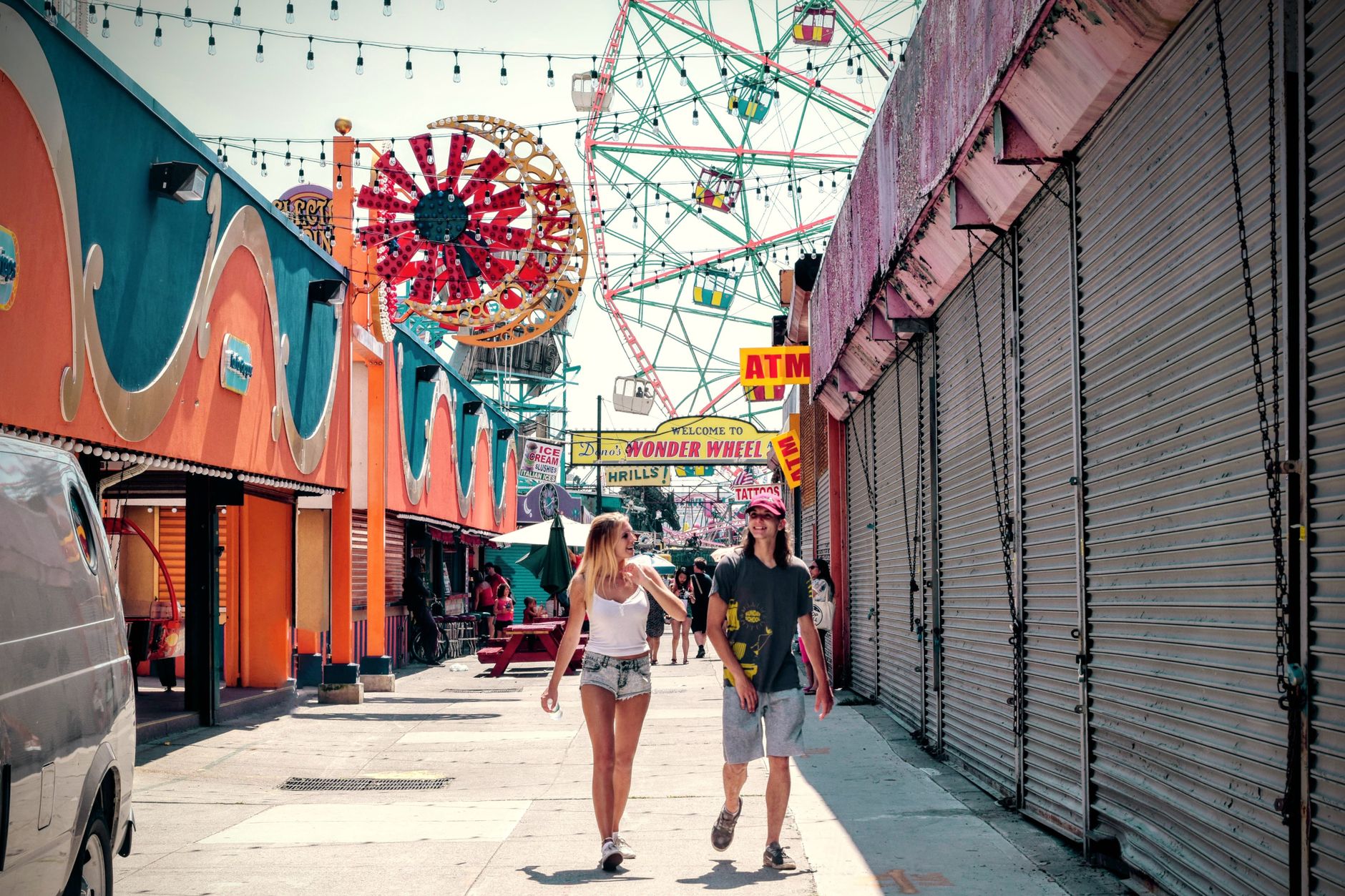
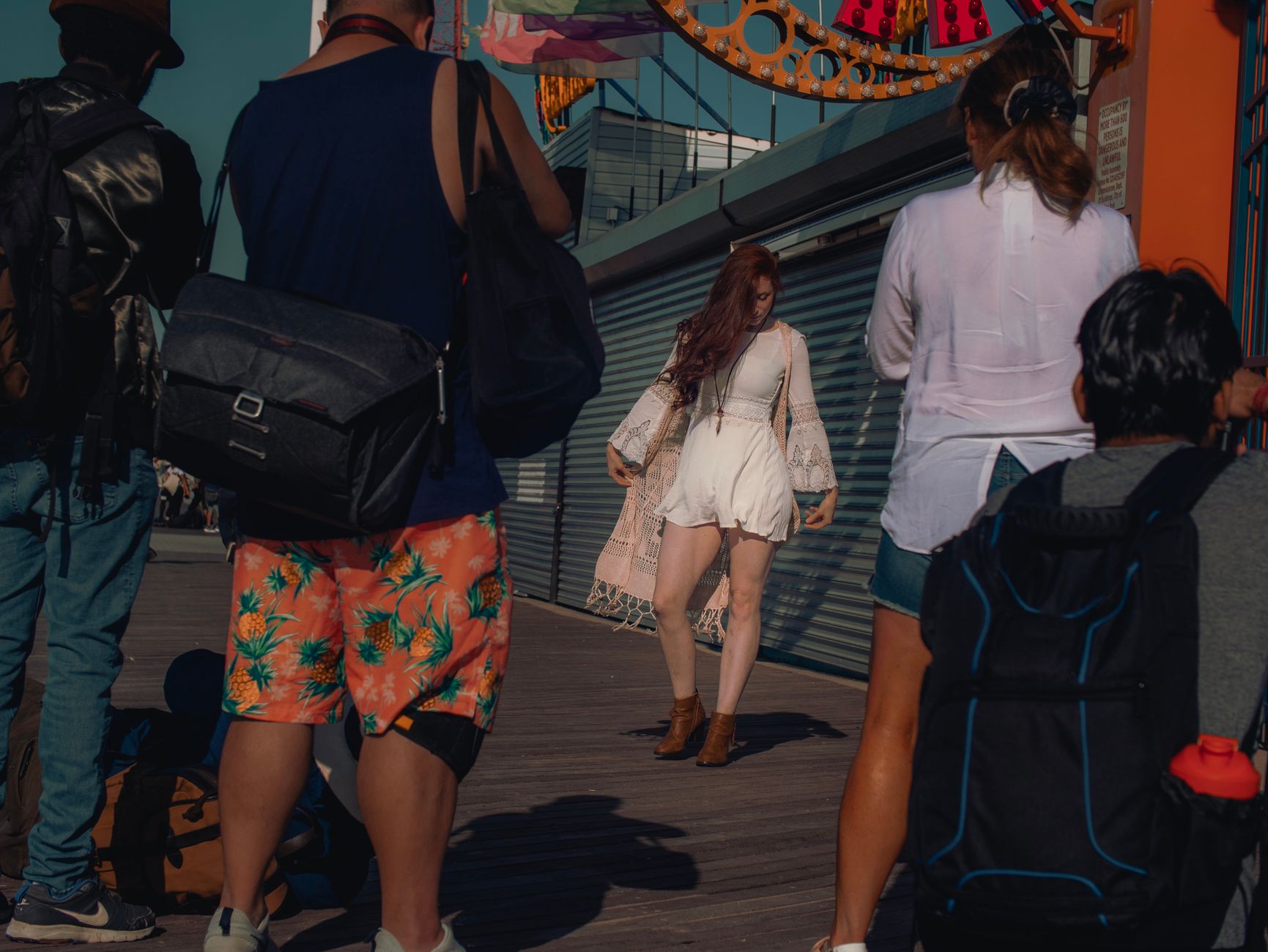
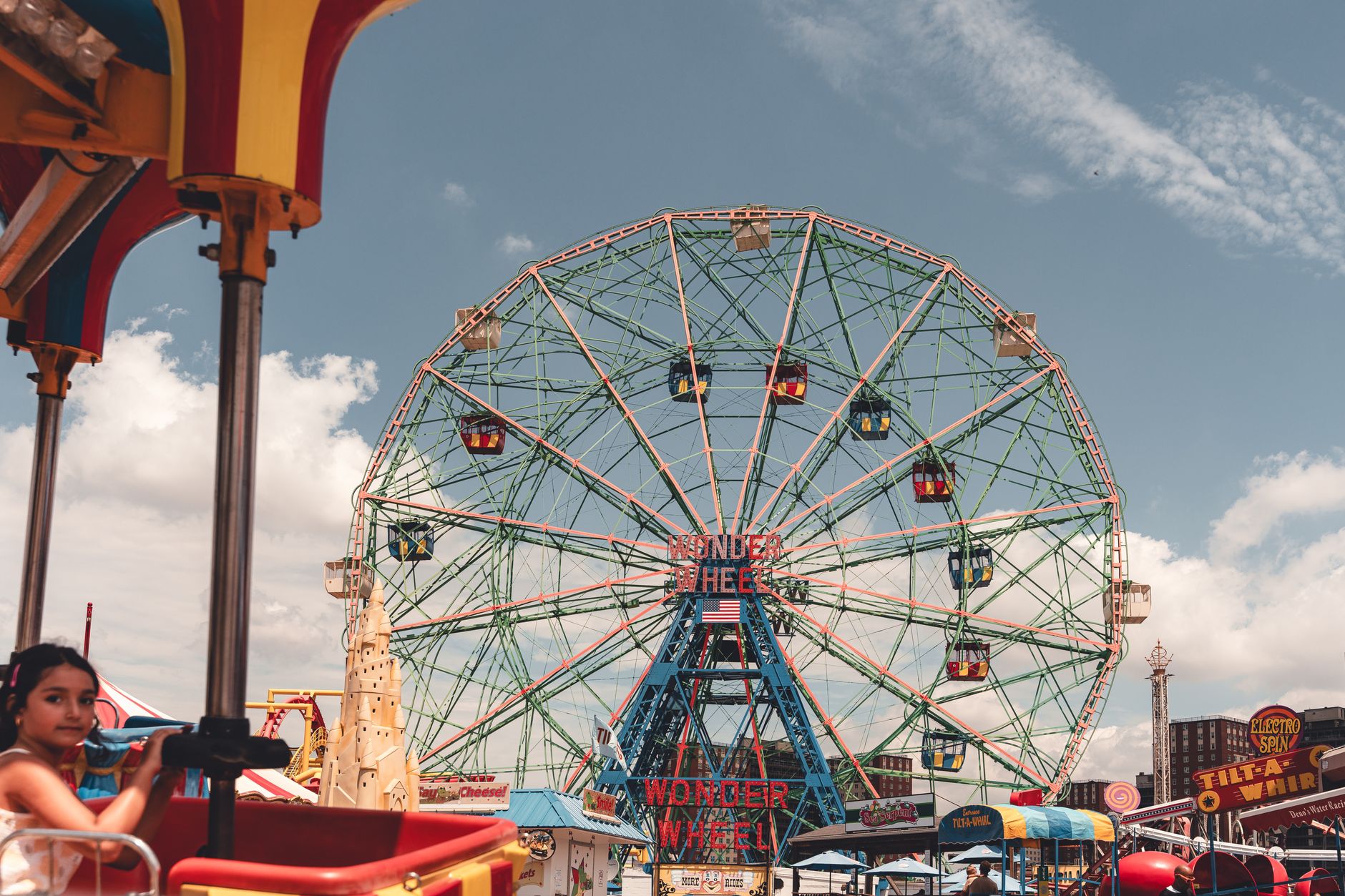
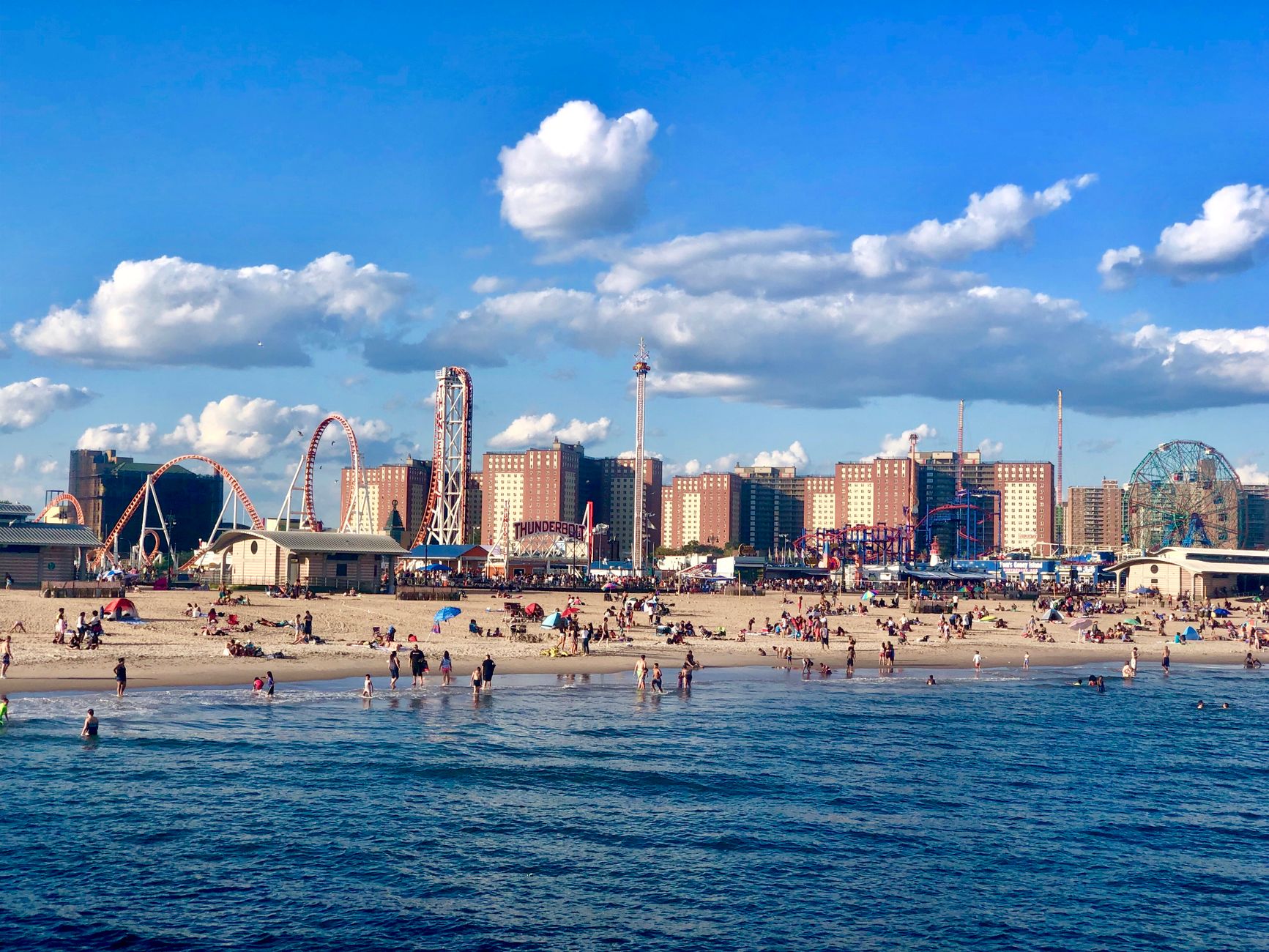
The Cyclone has been rattling riders at 60 miles per hour since 1927, and the Wonder Wheel — all 150 feet and 200 tons of it — has been turning above the Atlantic since 1920. Coney Island is a place that earns its mythology through sheer physical fact: the salt air, the boardwalk planks underfoot, the Nathan's hot dog in hand.
This is the southern tip of Brooklyn, where the subway runs all the way to the sea. What you find here is less a theme park than a layered American landscape — traces of a grander, stranger past sitting alongside the rides and the beach crowds of today.
💛 What travellers fall for
People who return keep a few things consistent: they ride the Cyclone first, before the lines build. They stop at Deno's Wonder Wheel and choose one of the 16 swinging cars over the stationary ones — the difference matters. The Mermaid Parade, held each summer since 1983, is worth planning a whole trip around.
Deals in Coney Island
Book directly at the provider

How Coney Island came to be
Coney Island opened to paying visitors in 1823 when a bridge and toll road gave access across the creek. It spent its first decades as a retreat for the wealthy — the Oriental Hotel arrived in 1876 — before the amusement park era rewrote everything. La Marcus Thompson's Switchback Railway, widely considered America's first roller coaster, debuted here in 1884. Within two decades the peninsula had three competing enclosed parks: Sea-Lion Park (1895), Steeplechase Park (1895), and Luna Park (1903), followed by Dreamland in 1904.
Fire claimed Dreamland in 1911 and the original Luna Park in 1944. Steeplechase closed in 1964. The Cyclone survived, was refurbished and reopened in 1975, and became a city landmark in 1988 and a National Historic Landmark in 1991. Dick Zigun founded Coney Island USA in 1980 and launched the Mermaid Parade in 1983, both instrumental in keeping the place alive through its lean years. A new Luna Park opened in 2010, reclaiming the name and the ground.
Who and what shaped it
People who shaped it
Landmark buildings
See Coney Island in motion
Plan your visit
On the map
When to go
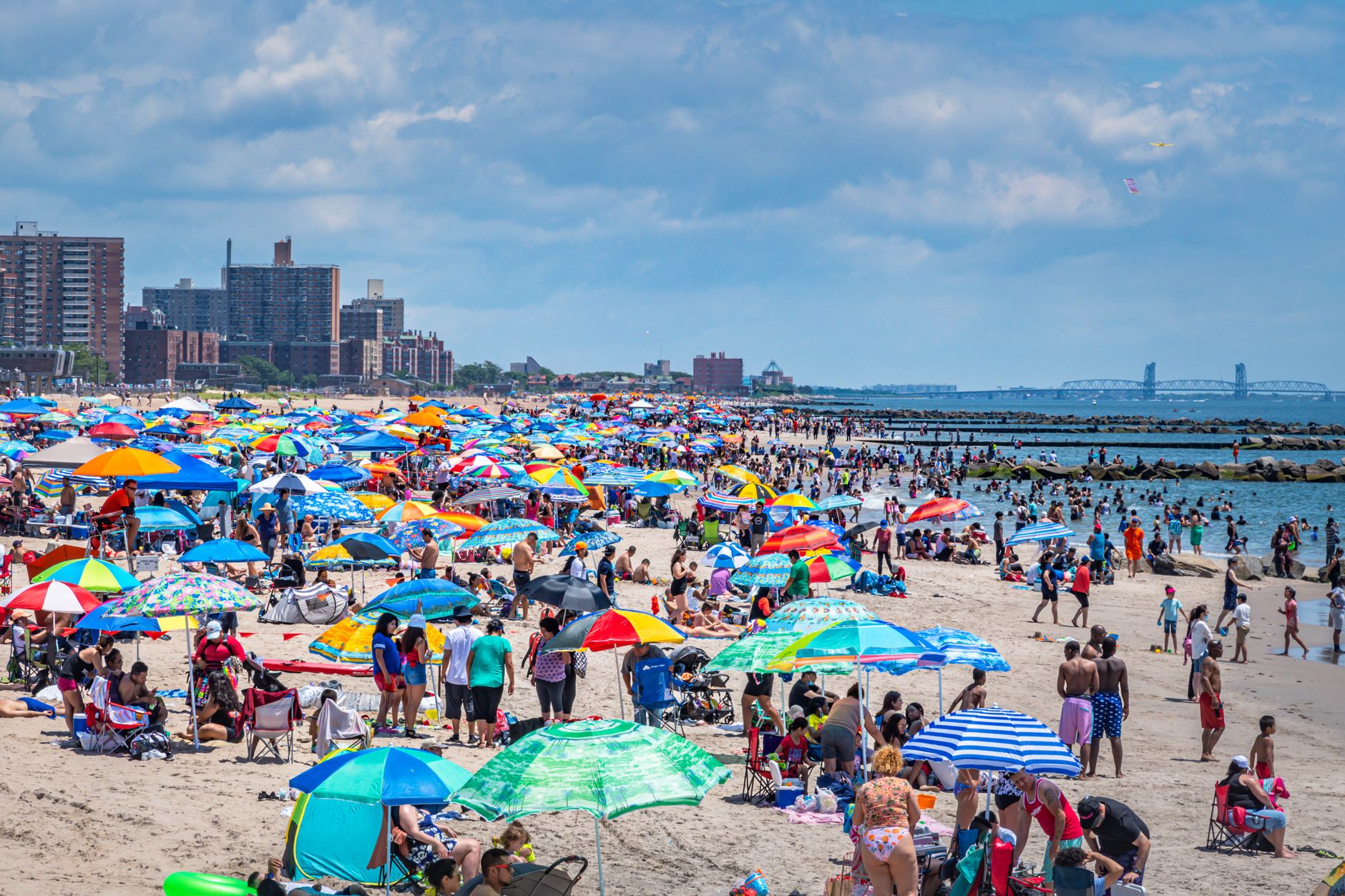
Summers are warm and humid, with ocean breezes that make the boardwalk bearable even on hot days; expect crowds from Memorial Day through Labor Day. Spring and early fall offer cooler, quieter visits — the rides are still running and the light on the water is often better.
Right now
Background & history adapted from Wikipedia (CC BY-SA) · specs from Wikidata (CC0) · weather from Open-Meteo · map data © OpenStreetMap contributors · photos from Wikimedia Commons / Unsplash with per-image credit. No third-party reviews or social posts reproduced.