
Concarneau
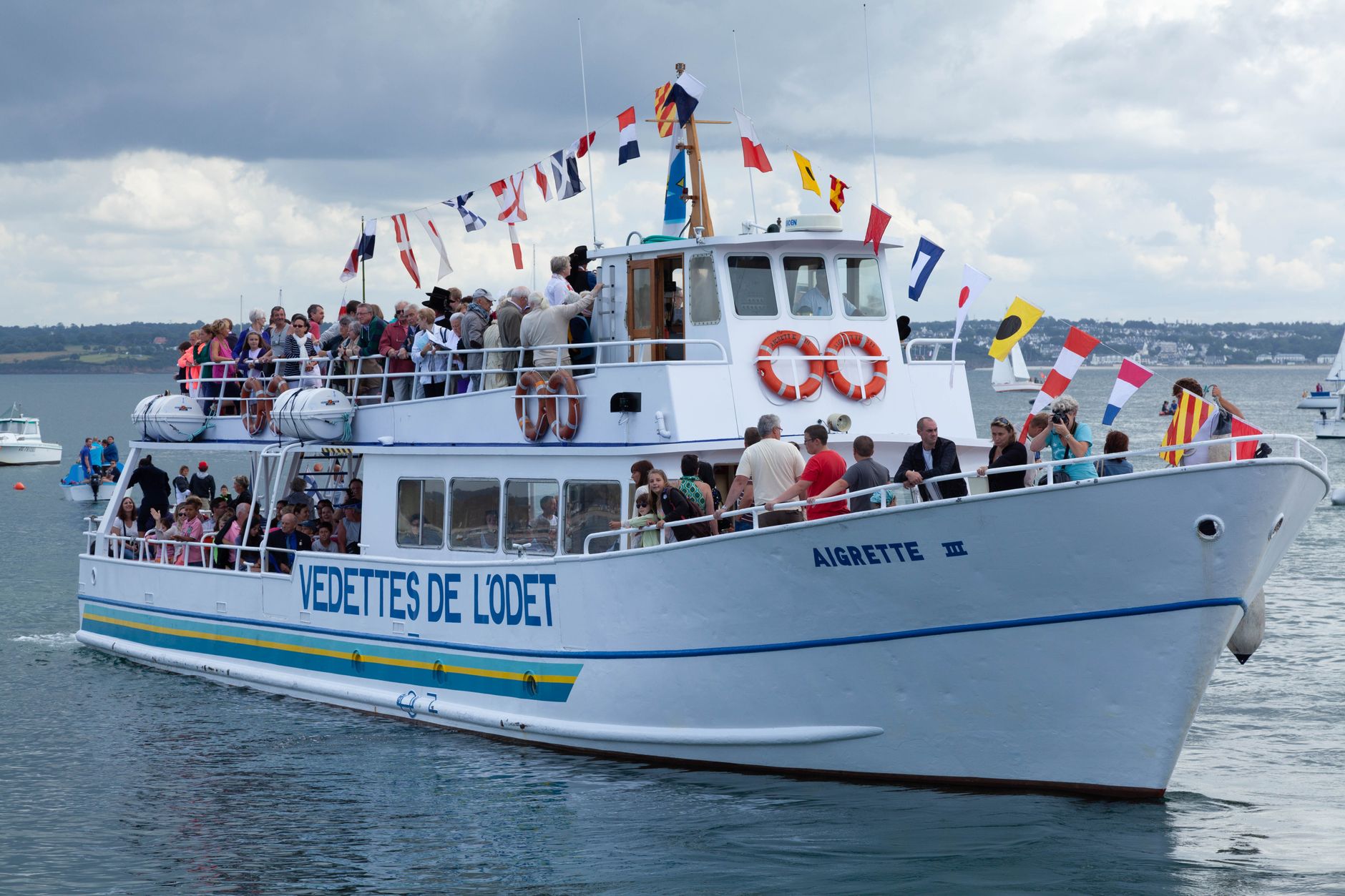
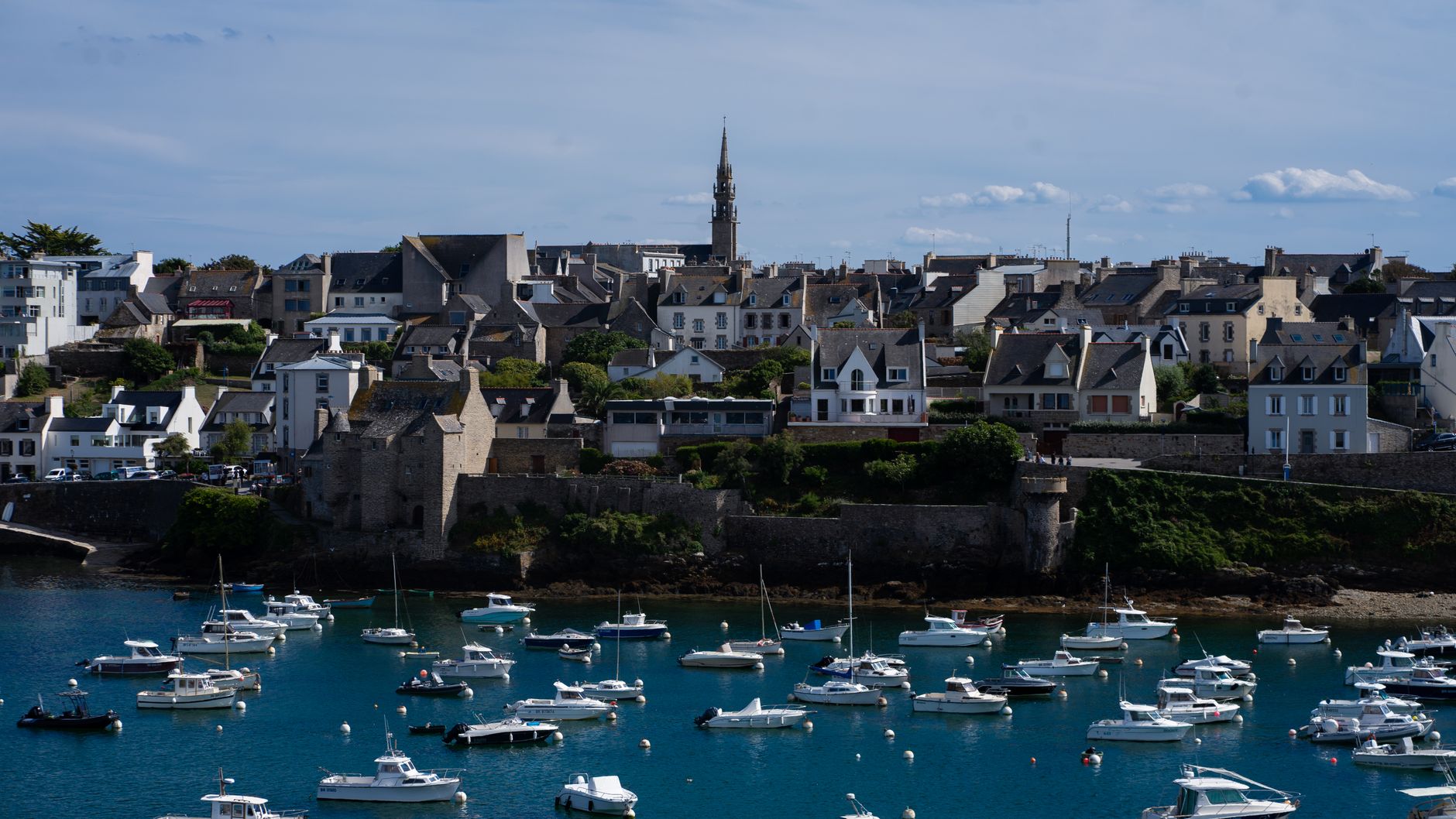
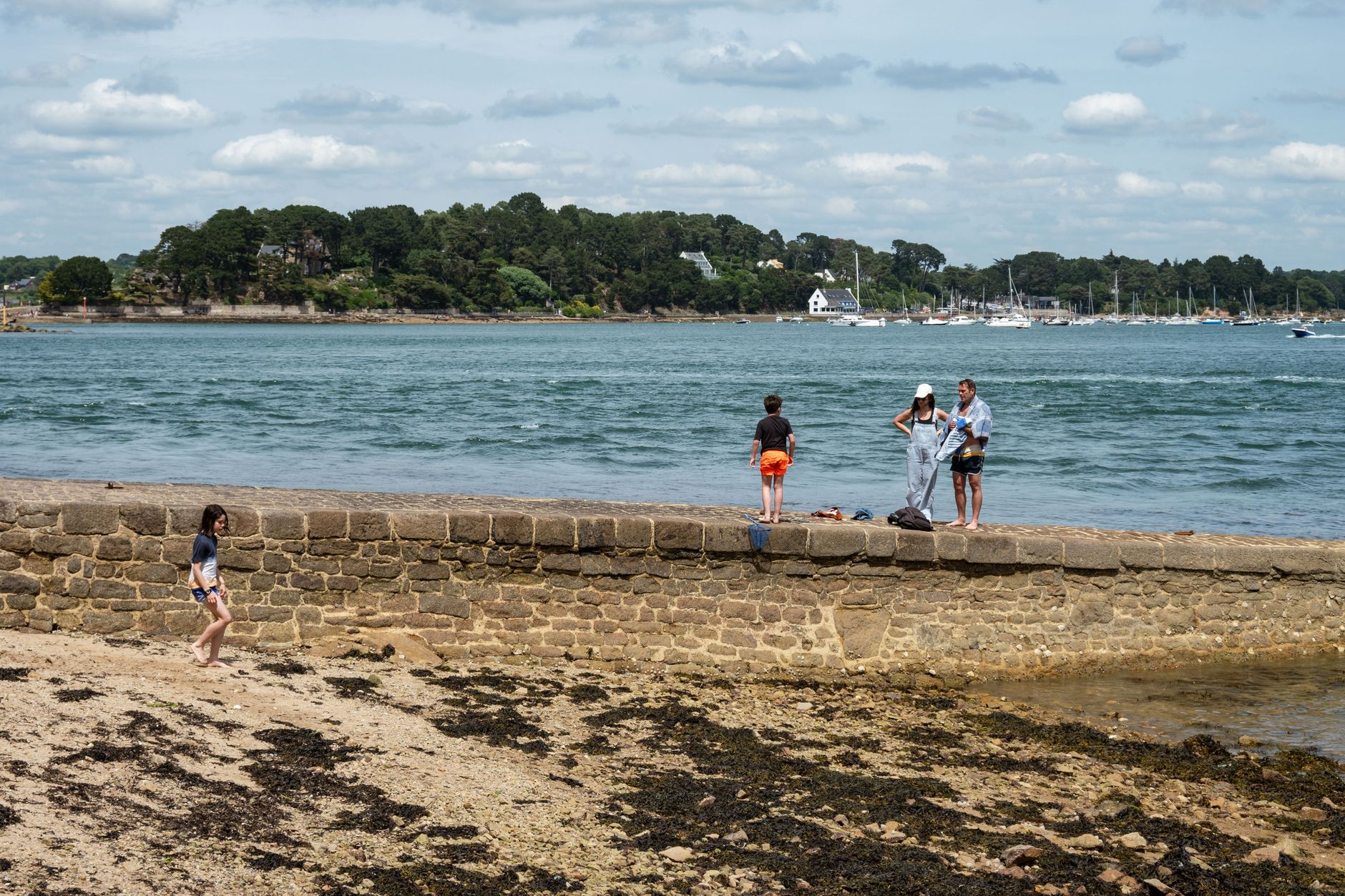
The thing that stops you first is the scale of it: a medieval walled city sitting on a granite islet in the middle of the harbour, 350 metres long, 100 metres wide, connected to the mainland by a drawbridge as if the Middle Ages simply refused to end. Concarneau built its walls in the 13th century, had Vauban remodel them in the 17th, and has been letting visitors walk the ramparts ever since.
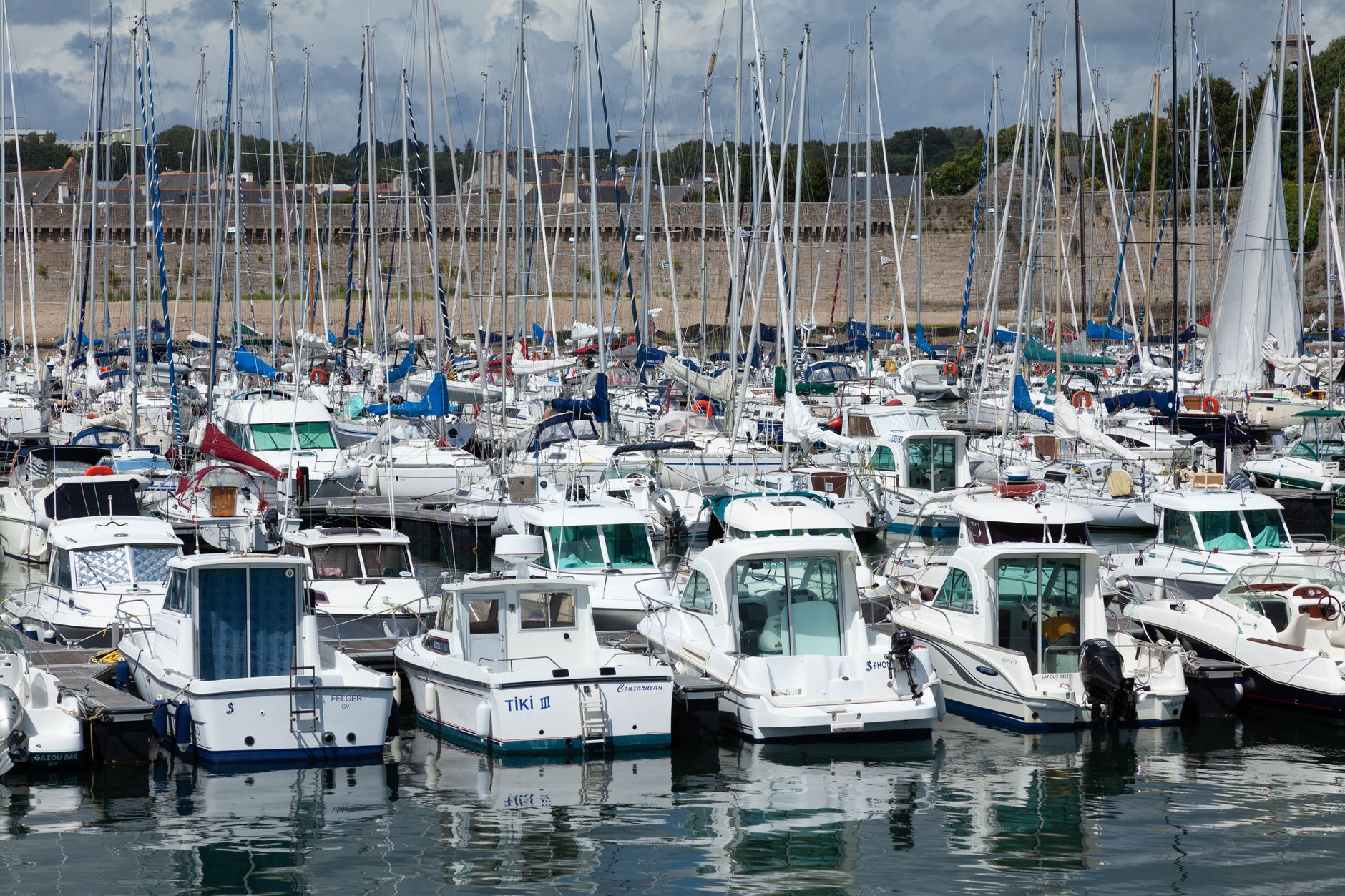
Beyond the Ville Close, this is a working fishing port — third largest in France as recently as 1962 — with a fish market that opens at six in the morning and a marine research station, founded in 1859, that is still the oldest active one on earth.
💛 What travellers fall for
People who come back tend to mention the same ritual: arriving at the Ville Close before the tour groups, walking the full circuit of the ramparts in twenty minutes while the harbour is still quiet, then finding coffee on the mainland side. The Marinarium earns its forty-five minutes, especially with children. The Château de Keriolet, out in the hills, rewards the detour.
Experiences you don't want to miss


Deals in Concarneau
Book directly at the provider


How Concarneau came to be
Concarneau's site was in use long before the walls went up — a prehistoric burial site nearby dates to the 4th millennium BC. The medieval town grew on a rocky islet in the Moros estuary, sheltered by a keep and fortified tower between the 12th and 15th centuries; by the end of the 15th century it was considered Brittany's fourth stronghold. Vauban's engineers reworked the granite ramparts in the 17th century, and the nine towers and three gates you walk today largely reflect that intervention.
The 19th century added a different kind of industry. Canning factories spread beyond the old walls from 1850 onward — thirty-two of them by the early 20th century. In 1792 the fishing fleet had numbered 300 rowboats; by 1962 the port ranked third in France. Professor Victor Coste of the Collège de France established the Marine Station here in 1859, and it has run continuously ever since.
Who and what shaped it
People who shaped it
Landmark buildings
See Concarneau in motion
Plan your visit
On the map
When to go
August averages a daytime high of around 21°C — warm enough for the harbour and the rampart walk, cool enough to be comfortable. February sits around 11°C; the Ville Close is quieter then, and the light on the granite is worth it if you dress for the Atlantic wind.
Right now
Background & history adapted from Wikipedia (CC BY-SA) · specs from Wikidata (CC0) · weather from Open-Meteo · map data © OpenStreetMap contributors · photos from Wikimedia Commons / Unsplash with per-image credit. No third-party reviews or social posts reproduced.