
Cobija
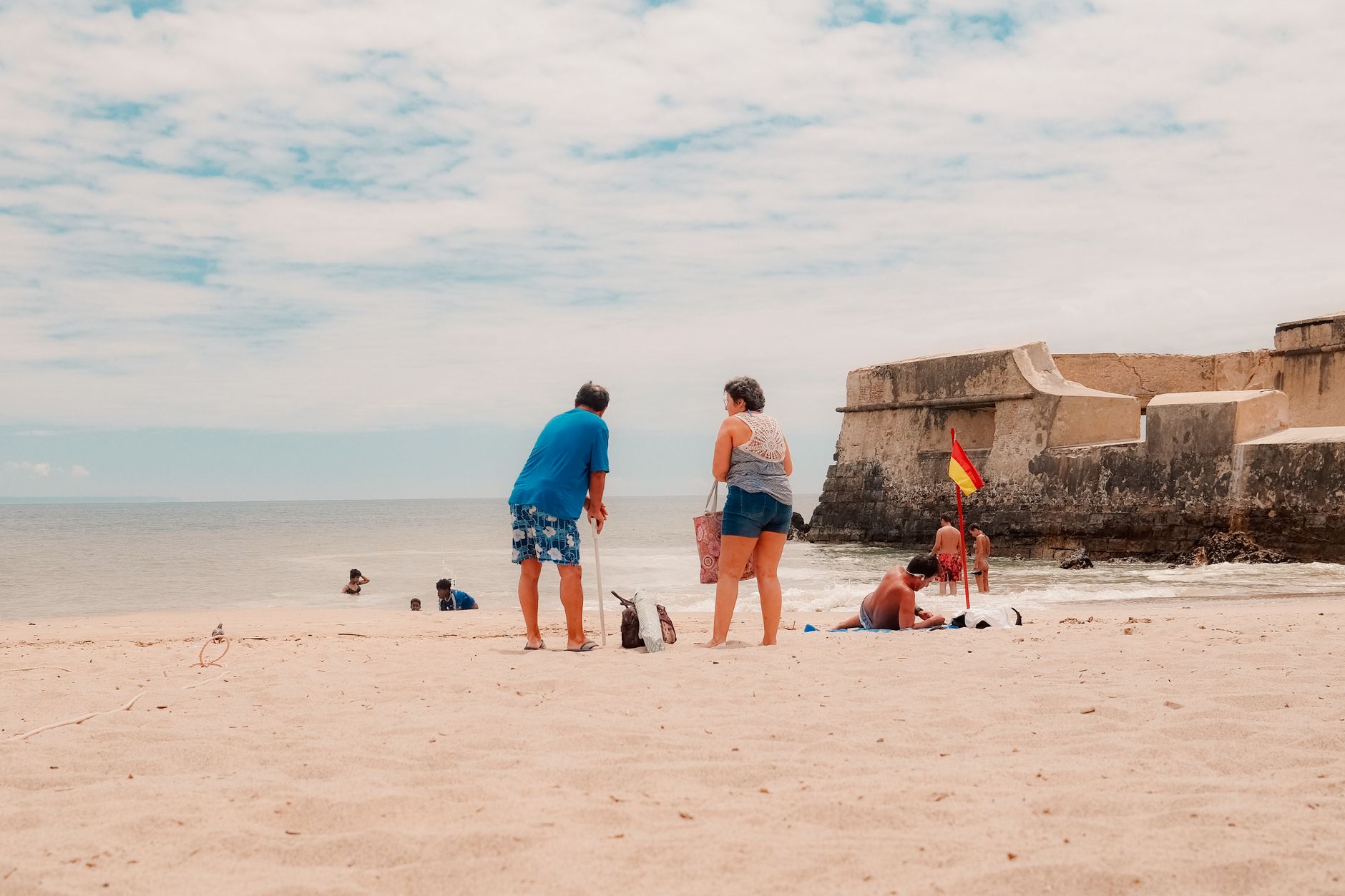
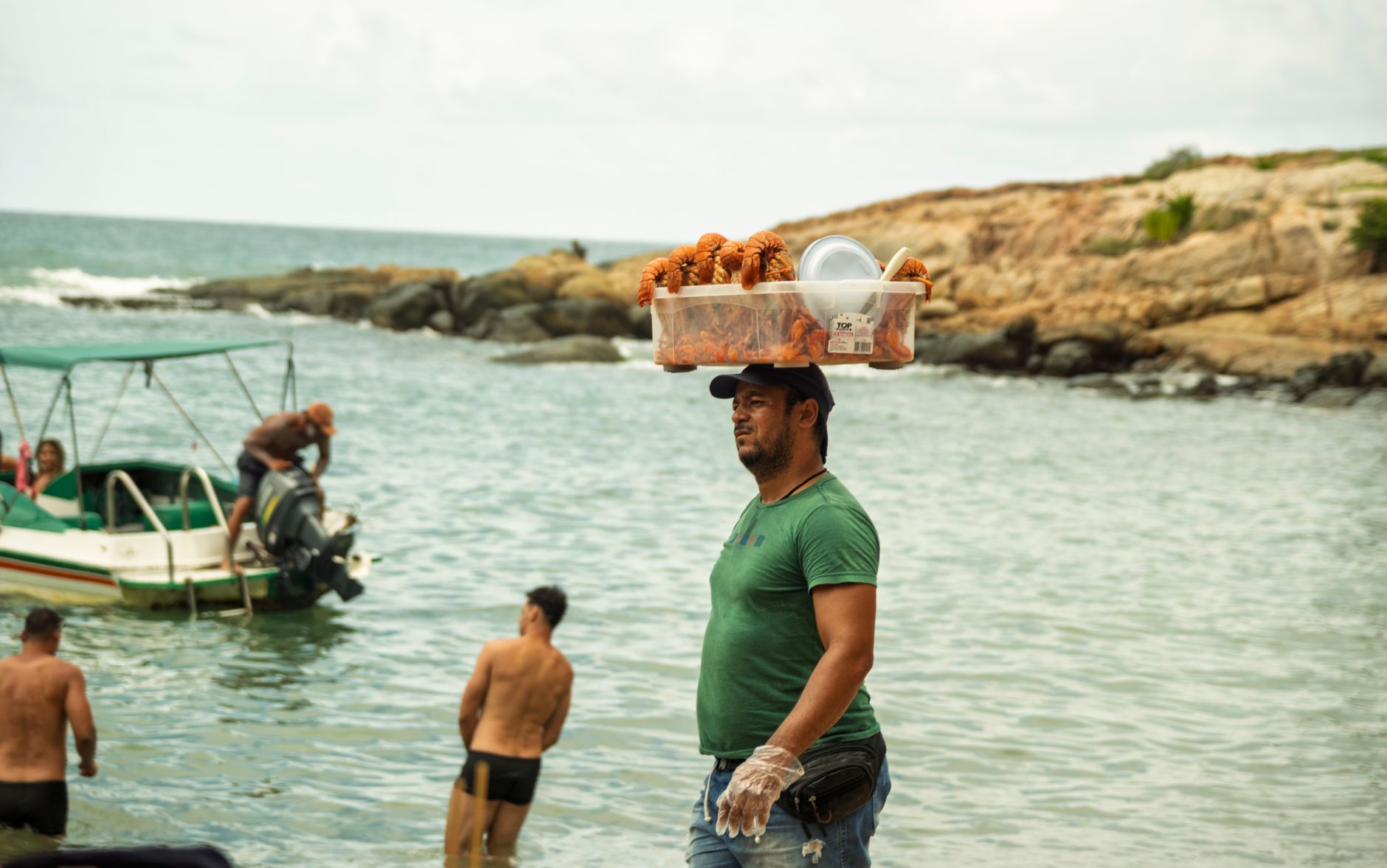
Cobija sits on a sharp bend of the Acre River where Bolivia meets Brazil, and the boundary between the two countries is more suggestion than wall. On the waterfront at dusk, small wooden boats cross the orange-lit water between this city and the Brazilian town of Brasiléia on the far bank, and you'll hear Portuguese as often as Spanish in the market stalls. It's the capital of Bolivia's Pando Department — the country's least-visited, most forested corner — and it carries the particular energy of a frontier town still figuring out what it wants to be.
The economy runs on Brazil nuts harvested from the surrounding rainforest, cross-border commerce, and an airport that pulls in traders from La Paz and Santa Cruz. Plaza Colón anchors the city centre, where a neo-Gothic cathedral, a clock tower, and the Municipal Palace occupy the same square, giving it a civic weight that surprises first-time arrivals.
💛 What travellers fall for
People who come back tend to mention the same two things: catching sunset from the riverbank when the Acre turns gold and the boats are still moving, and spending a morning at the Museo Histórico Ernesto Alberto Lavadenz with its rubber-era artifacts and Acre War documents — quieter and more absorbing than it looks from the outside. Agree on a mototaxi fare before you climb on.
Deals in Cobija
Book directly at the provider


How Cobija came to be
Cobija was founded on February 9, 1906, by Colonel Enrique Cornejo as a settlement called Bahía — a deliberate act of territorial claim in the aftermath of the Acre War (1899–1903). The Treaty of Petrópolis in November 1903 had ceded the Acre territory to Brazil, and Bolivia needed a foothold on what remained of its northern Amazon frontier. Two years before Cornejo arrived, the Battle of Bahia in 1902 had already written itself into local memory: Bruno Racua, a Tacana fighter, reportedly destroyed an enemy ammunition depot with a flaming arrow.
The settlement was renamed Cobija in 1908 — a deliberate echo of the Pacific port Bolivia had lost to Chile in the War of the Pacific (1879–1884), a country naming a wound. The rubber boom brought brief prosperity, then collapsed, leaving a small and isolated town. Today the economy has reoriented around Brazil nuts and cross-border trade, and the city's indigenous communities — Ese Ejja, Tacana, Cavineño, and others — remain a living thread through that longer history.
Who and what shaped it
People who shaped it
Landmark buildings
See Cobija in motion
Plan your visit
On the map
When to go
Cobija is the rainiest capital in Bolivia, receiving close to 2,000 mm a year, so timing matters. May through September brings lower humidity and far less rain — the window when forest tracks stay passable and the river trips are easiest to arrange. The wet season peaks in January and February, when afternoon thunderstorms are heavy and the single road connecting Cobija to the rest of Bolivia can become impassable.
Right now
Background & history adapted from Wikipedia (CC BY-SA) · specs from Wikidata (CC0) · weather from Open-Meteo · map data © OpenStreetMap contributors · photos from Wikimedia Commons / Unsplash with per-image credit. No third-party reviews or social posts reproduced.