
Champéry
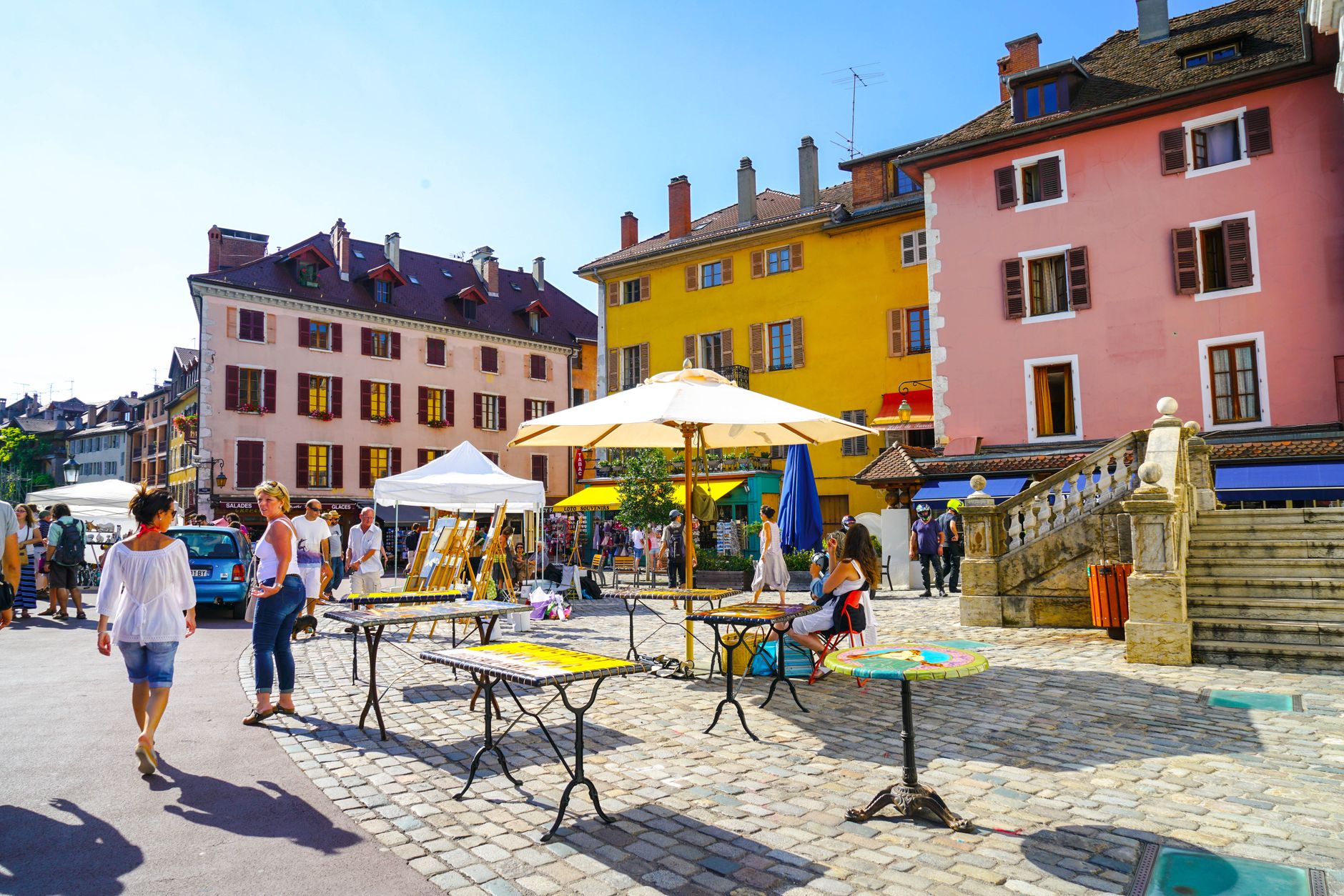
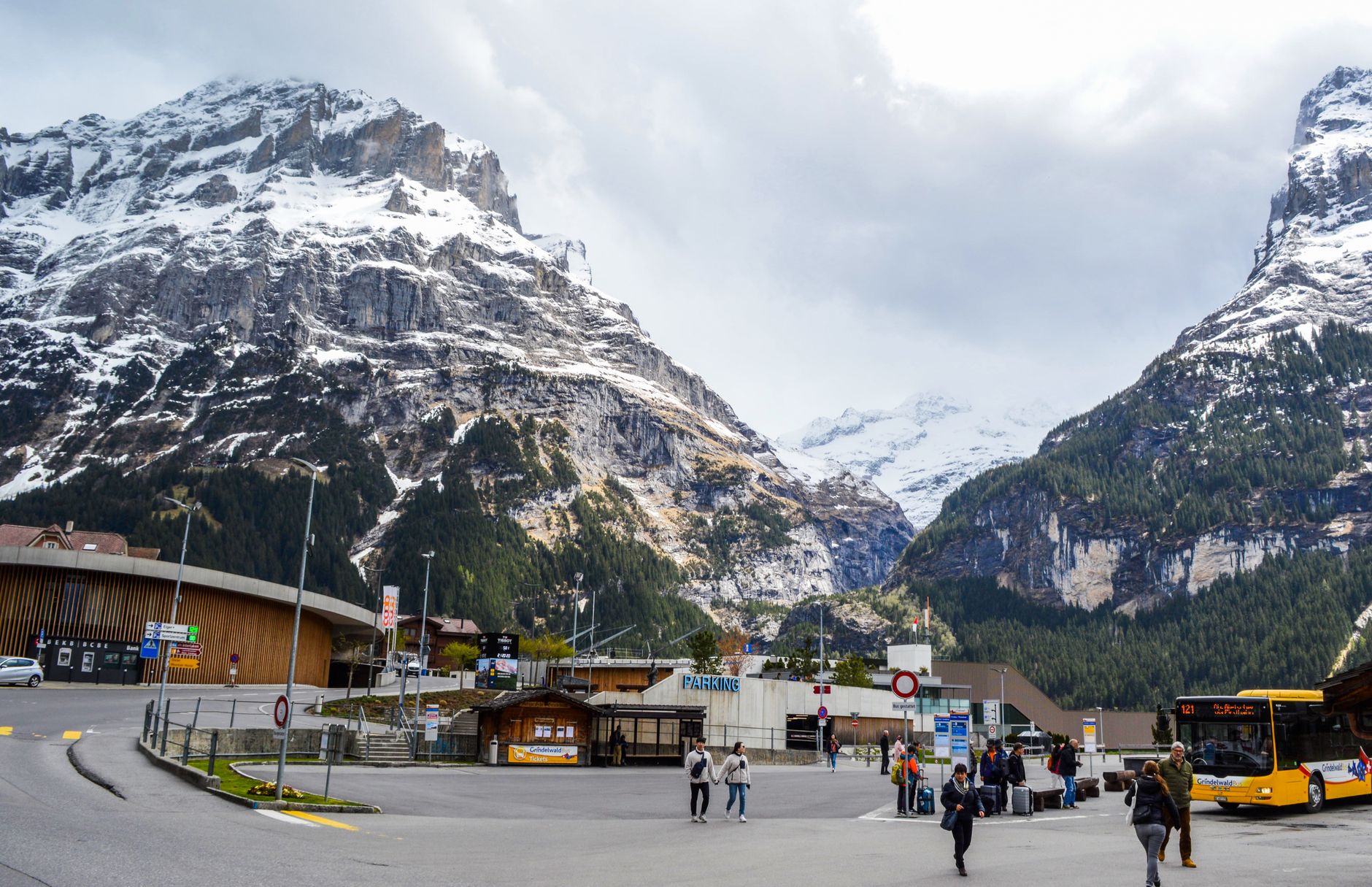
The name Champéry comes from a man called Pery — apparently the first person to settle this particular fold of the Val d'Illiez — and that founding logic still holds: this is a village that rewards the specific, not the general. The wooden houses along Rue du Village have open upper gables built to ventilate stored hay, a detail called a toit en sifflet, a whistle roof, and once you know to look for them you see them everywhere.
At 1,050 metres, Champéry sits low enough to feel like a working village rather than a ski resort, yet a red-and-white cable car hauls you to 2,000 metres in under five minutes and deposits you into the Portes du Soleil — 650 kilometres of ski terrain straddling France and Switzerland, the largest linked ski area in the world.
💛 What travellers fall for
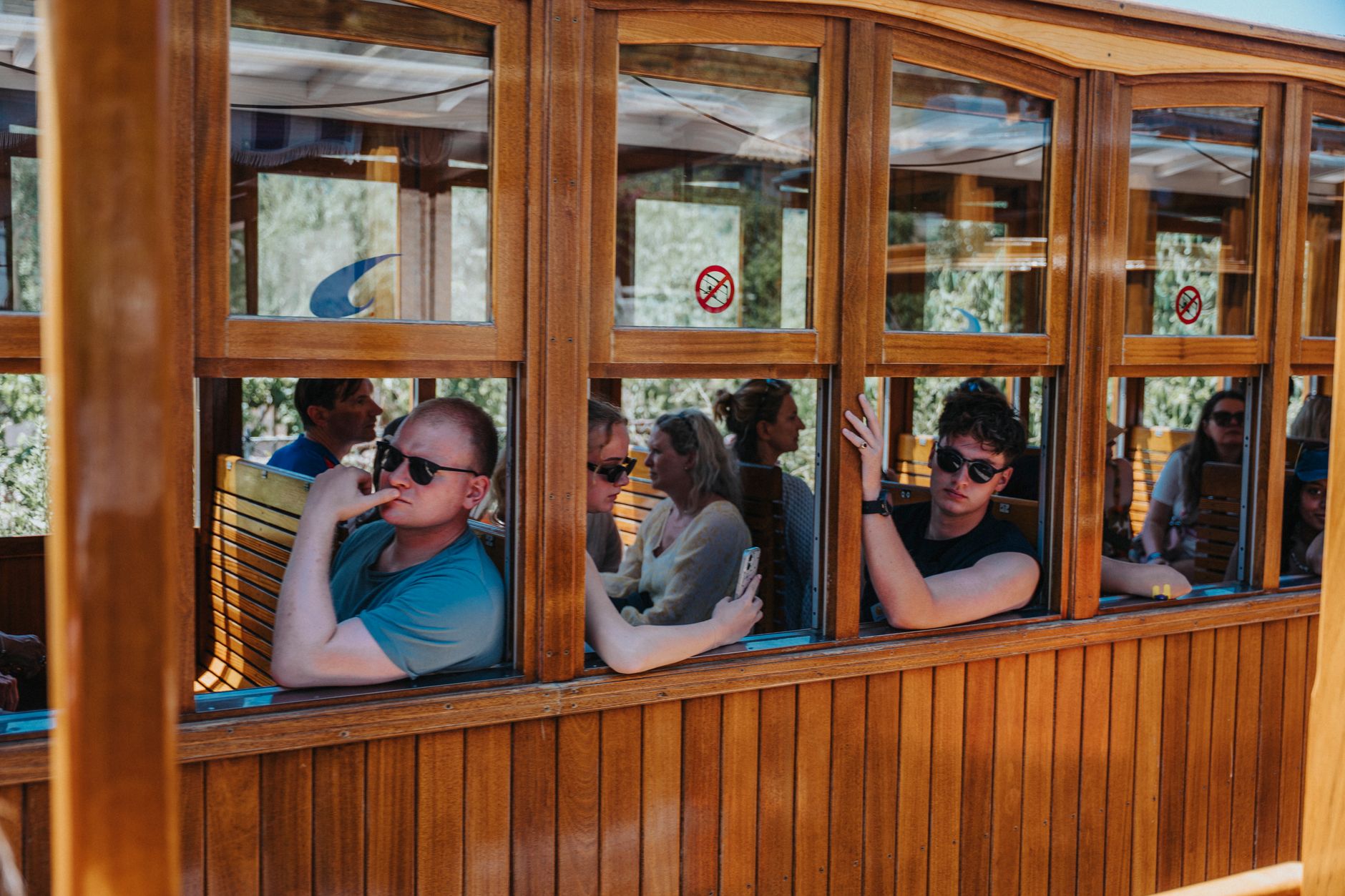
People who come back tend to mention the same things: the August 1st Fête Nationale when Rue du Village fills with torches and Swiss flags and the whole street smells of woodsmoke; the hike out to Barme in summer when the auberges reopen under the Dents Blanches; and the fact that the AOMC train from Aigle still feels like a proper railway journey rather than a transfer.
Deals in Champéry
Book directly at the provider
How Champéry came to be
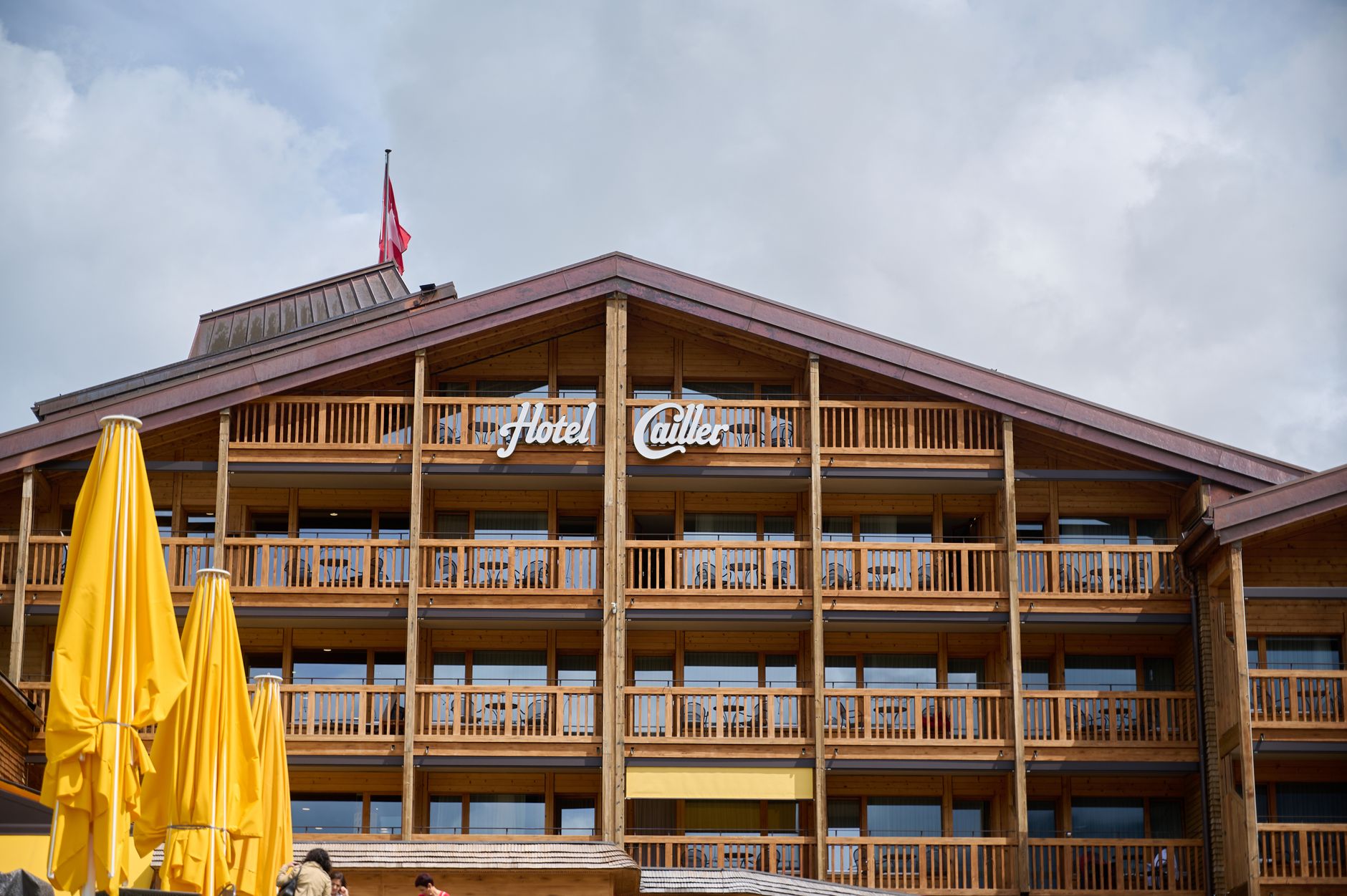
The village appears in records as early as 1286, and for centuries it was part of the Val-d'Illiez municipality before gaining independence in 1839. The baroque Church of Saint-Théodule, with its stone bell tower and characteristic Alpine spire, was completed in 1725 and remains the architectural anchor of the village. Tourism came early here: the Hôtel Dent-du-Midi opened in 1857, one of the first large mountain hotels in Switzerland, pulling in Victorian travellers who arrived by carriage long before the railway.
The AOMC line reached Champéry in 1908, the first ski lift arrived in 1959, and in 1969 the village became a founding member of the Portes du Soleil. More recently, the Palladium ice centre opened in 2004 and hosted curling events for the 2020 Lausanne Youth Olympics — the first Olympic venue in the canton of Valais.
Who and what shaped it
People who shaped it
Landmark buildings
See Champéry in motion
Plan your visit
On the map
When to go
Winters are genuinely cold: January averages a high just below freezing and nights can drop to nearly -9°C, so dress for it. Summers are mild and bright — July brings almost ten hours of daily sunshine and temperatures around 19°C, making it the most reliably pleasant time to be outdoors.
Right now
Background & history adapted from Wikipedia (CC BY-SA) · specs from Wikidata (CC0) · weather from Open-Meteo · map data © OpenStreetMap contributors · photos from Wikimedia Commons / Unsplash with per-image credit. No third-party reviews or social posts reproduced.