
Chamonix-Mont-Blanc
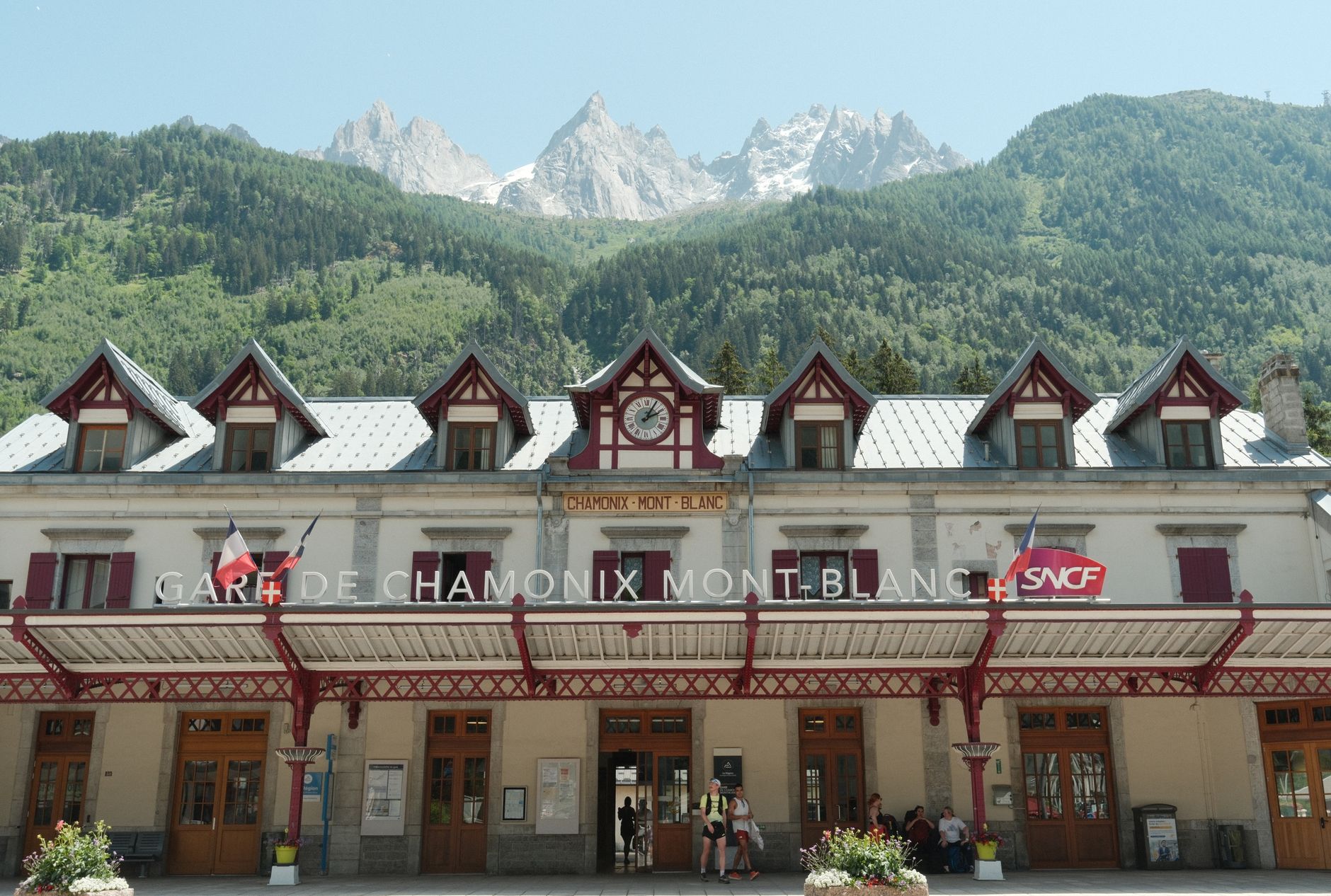
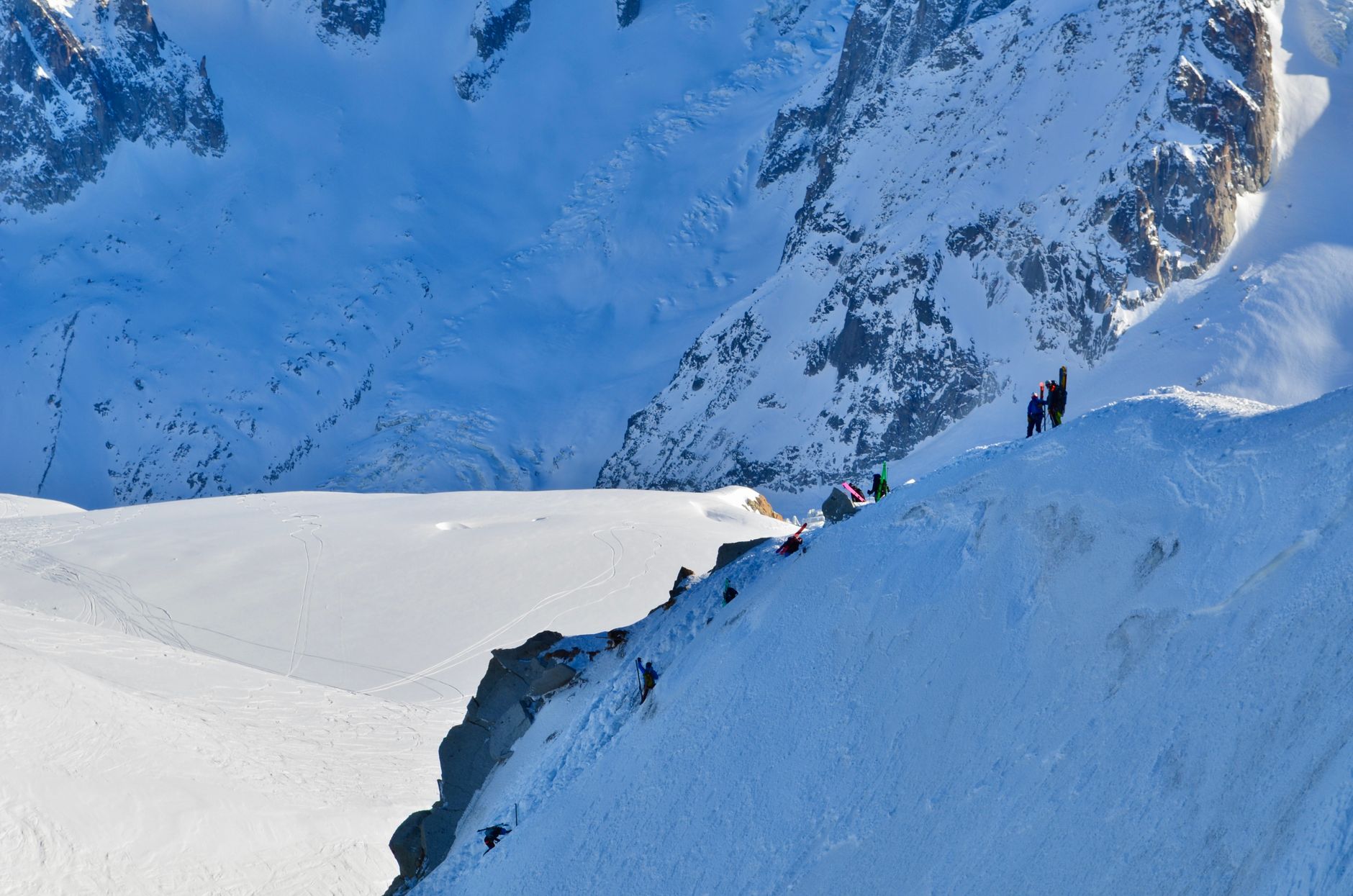
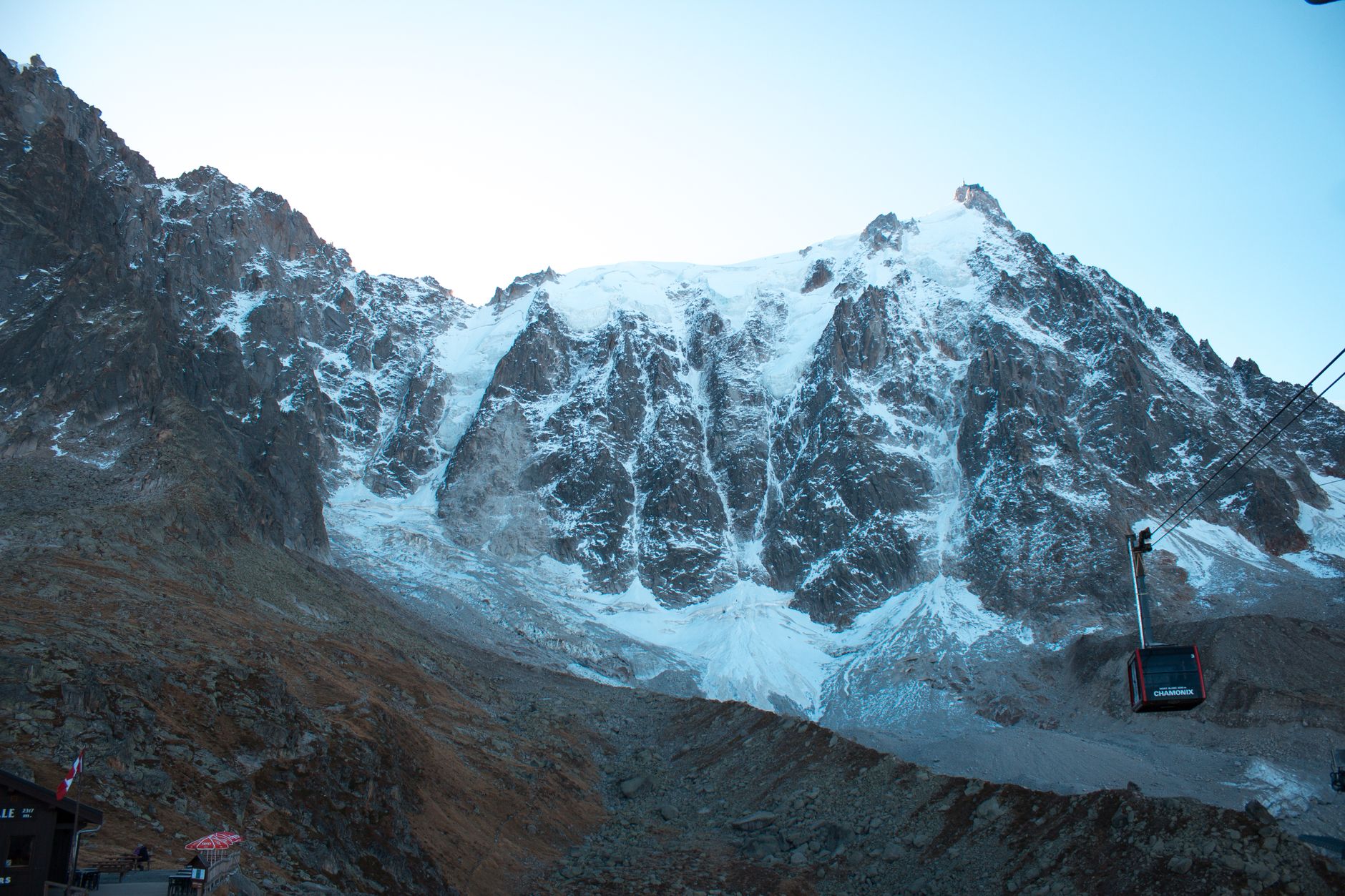
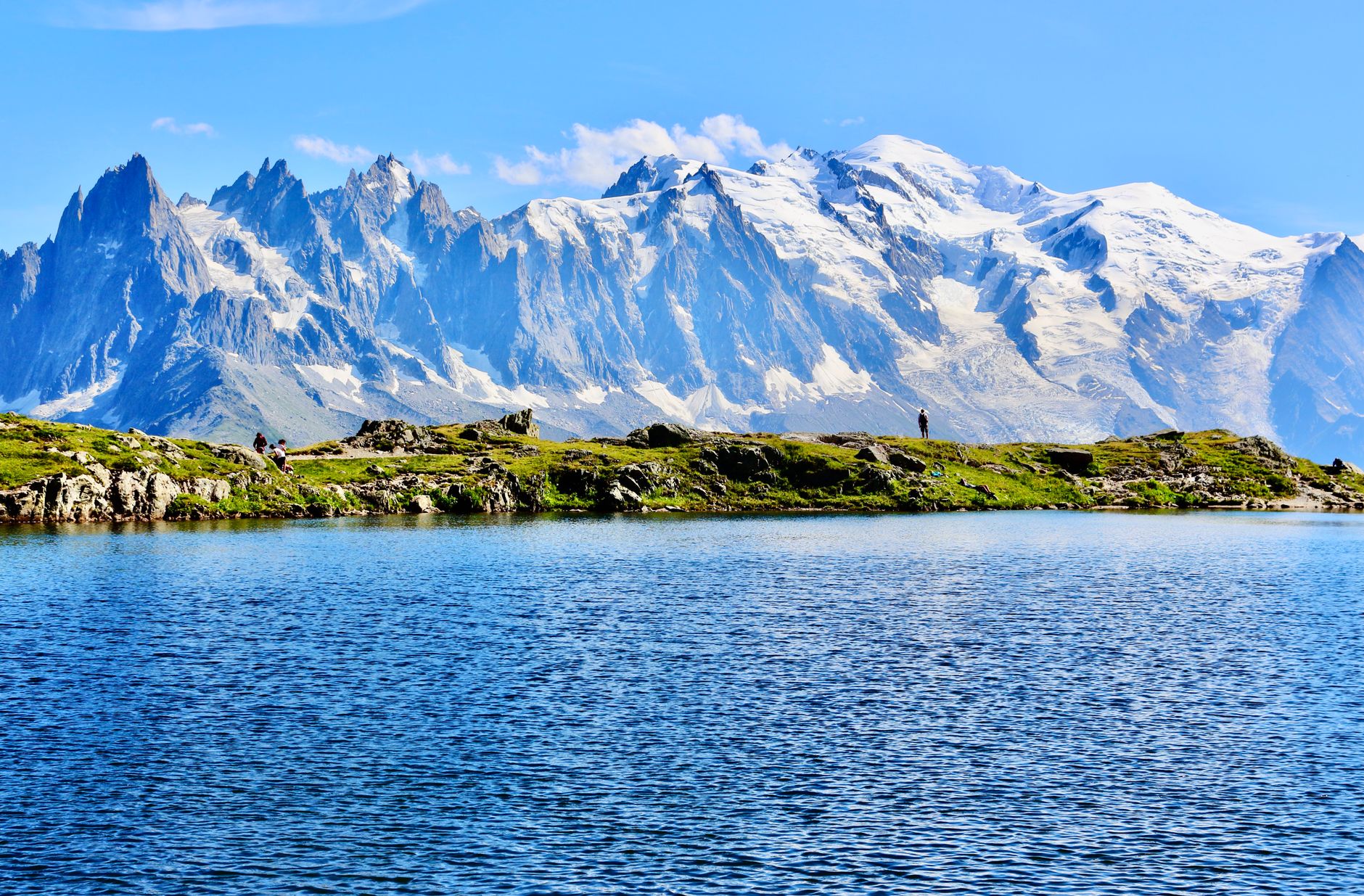
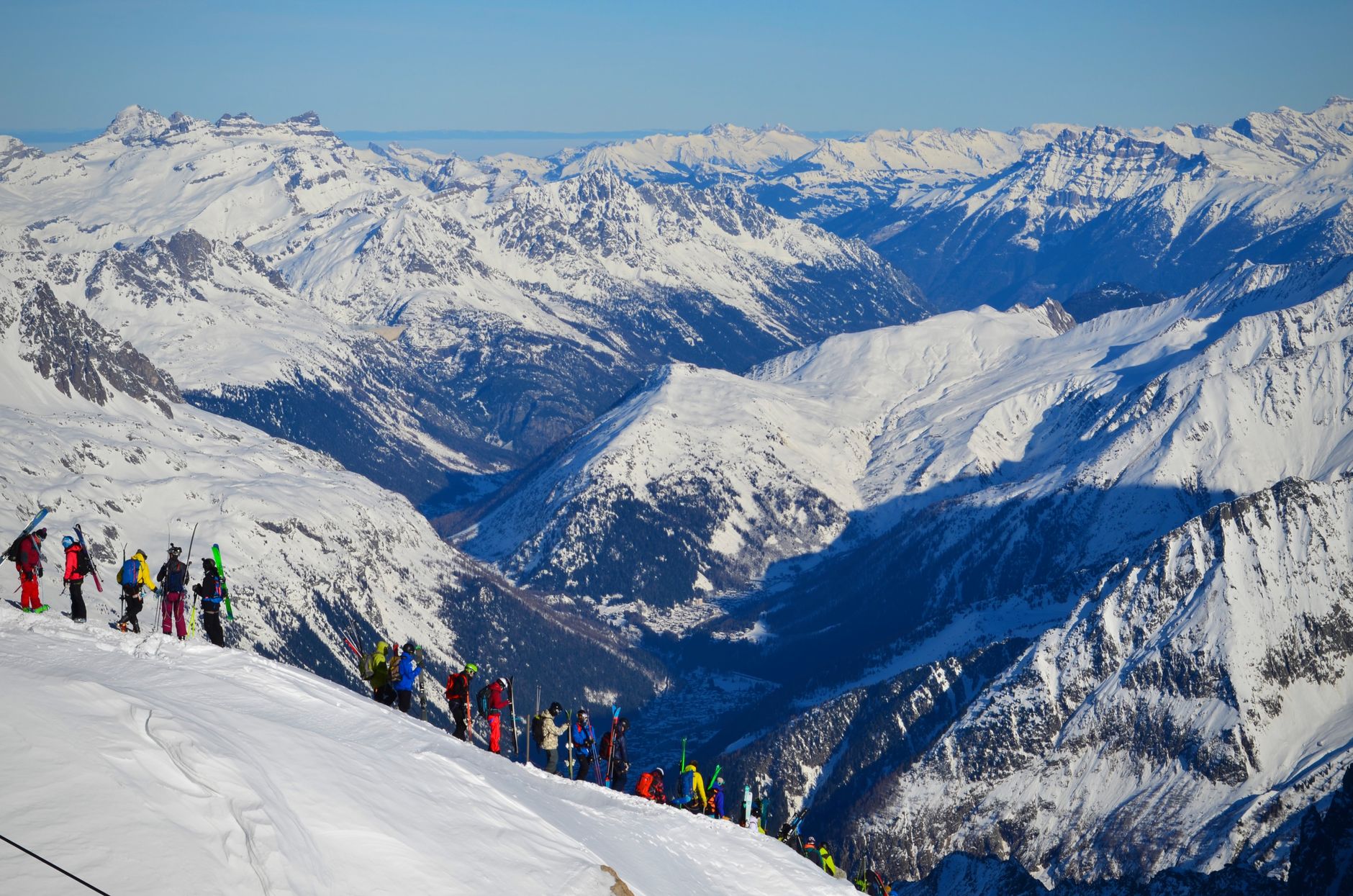
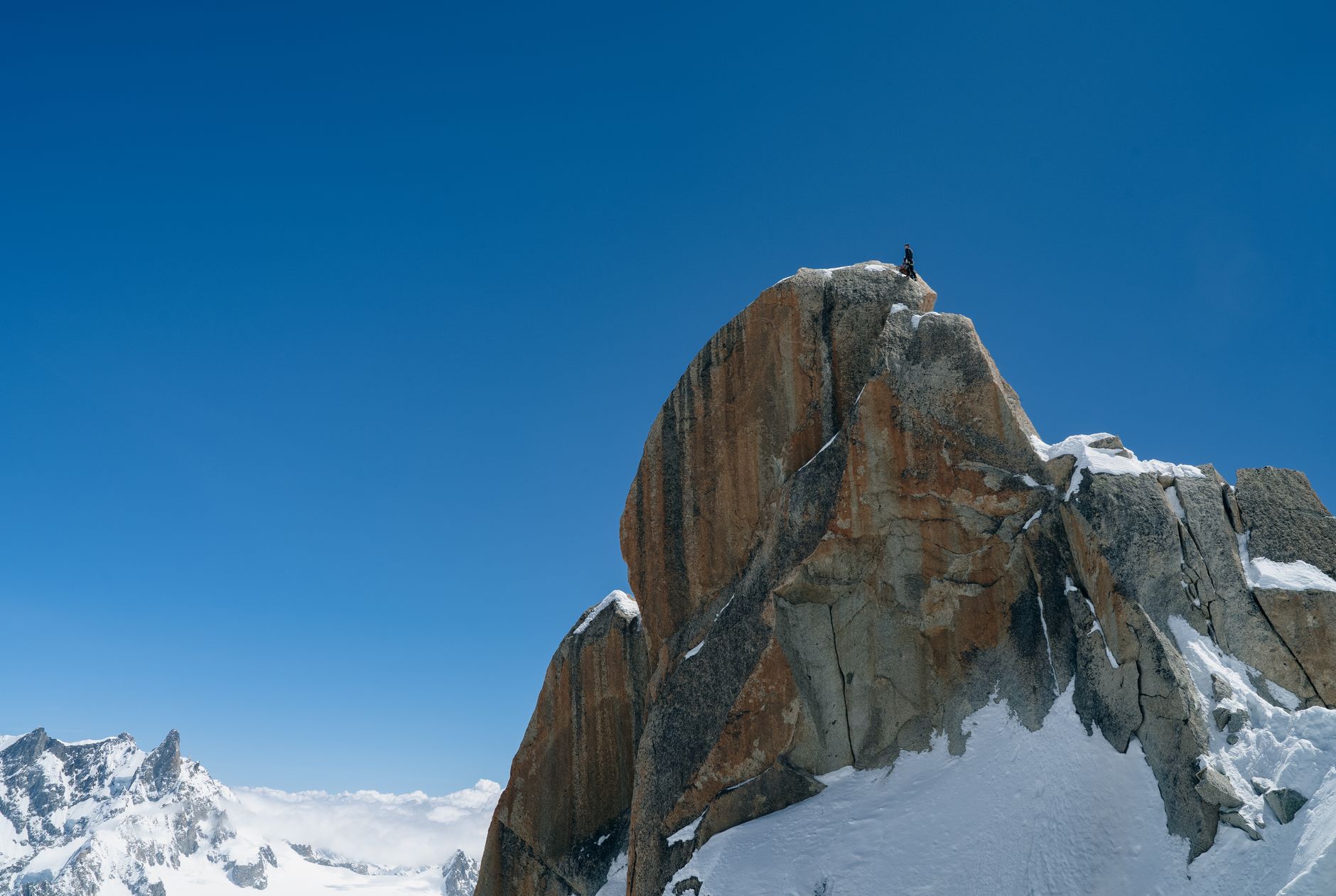
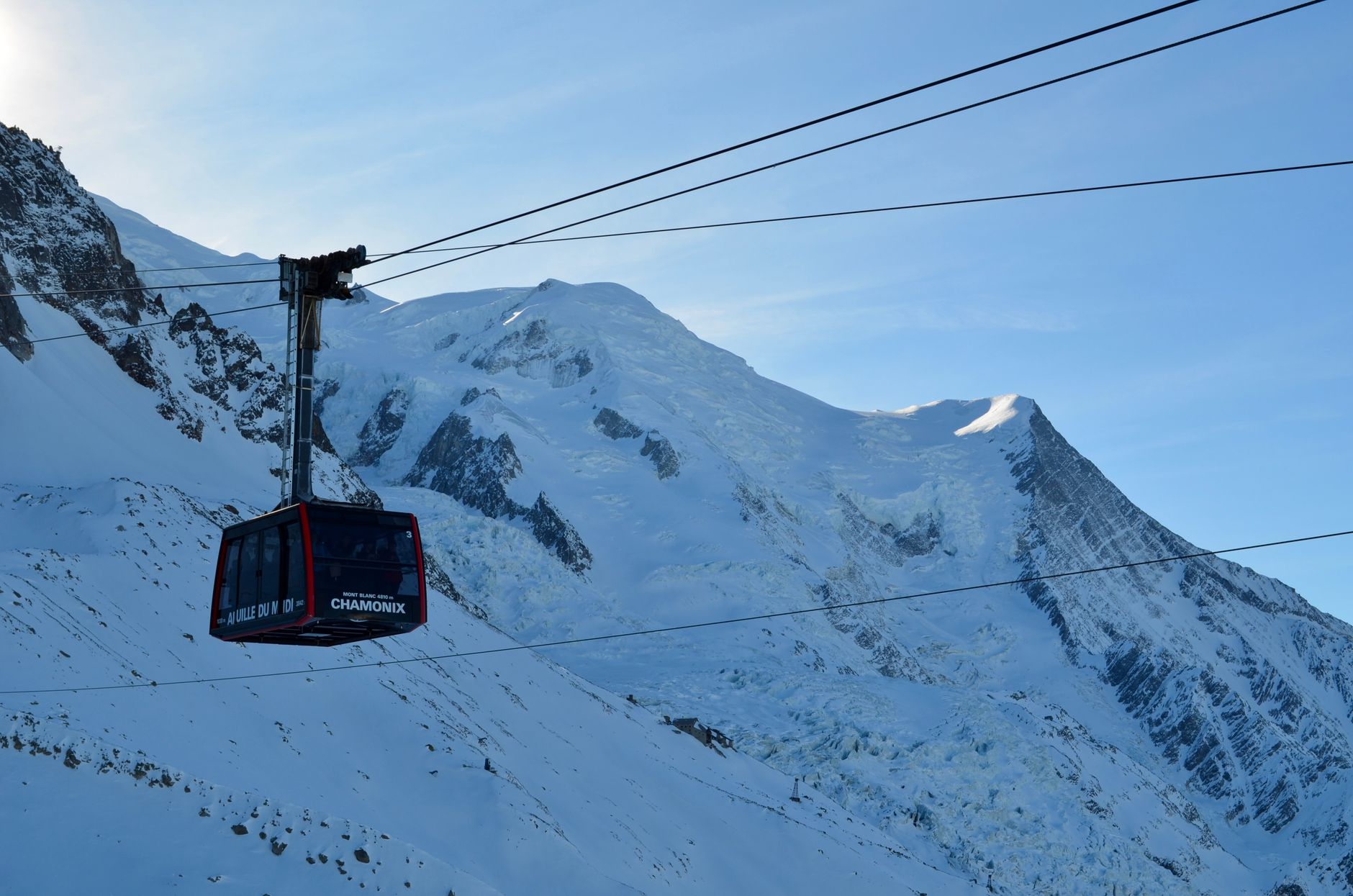
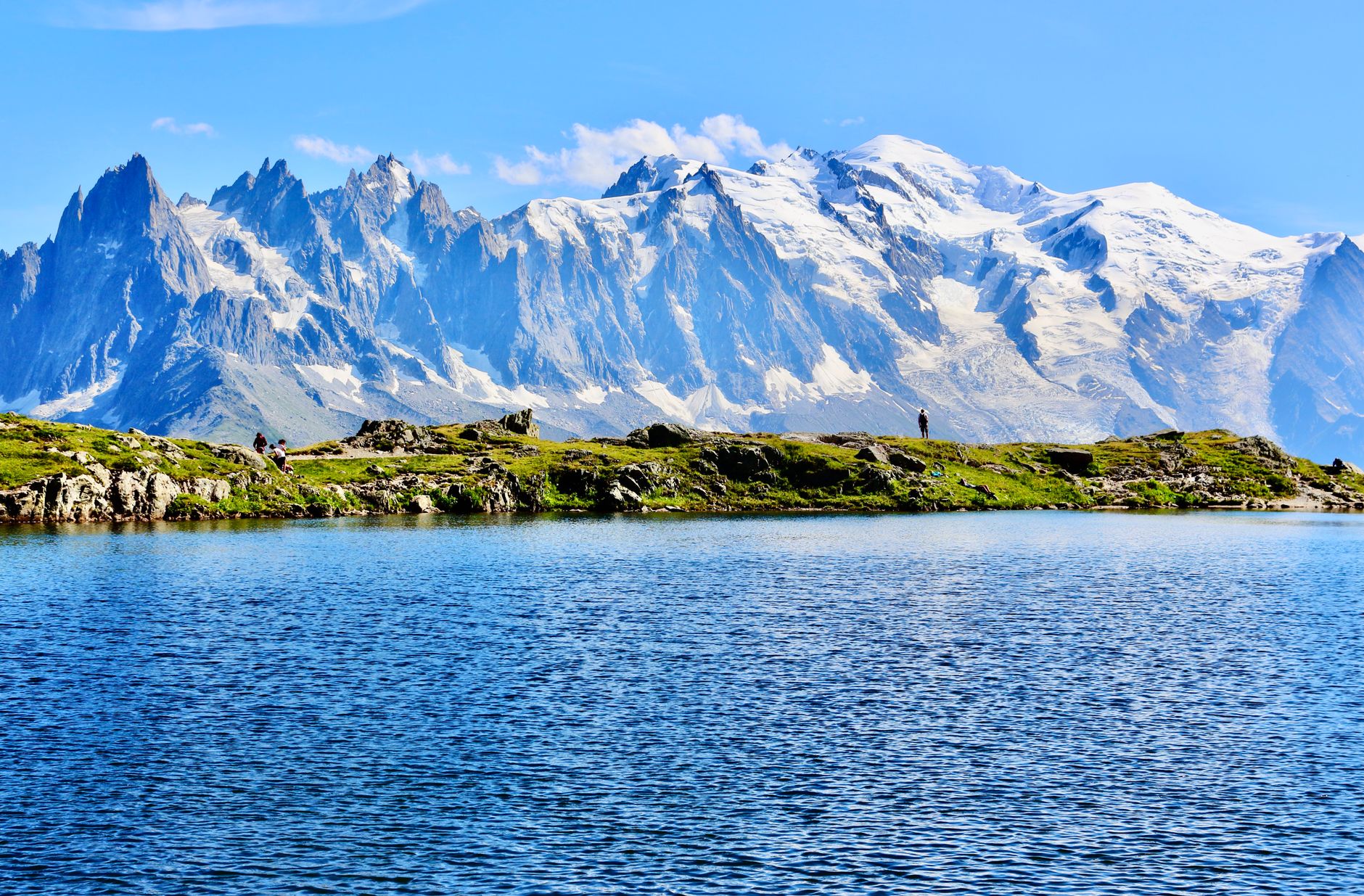
The number that stops you is 3,842 metres. That's where the Aiguille du Midi cable car deposits you — above the clouds, above most of Europe — and the valley floor you left twenty minutes ago looks like something drawn in pencil. Chamonix sits at around 1,035 metres in a long, glacier-carved trench, with Mont Blanc pressing against the southern sky and the Aiguilles Rouges across the valley answering back.
This is a working mountain town as much as a resort, and the streets show it: guide companies beside patisseries, gear shops wedged into Belle Époque buildings with ironwork balconies that belong to another century entirely. The altitude is real, the glaciers are receding visibly, and the ambition of the place — to go higher, faster, further — is written into its founding story.
💛 What travellers fall for
People who come back tend to time an early cable car to Aiguille du Midi before the midday crowds, linger at the Step into the Void glass room longer than they planned, then descend to town for lunch. The Montenvers rack railway at 14–20 kph feels deliberately slow — use it that way, and watch the Mer de Glace reveal itself in stages.
Experiences you don't want to miss


Deals in Chamonix-Mont-Blanc
Book directly at the provider
How Chamonix-Mont-Blanc came to be
Two English travellers, William Windham and Richard Pocock, reached the valley in 1741 and named the glacier they found the Mer de Glace — Sea of Ice. The name stuck, and so did the curiosity. In 1760, Genevan scientist Horace-Bénédict de Saussure offered a cash prize to whoever found a route to the summit of Mont Blanc. It took twenty-six years. On 8 August 1786, crystal hunter Jacques Balmat and physician Michel-Gabriel Paccard made the first ascent together — Paccard measuring pressure and temperature at the top, Balmat navigating the ice.
The town that grew from this history formalised its identity quickly: La Compagnie des Guides was founded in 1821 after a fatal accident on the mountain. The railway arrived in 1901, the first Winter Olympics followed in 1924, and the Aiguille du Midi cable car — then the highest in the world — opened in 1955. The Mont Blanc Tunnel connected Chamonix to Courmayeur in Italy in 1965, and the valley has been in motion ever since.
Who and what shaped it
People who shaped it
Landmark buildings
See Chamonix-Mont-Blanc in motion
Plan your visit
On the map
When to go
Winters run cold and snowy from December through March, with heavy snowfall at altitude and temperatures in town regularly dropping below freezing. Summers are warm in the valley (15–25°C) but conditions above 3,000 metres can change within the hour, so layers are non-negotiable year-round.
Right now
Background & history adapted from Wikipedia (CC BY-SA) · specs from Wikidata (CC0) · weather from Open-Meteo · map data © OpenStreetMap contributors · photos from Wikimedia Commons / Unsplash with per-image credit. No third-party reviews or social posts reproduced.