
Chalon-sur-Saône
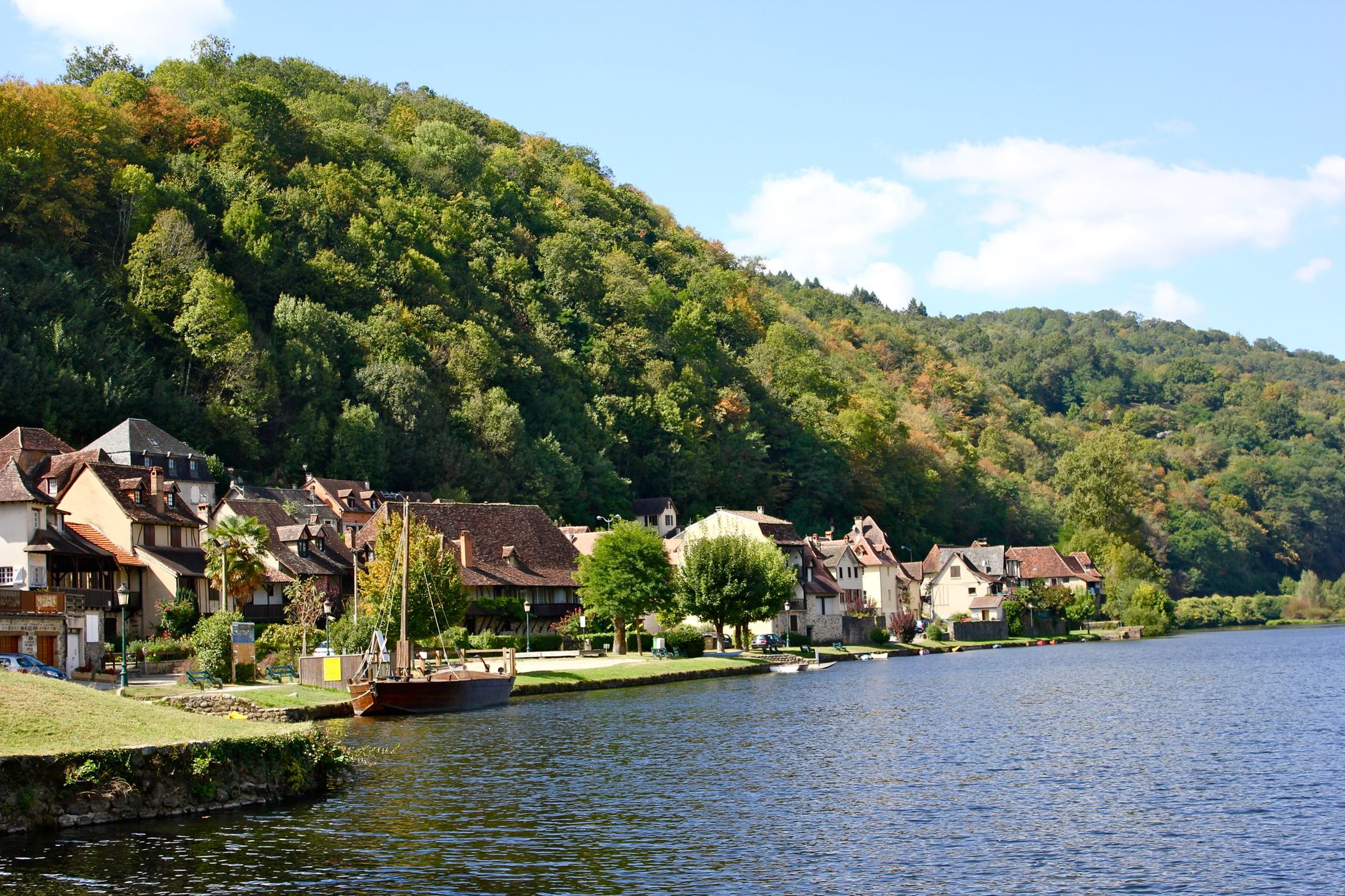
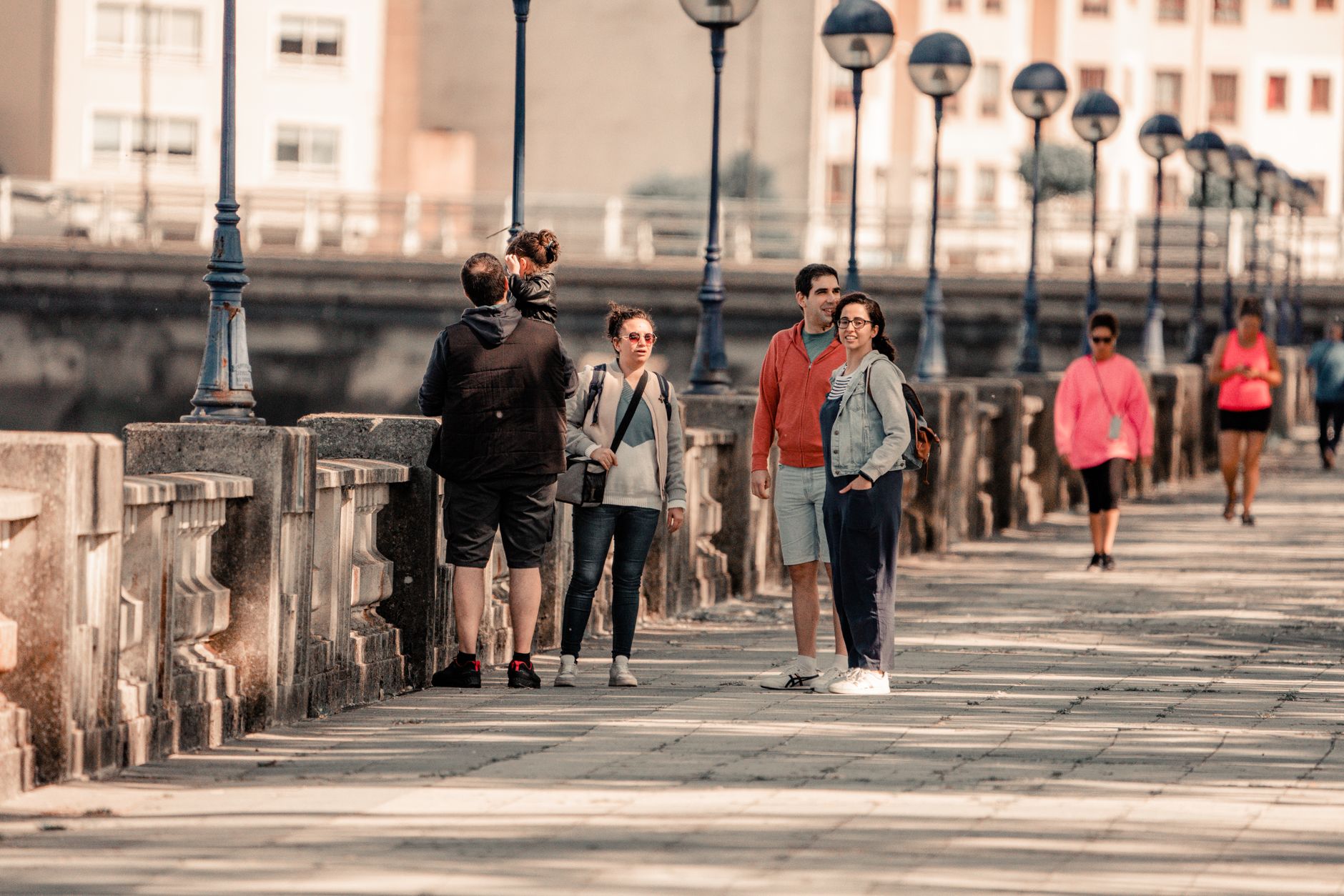
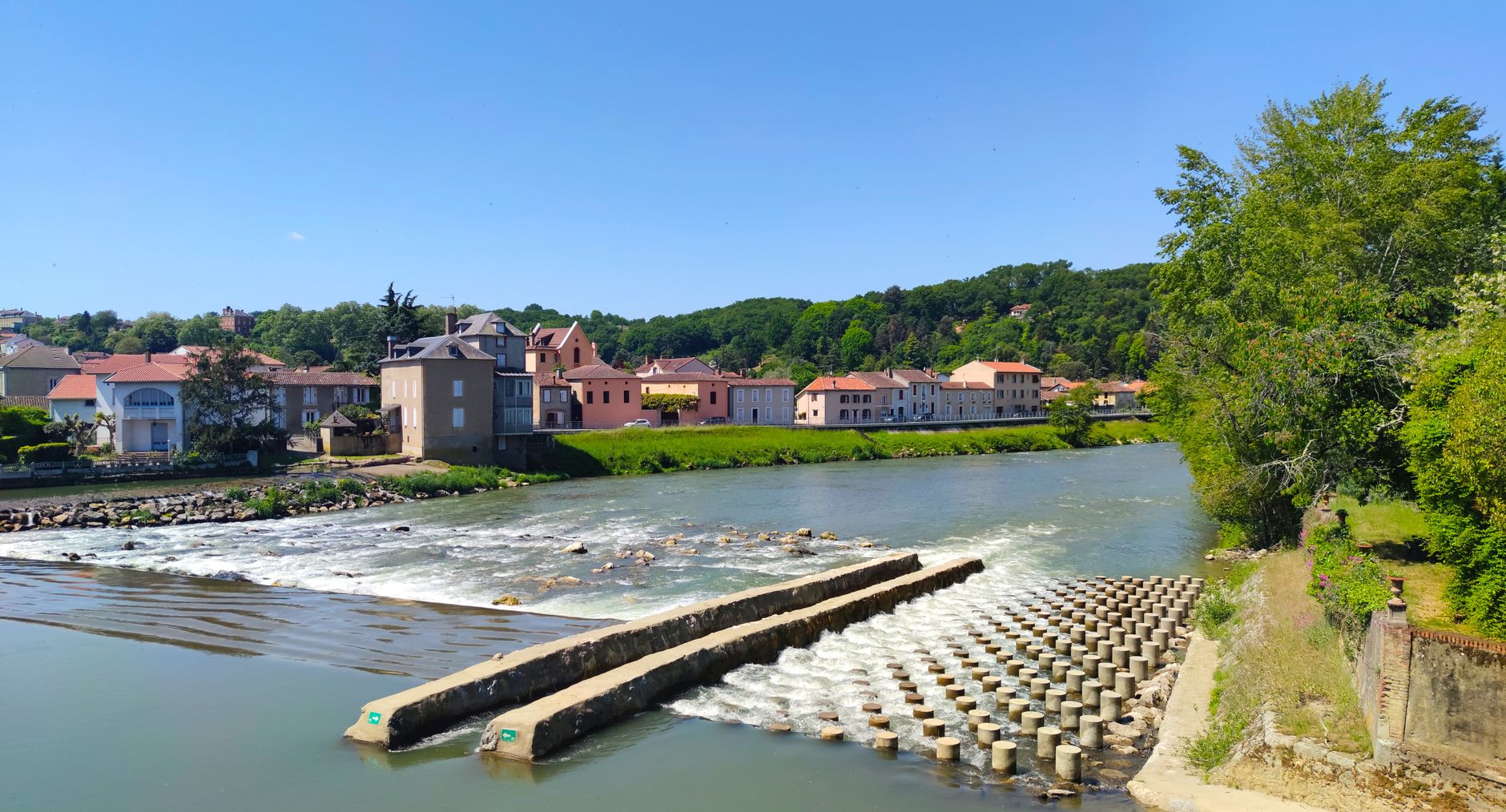
Chalon-sur-Saône has two claims on history that sit a little awkwardly together: it is where Julius Caesar noted a Gallic river port called Cabilonnum in 58 BC, and it is where, nearly two millennia later, a man named Nicéphore Niépce set in motion everything that would become photography. The Saône still runs wide and unhurried past the old town, and the stone bridge to Île Saint-Laurent still carries foot traffic the way it always has.
This is a working Burgundian city — labeled a Ville d'Art et d'Histoire in 1994, which means it takes its patrimony seriously without turning itself into a museum piece. Two very good museums, a cathedral cloister that dates to around the year 1000, a canal engineered in the 1780s, and a market square ringed with half-timbered facades make for an afternoon that keeps extending itself.
💛 What travellers fall for
People who return tend to time it around the Saturday market on Place Saint-Vincent, then walk it off along the Canal du Centre toward the first lock. The Musée Nicéphore Niépce is smaller than it sounds — two hours is enough — but the early camera collection on the upper floor earns a second visit once you've seen the heliograph.
Experiences you don't want to miss


Deals in Chalon-sur-Saône
Book directly at the provider

How Chalon-sur-Saône came to be
Caesar mentioned the settlement by name in his account of the Gallic Wars, which tells you how established it already was: the Aedui had built a river community here precisely because the Saône made trade move. Under Rome it became a road-network hub linking Lyon to northern Gaul. In the 6th century, King Guntram chose it as the capital of Burgundy, and the Church followed — a diocese was established, and a council convened here between 644 and 655.
For two centuries, from 1477 to 1678, the left bank of the Saône belonged to the Habsburg Empire, making Chalon a genuine border town. The Canal du Centre, designed by engineer Emiland Gauthey and opened in 1792, pushed the city into the industrial age; the railway arrived in 1848. German occupation from 1940 to 1944 left its mark, but the city's layered identity — Gallic port, episcopal seat, industrial hub, photography's birthplace — survived intact.
Who and what shaped it
People who shaped it
Landmark buildings
See Chalon-sur-Saône in motion
Plan your visit
On the map
When to go
Summers are warm and dry, good for the canal and the parks, though July and August can push into genuine heat. Spring and autumn bring mild temperatures and lower crowds; winters are cold and occasionally foggy along the river, which suits the cathedral and the museums better than the outdoor walks.
Right now
Background & history adapted from Wikipedia (CC BY-SA) · specs from Wikidata (CC0) · weather from Open-Meteo · map data © OpenStreetMap contributors · photos from Wikimedia Commons / Unsplash with per-image credit. No third-party reviews or social posts reproduced.