
Carnac
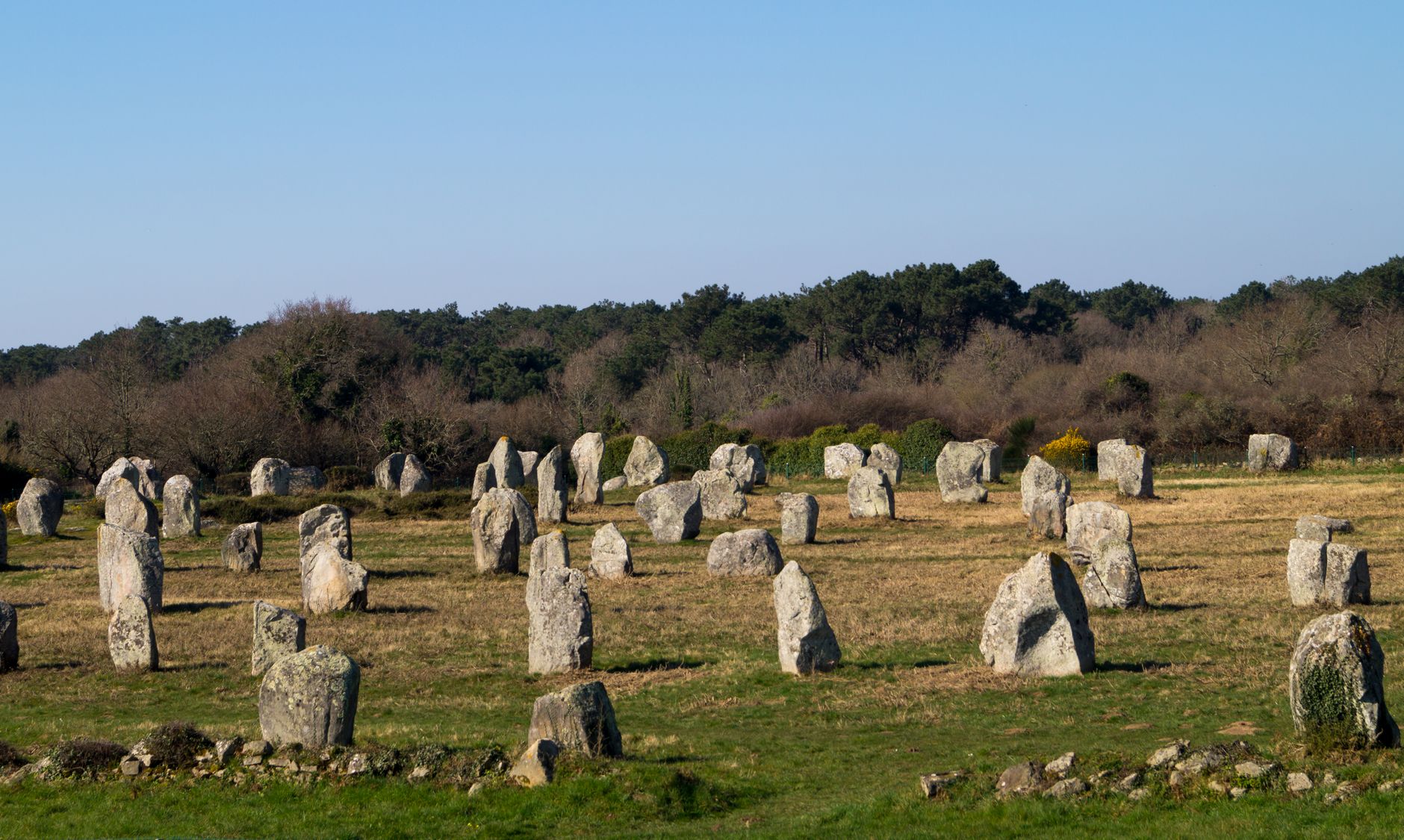

Stand at the Ménec alignment on a grey Breton morning and the scale takes a moment to process: twelve rows of menhirs, around 1,100 stones in total, stretching 1,200 metres across the moorland in a diagonal line toward the northeast. Nobody knows exactly why they were placed here. That uncertainty is part of what keeps drawing people back.
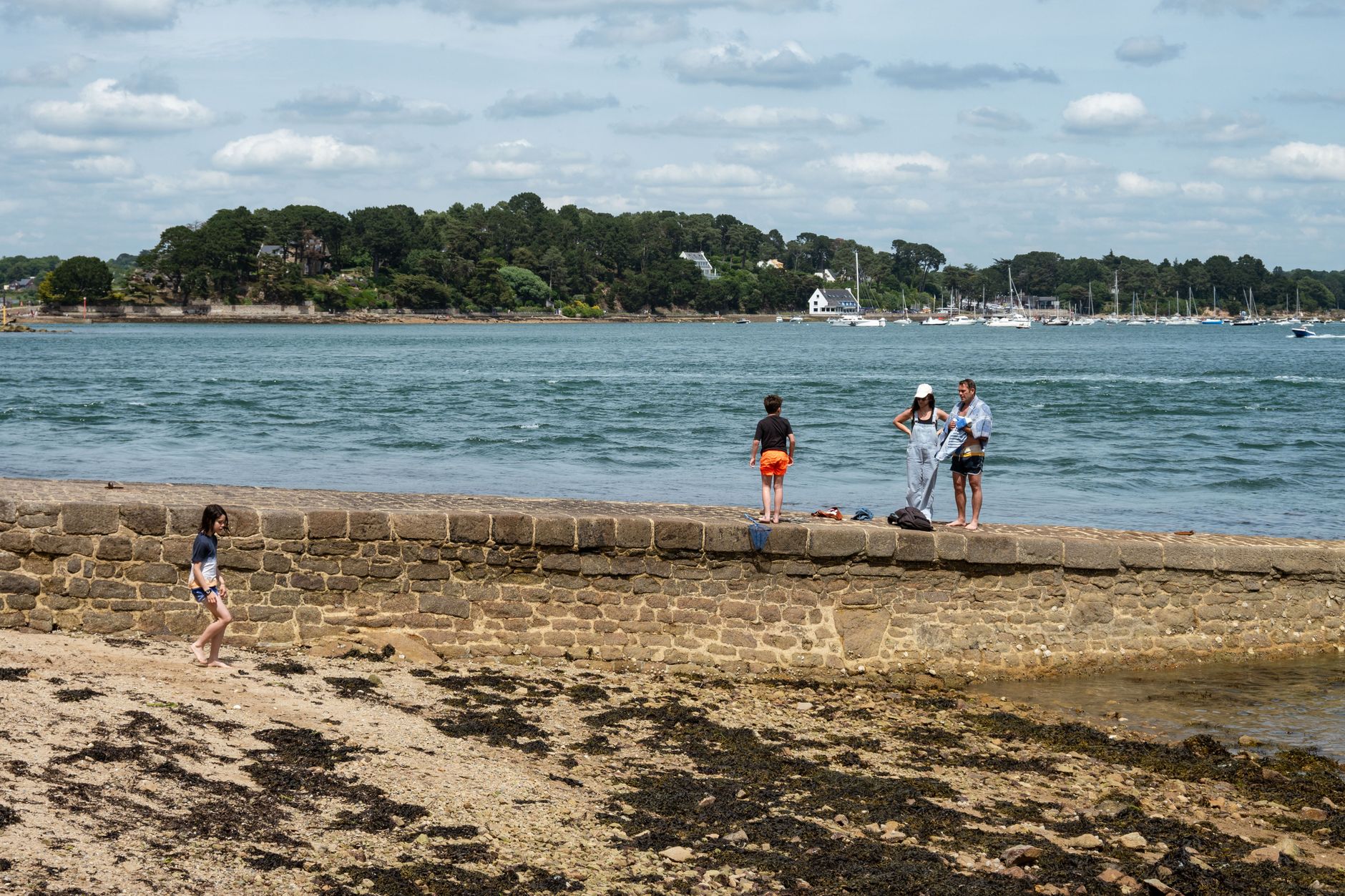
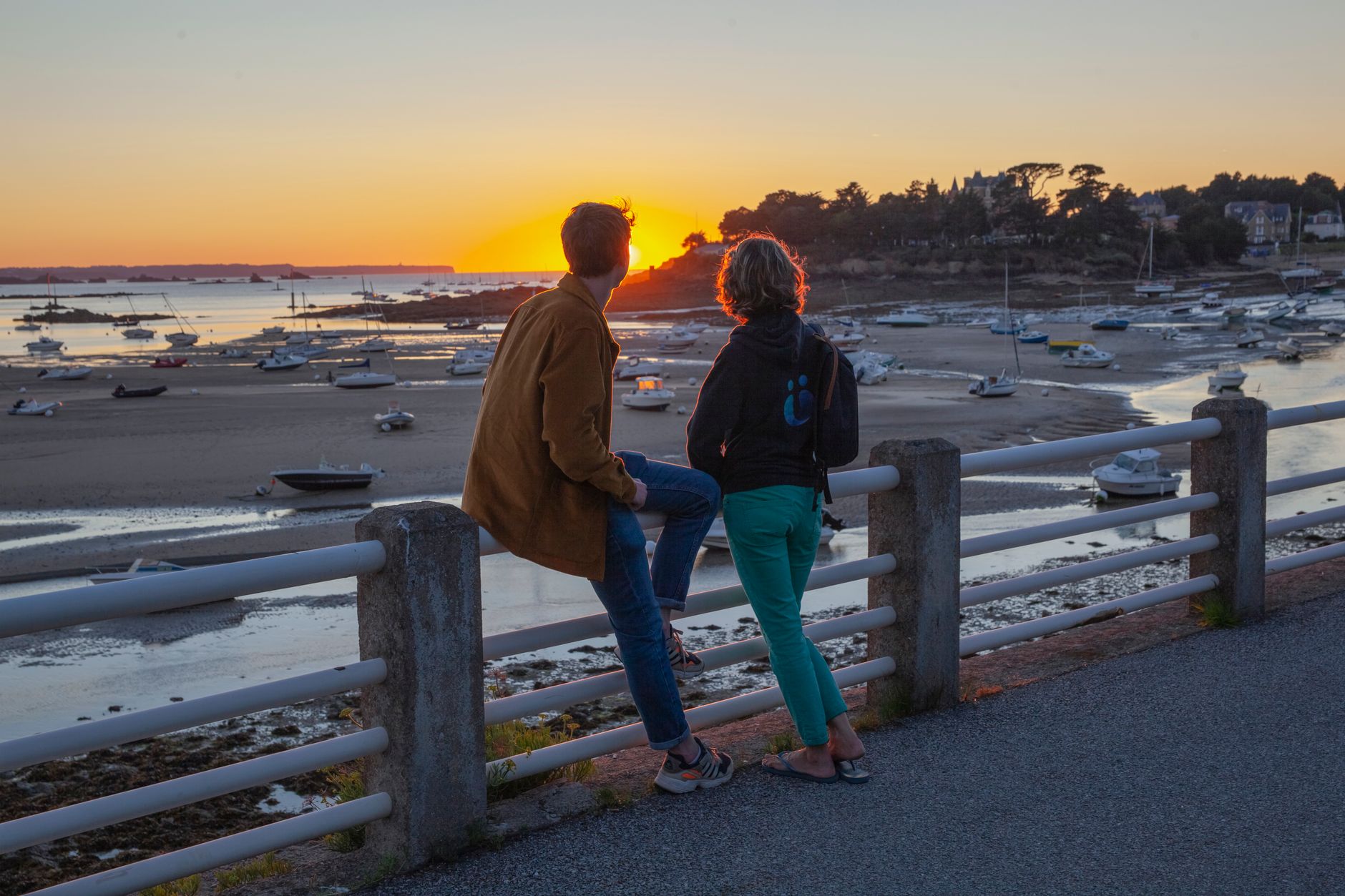
Carnac today is actually two places — the old granite village around the Church of Saint Cornély, and Carnac-plage, a seaside resort built on reclaimed salt flats in 1903 and expanded through the 1950s. The beaches are long and the water genuinely swimmable in summer, but the stones are the reason you came.
💛 What travellers fall for
People who return tend to say the same thing: visit the Kermario alignment in October or March, when you can walk freely among the menhirs without a guided group. The Giant of Manio — a single standing stone 6.5 metres tall — is quieter still and easy to miss. The Musée Miln-Le Rouzic in the village earns an hour of anyone's time before heading out to the fields.
Experiences you don't want to miss



Deals in Carnac
Book directly at the provider
How Carnac came to be
The stones were raised during the Neolithic period, with construction of the alignments dated to between roughly 4600 and 4300 BC. The three main megalithic fields — Ménec, Kermario and Kerlescan — together account for more than 3,000 standing stones spread across 10 kilometres of landscape. The site has been listed as a Historic Monument since 1889.
In 1874, Scottish antiquary James Miln began excavating a mound-covered stretch of moorland about a mile east of the village, uncovering the remains of a Gallo-Roman villa. His finds seeded what became the Musée Miln-Le Rouzic. A century later, in 1974, three-time Tour de France winner Louison Bobet — who won consecutively from 1953 to 1955 — sponsored the establishment of a hydrotherapy centre here, drawn by the coast and the mild climate.
Who and what shaped it
People who shaped it
Landmark buildings
See Carnac in motion
Plan your visit
On the map
When to go
Carnac sits on one of the sunniest stretches of the Breton coast, logging over 2,000 hours of sunshine a year; June through September brings temperatures of 20–22°C with manageable rainfall. Spring and early autumn offer the same light with noticeably fewer people, which is reason enough to lean toward those months.
Right now
Background & history adapted from Wikipedia (CC BY-SA) · specs from Wikidata (CC0) · weather from Open-Meteo · map data © OpenStreetMap contributors · photos from Wikimedia Commons / Unsplash with per-image credit. No third-party reviews or social posts reproduced.