
Capitol Hill
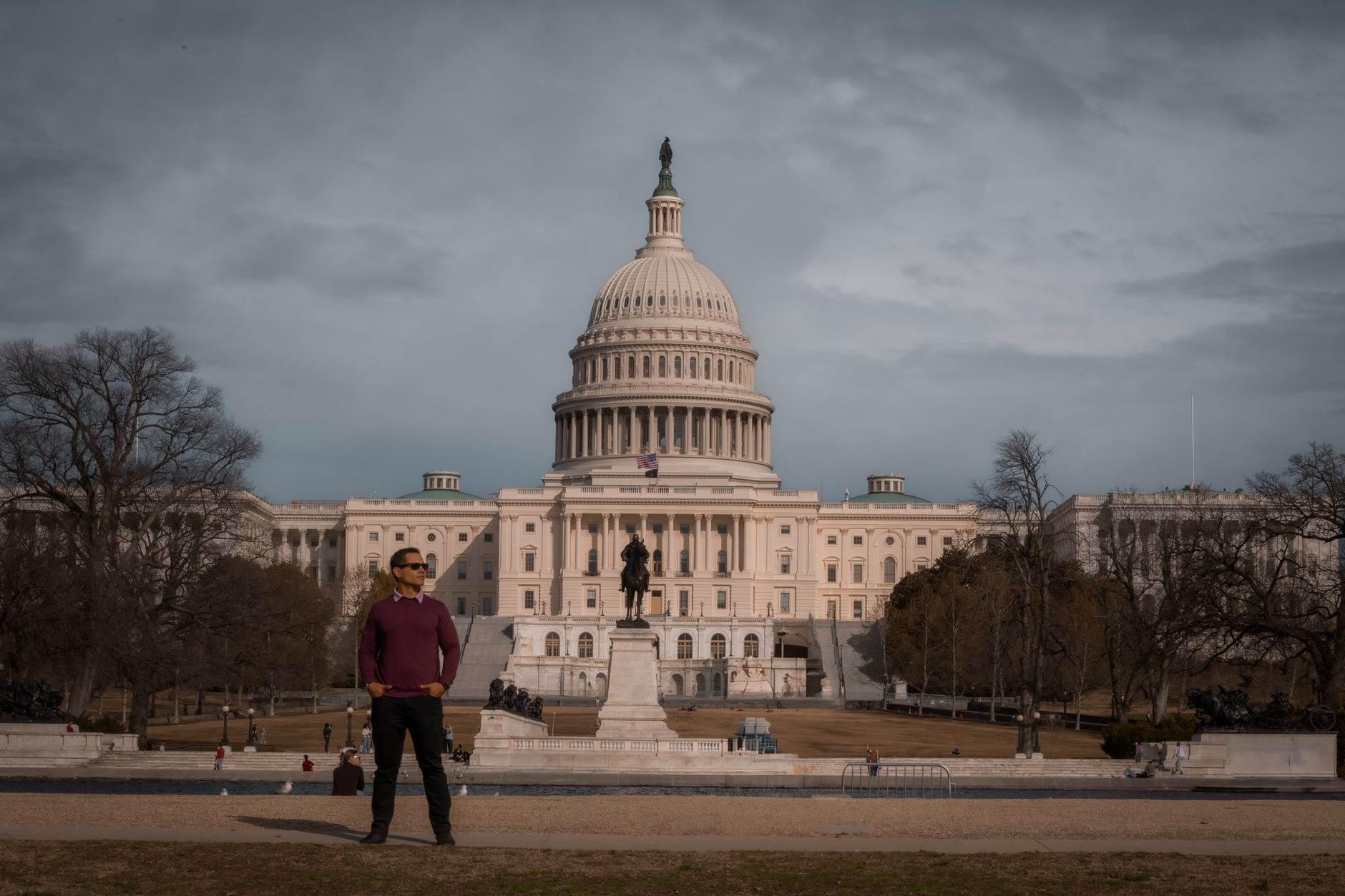
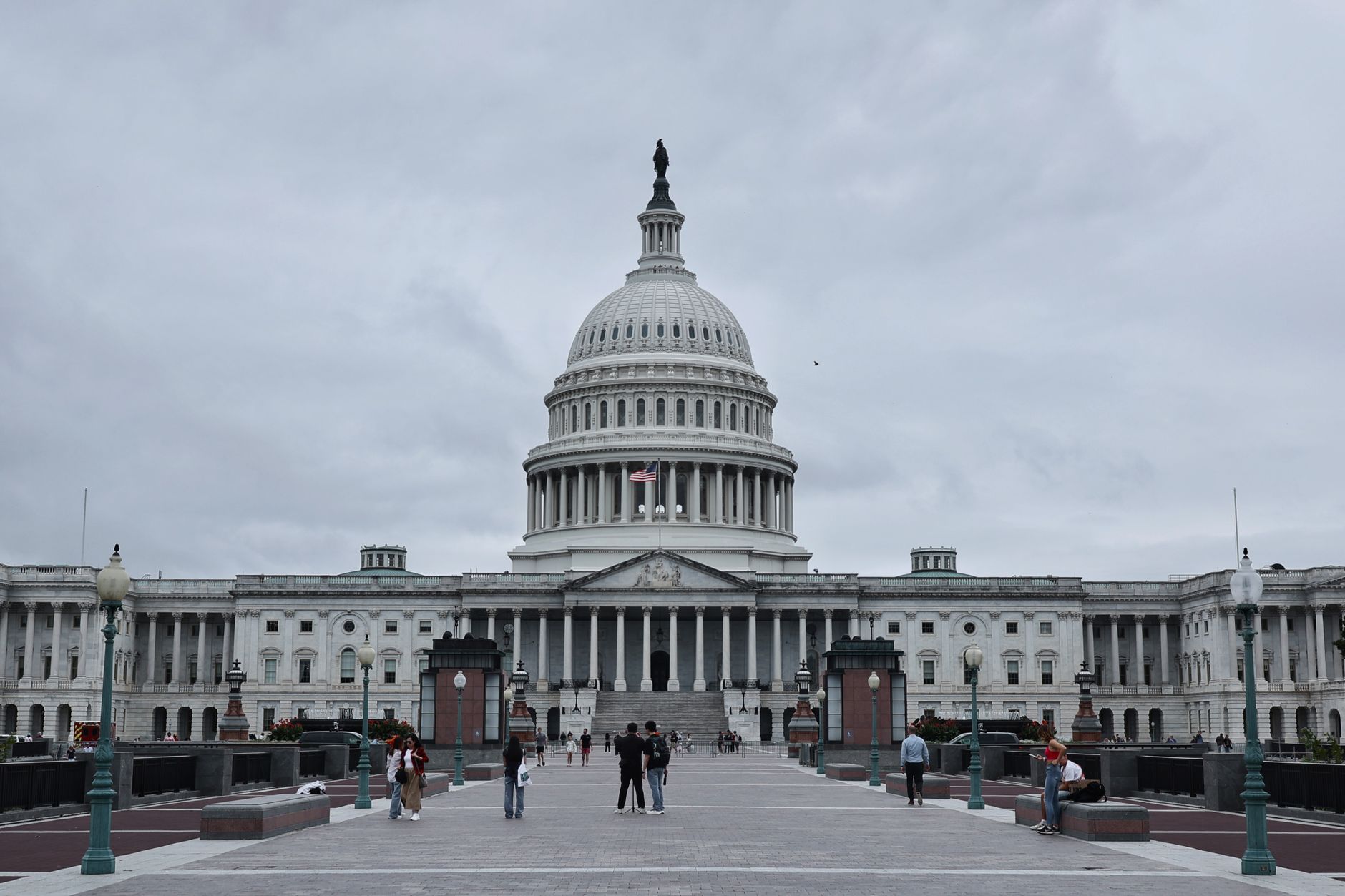
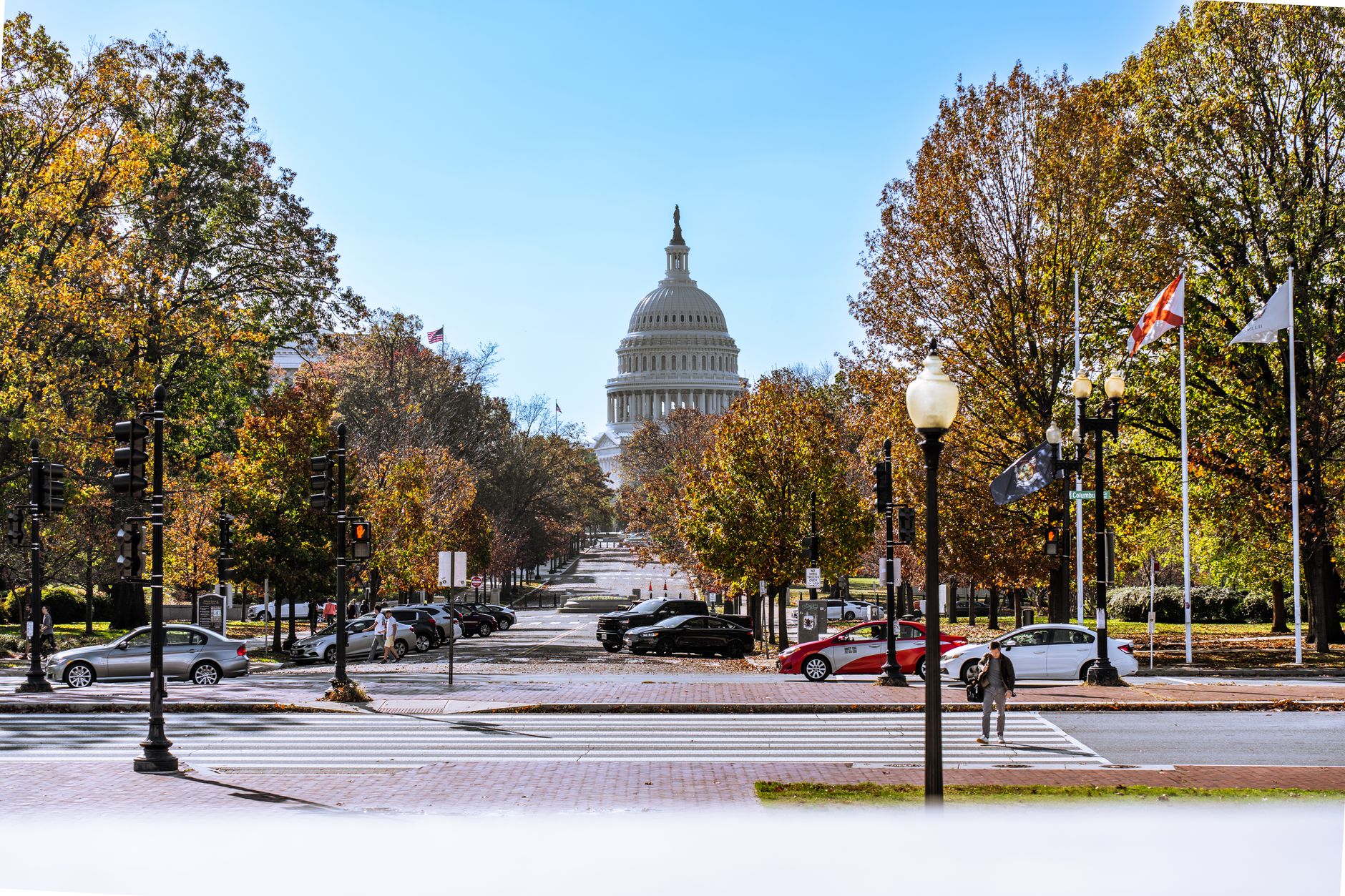
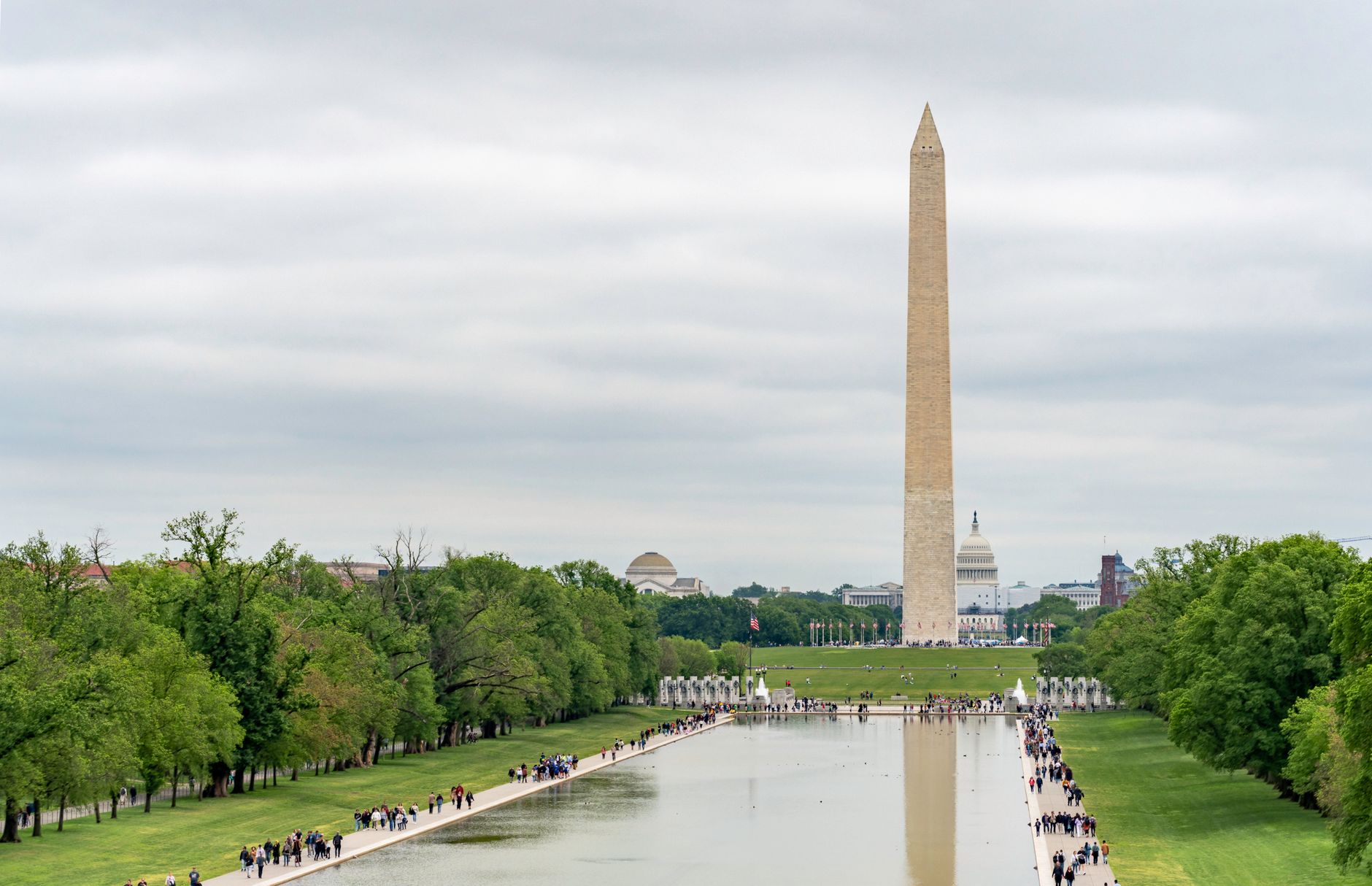
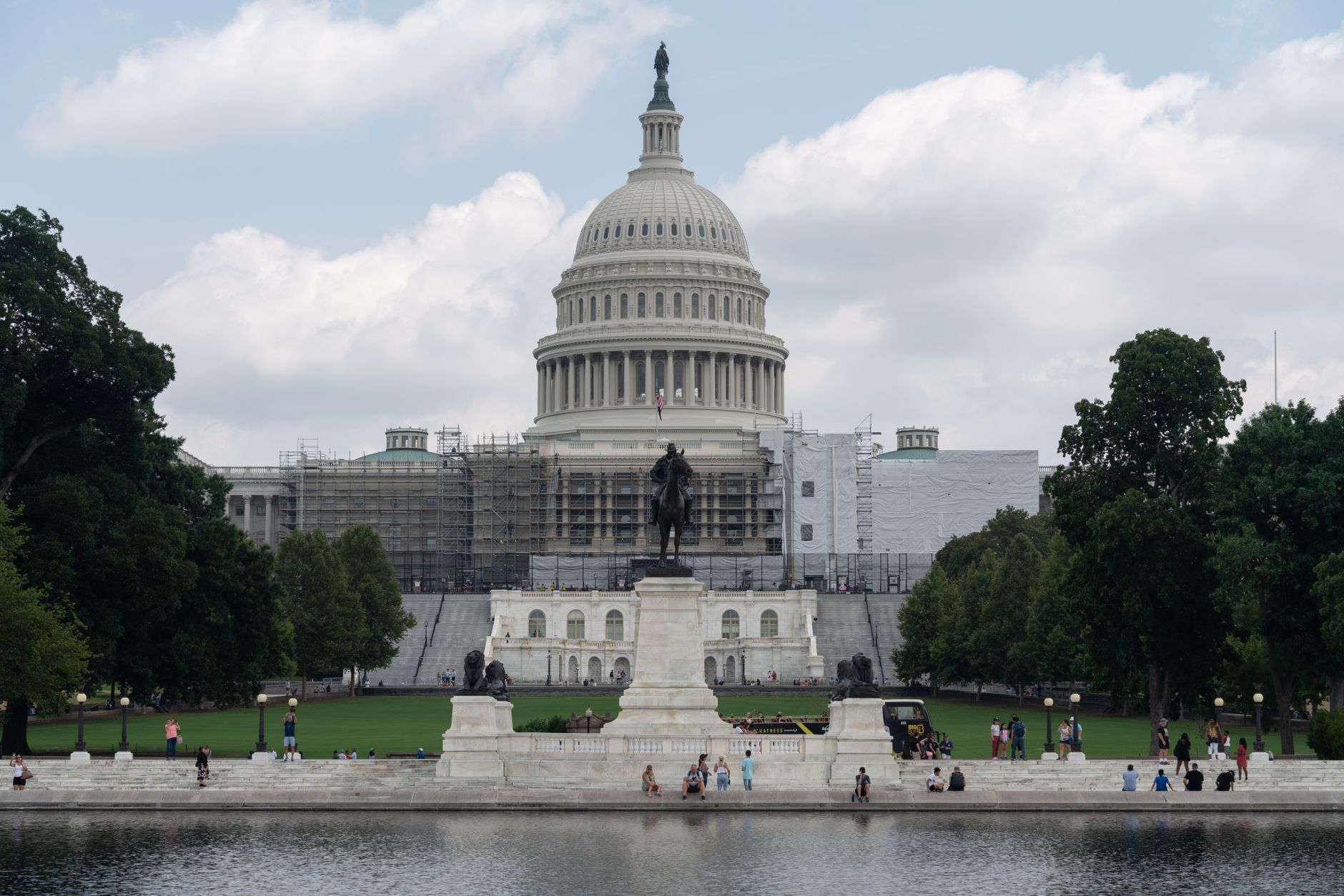
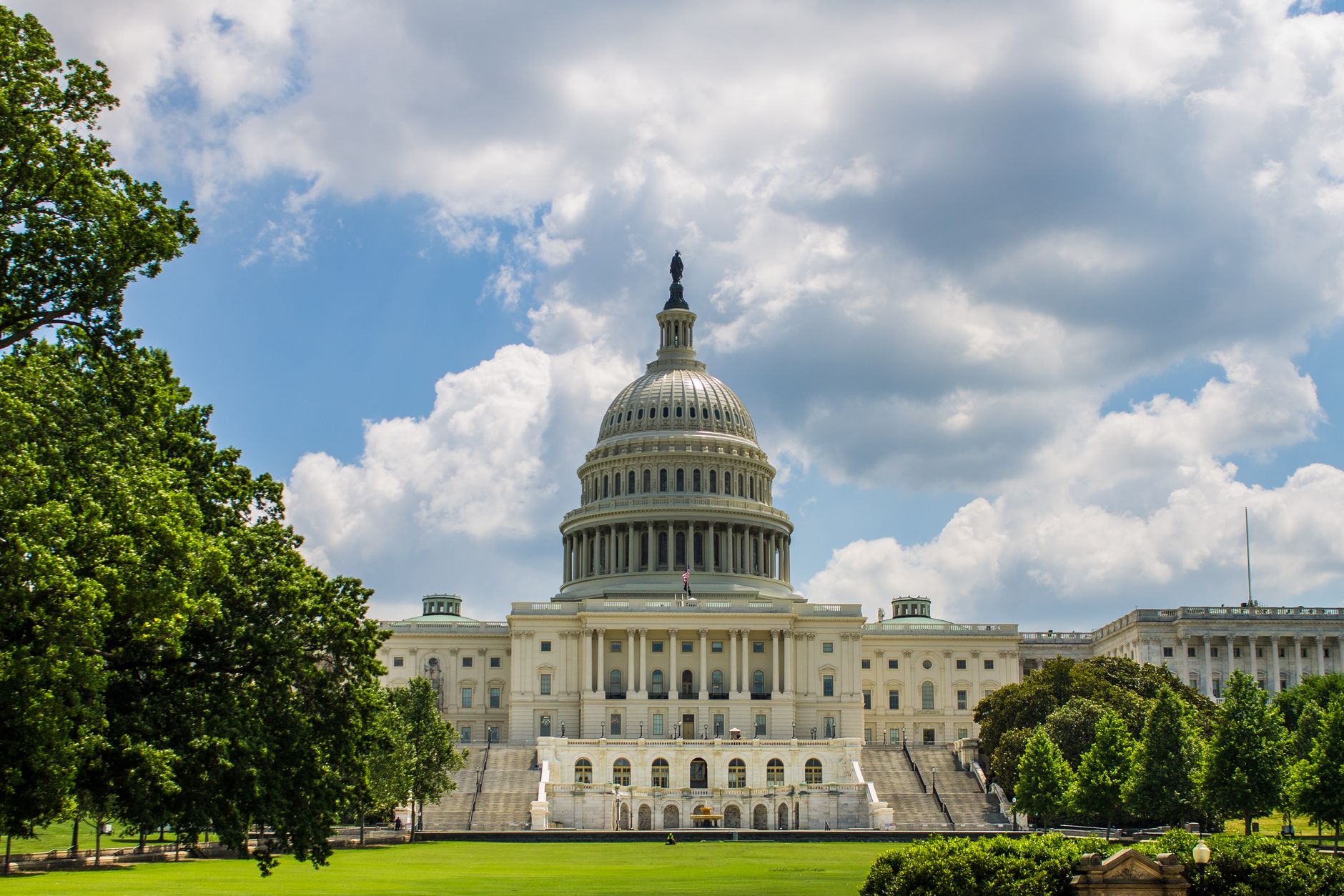
The dome you see from nearly every sightline in Washington D.C. sits on a hill that Thomas Jefferson named in 1793 after the Capitoline Hill of Rome — a deliberate act of nation-building through nomenclature. Capitol Hill is both the seat of American federal power and a lived-in residential neighborhood where row houses back up against Senate office buildings and a farmers' market has been running, in one form or another, since 1802.
The streets here carry the particular texture of a place where legislation and daily life share the same sidewalk. Congressional staffers cut through Eastern Market on their lunch breaks. The Supreme Court building faces the Capitol across a plaza. It's a neighborhood that takes its civic weight seriously without being solemn about it.
💛 What travellers fall for
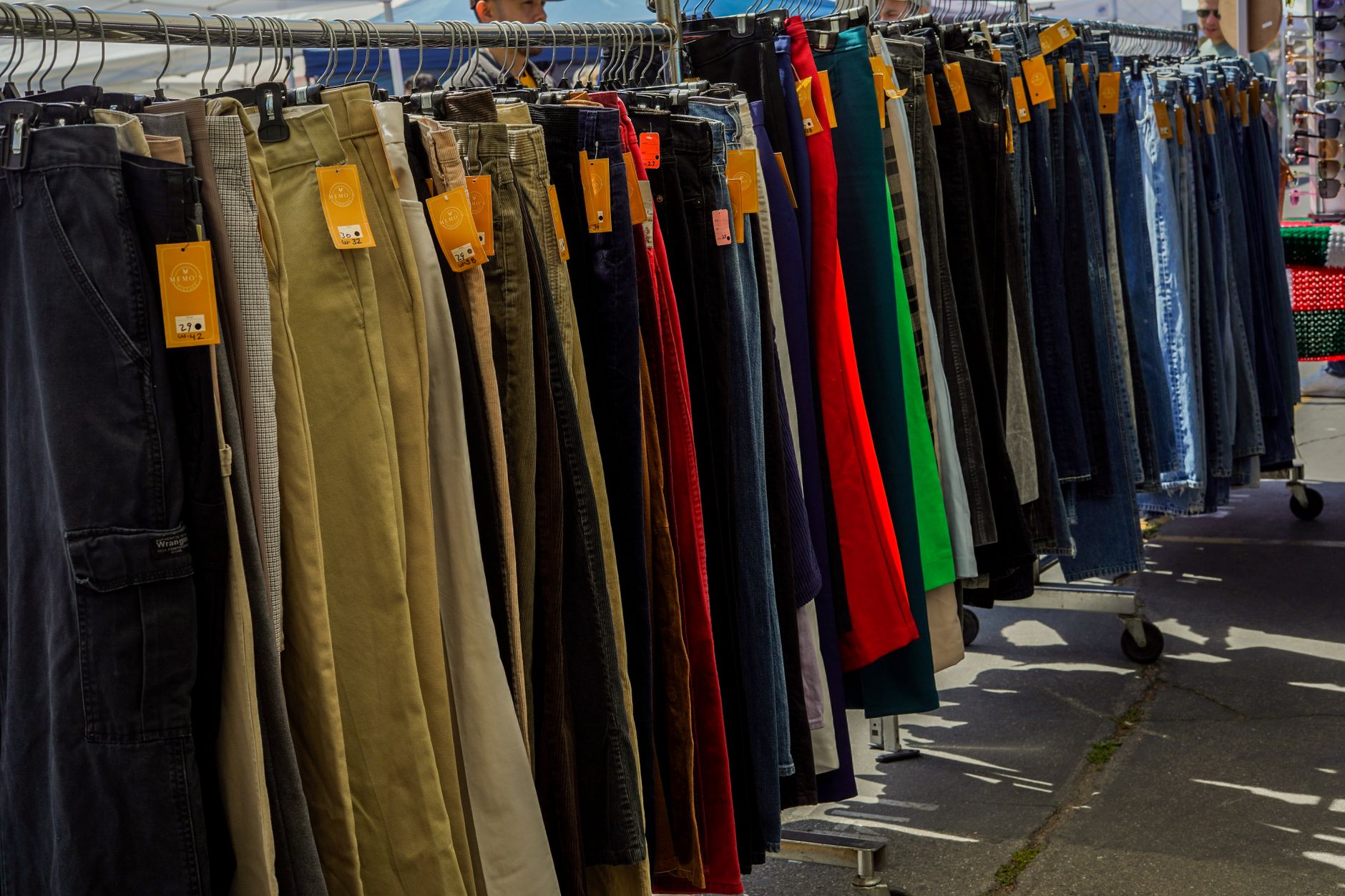
Regulars will tell you to book Capitol tours earlier than you think necessary — slots go fast, especially when Congress is in session. The Folger Shakespeare Library draws repeat visitors who come for the exhibitions and stay for the reading room. Eastern Market on a Saturday morning, when the outdoor vendors spill onto 7th Street, is a different experience entirely from a weekday.
Experiences you don't want to miss



Deals in Capitol Hill
Book directly at the provider


How Capitol Hill came to be
Pierre Charles L'Enfant placed the Capitol on what was then called Jenkins' Hill — the elevated eastern anchor of his grid — when he planned Washington in 1791. President Washington laid the cornerstone in September 1793 with Masonic ceremony. The surrounding neighborhood took shape between 1799 and 1810, driven by two employers: the federal government at the Capitol and the Washington Navy Yard, established in 1799 on the Anacostia River, which drew craftsmen who needed somewhere to live.
Boarding houses and taverns appeared near the Capitol by 1805. The Library of Congress opened in 1897, Union Station in 1907, and the major Senate and House office buildings followed in 1909. The Supreme Court found its permanent home in 1935. A real estate boom between 1890 and 1910 brought modern conveniences; a second wave of investment arrived in the 1990s as gentrification reshaped the residential streets. The Capitol Hill Historic District, designated locally in 1973, covers a period of significance running from 1791 to 1945.
Who and what shaped it
People who shaped it
Landmark buildings
See Capitol Hill in motion
Plan your visit
On the map
When to go
Spring (March through May) brings mild temperatures and the city's famous cherry blossoms nearby, though crowds peak accordingly. Summers are humid and hot — worth knowing if you're queuing outdoors for tours. Autumn offers the most comfortable walking weather; winters are cold but rarely severe, and the neighborhood is noticeably quieter.
Right now
Background & history adapted from Wikipedia (CC BY-SA) · specs from Wikidata (CC0) · weather from Open-Meteo · map data © OpenStreetMap contributors · photos from Wikimedia Commons / Unsplash with per-image credit. No third-party reviews or social posts reproduced.