
Capel Curig
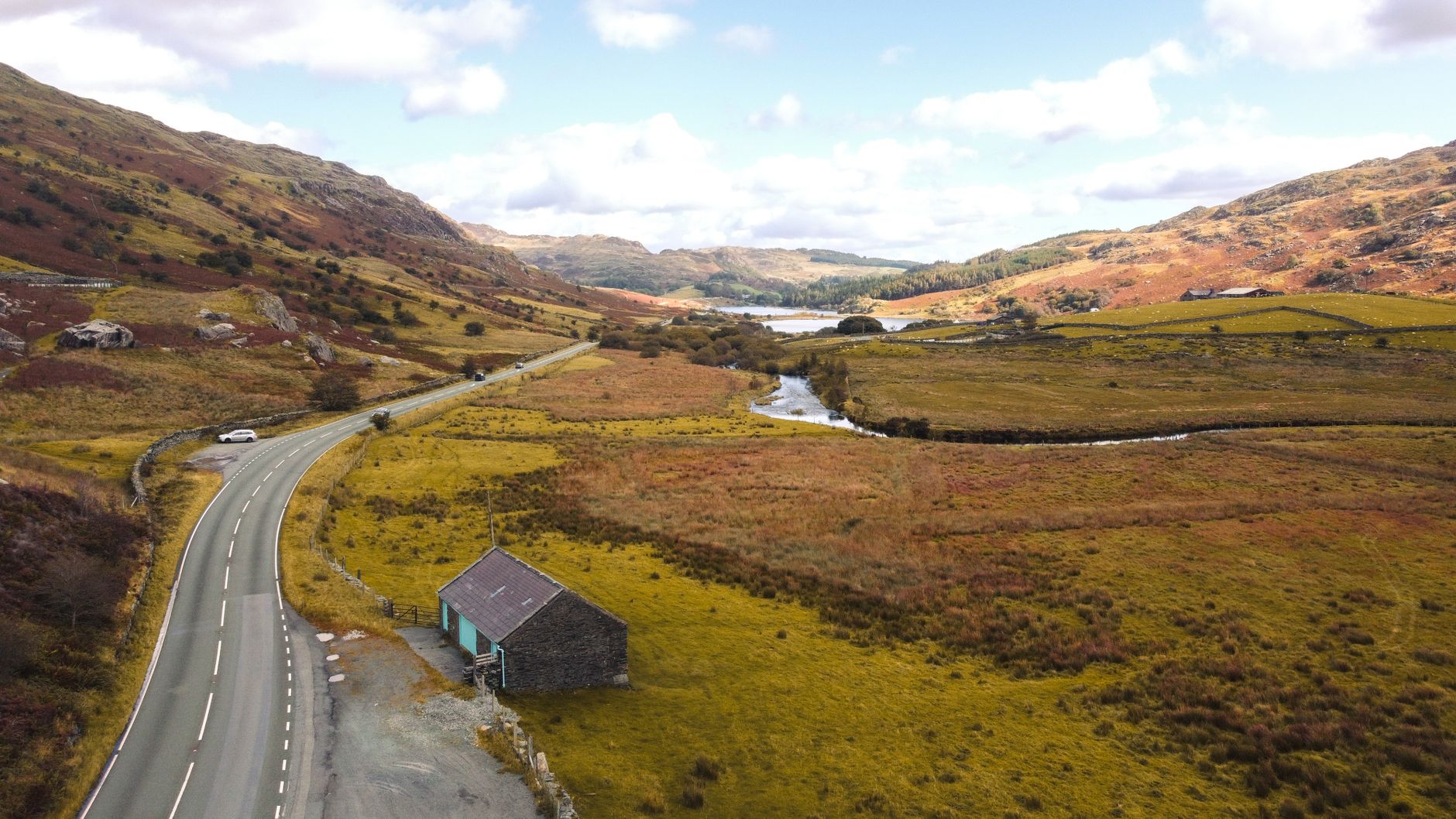
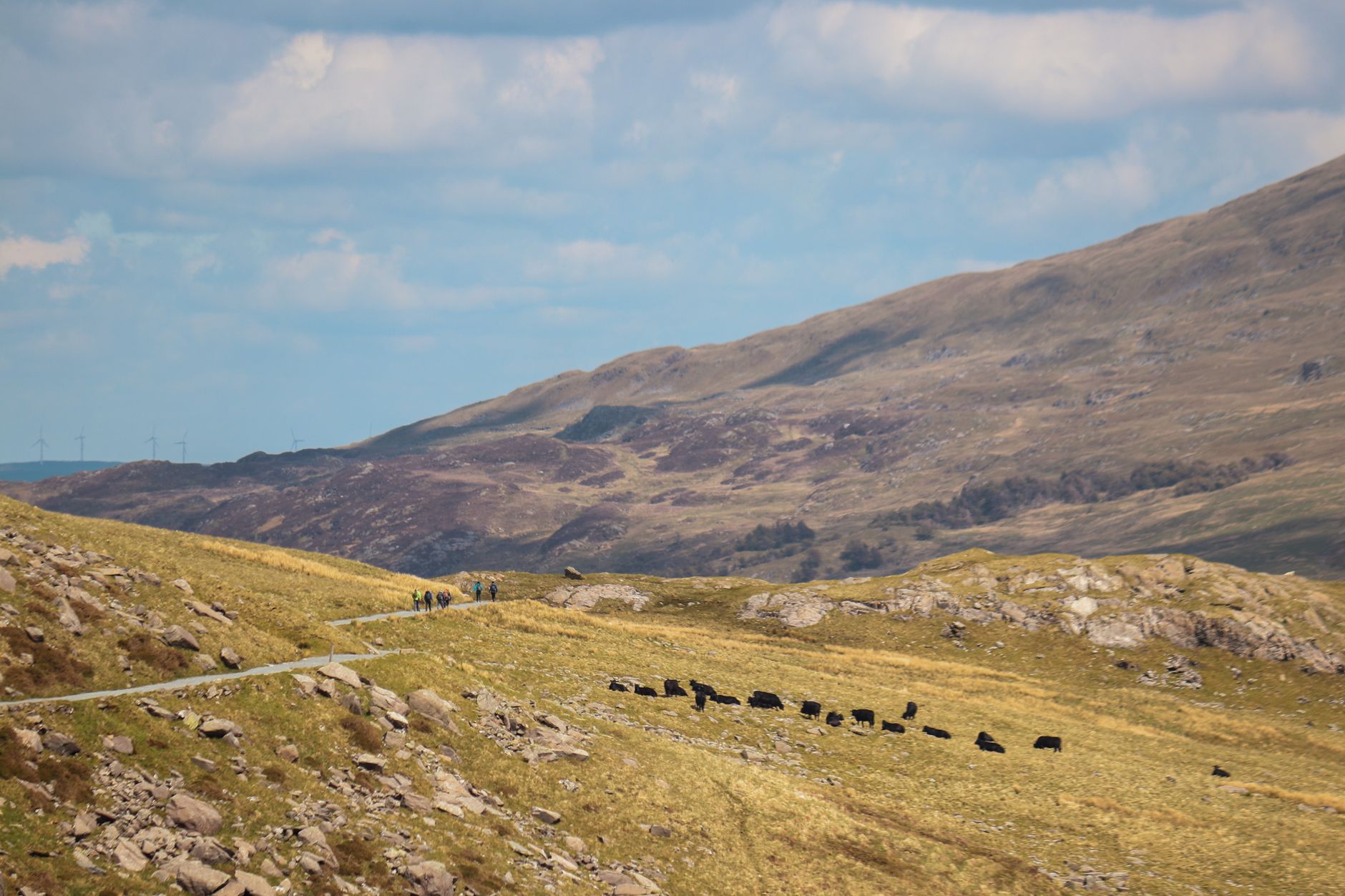
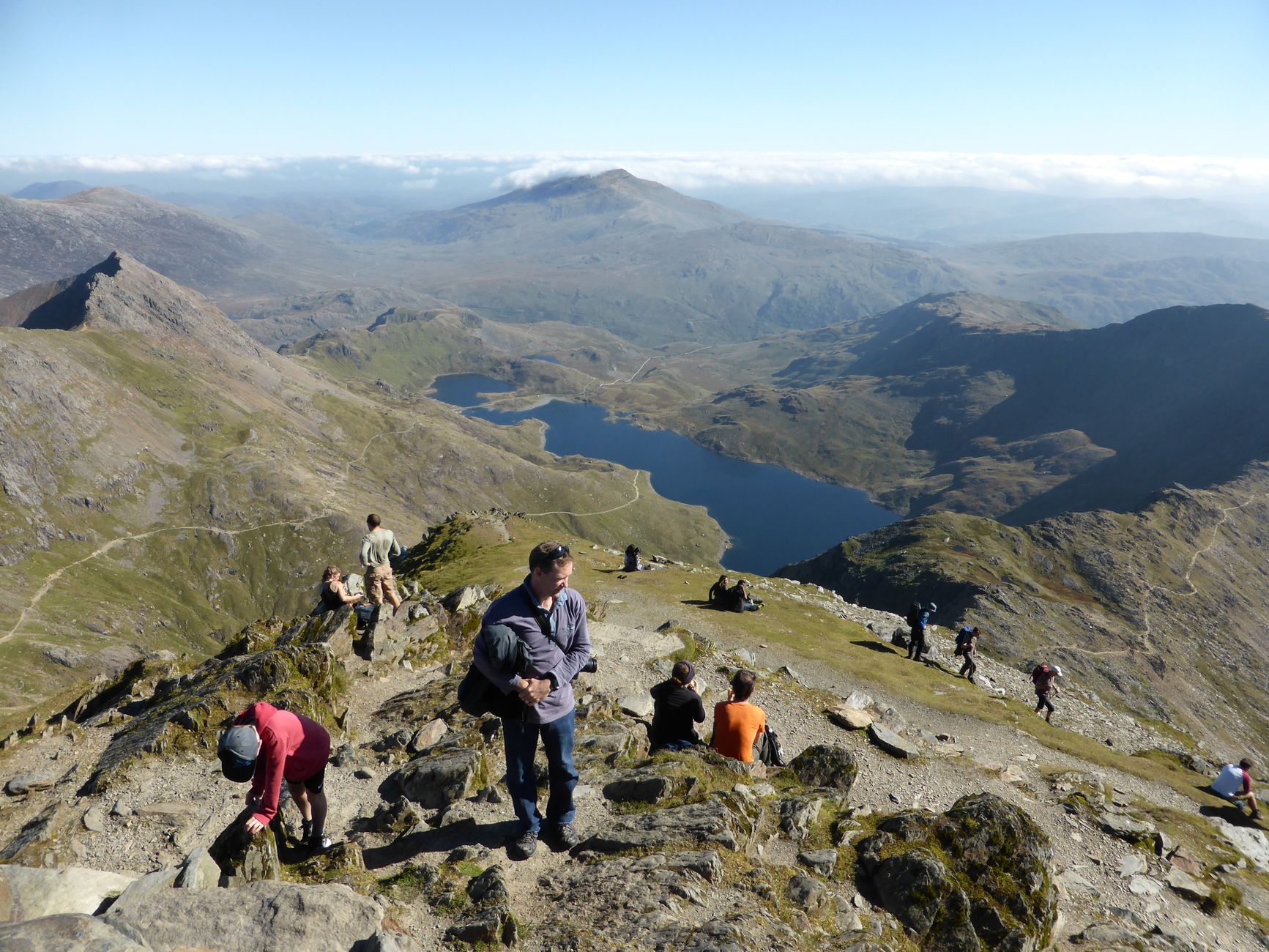
The road through Capel Curig — Thomas Telford's old London-to-Holyhead route, still the A5 — runs straight past a cluster of stone buildings, a church smaller than most front rooms, and a mountain centre where people arrive with ropes coiled over their shoulders. The village has a population of around two hundred, which means it functions more as a staging post than a settlement: somewhere to fill a water bottle, check a forecast, and decide whether today is a ridge day or a valley day.
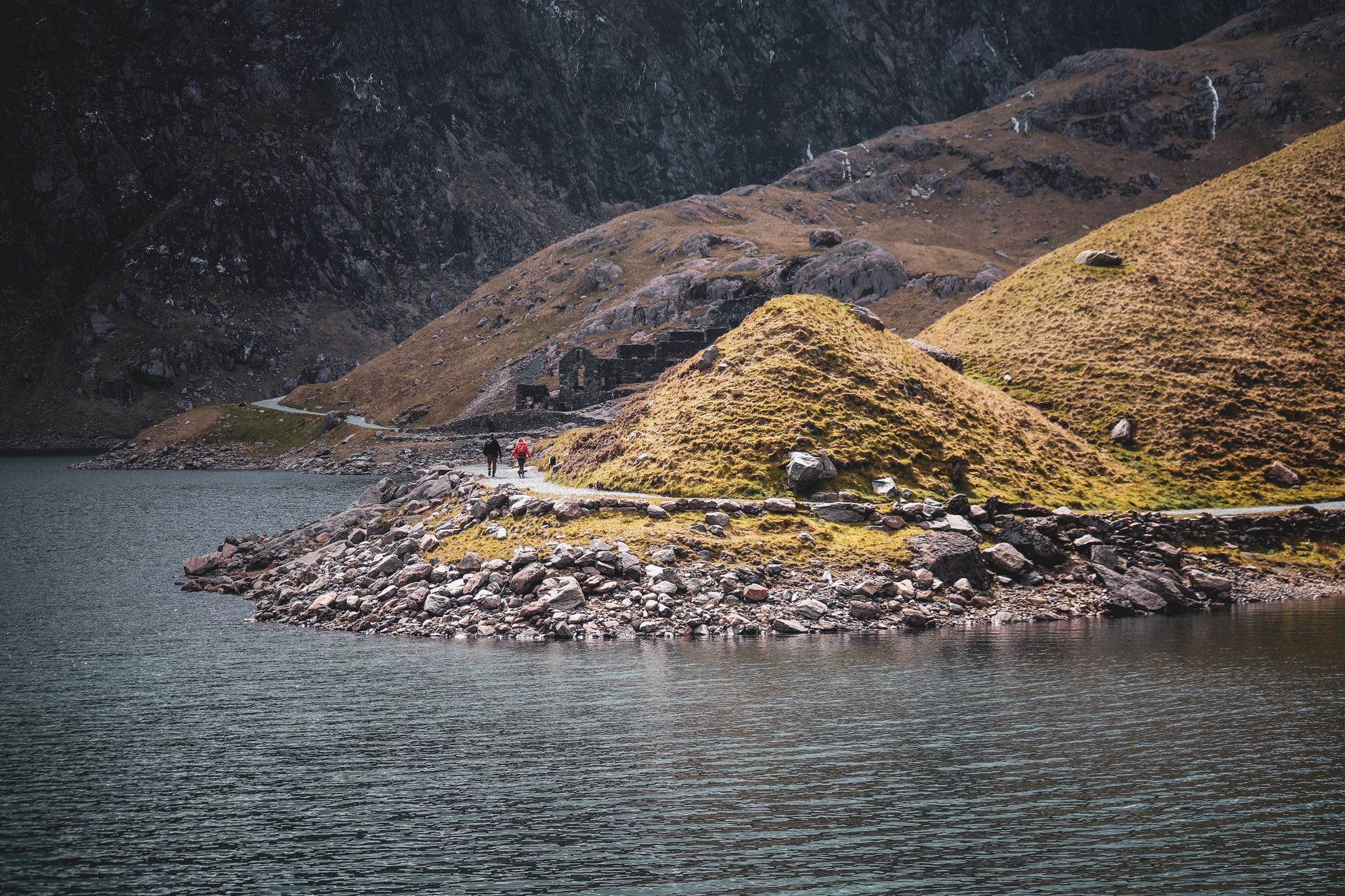
What anchors it is the landscape pressing in from every side. The Llugwy river runs alongside the road, and the peaks of the Carneddau and Glyderau rise immediately above. This is a place organised entirely around the hills.
💛 What travellers fall for
People who come back tend to mention Plas y Brenin by name — not just as a place to take a course, but as a reliable source of up-to-the-hour conditions on the routes above. The café there earns its keep on a cold morning. The short walk to Pont Cyfyng bridge, where the Llugwy narrows between boulders, is worth doing at any water level.
Experiences you don't want to miss


Deals in Capel Curig
Book directly at the providerHow Capel Curig came to be
The name traces back to a sixth-century church founded by the Celtic bishop Saint Curig, though the building standing today — St Julitta's, the smallest of Snowdonia's old churches — dates to the late fifteenth or early sixteenth century and was renovated in 1837. It is currently being restored by the Friends of Saint Julitta, who in 2024 removed a 1960s concrete floor to recover the original slate beneath.
The village's modern shape owes much to two roads. Richard Pennant cut the first major route from Bangor through here and opened the Capel Curig Inn in 1801 — designed by Benjamin Wyatt, it is now Plas y Brenin, the National Mountain Centre. The following year Thomas Telford's coaching road arrived, and by 1808 mail coaches were bringing the first tourists. A Roman fort at Bryn Gefeiliau, excavated in 1920, suggests the valley was a through-route long before either of them.
Who and what shaped it
People who shaped it
Landmark buildings
See Capel Curig in motion
Plan your visit
On the map
When to go
Capel Curig is among the wettest places in Wales — December averages 346 mm of rain, and even the driest month, May, brings 142 mm. June to September is the most comfortable window, with temperatures in the high teens, but waterproofs belong in the bag year-round.
Right now
Background & history adapted from Wikipedia (CC BY-SA) · specs from Wikidata (CC0) · weather from Open-Meteo · map data © OpenStreetMap contributors · photos from Wikimedia Commons / Unsplash with per-image credit. No third-party reviews or social posts reproduced.