
Canmore
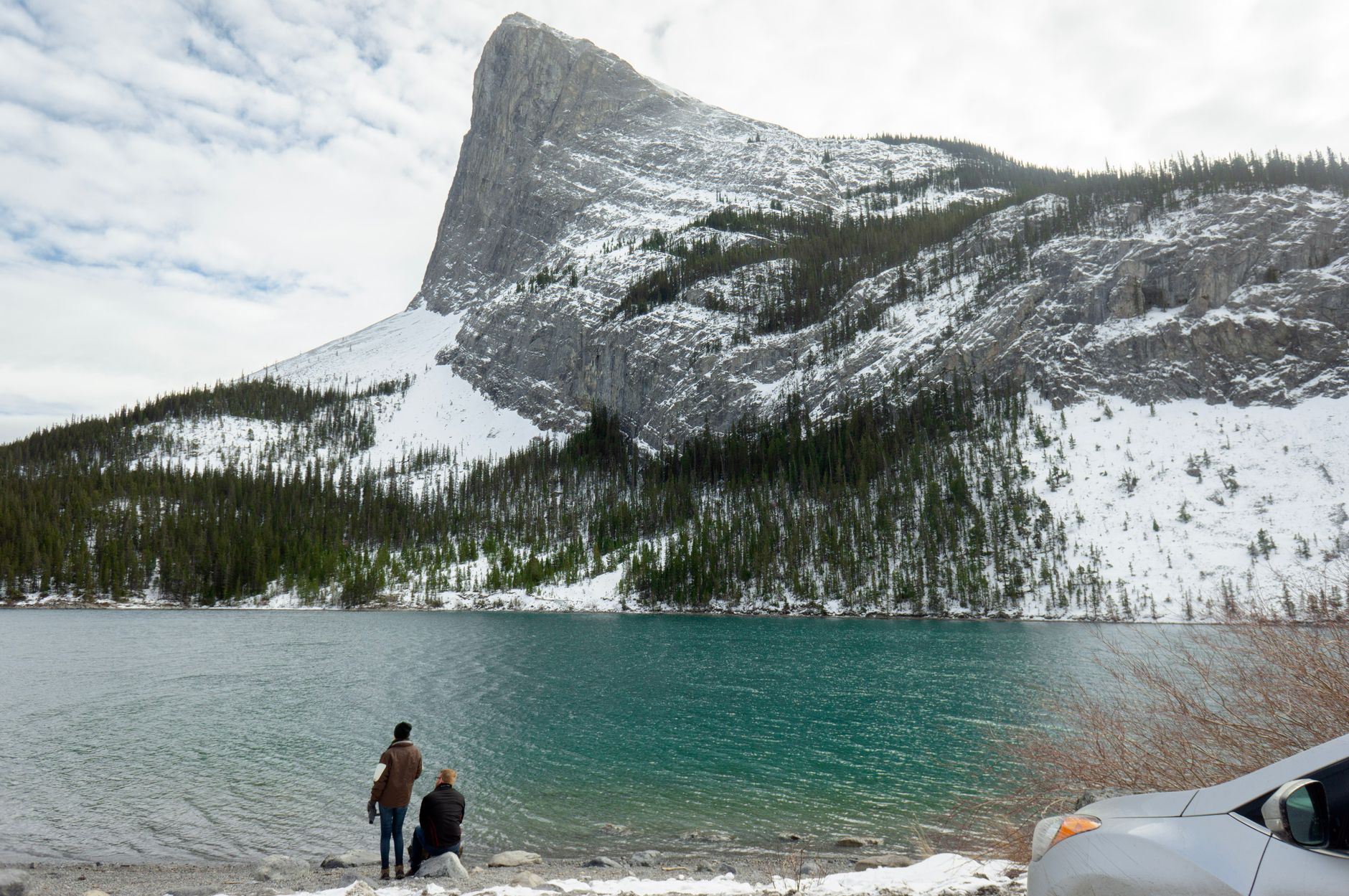
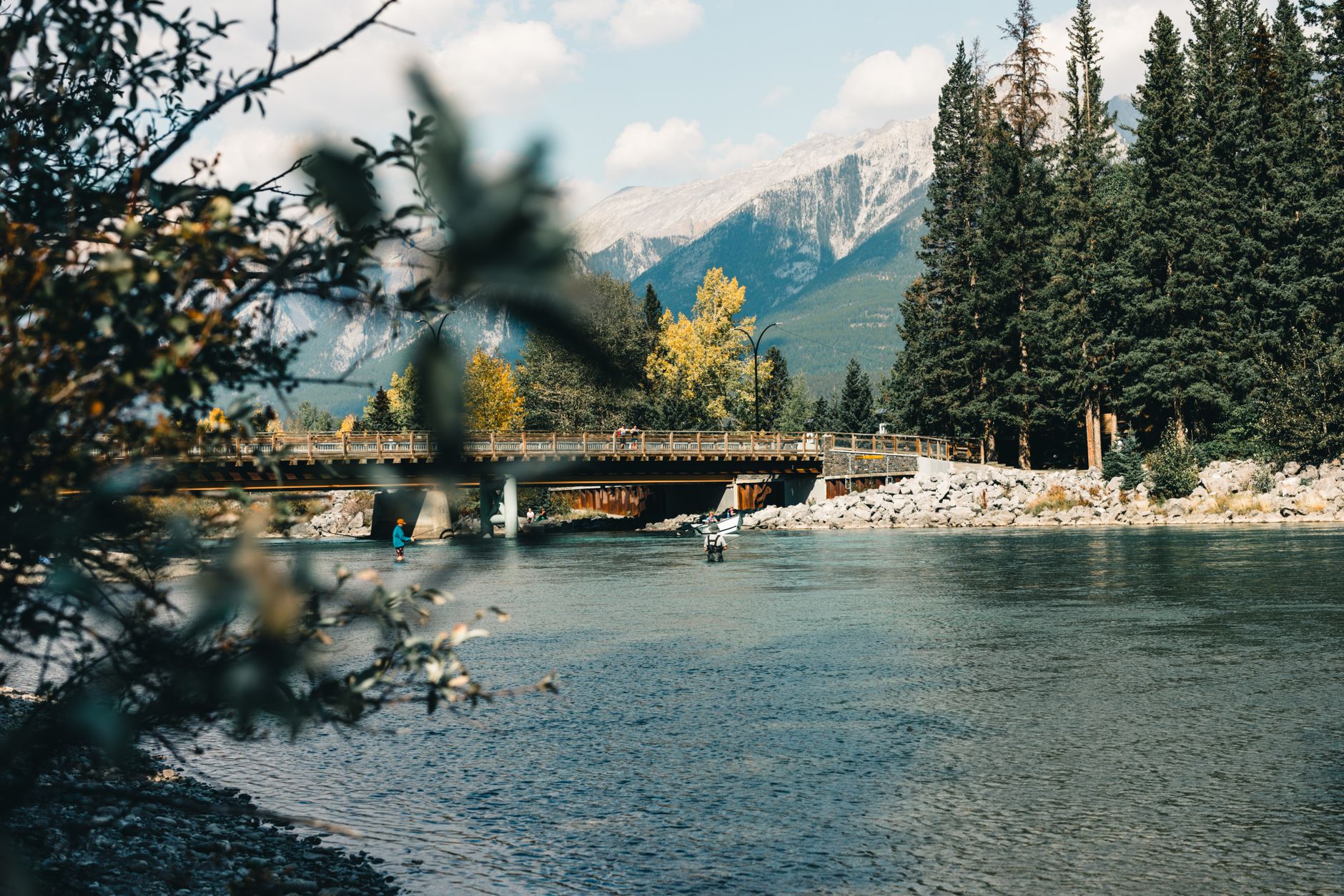
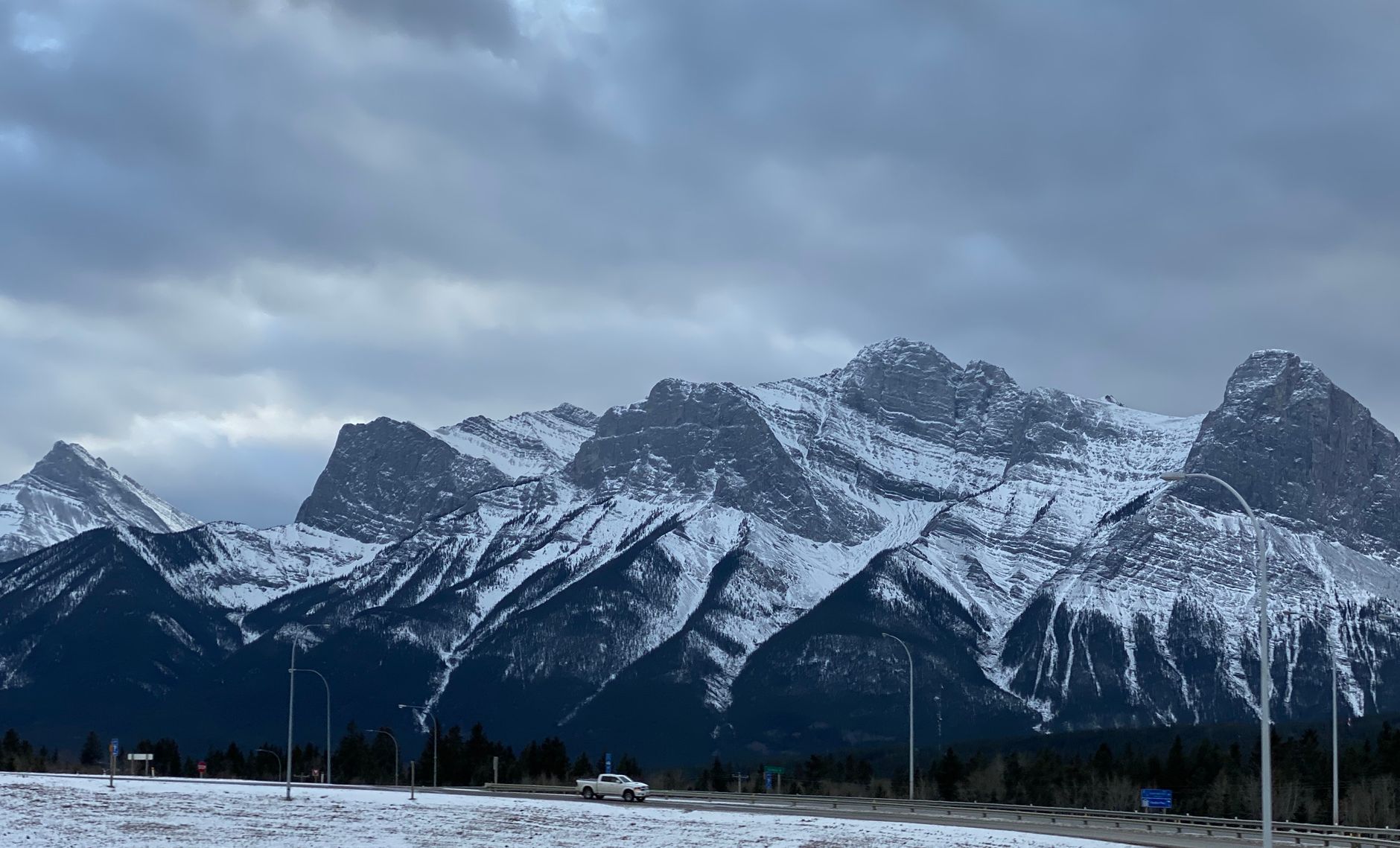
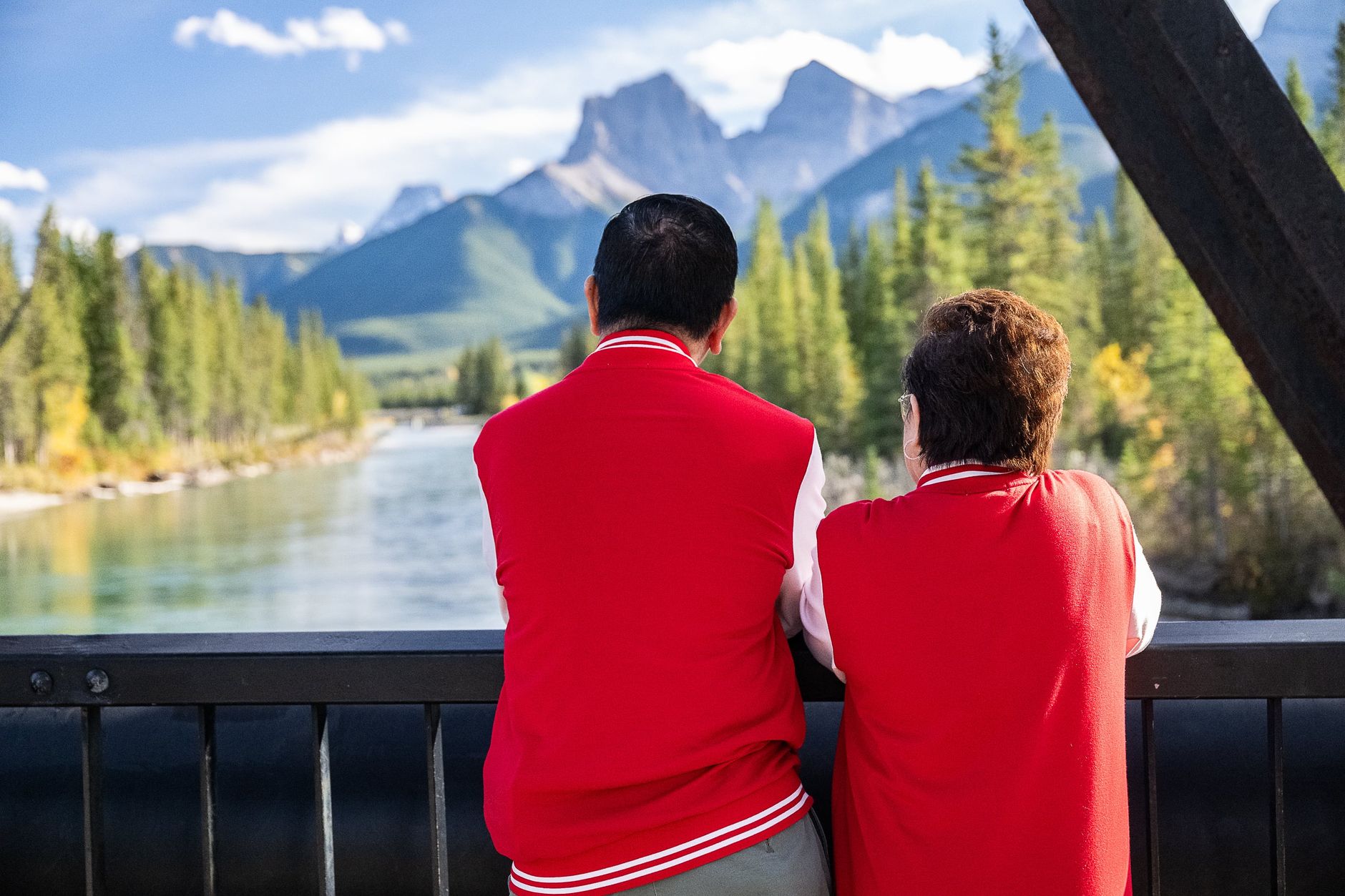
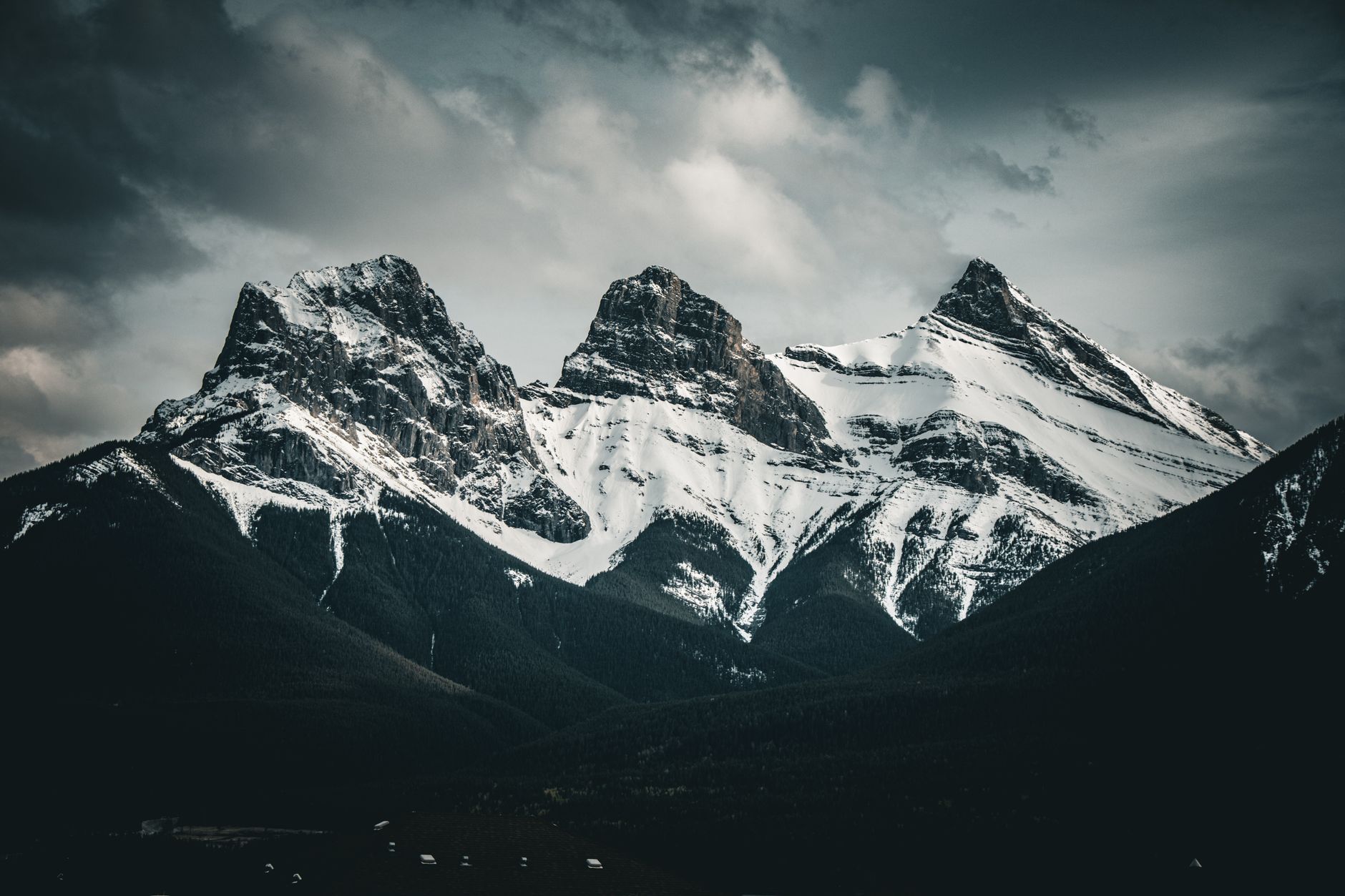
Canmore sits at the eastern gate of the Rockies, where the Bow Valley narrows and the Three Sisters — Big, Middle, and Little — rise in a formation so clean it looks like a sketch before the detail gets filled in. The town began as a coal town and a railway stop, and that working-class past still shows in the scale of the place: a walkable main street, solid older buildings, a lack of the manicured gloss you find twenty minutes west in Banff.
What draws people back is the combination of access and breathing room. You're close enough to the national park to reach it by bus, yet Canmore itself sits outside the park boundary — a fact with a specific history behind it — so life here moves at a different pace.
💛 What travellers fall for
Regulars tend to mention the same few things: the free Roam Transit routes that drop you at Grassi Lakes without the parking scramble, the Canmore Museum's surprisingly deep dive into Bow Valley geology, and the way the Three Sisters change colour across a single afternoon. The town centre is genuinely walkable — leave the car.
Experiences you don't want to miss



Deals in Canmore
Book directly at the provider


How Canmore came to be
The CPR pushed through in 1884, and Donald A. Smith — later Lord Strathcona — gave the settlement its name, drawing on the Gaelic ceann mòr, 'Big Chief', a reference to the Scottish king Malcolm Canmore. Queen Victoria granted a coal-mining charter in 1886, the No. 1 mine opened the following year, and for the next nine decades the town ran on coal. A church went up in 1891, a log schoolhouse in 1894, and by the 1890s the North-West Mounted Police had a barracks on Main Street.
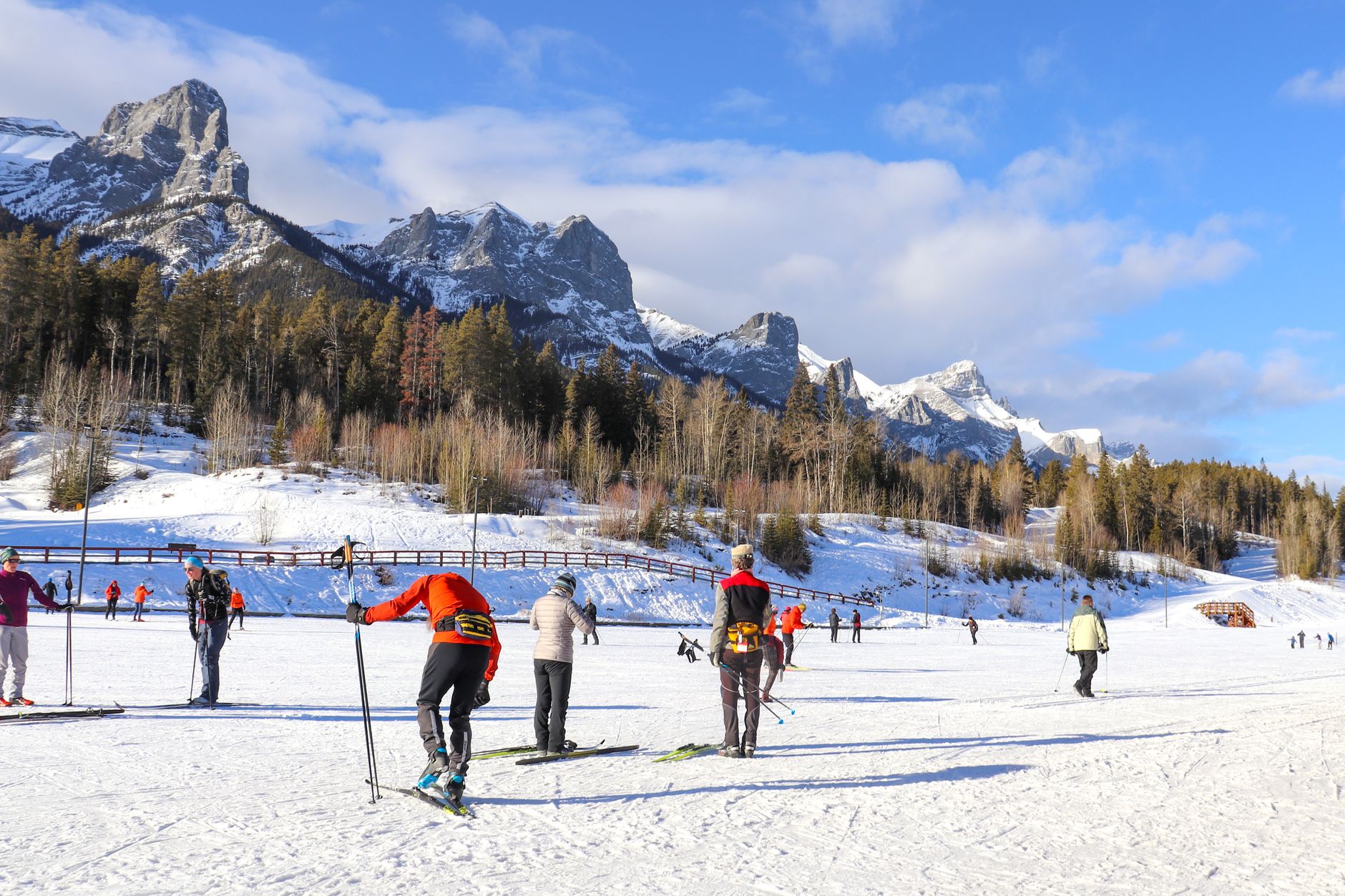
The mines closed in 1979, and Canmore might have quietly emptied out had Calgary not been awarded the 1988 Winter Olympics. The Nordic events came here, the Nordic Centre was built, and tourism slowly replaced extraction as the town's reason for being. The 1930 redrawing of Banff National Park's boundaries — moved specifically to place the mine outside the park — is why Canmore exists as an independent town at all.
Who and what shaped it
People who shaped it
Landmark buildings
See Canmore in motion
Plan your visit
On the map
When to go
Summers reach around 19°C in July, warm enough for hiking and lake swimming, though afternoon thunderstorms roll through quickly at this elevation. Winters are cold and snowy, but Chinook winds can push temperatures above freezing without much warning — layering is the only sensible strategy year-round.
Right now
Background & history adapted from Wikipedia (CC BY-SA) · specs from Wikidata (CC0) · weather from Open-Meteo · map data © OpenStreetMap contributors · photos from Wikimedia Commons / Unsplash with per-image credit. No third-party reviews or social posts reproduced.