
Canazei
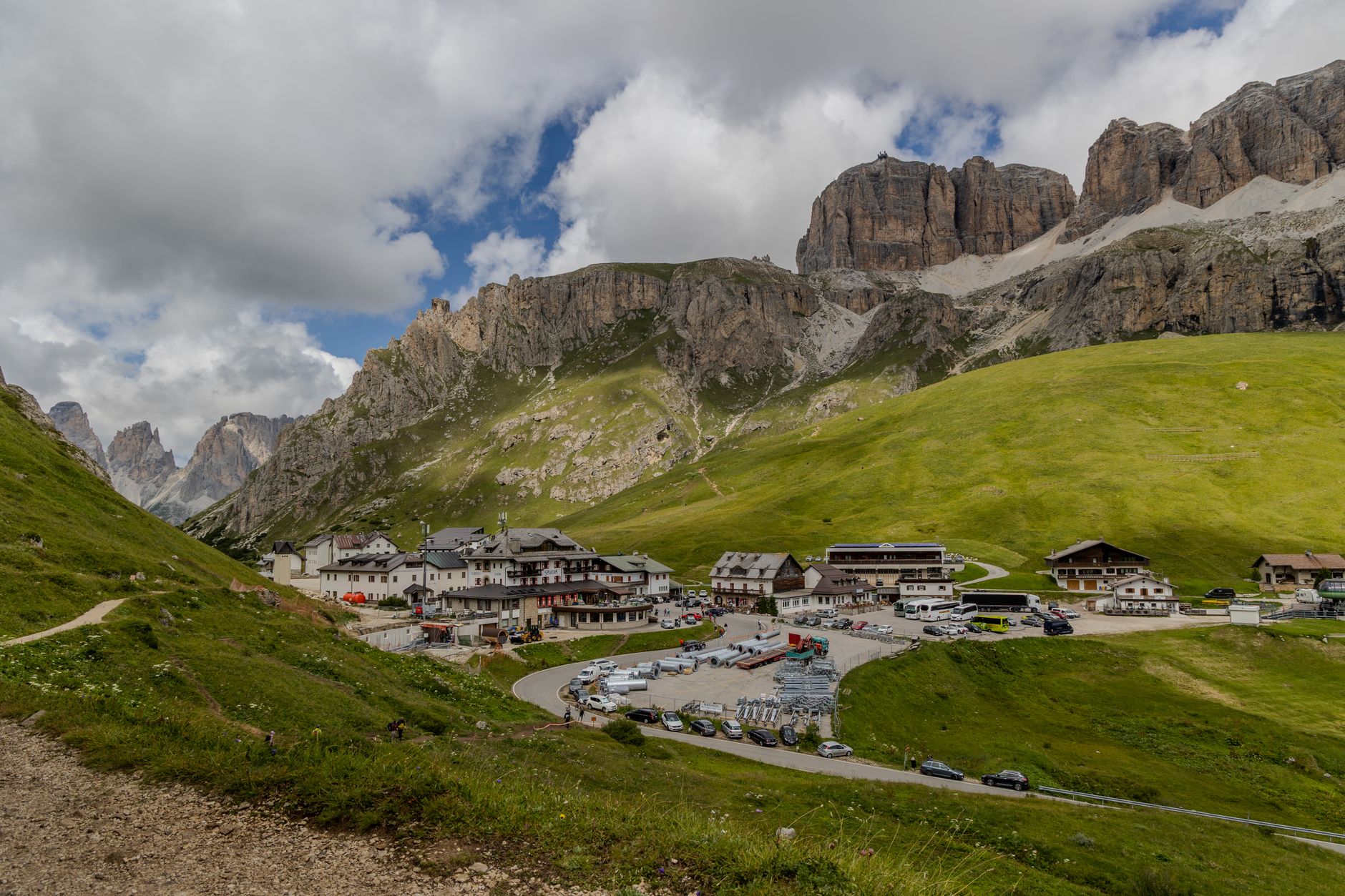
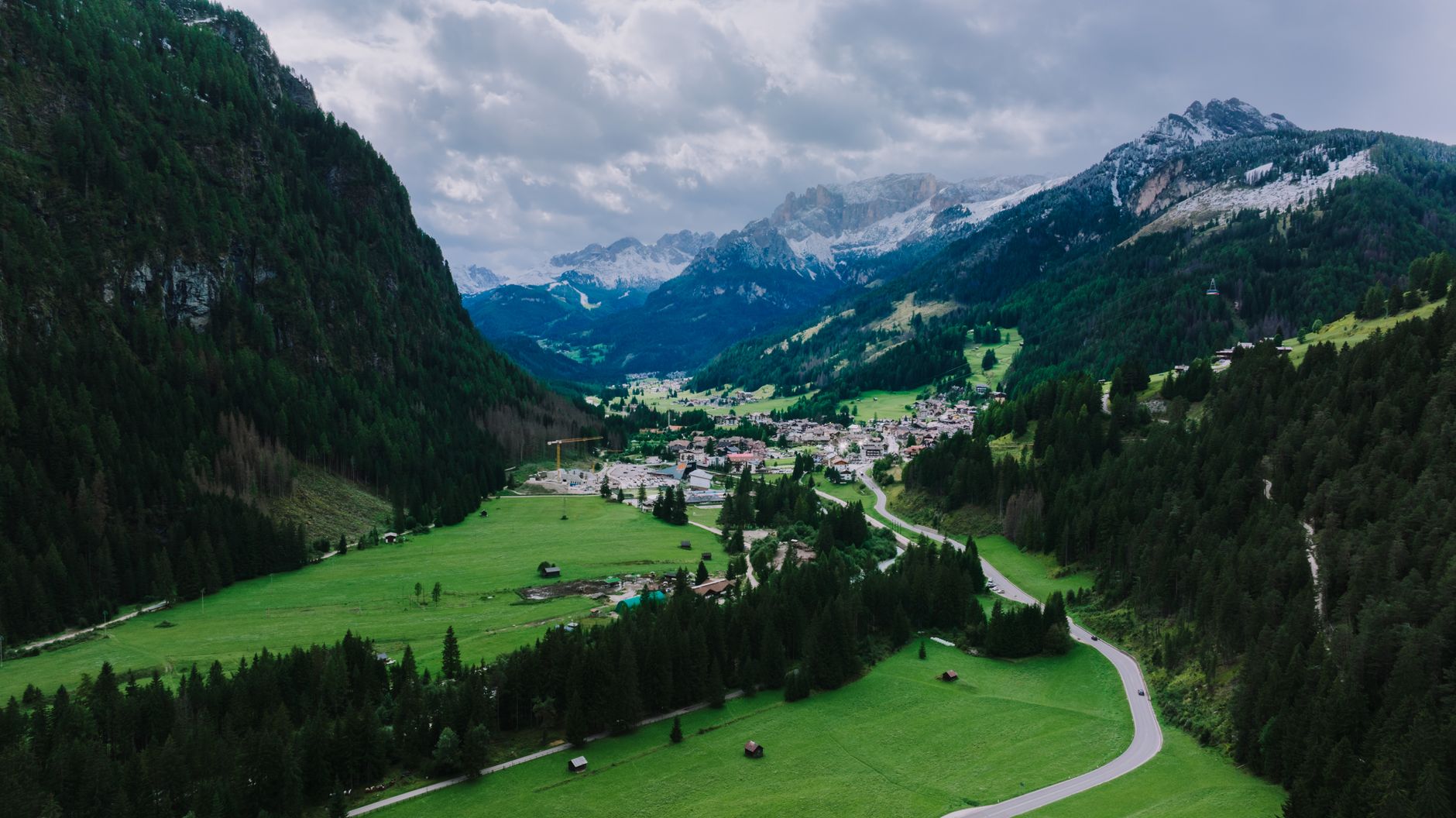
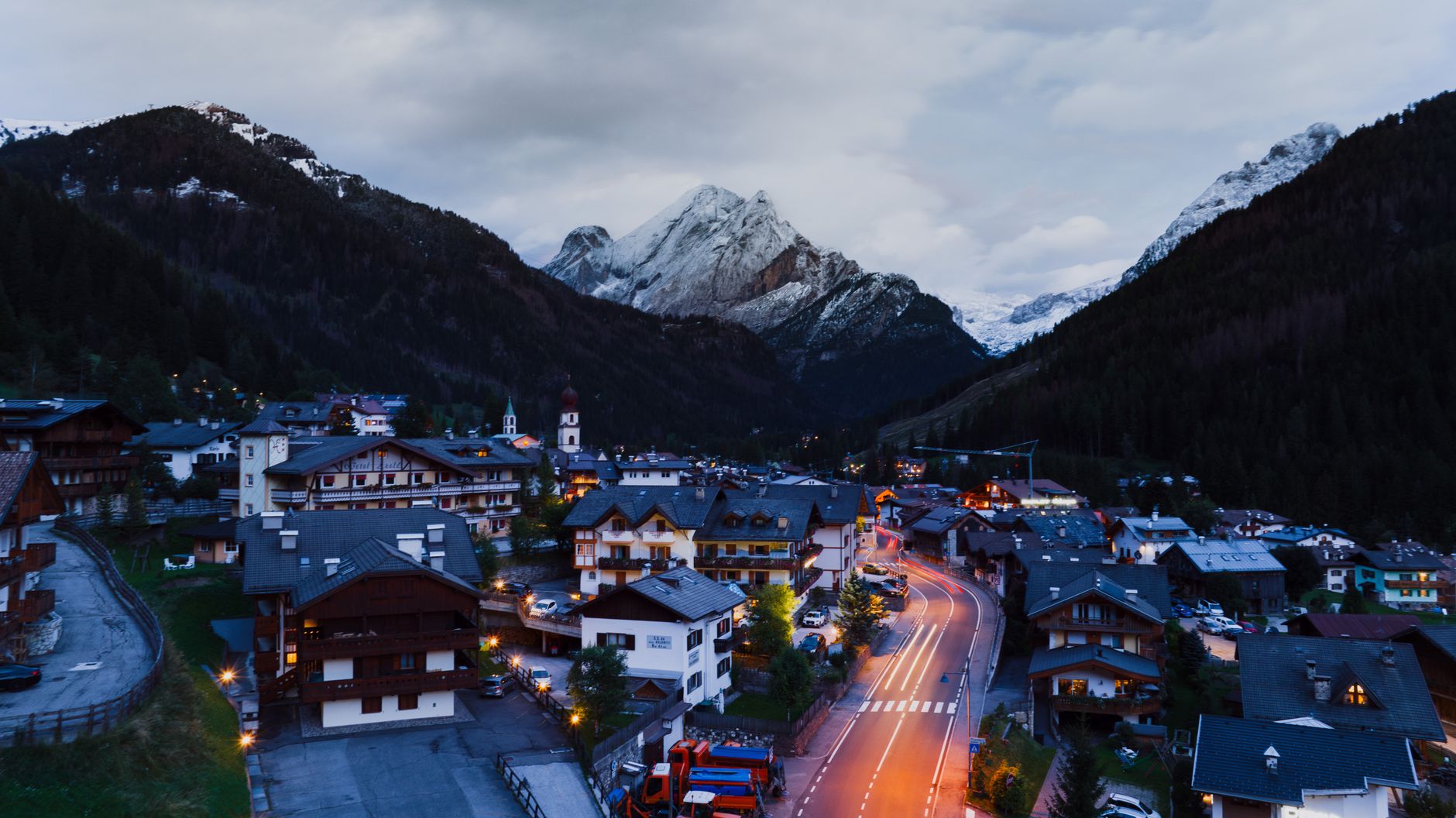
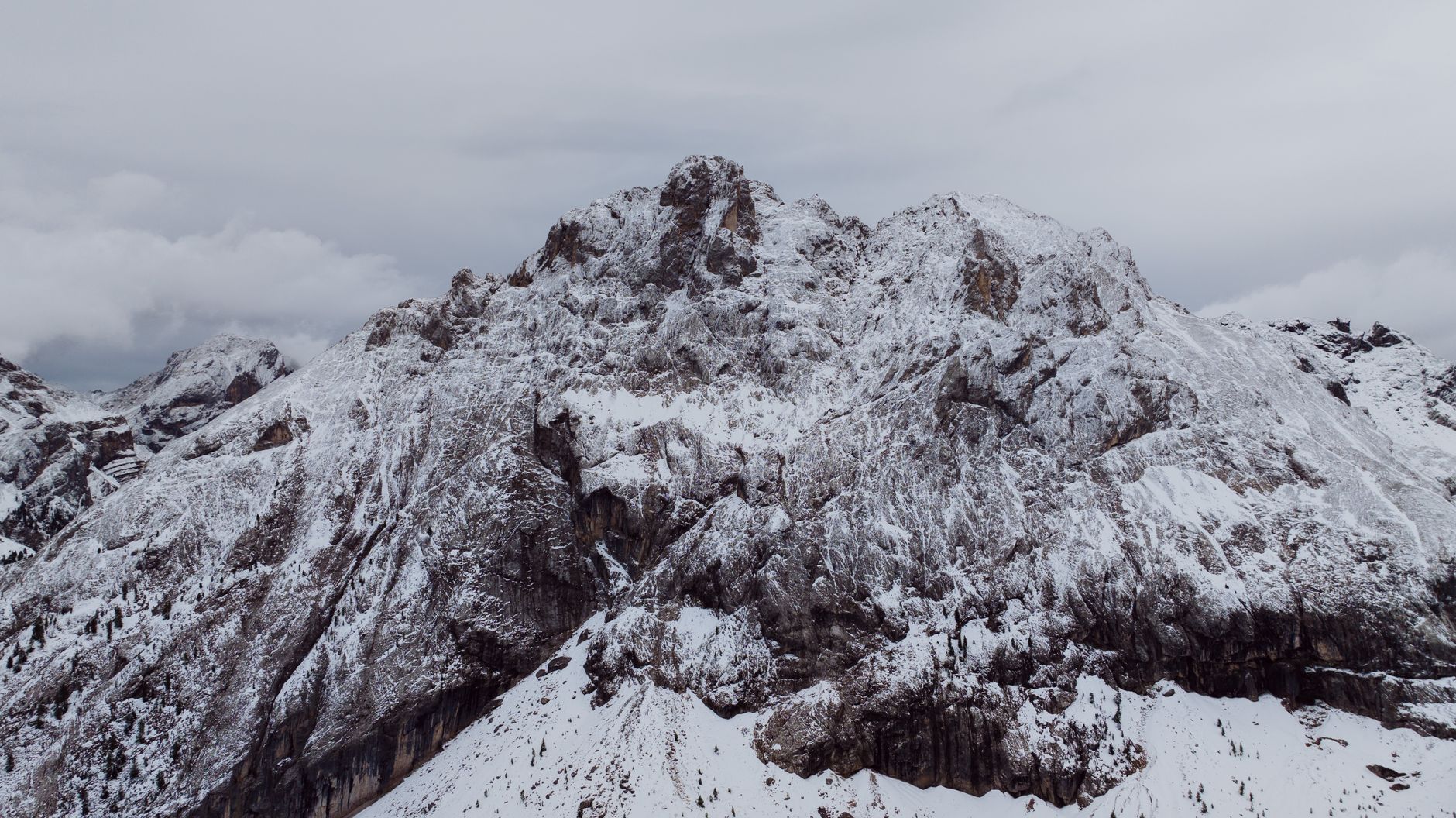
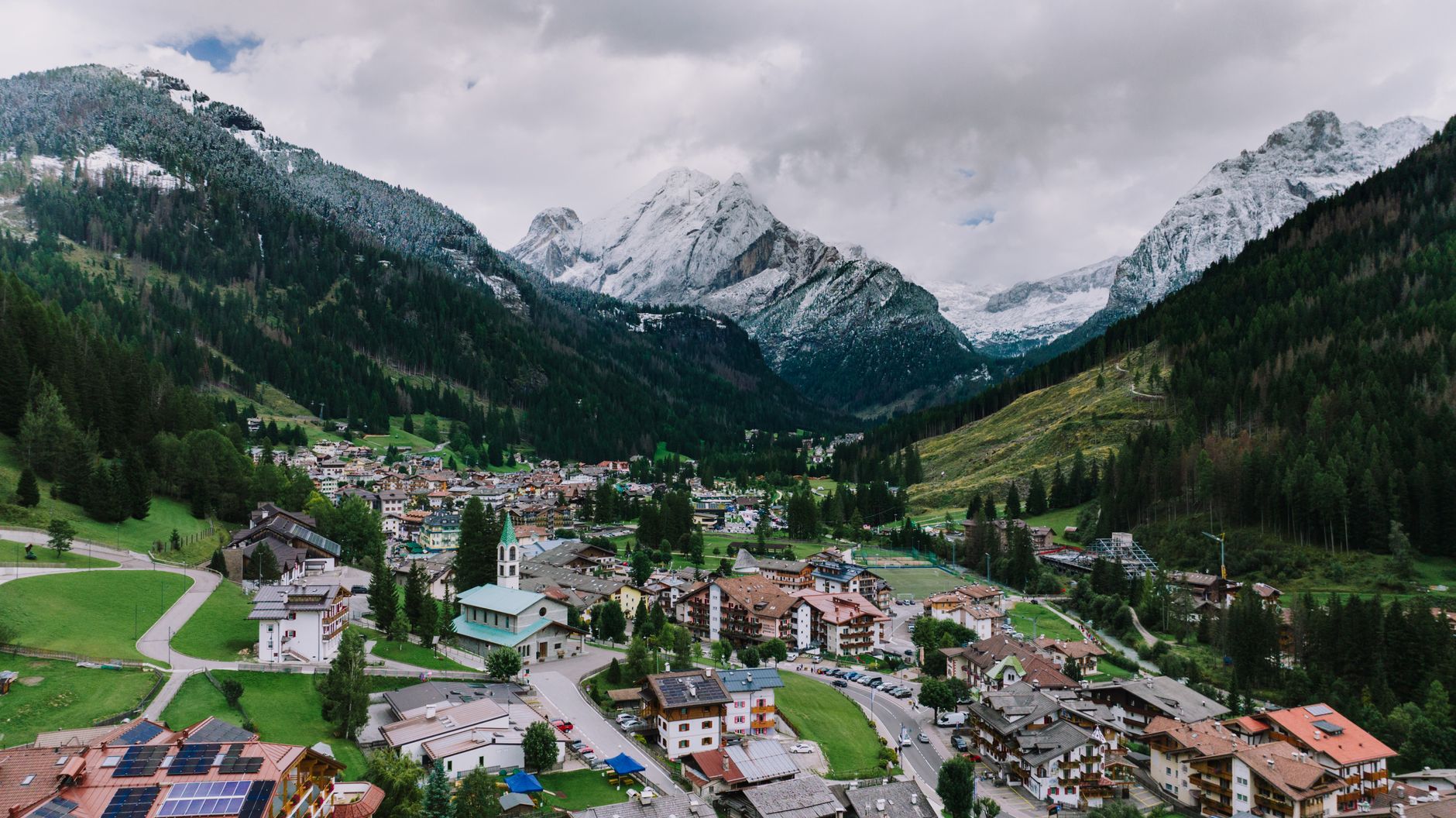
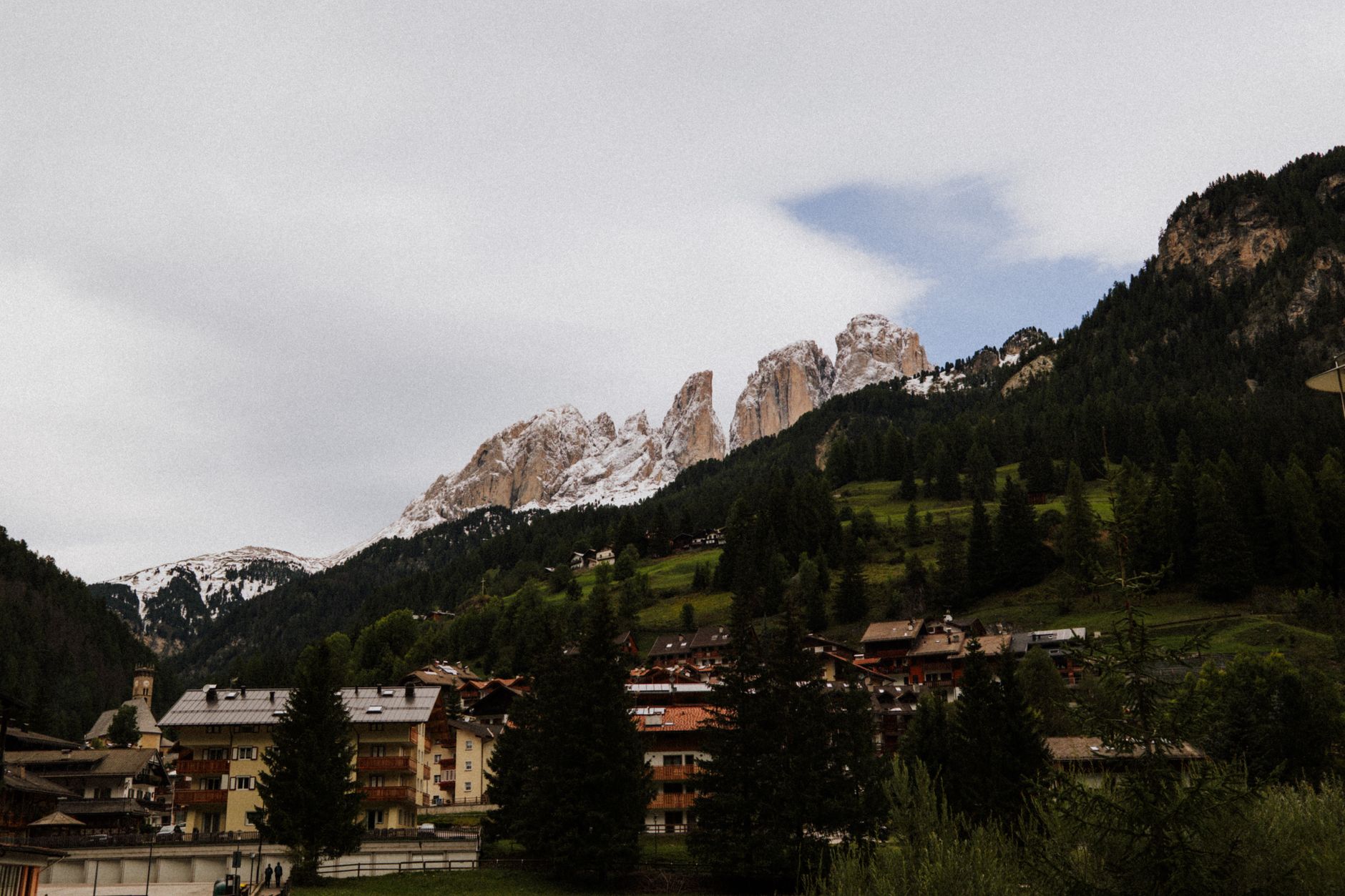
Canazei sits at 1,465 metres at the head of the Val di Fassa, where the road tips over the Passo Pordoi toward Arabba and the sky opens up to the pale, serrated towers of the Dolomites. Its name traces back to the Latin for a bed of reeds — this was once marsh before it was mountain resort, a fact easy to forget when you're watching the last light turn the Marmolada pink.
The village is compact and unhurried, built around a church dedicated to the patron saint against fires — a telling choice for a settlement that once stood entirely in wood. Summer brings hikers and cyclists onto the high passes; winter fills the slopes above with skiers threading down into the Sella Ronda circuit.
💛 What travellers fall for
People who return to Canazei tend to mention the same ritual: an early-morning walk up toward Penia before the cable cars start, when the valley is still in shadow and the peaks above are already lit. They also tend to arrive by bus from Moena rather than driving, which leaves the passes free for walking.
Experiences you don't want to miss


Deals in Canazei
Book directly at the provider

How Canazei came to be
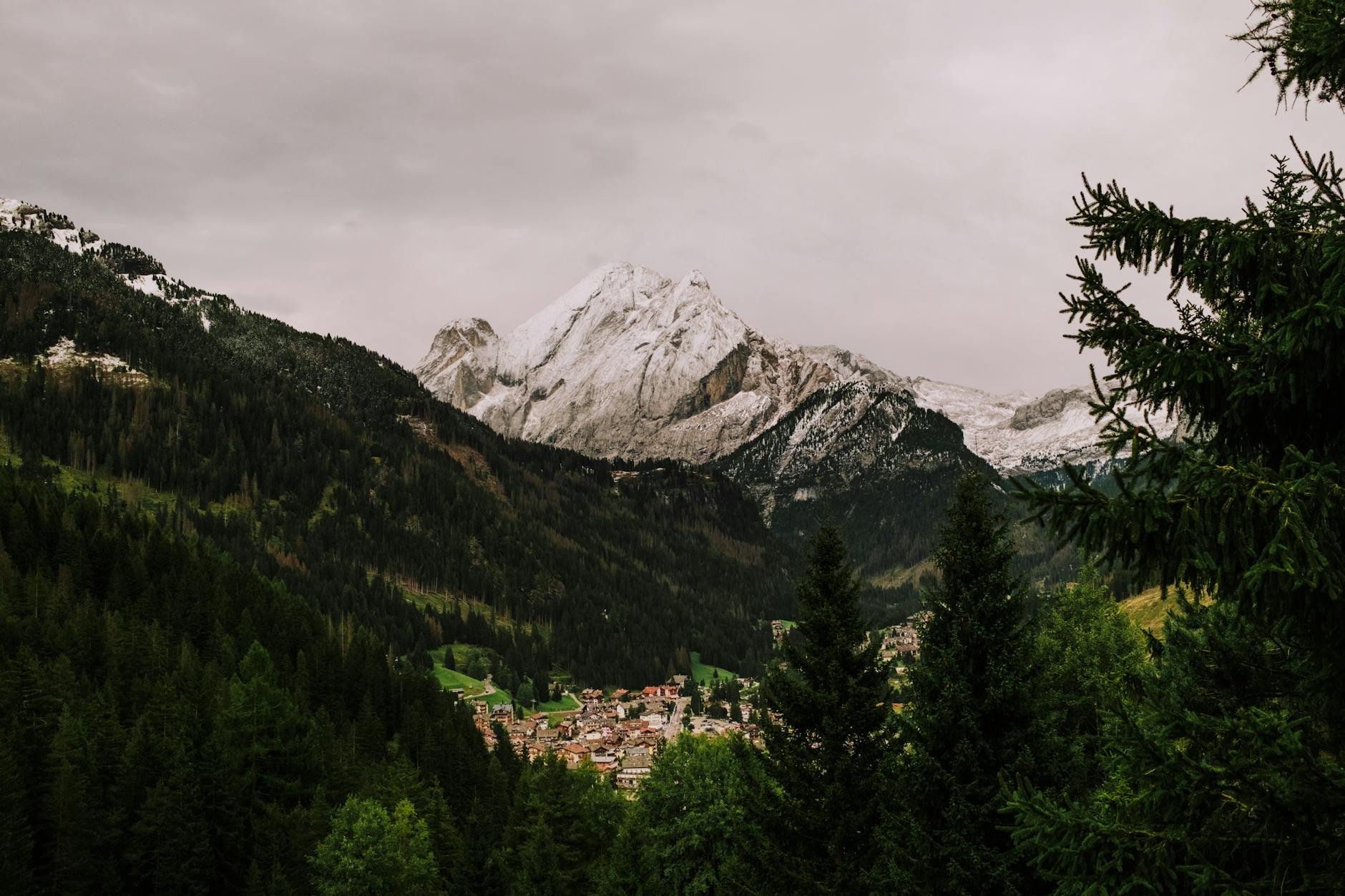
The communities of the Val di Fassa appear in written records from 1253, when the valley fell under the Prince-Bishopric of Brixen — a feudal ecclesiastical territory of the Holy Roman Empire. Canazei itself was a sparse, wooden-built cluster, its name derived from 'cannacetum', the Latin word for a reed bed, pointing to the marshy ground on which it was raised.
The village's modern shape was largely determined by the Great Dolomites Road, inaugurated in 1909, which carried the route over the Passo Pordoi and connected the valley to the province of Belluno. The first refuges and hotels followed, paths were cut into the rock, and via ferratas opened the high ridges to anyone willing to climb. The road made Canazei a waypoint, and the waypoint eventually became a destination.
Who and what shaped it
Landmark buildings
See Canazei in motion
Plan your visit
On the map
When to go
Winters are genuinely cold — January averages hover just below freezing by day and drop to around -9°C at night — while summers are mild, with August highs around 22°C and cool nights that rarely climb above 15°C. Spring arrives late at this altitude; April still carries frost.
Right now
Background & history adapted from Wikipedia (CC BY-SA) · specs from Wikidata (CC0) · weather from Open-Meteo · map data © OpenStreetMap contributors · photos from Wikimedia Commons / Unsplash with per-image credit. No third-party reviews or social posts reproduced.