
Calw
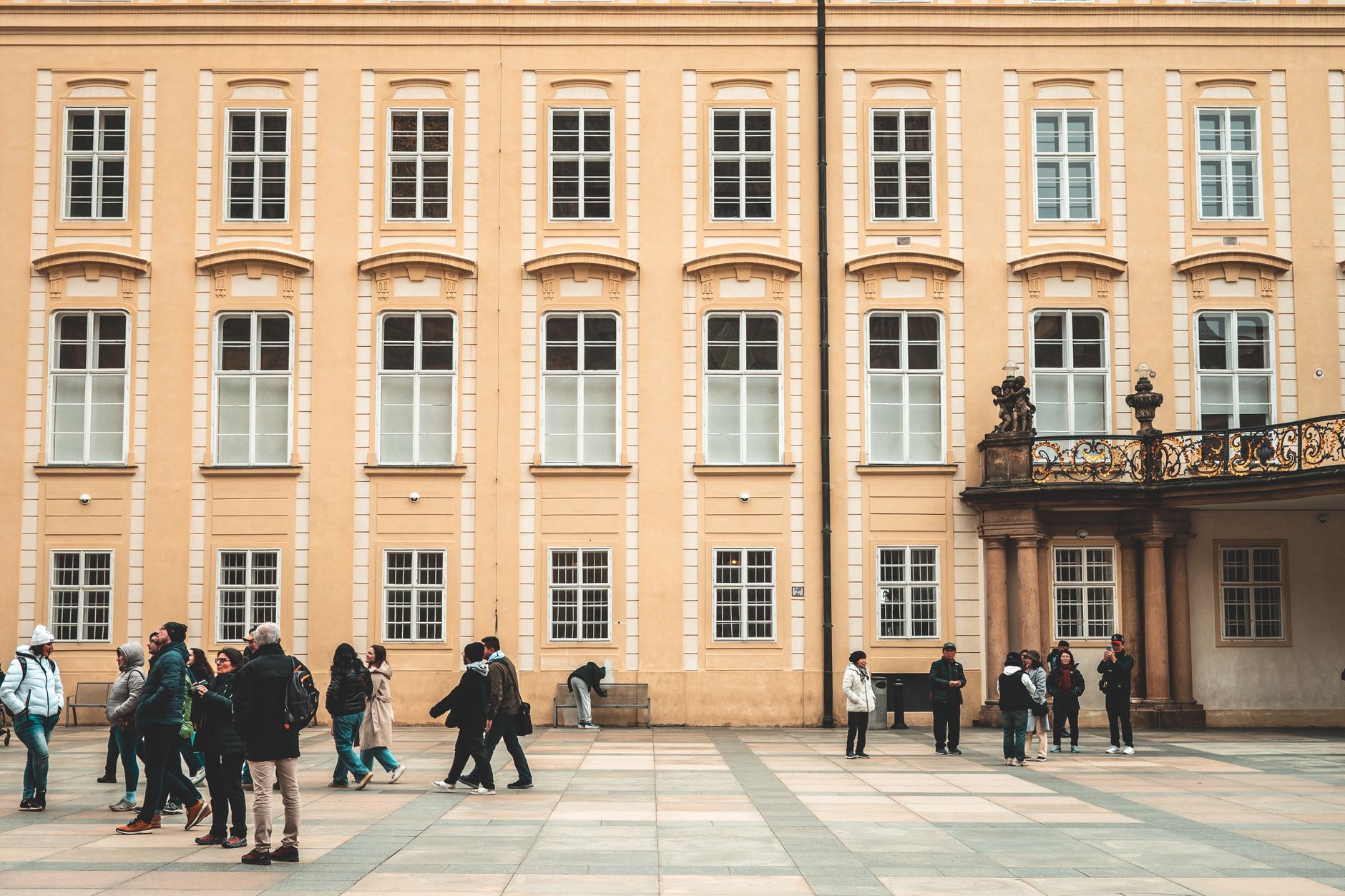
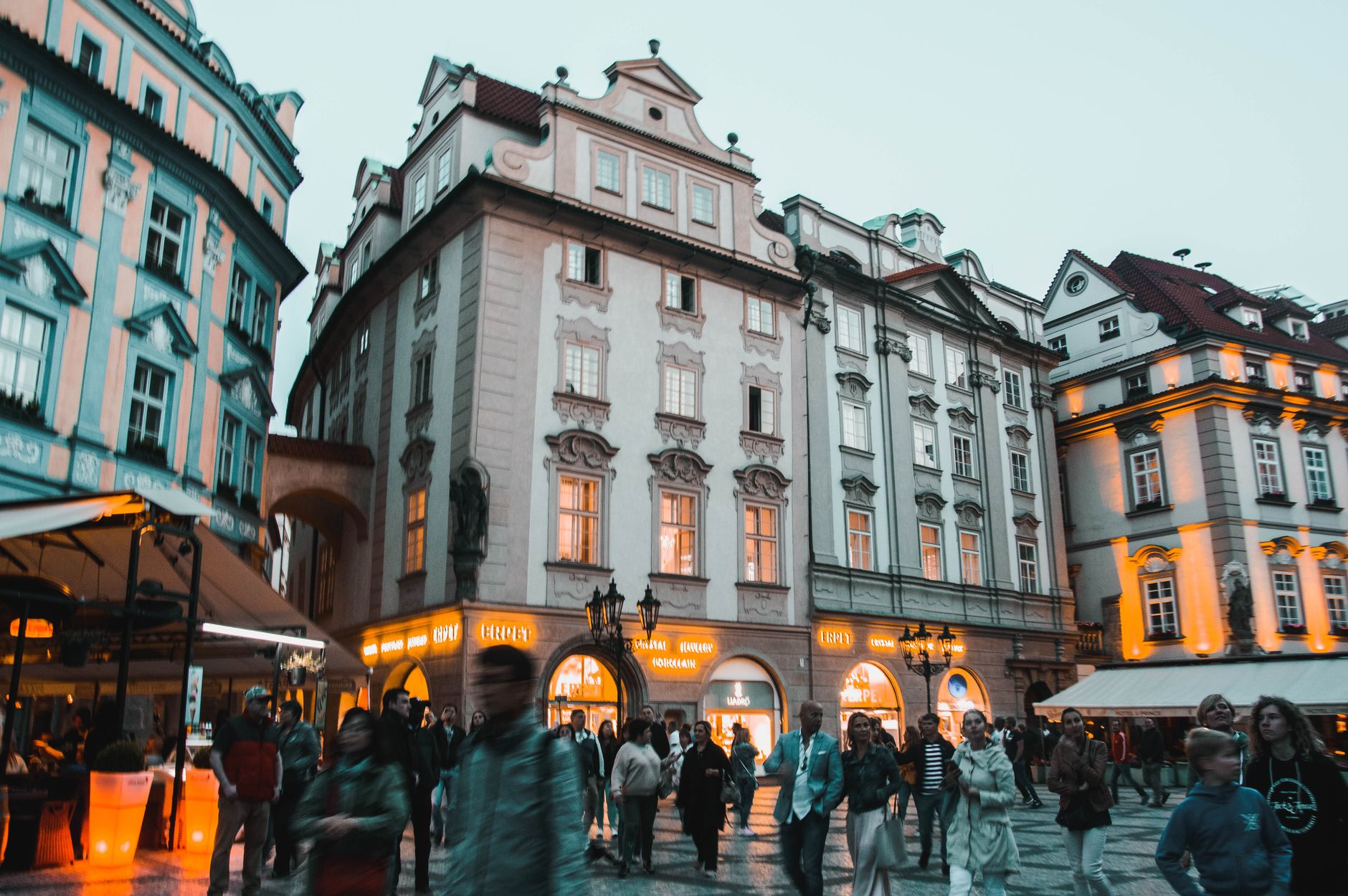
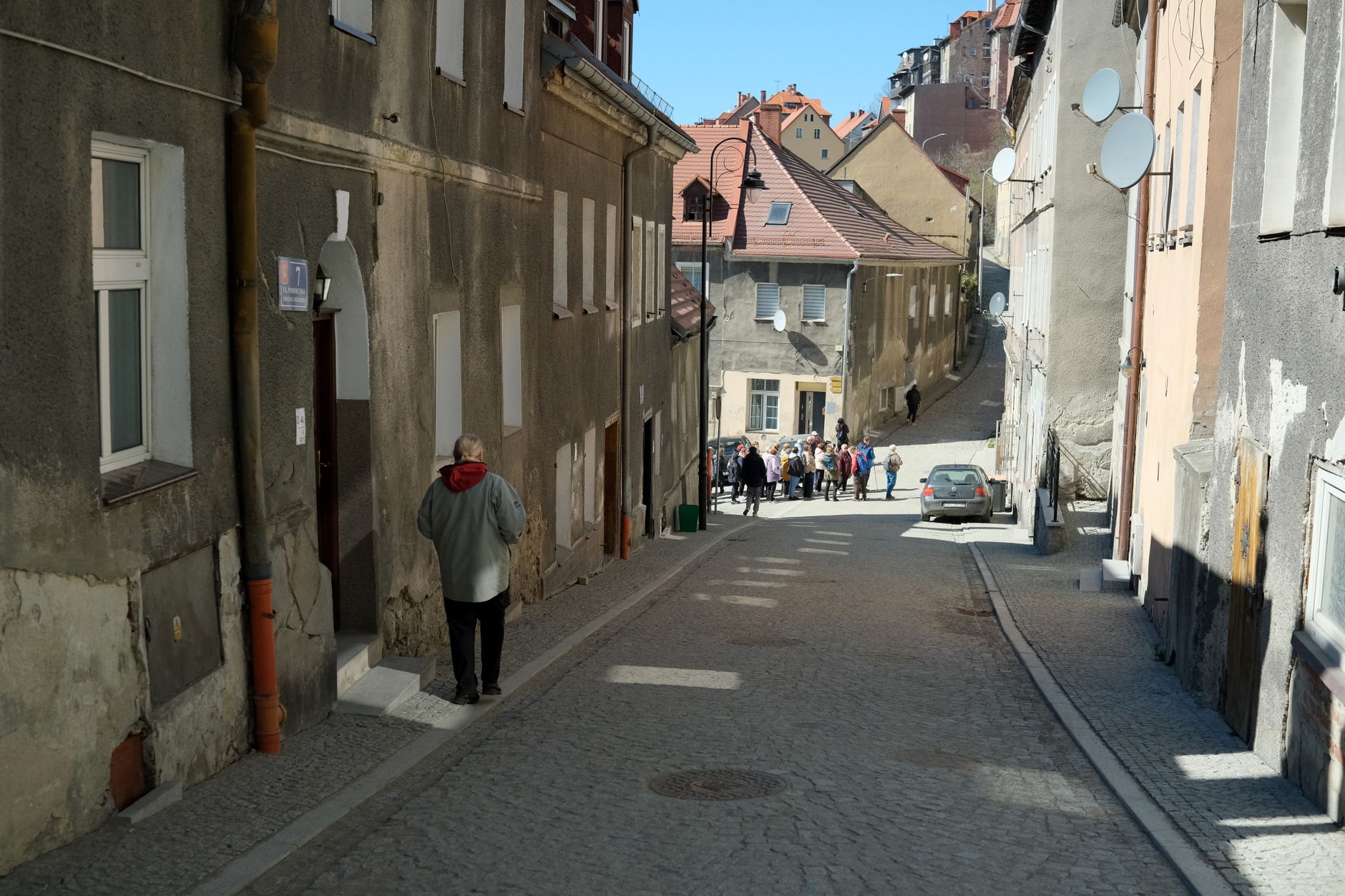
The Nagold river bends through Calw slowly enough that you notice the reflections of half-timbered gables in the water before you notice the buildings themselves. On the Nikolausbrücke, a bronze Hermann Hesse stands mid-stride, facing the old town he called 'Gerbersau' in his fiction and carried with him to the end of his life. The market square he grew up beside is still dense with 18th-century Fachwerk houses, their steep gables leaning toward each other across cobblestones — a geometry that hasn't changed much since the cloth merchants counted their bolts here.
Calw rewards the kind of attention you give to small things: a chapel doorway, a stone house built fireproof after the fire of 1692, a street name — Lederstraße, Bierstraße — that tells you exactly what trade once happened there. There are 200 listed buildings packed into a compact old town, which means you can cover the ground slowly and still not run out of something to look at.
💛 What travellers fall for
People who come back tend to time a morning for Hirsau Abbey, three kilometres north — the Benedictine ruins are extensive enough to feel genuinely monastic, and the stone sits differently in early light. The Hermann Hesse Museum, housed in his old school building, is smaller than you might expect, which is part of why it works.
Experiences you don't want to miss


Deals in Calw
Book directly at the provider

How Calw came to be
Calw appears in reliable records from the 11th century, when the town grew around the castle of the Counts of Calw. Its fortunes were built on cloth and leather — by the 16th century it had become a summer residence of the Dukes of Württemberg. In 1620, Johann Valentin Andreae helped found the Färberstift, a social institution with an attached public library, and later in the century merchant Johann Jakob Doertenbach co-founded the Calwer Zeughandlungskompagnie, a worsted cloth trading company that kept the town prosperous even through the Thirty Years' War.
The 18th century brought timber rafting on the Nagold as a second economic engine, but the Napoleonic wars ended the textile trade for good. A railway connection arrived late in the 19th century, and the town's boundaries were formally redrawn as recently as 1976, when Hirsau — site of the great 11th-century Benedictine abbey reformed by Abbot William — was incorporated into Calw.
Who and what shaped it
People who shaped it
Landmark buildings
See Calw in motion
Plan your visit
On the map
When to go
Summers in Calw are warm and occasionally humid, with temperatures in the low-to-mid 20s Celsius — comfortable for walking the old town. Winters are cold and grey, with some snow, but the Fachwerk streets have a particular stillness in the off-season that suits a literary town.
Right now
Background & history adapted from Wikipedia (CC BY-SA) · specs from Wikidata (CC0) · weather from Open-Meteo · map data © OpenStreetMap contributors · photos from Wikimedia Commons / Unsplash with per-image credit. No third-party reviews or social posts reproduced.